
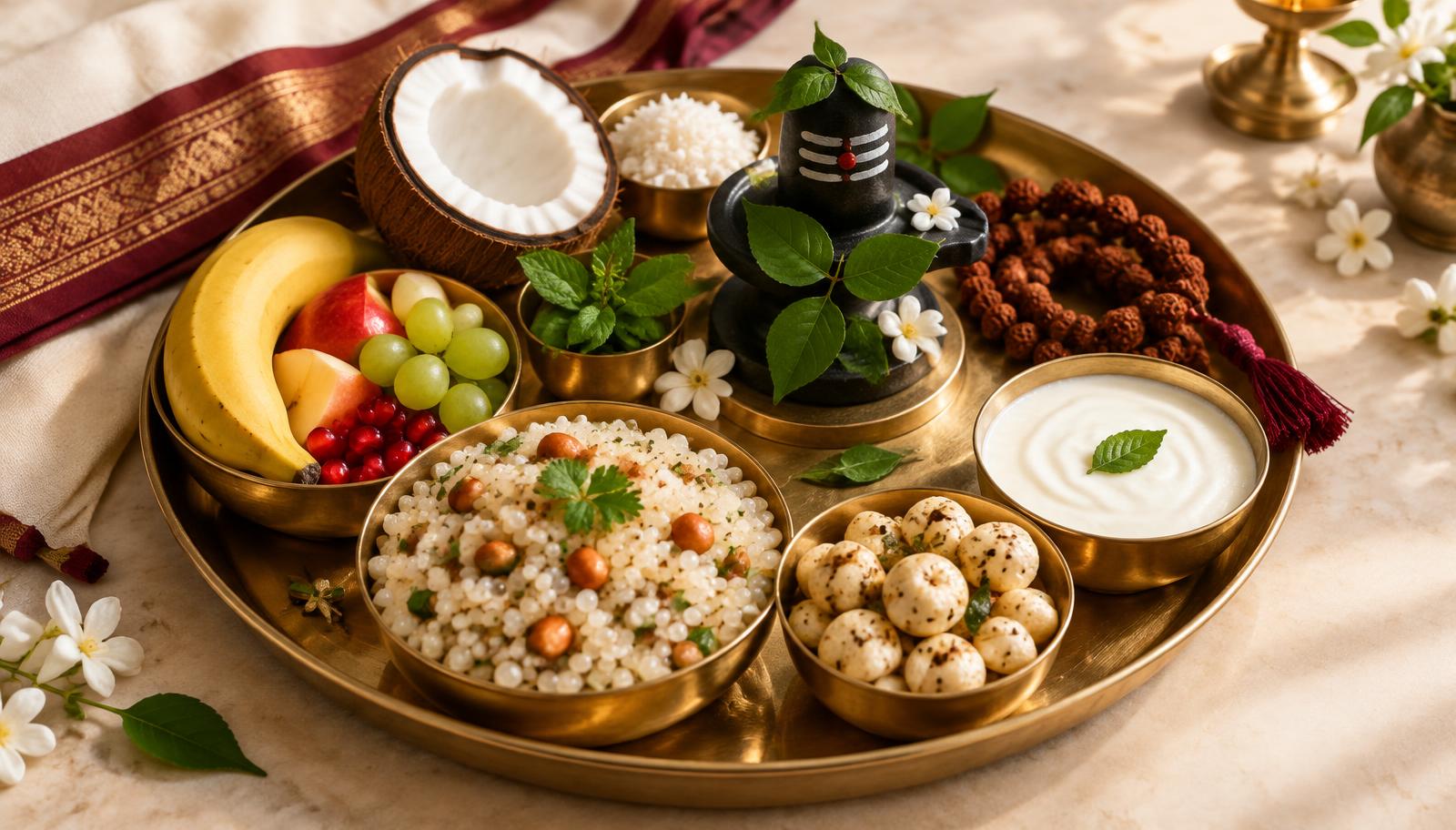
Ayurvedic Diet Rules for Shravan: What to Eat, What to Avoid and Why
Why Ayurveda recommends lighter, simpler food during the monsoon month of Shravan, what to eat and avoid, how to fast sensibly, and how to combine diet discipline with Shiva worship and Rudraksha.
Quick answer: During Shravan, Ayurveda and household tradition both favour light, freshly cooked, sattvic food — seasonal fruit, moong dal, rice, sabudana, makhana, buttermilk and warm water — and suggest limiting leafy greens, raw salads, curd at night, heavy fried food, non-vegetarian food, alcohol, onion and garlic. The reasoning is seasonal: monsoon humidity weakens digestion (agni). This guide is general information, not medical advice; people with health conditions, pregnancy or medication should consult a qualified doctor before fasting.
Shravan (also written Sawan or Shraavana) is the most important month of the year for devotees of Lord Shiva. Mondays become Shravan Somvar vrats, temples fill with abhishek offerings, and many families change what they cook for the entire month. To an outsider these food rules can look like a list of arbitrary restrictions. In reality, most of them make practical sense once you understand how Ayurveda reads the monsoon season — and why a disciplined, lighter diet supports a more focused spiritual practice.
This guide explains the reasoning behind common Shravan diet rules, gives a clear list of foods to favour and avoid, offers a sample day of eating for those who fast, and shows how devotees combine food discipline with japa and Rudraksha. We have kept the language practical: tradition varies from family to family, and the best rule is always the one your family priest or elders follow.
Why Shravan Has Special Food Rules
Shravan falls in the heart of the Indian monsoon (Varsha Ritu). In Ayurvedic terms this is a season in which Vata is aggravated by cool, damp winds, Pitta begins to accumulate, and the digestive fire (agni) is naturally weaker. Classical texts on seasonal routine (ritucharya) therefore recommend food that is easy to digest, warm and freshly prepared.
There is also a simple hygiene logic. Rain brings standing water, insects and contamination of leafy vegetables. Before refrigeration and clean water supply, avoiding raw greens and stale food during these weeks protected families from stomach infections. Many traditional Shravan rules preserve that wisdom even today.
The spiritual reason is just as important. Shravan is a month for tapasya — voluntary discipline. Eating simply, avoiding stimulating (rajasic) and dulling (tamasic) foods, and keeping the body light is traditionally believed to make prayer, mantra japa and meditation steadier. Food becomes part of the worship rather than a distraction from it.
The Three Food Qualities: Sattvic, Rajasic and Tamasic
Indian philosophy often classifies food by its effect on the mind:
- Sattvic food is fresh, light and nourishing — fruit, milk, ghee, grains, lentils, mild spices. It is associated with clarity and calm, which is why it is preferred during vrats.
- Rajasic food is very spicy, sour, salty or stimulating — excess chilli, strong coffee, heavily fried snacks. It is associated with restlessness.
- Tamasic food is stale, reheated, fermented for too long, or heavy — meat, alcohol, leftovers, very oily dishes. It is associated with dullness.
Shravan diet rules mostly nudge you toward the sattvic end of this scale. You do not need to follow every rule perfectly; moving in that direction is the point.
Foods to Favour During Shravan
| Food group | Good choices | Why it suits the season |
|---|---|---|
| Grains | Old rice, wheat in moderation, sabudana, samak (barnyard millet), rajgira, kuttu (in fasting) | Easy to digest and filling without heaviness |
| Lentils | Moong dal, masoor in small amounts | Moong is the lightest dal in Ayurveda |
| Fruit | Banana, apple, pomegranate, papaya, pear, seasonal fruit washed well | Hydrating and naturally sattvic |
| Dairy | Warm milk, ghee, fresh buttermilk (daytime), paneer occasionally | Nourishing; buttermilk aids digestion |
| Vegetables | Lauki (bottle gourd), tori, pumpkin, parwal, potato and sweet potato (in vrat), well cooked | Cooked gourds are light and cooling |
| Nuts & seeds | Makhana, soaked almonds, peanuts in vrat dishes | Energy during fasts |
| Spices | Ginger, cumin, black pepper, rock salt (sendha namak), ajwain | Support agni without heating excessively |
Warm water through the day, ginger tea in moderation and freshly cooked meals eaten at regular times matter as much as the specific ingredients.
Foods Commonly Avoided in Shravan
- Green leafy vegetables and raw salads — monsoon greens are more likely to carry insects and contamination; many families skip saag, methi and palak for the month.
- Curd, especially at night — Ayurveda considers curd heavy and channel-blocking in humid weather; buttermilk is preferred.
- Non-vegetarian food, eggs and alcohol — avoided on religious grounds and as tamasic foods.
- Onion and garlic — skipped by many devotees as rajasic/tamasic, especially on Mondays and fasting days.
- Brinjal — some traditions avoid it in this season; follow your family custom.
- Deep-fried, stale or reheated food — difficult to digest when agni is weak.
- Excess raw milk offered to the Shivling being drunk the same day — many households prefer to offer milk and consume boiled milk separately.
How to Observe Shravan Somvar Vrat Sensibly
Monday fasting is the best-known Shravan observance. Devotees choose one of several levels:
1. Nirjala — no food or water until evening puja. This is demanding and not suitable for everyone.
2. Phalahar — fruit, milk and vrat-safe foods once or twice in the day.
3. Ekbhukt — one simple sattvic meal after evening worship.
Practical tips: drink enough water if you are not observing nirjala; break the fast gently with fruit or a light khichdi rather than fried food; avoid strong tea on an empty stomach; and stop the fast if you feel dizzy or unwell. Children, elderly people, pregnant women and anyone with diabetes, blood pressure, kidney or digestive conditions should consult a doctor before fasting.
Sample Sattvic Day for Shravan
| Time | Suggested food |
|---|---|
| Early morning | Warm water; soaked almonds or a few raisins |
| After morning puja | Fruit bowl or sabudana khichdi with peanuts and sendha namak |
| Midday | Samak rice or regular rice with moong dal and lauki sabzi; buttermilk with roasted jeera |
| Evening | Roasted makhana, ginger tea or fruit |
| After evening aarti | Light khichdi or warm milk with a pinch of cardamom |
Adjust quantities to your age, activity and health. The idea is regular, simple meals rather than long gaps followed by heavy eating.
Combining Diet, Worship and Rudraksha
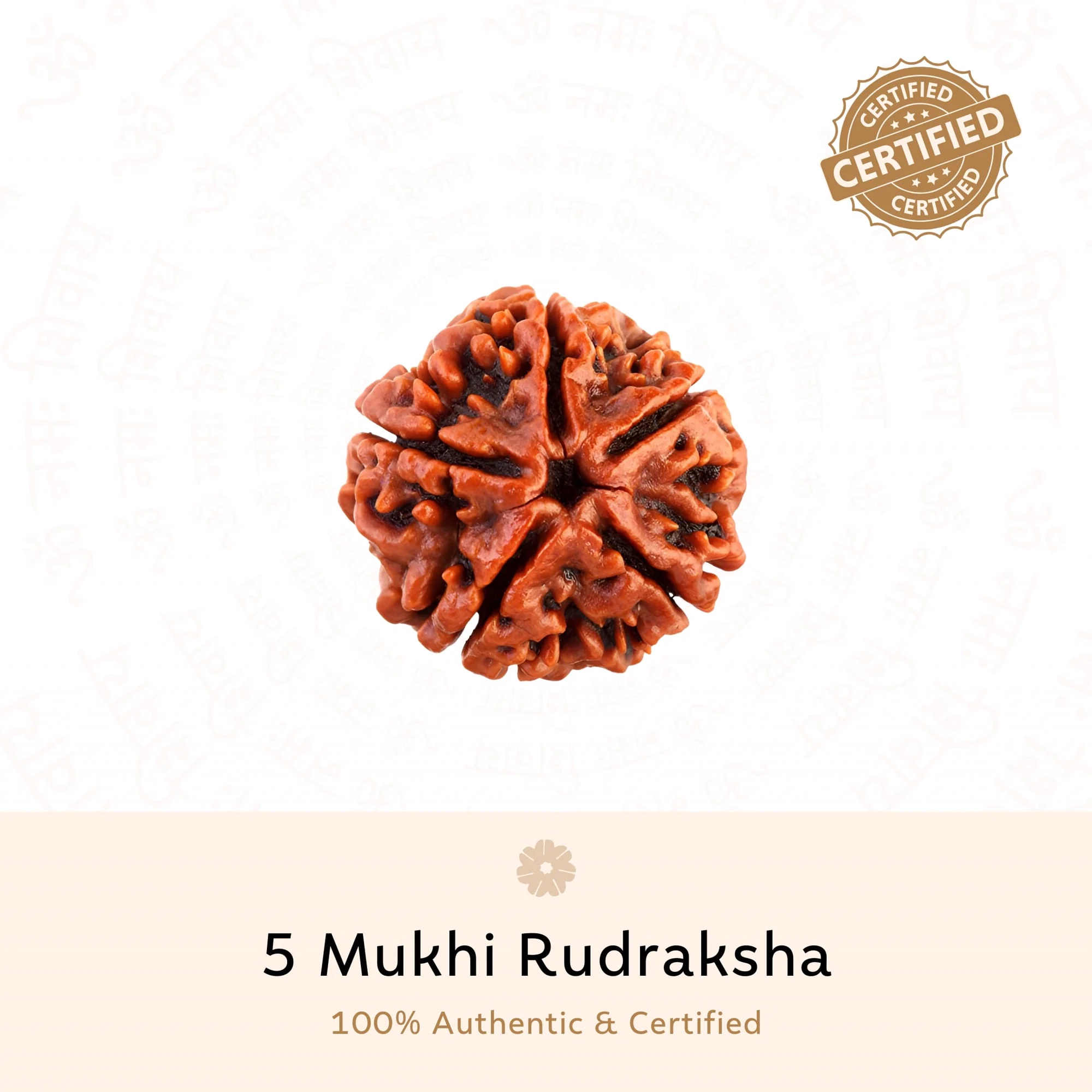
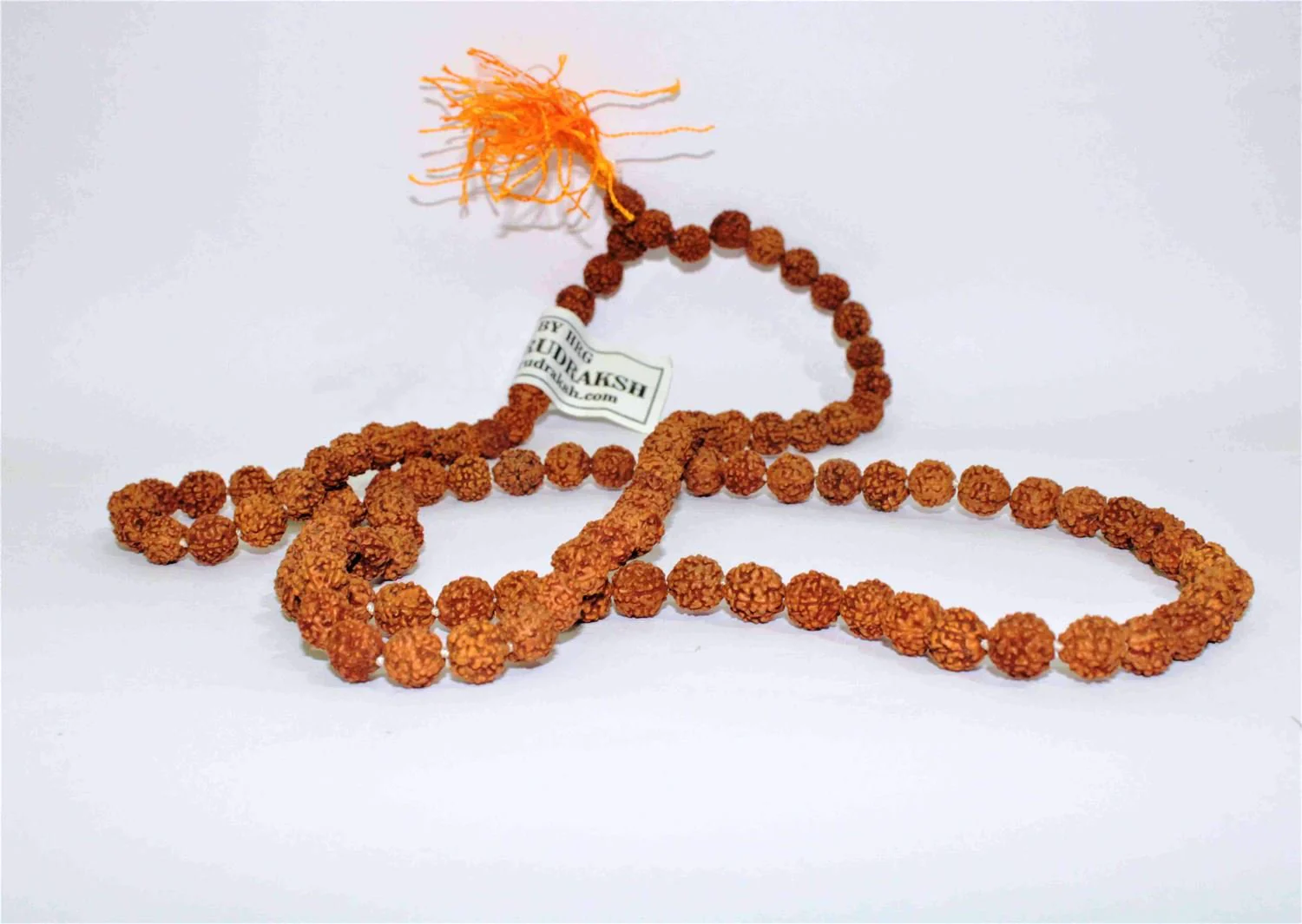
For many devotees, Shravan is also the month they begin wearing Rudraksha or start a japa practice. A lighter diet and a fixed daily routine make it easier to keep a mantra commitment such as 108 repetitions of Om Namah Shivaya every morning. A Rudraksha japa mala helps you count without distraction, and a 5 Mukhi bead — associated in tradition with Kalagni Rudra — is the most commonly recommended first Rudraksha for general wear.
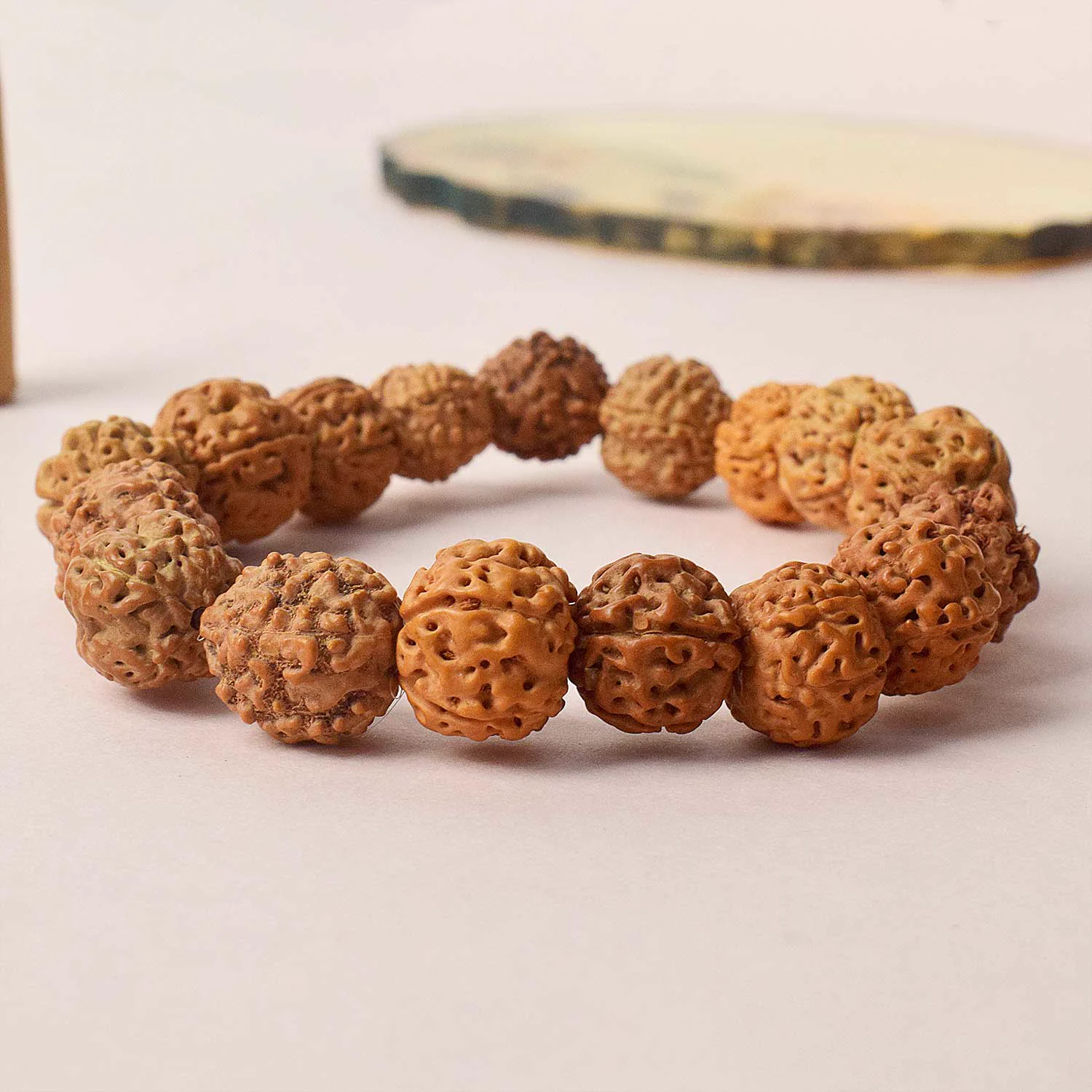
If you plan to wear a new bead in Shravan, many families choose a Monday morning, purify the bead with Gangajal or raw milk, offer it at the Shivling and then wear it while chanting. Read our Rudraksha wearing rules and energisation guide for a detailed method.

Common Mistakes to Avoid
- Fasting all day and then eating heavy fried sabudana vadas and sweets at night.
- Drinking several cups of tea to suppress hunger.
- Ignoring medical advice for the sake of a vrat.
- Treating rules as rigid while ignoring the inner purpose — calm, devotion and discipline.
Related Guides
Planning your Shravan practice? Read powerful Shiva mantras for Rudraksha japa, the Rudraksha japa mala guide, and Mahashivratri puja vidhi. Not sure which bead suits you? Try the free Rudraksha finder or book a free consultation.
Dosha-Wise Adjustments
Ayurveda does not prescribe one diet for everyone. If you know your dominant constitution, small adjustments help:
- Vata-dominant people (prone to dryness, gas, anxiety) benefit from warm, slightly oily food — ghee on khichdi, warm milk, cooked root vegetables — and should avoid long nirjala fasts.
- Pitta-dominant people (prone to acidity, irritability) should limit chilli, sour pickles and fried snacks; coconut water, lauki and moong suit them.
- Kapha-dominant people (prone to heaviness, congestion) do well with lighter meals, more ginger and black pepper, and fewer sweets and dairy.
When unsure, simply favour warm, freshly cooked, moderately spiced food and eat at regular times.
A Simple Weekly Shravan Routine
| Day | Practice suggestion |
|---|---|
| Monday | Somvar vrat or one simple meal; abhishek with water or milk; 108 Om Namah Shivaya |
| Tuesday | Light meals; Hanuman Chalisa if part of your family practice |
| Wednesday | Normal sattvic meals; read a Shiva stotra |
| Thursday | Light meals; charity of food or grain |
| Friday | Sattvic meals; Parvati or Devi worship |
| Saturday | Avoid heavy, oily food; Shani-related prayers if advised |
| Sunday | Rest, family puja and planning the week |
This is a gentle template, not a rule. Consistency over the month matters more than intensity on any one day.
Hydration and Monsoon Hygiene
Boil or filter drinking water, wash fruit thoroughly, avoid street food during heavy rain, and do not keep cooked food for long in humid weather. These ordinary precautions are the practical heart of many Shravan rules.
Breaking a Fast the Right Way
After a day of fasting, start with a glass of water, then fruit or a small bowl of khichdi. Wait twenty minutes before eating more. Heavy fried vrat snacks immediately after a long fast are the most common reason people feel unwell during Shravan.
Frequently Asked Questions
Frequently Asked Questions
Q.Why are green leafy vegetables avoided in Shravan?
Monsoon humidity encourages insects and contamination on leafy greens, and Ayurveda considers digestion weaker in this season. Many families therefore avoid saag and raw salads for the month and prefer well-cooked gourds instead.
Q.Can I eat curd during Shravan?
Traditional Ayurvedic advice discourages curd in the monsoon, especially at night, because it is considered heavy. Fresh buttermilk with roasted cumin during the day is the usual alternative. Some families do eat curd; follow your custom and your digestion.
Q.Is onion and garlic allowed in Shravan?
Many devotees avoid onion and garlic for the whole month or at least on Mondays because they are classed as rajasic/tamasic. It is a matter of personal and family practice rather than a universal rule.
Q.What can I eat during Shravan Somvar fast?
Common vrat foods include fruit, milk, sabudana, samak rice, kuttu or rajgira flour, potato, sweet potato, makhana, peanuts and sendha namak. Avoid regular salt, grains and pulses if your tradition requires a strict phalahar fast.
Q.Should diabetics fast during Shravan?
People with diabetes or other medical conditions should consult their doctor before fasting. A one-meal or fruit-based observance under medical guidance is often safer than a full fast.
Q.Is Shravan a good time to start wearing Rudraksha?
Yes, Shravan — especially a Monday — is traditionally considered one of the most auspicious times to start wearing Rudraksha or begin a mantra practice with a japa mala.