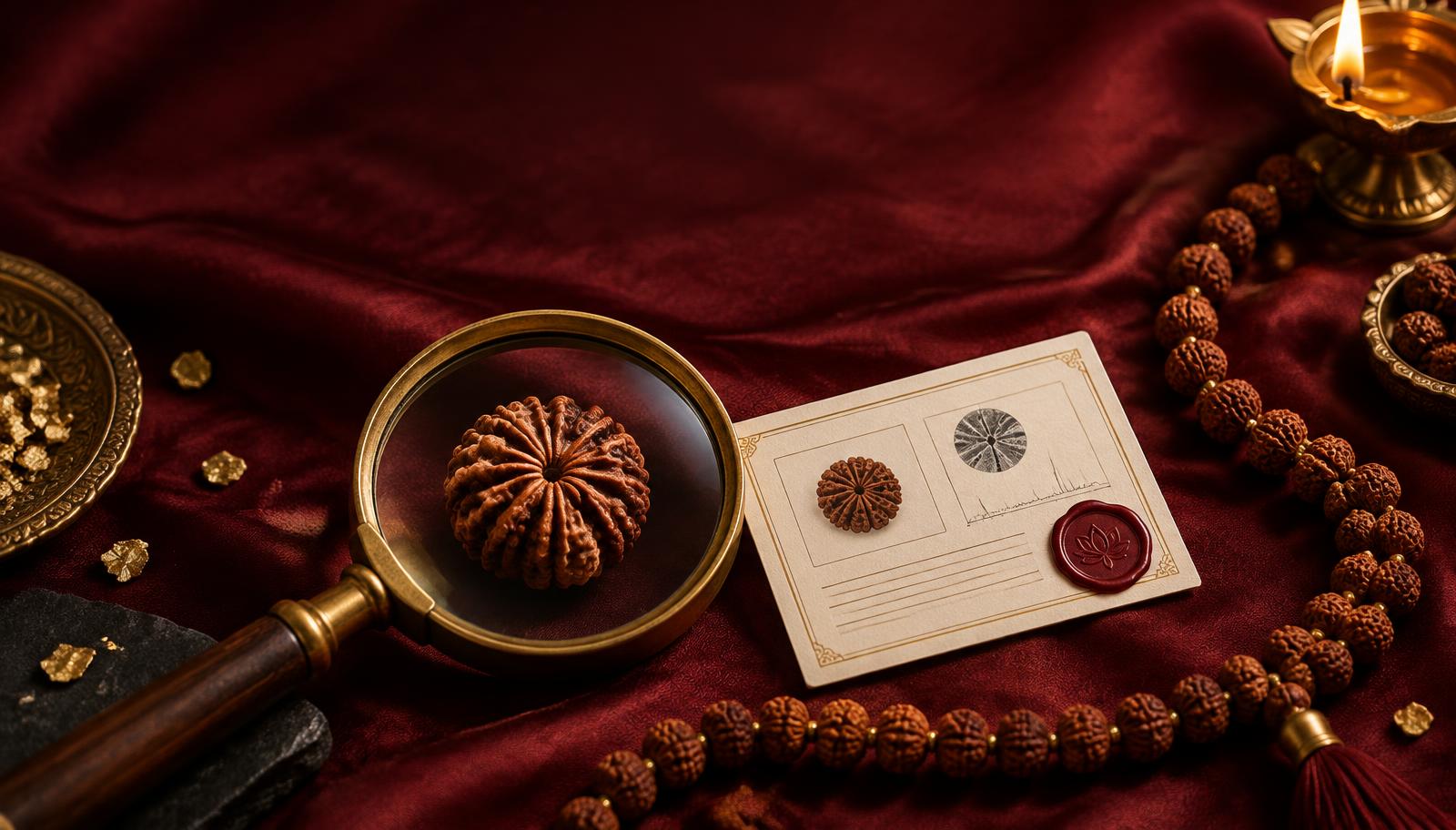
Best Rudraksha Brand in India: Where to Buy Original, Authentic & Certified Rudraksha?
A practical buyer's guide to finding a trusted Rudraksha seller in India — how to identify original beads, verify lab certificates, compare Nepali and Indonesian Rudraksha, and choose between a brand website and a marketplace.
Quick Answer: The best Rudraksha brand in India is one that discloses the origin of every bead (Nepali or Indonesian), shows clear photographs and sizes, offers laboratory certification where appropriate, lets you verify the certificate number, and answers your questions before you pay. This guide shows you exactly how to check any seller — and where Mauhurtika Rudraksha fits.
Why choosing the right Rudraksha brand matters
Demand for original Rudraksha in India has grown faster than ever. What was once bought in temple towns from a known shopkeeper is now searched for on a phone, compared across websites and ordered online. That convenience comes with a real risk: the market is full of listings that look identical but are not.
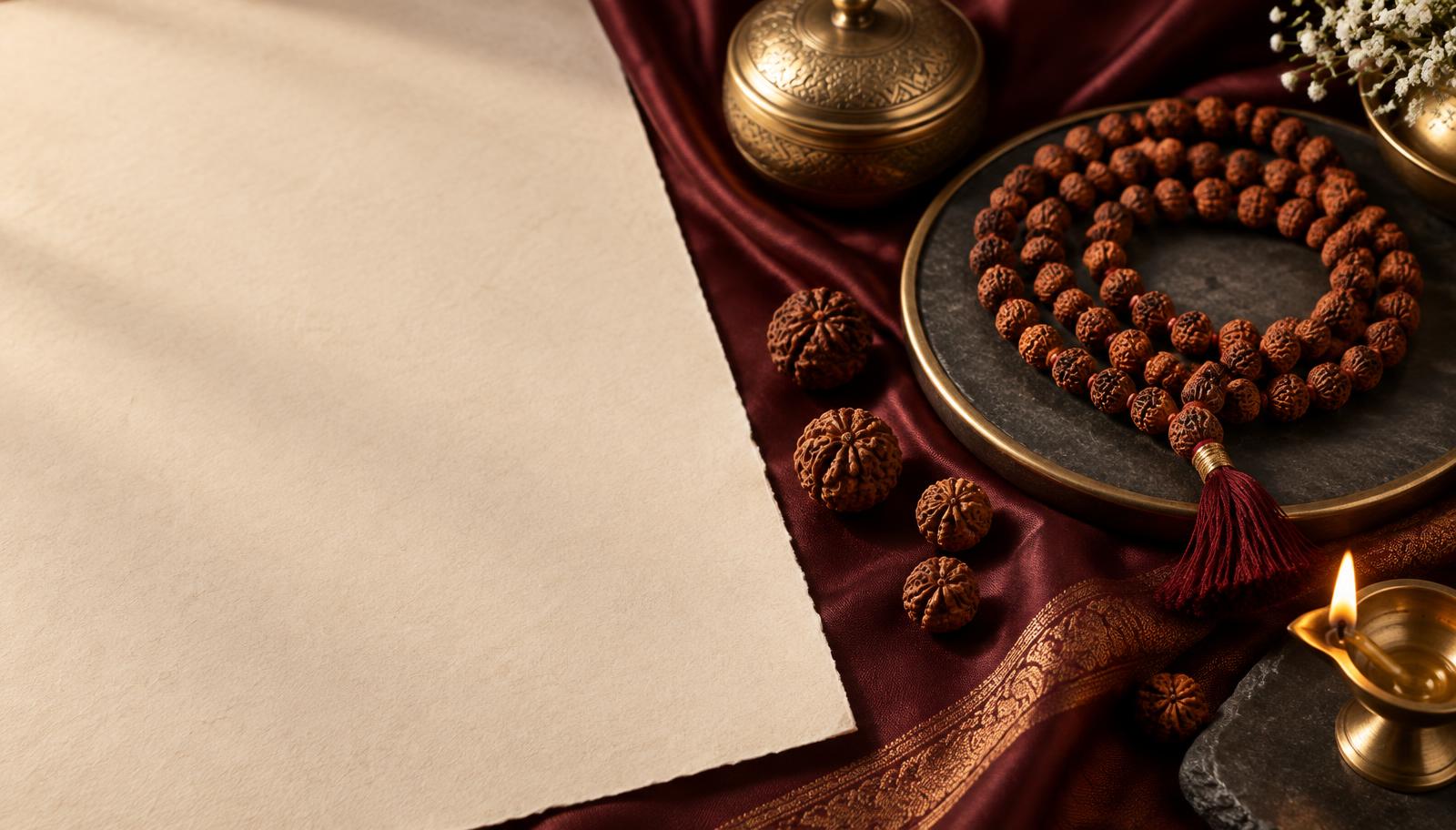
Buyers regularly encounter artificial grooves carved into plain beads to imitate a higher mukhi count, polished or treated beads sold as "premium", ordinary Indonesian beads described as rare Nepali ones, and certificates that cannot be verified with any laboratory. A genuine Rudraksha is a natural seed — its mukhi lines, internal compartments and texture are formed by nature, not by a machine. The brand you choose decides whether you receive a natural, correctly identified bead or a convincing imitation.
That is why the question is not only "where to buy Rudraksha in India" but "which seller can I hold accountable after I pay". The checks below work for any brand, including us.
What makes a Rudraksha brand trustworthy?
Before you buy original Rudraksha online from anyone, apply these eight checks:
- Natural sourcing. The brand should say plainly that its beads are natural Rudraksha seeds, not carved or re-formed material.
- Transparent origin. Every listing should state whether the bead is Nepali or Indonesian. Vague wording like "Himalayan" or "premium origin" is a warning sign.
- Mukhi verification. The mukhi count should be visible in the photographs and confirmed in the description.
- Independent laboratory testing where appropriate. For high-value beads, an X-ray report from a named lab is the strongest evidence.
- Individual product identification. For expensive beads, the bead in the photograph should be the bead that ships to you.
- A certificate number you can verify. A genuine report carries a number you can check with the issuing laboratory.
- Clear photographs, dimensions and pricing. You should see actual size in millimetres, weight where relevant, and the full price before checkout.
- A written return and authenticity policy. A trusted Rudraksha seller in India puts its policy in writing, not just in a phone call.
How to identify an original Rudraksha
You can do several checks yourself before and after buying:
- Count the mukhi lines. Each mukhi is a natural cleft running from the top of the bead to the bottom. On an original bead the lines are uneven and organic; carved lines look suspiciously perfect and often stop partway.
- Look at the surface. Natural Rudraksha has an irregular, textured surface. A bead that looks machine-polished or uniformly glossy may have been treated.
- Ignore the water test myth. Whether a bead sinks or floats proves nothing about authenticity — density varies naturally. Do not let a seller use this as "proof".
- Ask for an X-ray report on expensive beads. An X-ray shows the internal compartments, which should match the mukhi count. For beads like an original 14 Mukhi, this is the most reliable check available.
Certificates and lab testing: what a real report looks like
A genuine Rudraksha certificate should name the laboratory, carry a unique report number, and state the bead's mukhi count, weight and dimensions — ideally with a photograph of the exact bead tested. The most important part is verification: you should be able to contact the laboratory or enter the report number on its website and see the same details.
A certificate that cannot be verified is just paper. Before paying for a certified Rudraksha, ask the seller two questions: which laboratory issued the report, and how can you verify the number? A trustworthy seller answers both immediately.
Nepali vs Indonesian Rudraksha: an honest comparison
| Point | Nepali Rudraksha | Indonesian (Java) Rudraksha |
|---|---|---|
| Typical size | Larger, usually 15–25 mm+ | Smaller, often 6–14 mm |
| Surface | Deep, well-defined mukhi lines | Finer, shallower lines |
| Price range | Higher, especially for rare mukhi | More affordable |
| Common use | Single beads, pendants, collector pieces | 108+1 japa malas, daily wear |
| Best for | Buyers wanting a statement bead | Buyers wanting a full mala or budget start |
Neither origin is "fake" — both are genuine Rudraksha. What matters is that the seller tells you honestly which one you are buying and prices it accordingly. An Indonesian bead sold at a Nepali price is the dishonesty to avoid.
Comparing Rudraksha sellers in India
There is no official ranking of the best Rudraksha website in India, and any article that declares one brand "No. 1" without evidence should be read carefully. What you can compare objectively is the type of seller:
| What to check | Specialist D2C brand | Marketplace listing | Local temple-town shop |
|---|---|---|---|
| Authenticity information | Detailed, written by the brand | Varies by individual seller | Verbal, depends on shopkeeper |
| Lab certification | Available on request for premium beads | Rarely verifiable | Sometimes offered, hard to verify |
| Certificate verification | Report number you can check | Usually not provided | Usually not provided |
| Pre-purchase questions | Direct WhatsApp or phone support | Through marketplace messaging | In person only |
| Return policy | Written, on the website | Marketplace policy applies | Often none in writing |
| Price transparency | Full price shown with size and origin | Price shown, details vary | Negotiated in person |
Each channel can work — the difference is how much verifiable information you receive before you pay.
Where Mauhurtika Rudraksha fits
Mauhurtika Rudraksha is an Indore-based Indian D2C brand, operated by Medhaavi Innovation Private Limited, selling genuine Nepali and Indonesian Rudraksha beads, malas, bracelets and pendants. You can buy directly on mauhurtikarudraksha.com or through the official Mauhurtika store on Amazon India — the same brand and product range, two convenient ways to buy.
We invite you to apply every check in this article to us: ask us the origin of any bead, request size and weight details, ask your questions on WhatsApp before you pay, and read our published policies. A brand that welcomes verification is a brand worth trusting.
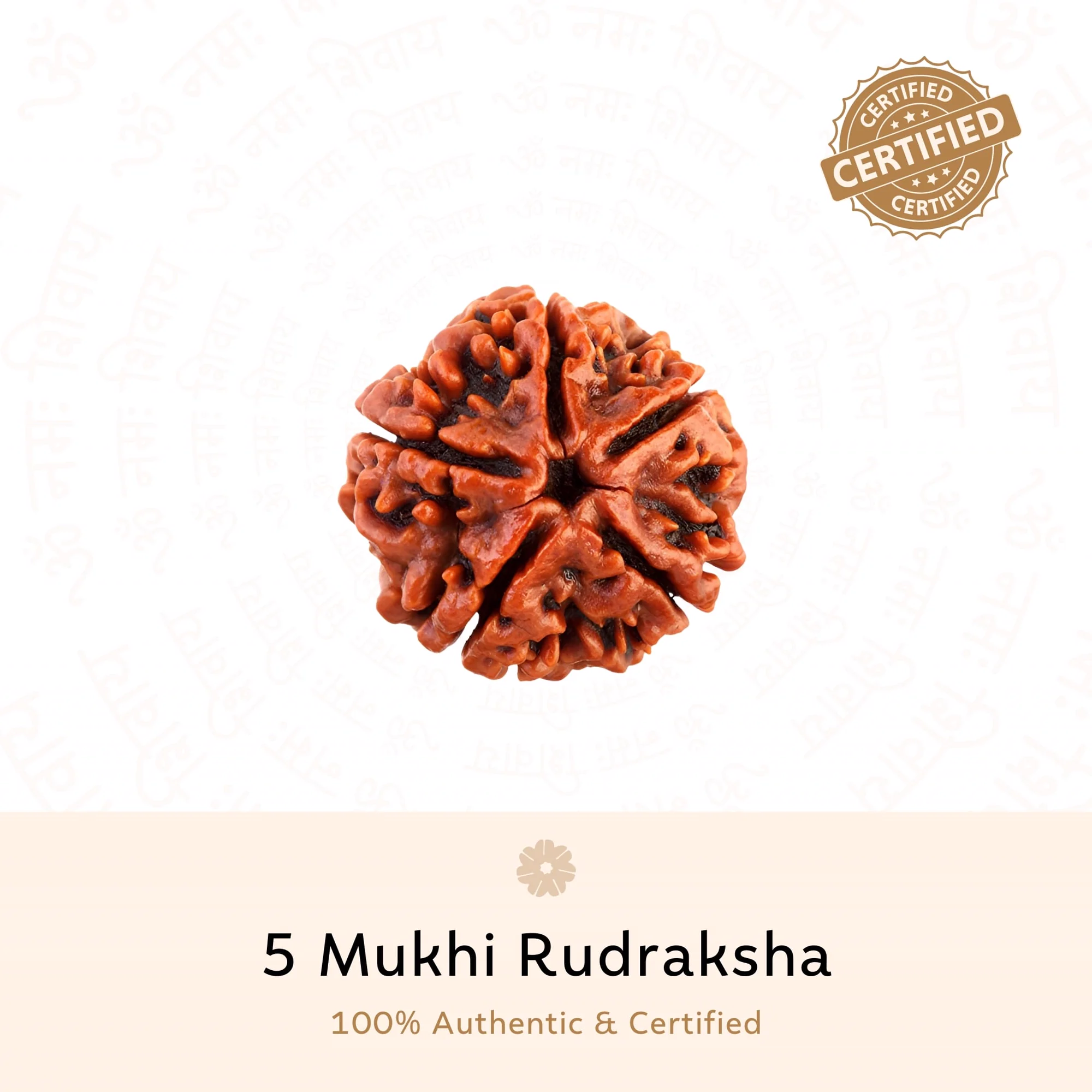
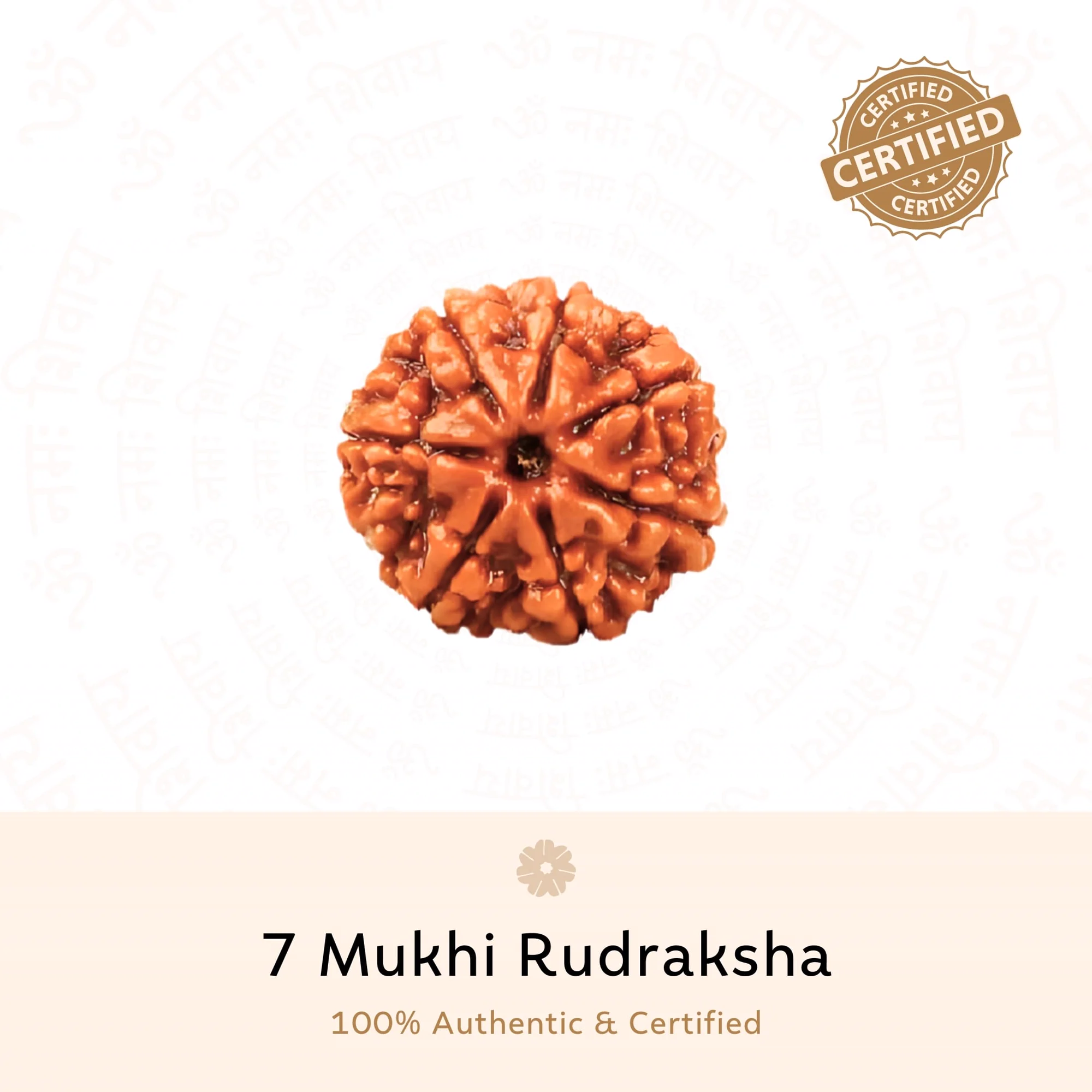
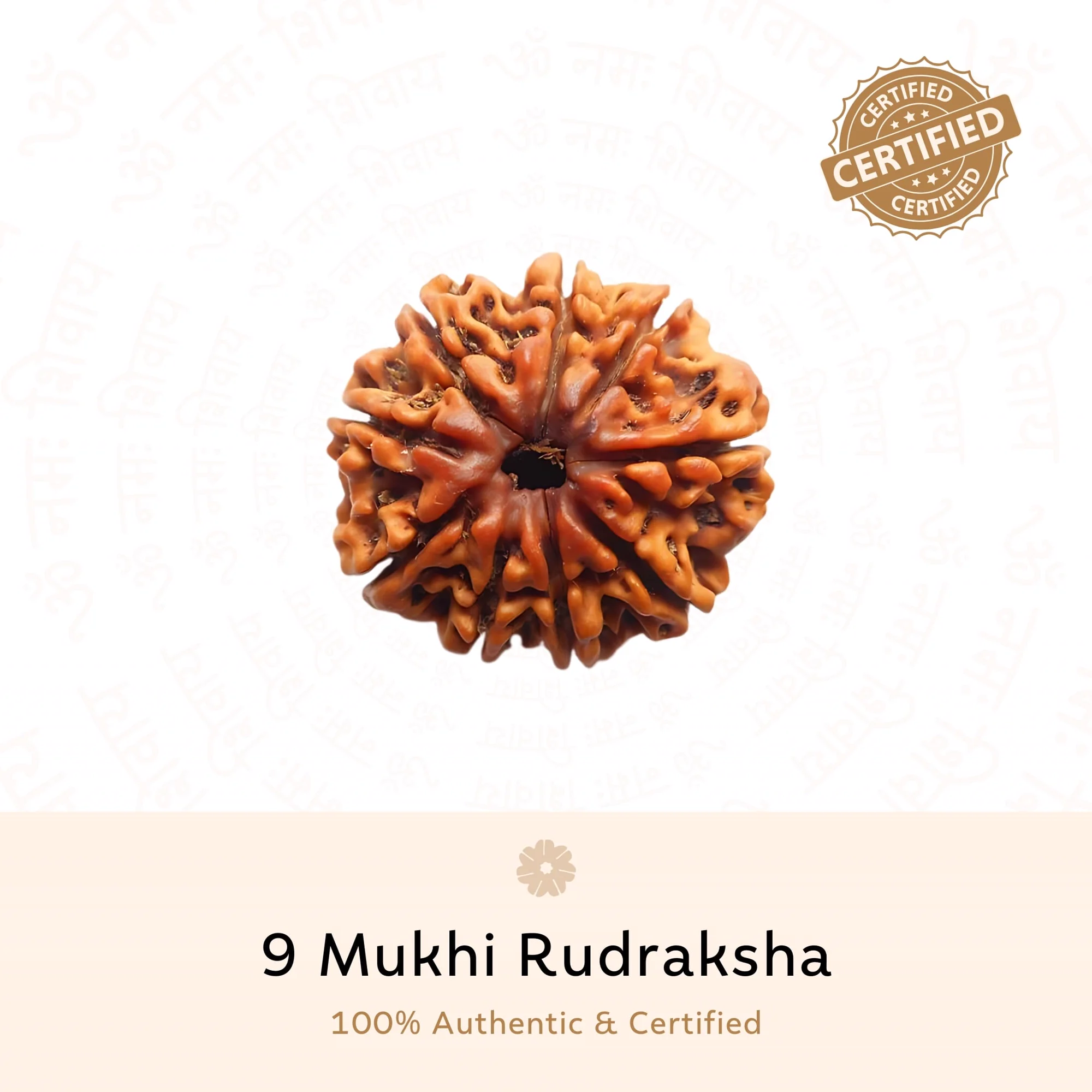
Popular beads buyers ask about
- Original 5 Mukhi Rudraksha — the most widely worn bead, associated with peace and daily wear. Nepali 5 Mukhi beads are the most common starting point for new buyers.
- 7 Mukhi Rudraksha with certificate — associated with prosperity; mid-range in price, so certification is worth requesting.
- 9 Mukhi Rudraksha original — a higher-value Nepali bead where origin disclosure and clear photographs matter most.
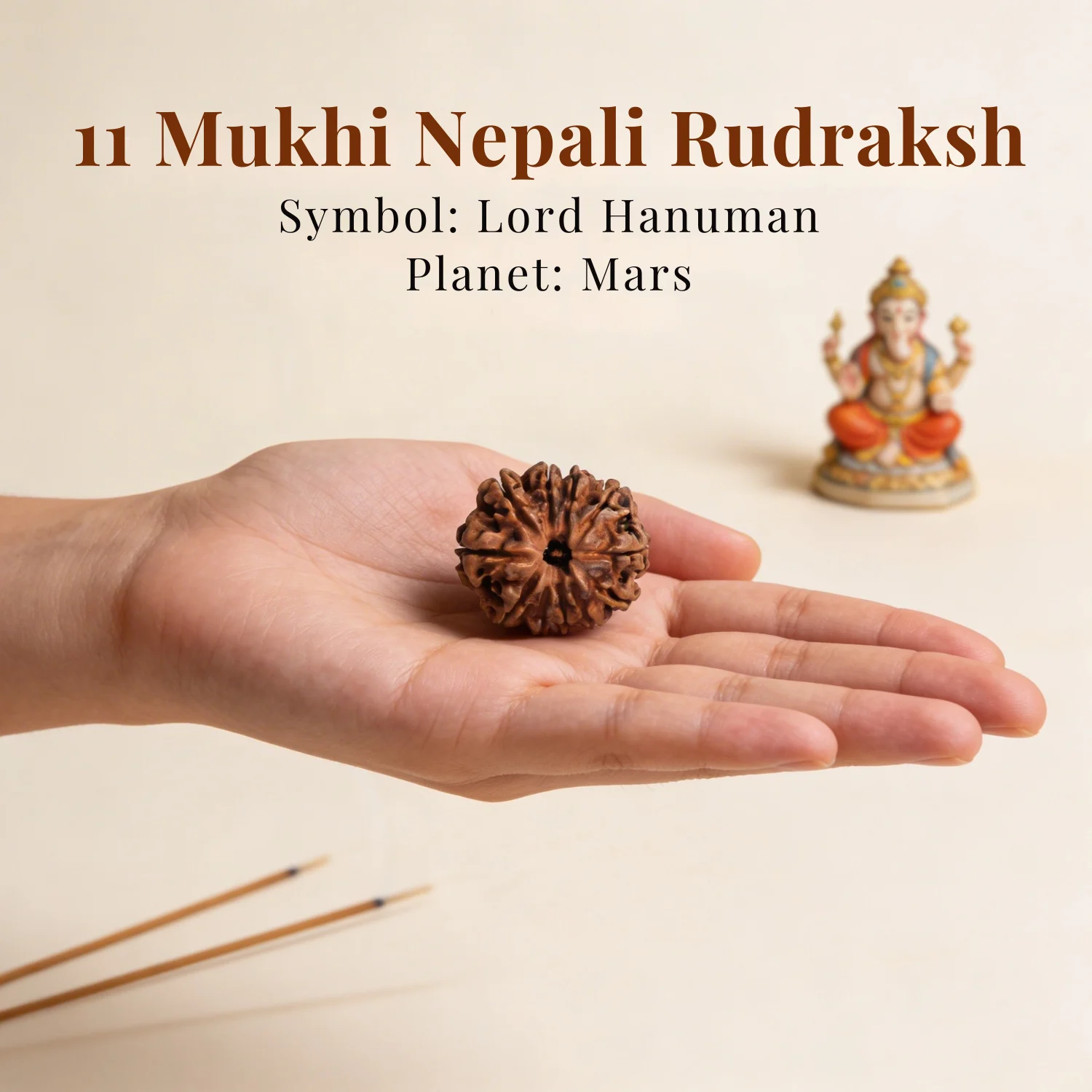
- 11 Mukhi and 14 Mukhi Rudraksha original — premium beads where you should always ask for an X-ray or laboratory report and verify the report number before paying.
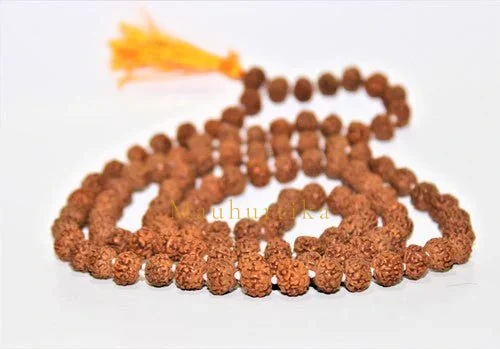
- Rudraksha mala online — 108+1 bead malas are usually Indonesian Java beads; check bead size and knotting quality.
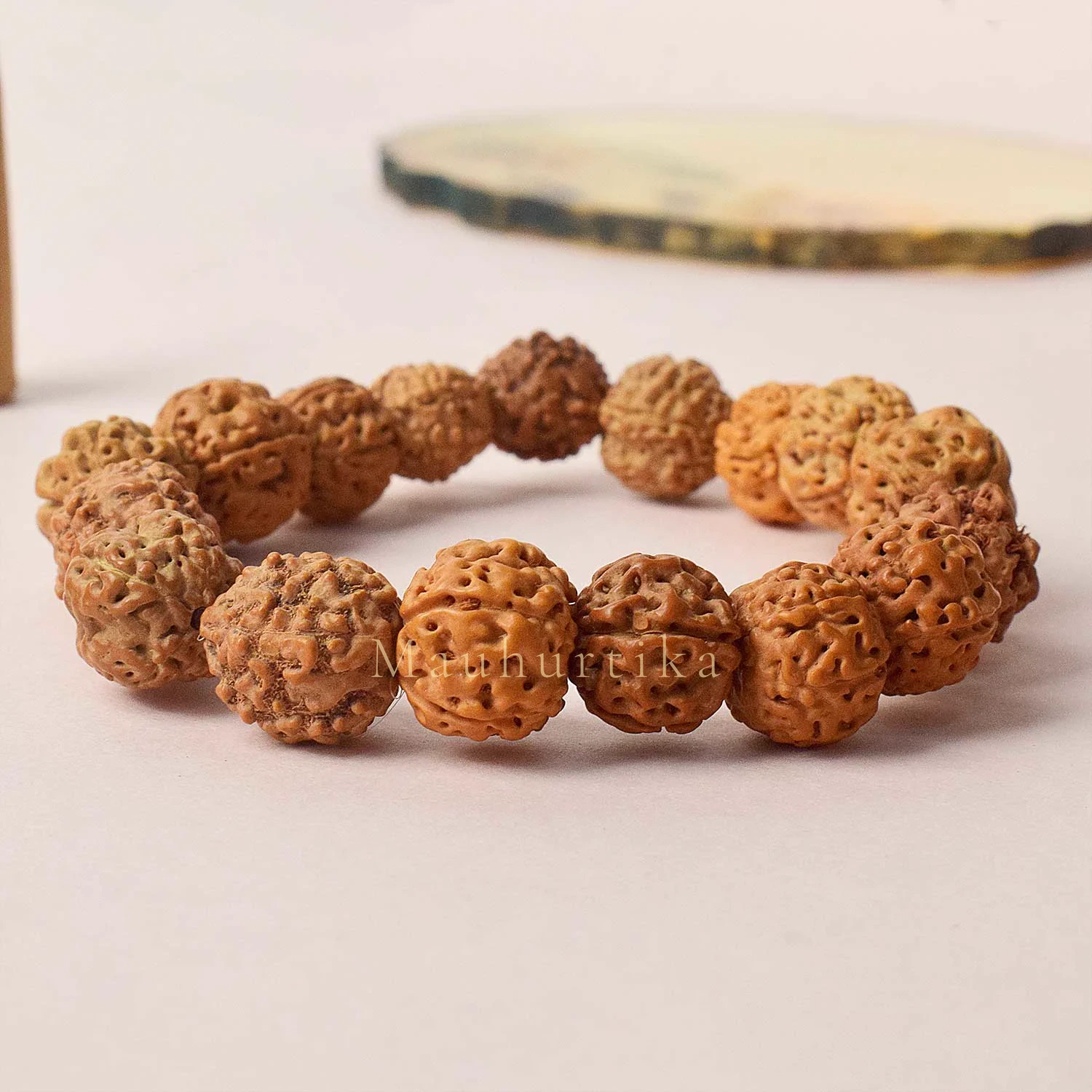
- Original Rudraksha bracelet — a convenient daily-wear option; confirm the beads are natural and not reconstituted material.
Final checklist before you buy
- Origin (Nepali or Indonesian) stated clearly
- Mukhi count visible in real photographs
- Size in millimetres and full price shown
- Certificate with a verifiable report number for premium beads
- Written return and authenticity policy
- A way to speak to the seller before paying
Frequently Asked Questions
Q.Which is the best Rudraksha brand in India?
There is no official ranking. The best brand for you is one that discloses origin, shows real photographs and sizes, offers verifiable certification on premium beads, and answers your questions before you pay. Apply the eight checks in this guide to any seller, including Mauhurtika.
Q.Where can I buy original Rudraksha online?
Buy from a specialist brand website or its official marketplace store — for example mauhurtikarudraksha.com or the official Mauhurtika store on Amazon India. Avoid anonymous listings with no origin details or verifiable business information.
Q.How can I identify authentic Rudraksha?
Count the natural mukhi clefts from top to bottom, check the surface is naturally textured rather than machine-perfect, ignore the sinking water test, and for expensive beads ask for an X-ray report showing internal compartments matching the mukhi count.
Q.Does original Rudraksha come with a laboratory certificate?
Reputable sellers offer laboratory certification on premium beads. The certificate should name the lab, carry a unique report number, and state the mukhi count, weight and dimensions of the exact bead tested.
Q.How can I verify a Rudraksha certificate?
Ask the seller which laboratory issued the report, then contact that laboratory or enter the report number on its website. The details returned should match your bead. A certificate that cannot be verified should not be trusted.
Q.What is the difference between Nepali and Indonesian Rudraksha?
Nepali beads are larger with deeper mukhi lines and higher prices, suited to single beads and pendants. Indonesian (Java) beads are smaller and more affordable, ideal for 108+1 japa malas. Both are genuine Rudraksha — what matters is honest disclosure of which one you are buying.