Chhath Puja 2026: Four-Day Dates, Arghya Timing and Puja Guide
Plan Chhath Puja 2026 from 13–16 November: Nahay Khay, Kharna, evening and morning arghya, local timing guidance and safe preparation.
2026 dates: Nahay Khay is Friday 13 November; Kharna is Saturday 14 November; Sandhya Arghya is Sunday 15 November; Usha Arghya and parana are Monday 16 November. Arghya follows your local sunset and sunrise—not one nationwide clock time. Confirm the calendar and ghat arrangements for your location.
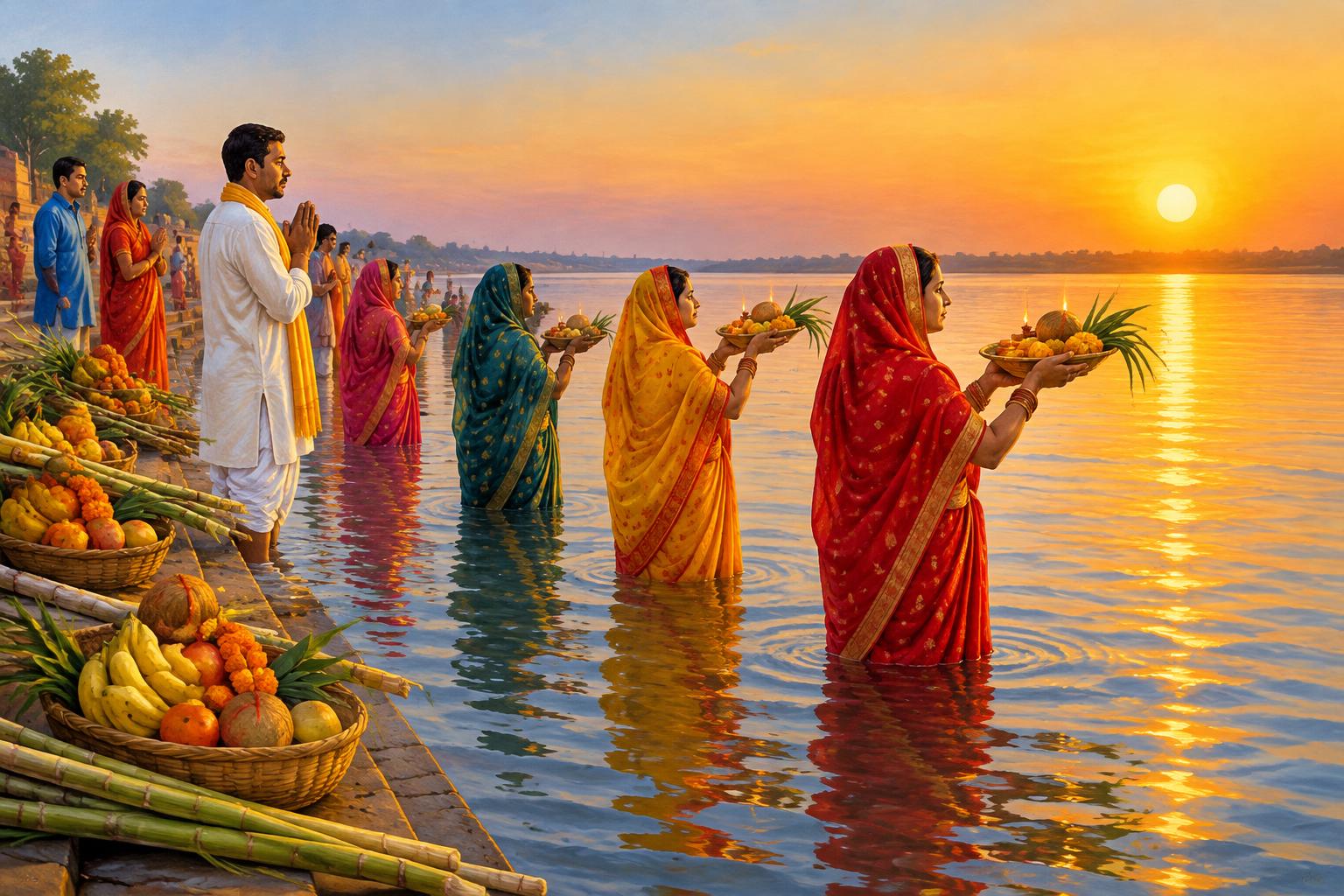
Chhath Puja is a four-day observance honouring Surya, the Sun, and Chhathi Maiya. It is especially important in Bihar, Jharkhand, eastern Uttar Pradesh and parts of Nepal, while migrant communities observe it across India and abroad. The festival combines gratitude, disciplined preparation and shared work: families clean, cook, arrange offerings and support the person undertaking the vrat.
Chhath Puja 2026 calendar at a glance
| Date | Day | Observance | Main preparation |
|---|---|---|---|
| 13 November 2026 | Friday | Nahay Khay | Cleanliness and a simple meal |
| 14 November 2026 | Saturday | Lohanda and Kharna | Evening offering and prasad |
| 15 November 2026 | Sunday | Sandhya Arghya | Offering to the setting Sun |
| 16 November 2026 | Monday | Usha Arghya and parana | Offering to the rising Sun and concluding the fast |
These are the four dates shown in the Drik Panchang 2026 Chhath calendar. The evening arghya on 15 November is the principal Chhath observance; the sequence concludes the next morning. Keep all four days in your travel and household plan rather than treating the festival as a single evening event.
Why both sunset and sunrise matter
Offering arghya to the setting Sun and then to the rising Sun gives the festival a distinctive rhythm. Devotees express reverence across the daily solar cycle rather than only greeting the morning. Chhathi Maiya is honoured within the festival's living traditions, and devotional explanations of her identity vary by community.
Gratitude, family well-being and reverence for the sustaining natural world are central themes. These are religious meanings, not promises that the ritual prevents illness or guarantees a child's health. Respecting the festival includes respecting the safety of the person keeping the vrat.
Muhurat: use the correct city, not a copied time
Sunset and sunrise differ between Patna, Delhi, Indore, Mumbai and overseas locations. A time copied from a page set to another city may be wrong for your ghat. Before using a Panchang, check the year, city, time zone and the date of the specific arghya.
For 2026, look up sunset on 15 November for Sandhya Arghya and sunrise on 16 November for Usha Arghya. A general Chhath page may show sunrise for the main festival day instead of the final morning; those are not interchangeable. This guide intentionally does not invent a universal minute-by-minute muhurat.
Day 1: Nahay Khay
The first day establishes cleanliness and a simple food routine. Households commonly prepare a vegetarian meal, often featuring rice, dal and bottle gourd according to regional custom. Family methods differ, so follow the practice of the person who is guiding your vrat rather than assuming one online recipe is mandatory everywhere.
Clean the cooking space and serving utensils in advance. Keep fresh ingredients separate from waste and avoid leaving cooked food exposed. If you are helping, ask what the household needs before changing an established arrangement. Practical cooperation is a meaningful part of the observance.
Day 2: Kharna or Lohanda
Kharna commonly includes a day of fasting followed by an evening offering and prasad. Jaggery-based kheer and roti are familiar in many households, but exact preparations vary. The more demanding fast associated with the next stage begins after this evening observance.
The person undertaking the vrat should not be pressured to continue if unwell. Long fasting without water can cause harm, especially in people with diabetes, kidney disease, pregnancy or other medical needs. Seek individual medical advice before undertaking a demanding fast, and prioritise care over social pressure.
Day 3: Sandhya Arghya
Families arrange offerings such as fruit, coconut, sugarcane and thekua in baskets or soop according to their custom. They go to an organised ghat or suitable local arrangement before sunset. The vrat holder offers arghya facing the setting Sun while the family supports the ritual and manages belongings.
Use authorised access points and follow volunteers' instructions. Do not enter deep water for the sake of a photograph. Slippery steps, strong currents and dense crowds are real hazards even at a sacred event. Keep children accompanied and arrange a meeting point in case family members become separated.
Day 4: Usha Arghya and parana
The final morning's offering honours the rising Sun. Families often return before dawn, so plan lighting, transport and warm clothing where needed. The observance concludes with parana, the breaking of the fast, according to household or priestly guidance.
Someone ending a prolonged fast should not be urged to eat an excessive meal immediately. If faintness, confusion, chest discomfort or other concerning symptoms occur, seek medical assistance rather than interpreting them as a normal spiritual test. Helpers should know where first aid is available.
A useful household preparation list
- Confirm the four dates and the correct local sunrise and sunset information.
- Ask the vrat holder which offerings and utensils their family tradition uses.
- Buy fresh ingredients and prepare food in clean conditions.
- Check official ghat access, crowd guidance and available facilities.
- Arrange safe transport for the evening and early morning journeys.
- Carry essentials for children and accompanying relatives, with individual medical needs in mind.
- Avoid plastic waste and leave the water and steps clean after worship.
Can Chhath be observed away from a river?
Communities outside the festival's traditional regions often organise approved local facilities. Follow the arrangements of a trusted local organiser and avoid improvised water structures that create an electrical, drowning or sanitation risk. A distant home address does not make gratitude less sincere.
If you cannot undertake the full vrat, you can still help prepare food, support relatives, sing devotional songs or participate in appropriate ways. Do not equate physical endurance with the worth of a devotee. The festival is also a community of care.
Rudraksha and Chhath: an optional connection, not a requirement
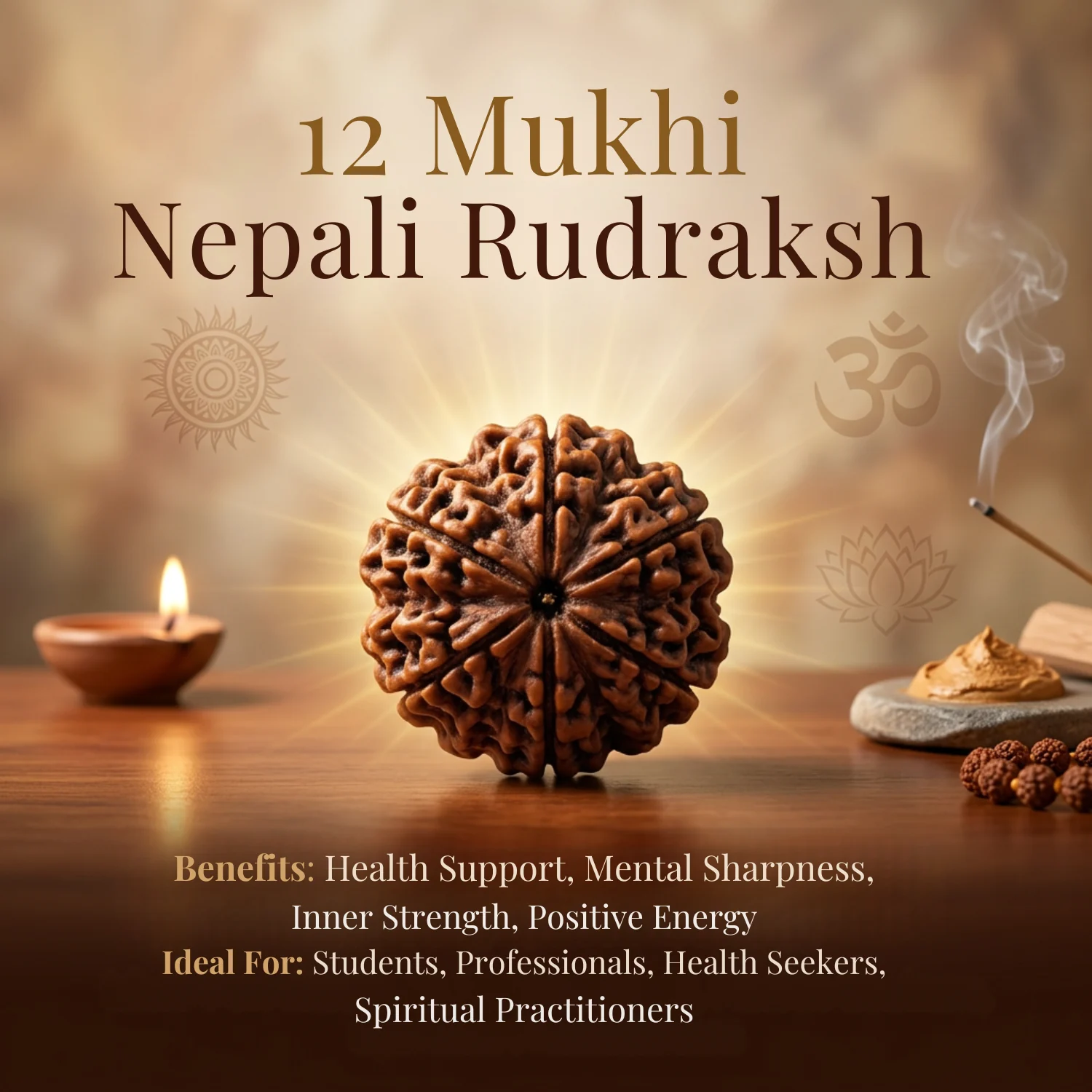
Chhath does not require buying Rudraksha. Some devotees who already use a mala include personal prayer in their broader routine, and modern astrological traditions sometimes connect 12 Mukhi with Surya. That association does not make a 12 Mukhi bead necessary for arghya or a substitute for the actual observance.
If you are independently exploring a Sun-associated devotional bead, these are real catalogue items with current prices and photographs. They are not sold as a condition of receiving Chhath blessings.
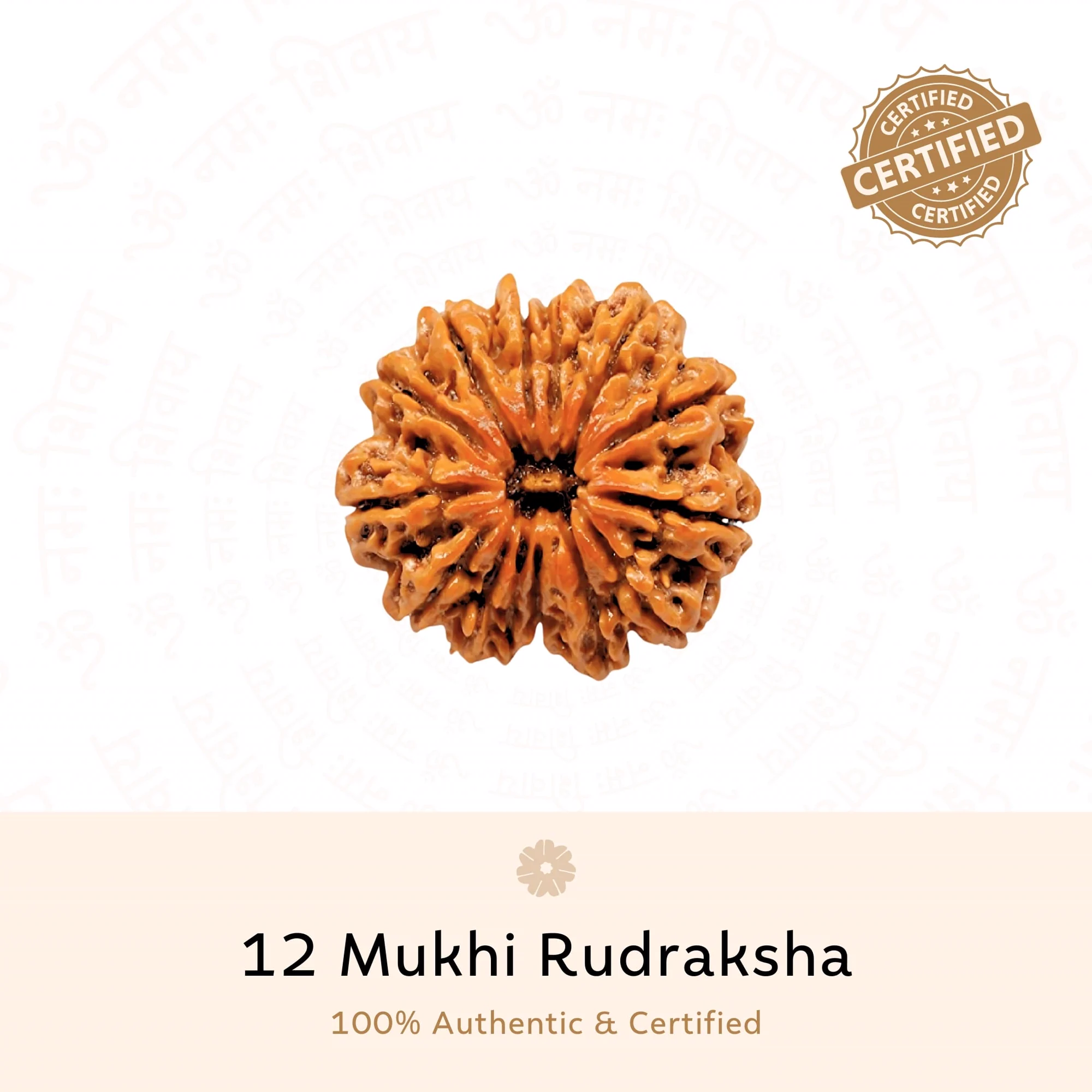
Read the numerology and Rudraksha guide for context on modern planetary associations, or visit our free tools separately from your festival preparation.
Calendar sources
The dates are cross-checked against the Drik Panchang four-day Chhath calendar and Chhath Puja date page. Select your own city before reading solar times. Follow current local-authority notices for ghat operations and safety.
Frequently Asked Questions
Q.When is Chhath Puja in 2026?
The four-day sequence runs from 13 to 16 November 2026. Sandhya Arghya is on Sunday 15 November and Usha Arghya is on Monday 16 November.
Q.What are the 2026 Nahay Khay and Kharna dates?
Nahay Khay is Friday 13 November 2026 and Kharna is Saturday 14 November 2026.
Q.Is there one arghya time for all India?
No. Use local sunset on 15 November and local sunrise on 16 November for your city, checking the calendar location and time zone.
Q.Is Rudraksha required for Chhath?
No. A bead or mala is optional personal devotional equipment and is not a requirement for the festival.
Q.Should everyone undertake the waterless fast?
No. Prolonged fasting without water can be unsafe. Obtain individual medical advice and never pressure someone to continue when unwell.