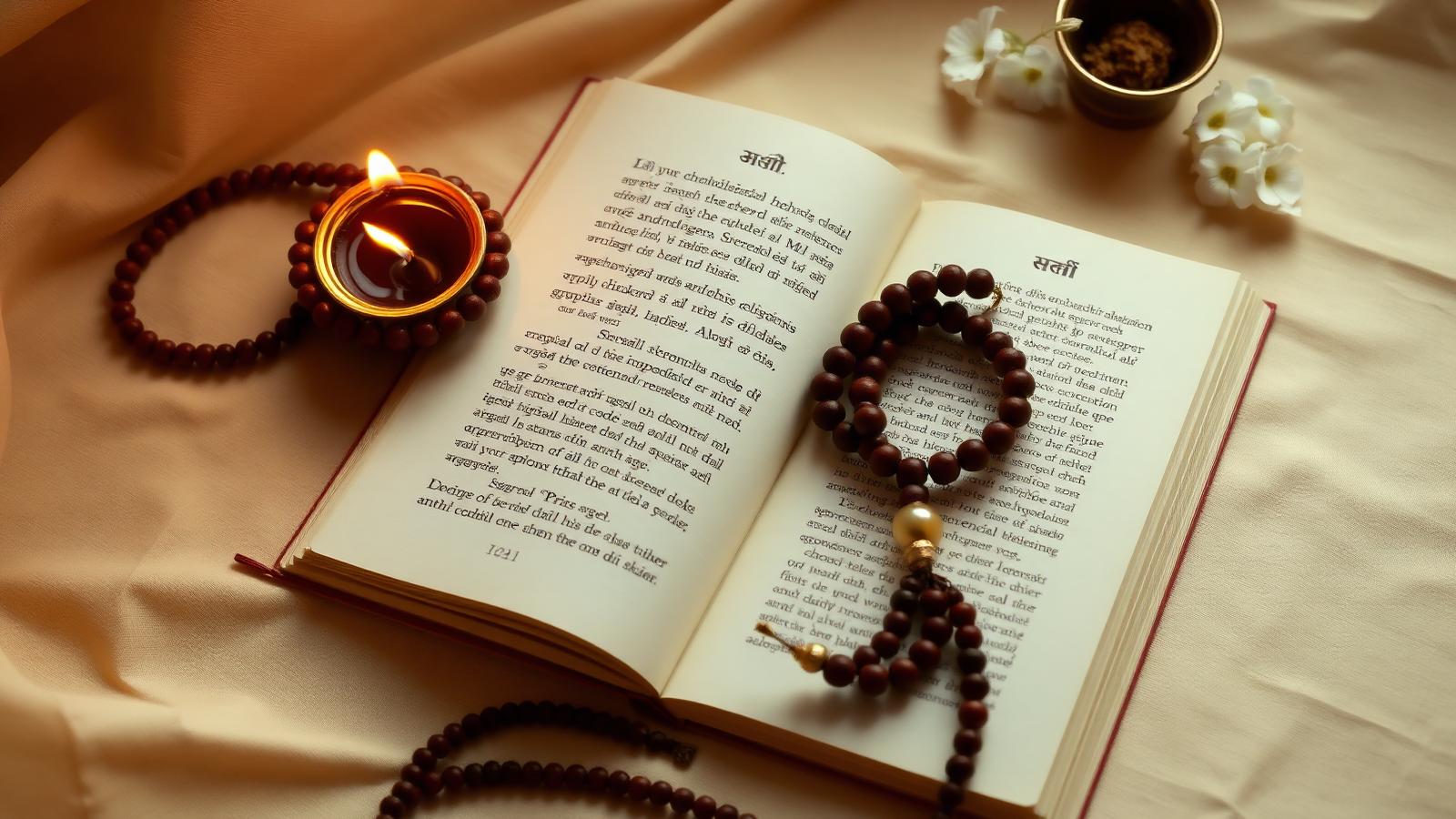
Kanakadhara Stotram: Meaning, Story, Benefits and How to Chant It for Lakshmi's Grace
Composed by Adi Shankaracharya as a boy, the Kanakadhara Stotram is one of the most loved hymns to Goddess Lakshmi. Learn its story, meaning and a simple way to chant it.
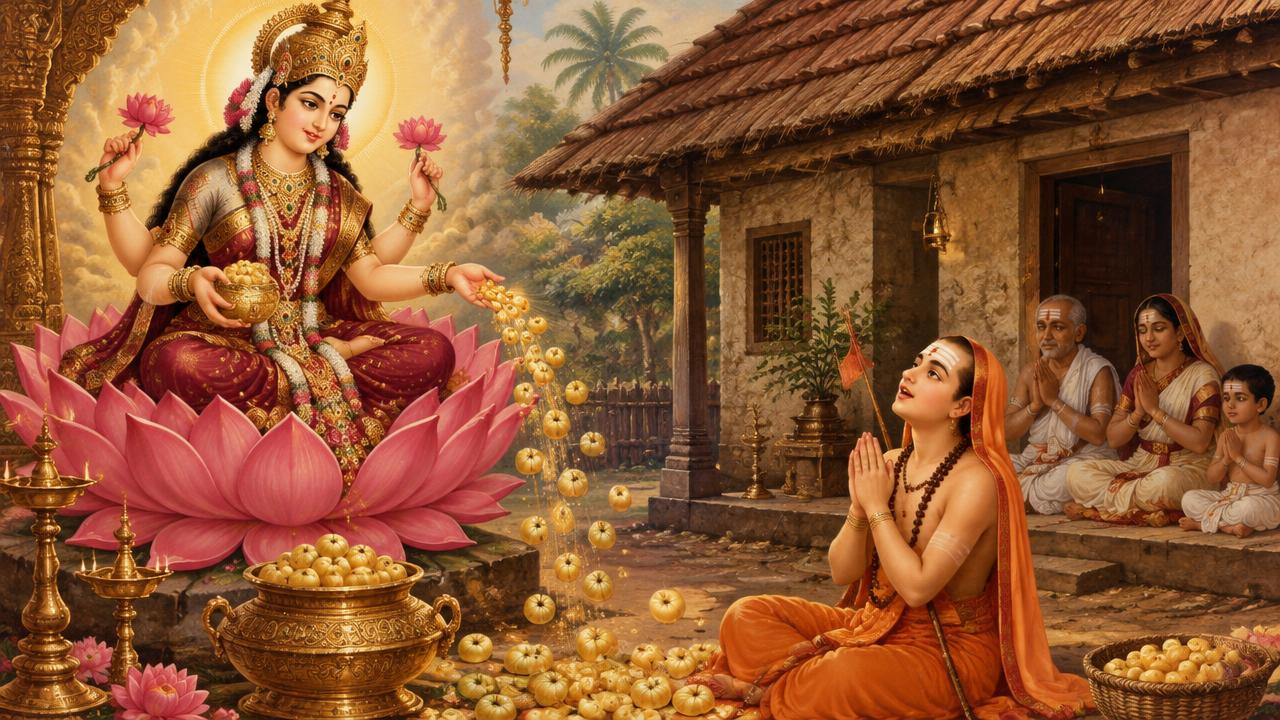
Quick answer: The Kanakadhara Stotram is a Sanskrit hymn of about 21 verses (versions range from 18 to 22) addressed to Goddess Mahalakshmi. Tradition credits it to the young Adi Shankaracharya, who sang it for a poor woman who had given him her only amla fruit as alms. Lakshmi is said to have responded with a shower of golden amlas — *kanaka* means gold and *dhara* means stream.
Few hymns have a story as tender as the Kanakadhara Stotram. It is not a prayer for one's own wealth; it began as a prayer for someone else's relief. That spirit — compassion before prosperity — is the real key to understanding and chanting it.
The Story Behind the Kanakadhara Stotram
As a young brahmachari in Kerala, Shankara went from house to house for bhiksha, as students traditionally did. At one home he found a very poor Brahmin woman with nothing to give. Unwilling to send a student away empty-handed, she searched the house and found a single dried amla (Indian gooseberry), which she offered with deep embarrassment.
Moved by her generosity, Shankara began to sing verses praising Goddess Lakshmi and asking her to look upon this family with her compassionate glance. When Lakshmi replied that the family's past karma did not allow wealth, Shankara pleaded that her mercy is greater than karma. According to the legend, a shower of golden amlas fell upon the house. The site is traditionally identified near Kalady, Shankara's birthplace, where the household is still remembered.
Meaning of the Kanakadhara Stotram — Verse Themes in English
The hymn is poetic and layered. Rather than reproduce full lyrics, here is a faithful summary of its main movements so you understand what you are chanting.
Verses 1–3: Lakshmi's glance on Vishnu
The opening verse begins “Angam Hareh Pulaka Bhushanam Ashrayanti…”. Lakshmi's glance is compared to a female bee drawn to the dark tamala tree — Vishnu's body, which thrills with joy under her gaze. The poet asks that this same auspicious glance fall on the devotee. The next verses continue the image: her eyes move shyly back and forth over Vishnu's face like a bee around a blue lotus.
Verses 4–8: The power of her compassion
These verses describe Lakshmi's half-closed, loving eyes and the bliss they give even to Vishnu. Her glance is described as a dark rain cloud that pours compassion, cooling the heat of poverty and suffering. The devotee asks her to rain this mercy upon a thirsty bird — the soul longing for grace.
Verses 9–16: Salutations to Lakshmi's many forms
The poet salutes Lakshmi as the consort of Vishnu, the daughter of the ocean of milk, the sister of the moon, the one seated on the lotus, the power behind creation, protection and dissolution, and as Saraswati, Gauri and Shakti in her different aspects. Each line ends with *namostu* — “salutations to you”.
Verses 17–21: Prayer and phala shruti
The concluding verses ask for her grace, describe her bathed by celestial elephants with golden pots, and close with the *phala shruti*: those who recite these verses daily become worthy of fortune and the respect of the wise.
Benefits of Chanting Kanakadhara Stotram (As Described in Tradition)
- Devotees chant it to invite Lakshmi's grace for the household, especially during financial stress.
- It cultivates gratitude and generosity, the qualities the original story celebrates.
- Regular chanting builds a calm, focused evening routine.
- It is popular on Fridays, Diwali, Dhanteras, Sharad Purnima and Akshaya Tritiya.
These are traditional and devotional benefits. A stotra is not a financial plan, and honest work and wise decisions remain essential.
How to Chant the Kanakadhara Stotram
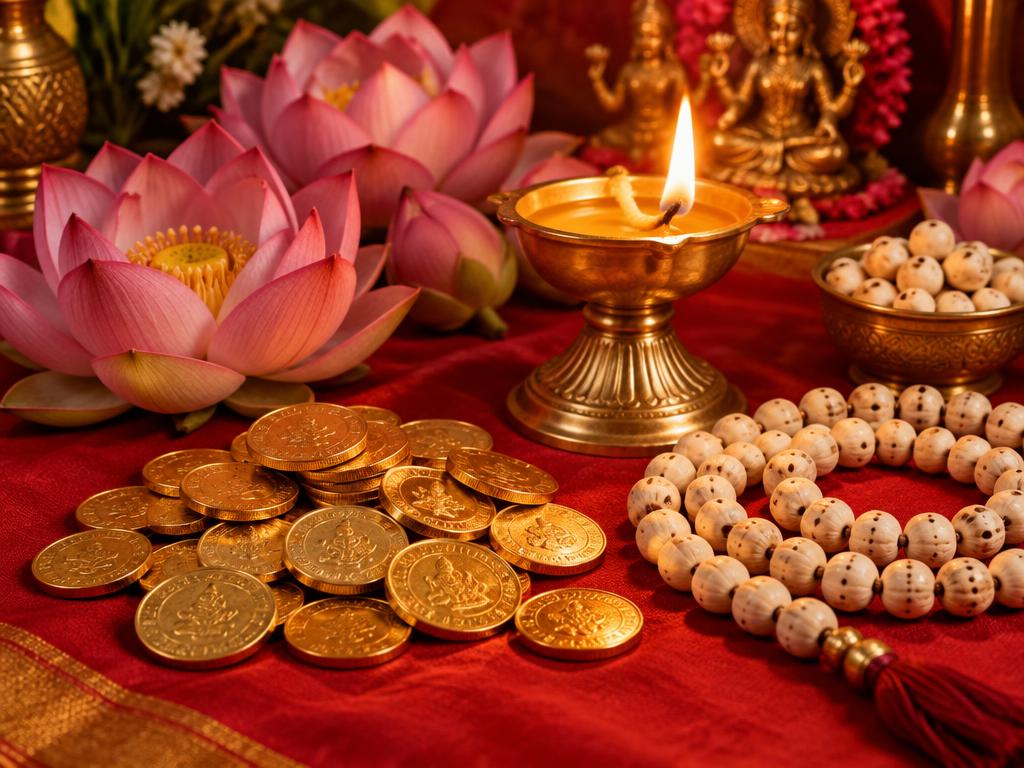
- Time: Early morning or Friday evening after lighting a lamp.
- Place: A clean altar with an image of Lakshmi, a ghee lamp and lotus or red flowers.
- Sankalpa: State quietly why you are chanting — ideally including the welfare of others.
- Recitation: Chant once, three or eleven times. Many devotees complete a 21-day or 40-day cycle.
- Mala: Some use a kamal gatta (lotus seed) mala for Lakshmi japa, or a Rudraksha mala that they already use for daily practice.
- Offering: Share sweets or give food to someone in need — the heart of the Kanakadhara story.
Rudraksha and Lakshmi Sadhana
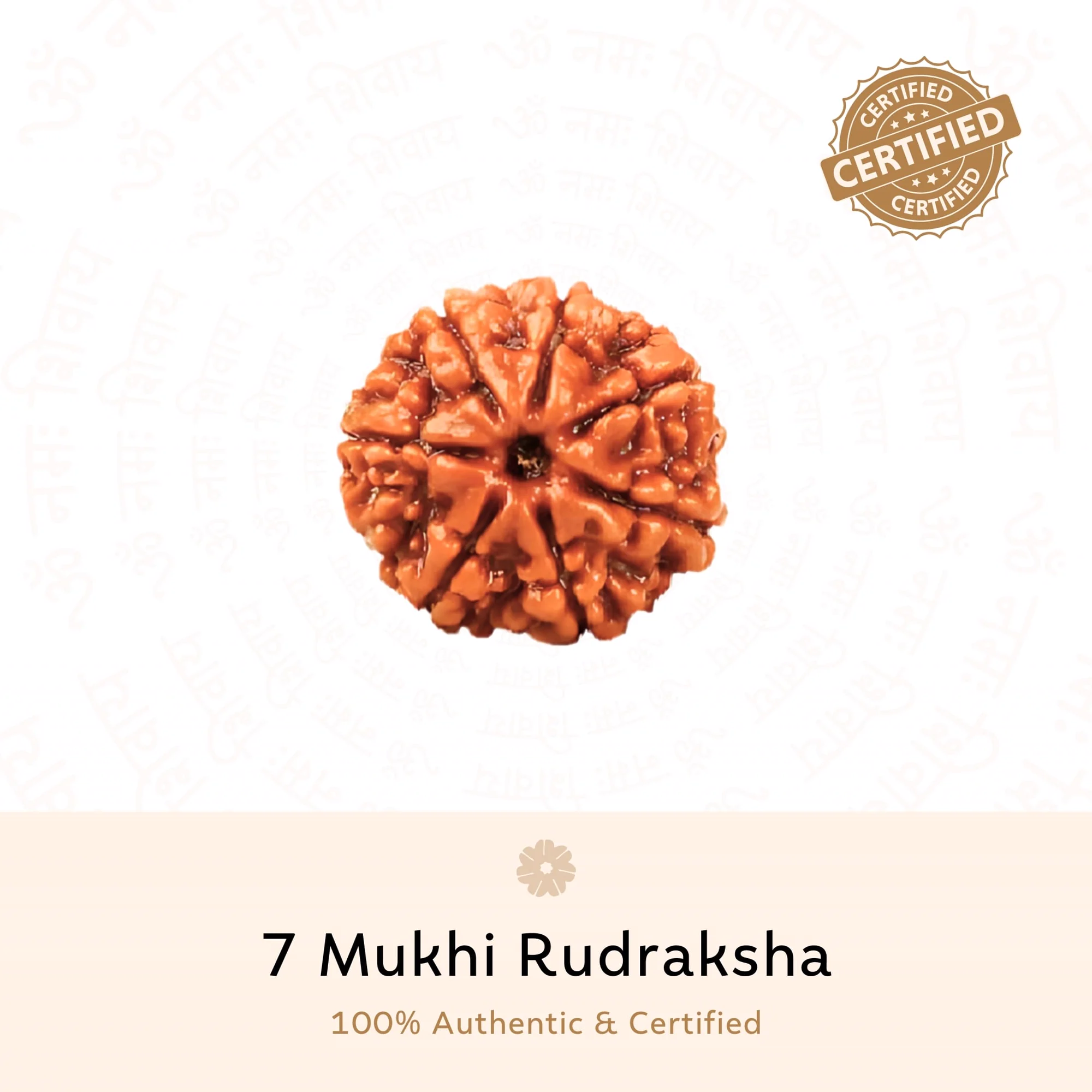
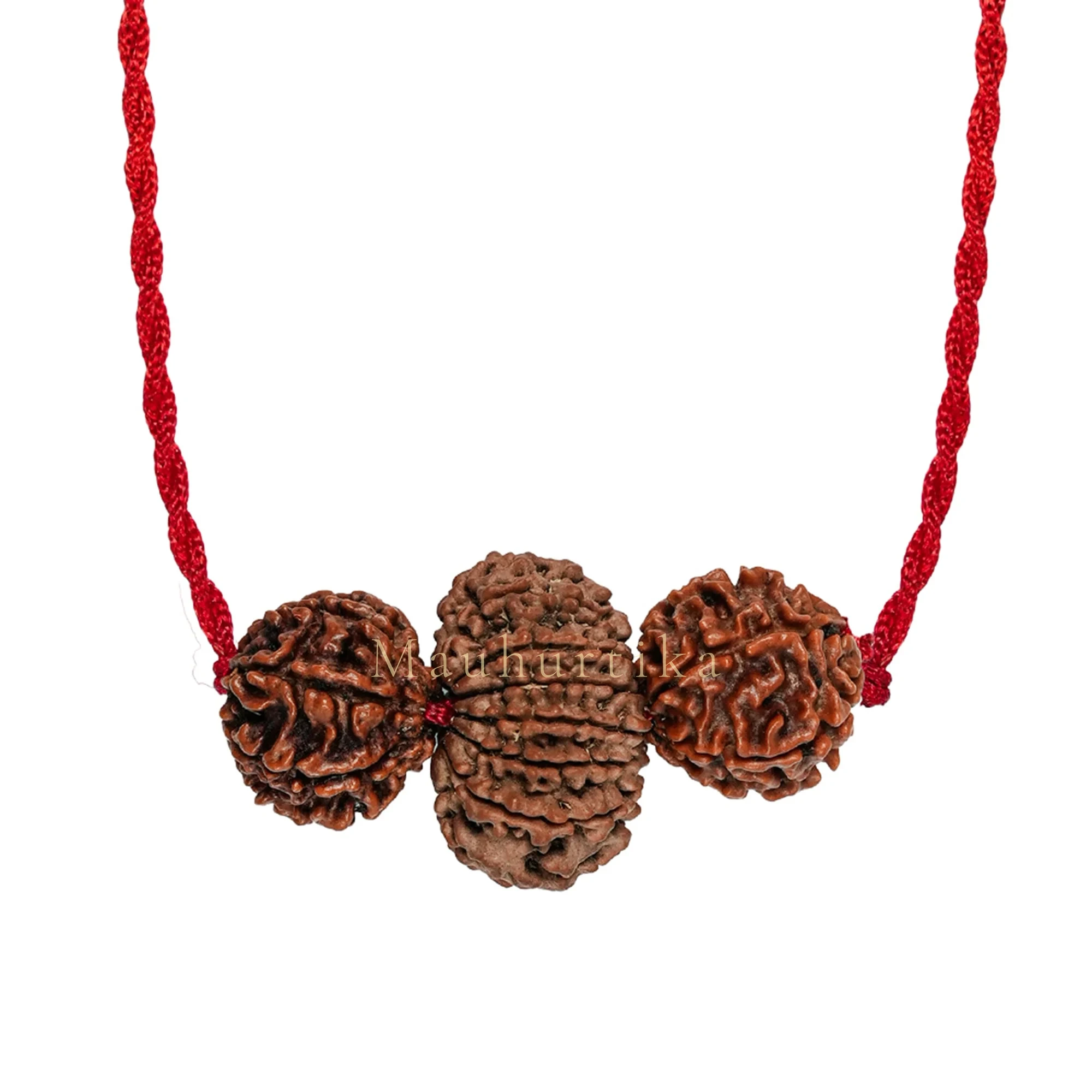
In many traditions the 7 Mukhi Rudraksha is associated with Goddess Mahalakshmi and the planet Saturn, while devotees who seek both obstacle-removal and prosperity sometimes choose a Lakshmi-Ganesh combination. A kamal gatta mala is traditionally favoured for Lakshmi mantras. These are spiritual associations, not guarantees of wealth.


Explore our guide to Rudraksha for Lakshmi Puja and Diwali, the article on Rudraksha for money, or browse the Spiritual Store.
Common Mistakes to Avoid
- Chanting hurriedly only to “complete a count”. Understanding the meaning matters more.
- Treating the hymn as a transaction. The story is about generosity.
- Mispronouncing words carelessly — listen to a trusted recording and learn slowly.
Frequently Asked Questions
Q.Who wrote the Kanakadhara Stotram?
Tradition credits Adi Shankaracharya, who is said to have composed it as a young student in Kerala.
Q.How many verses are in Kanakadhara Stotram?
Most versions have 21 verses, though printed editions vary between about 18 and 22.
Q.What is the best day to chant Kanakadhara Stotram?
Friday is the most popular, along with Diwali, Dhanteras, Sharad Purnima and Akshaya Tritiya.
Q.Can anyone chant Kanakadhara Stotram?
Yes, it is widely chanted by men and women of all ages. No formal initiation is usually required.
Q.Which mala is used for Lakshmi mantras?
A kamal gatta (lotus seed) mala is traditional; many people also use the Rudraksha mala they already chant with.
Q.What does Kanakadhara mean?
Kanaka means gold and dhara means stream or shower — a reference to the golden amlas said to have rained on the poor woman's house.