Lord Ayyappa Swamy: Story, Sabarimala and the Meaning of Pilgrimage
Learn Lord Ayyappa’s traditional story, Hariharaputra meaning, Sabarimala pilgrimage, the 18 steps and responsible preparation.
Quick answer: Lord Ayyappa is especially associated with Sabarimala in Kerala. Devotional stories describe him as Hariharaputra, linked with Shiva and Vishnu's Mohini form, and as Manikandan of the Pandalam tradition. Sabarimala pilgrimage involves specific temple customs; check current official instructions before planning a journey.
Ayyappa devotion is often recognised through a simple greeting—Swamiye Saranam Ayyappa, an expression of refuge in the Lord. Behind that greeting is a tradition of self-discipline, shared pilgrimage and humility. Understanding the story and the preparation is more useful than reducing the journey to a quick temple checklist or a purchase of ritual accessories.
Who is Ayyappa Swamy?
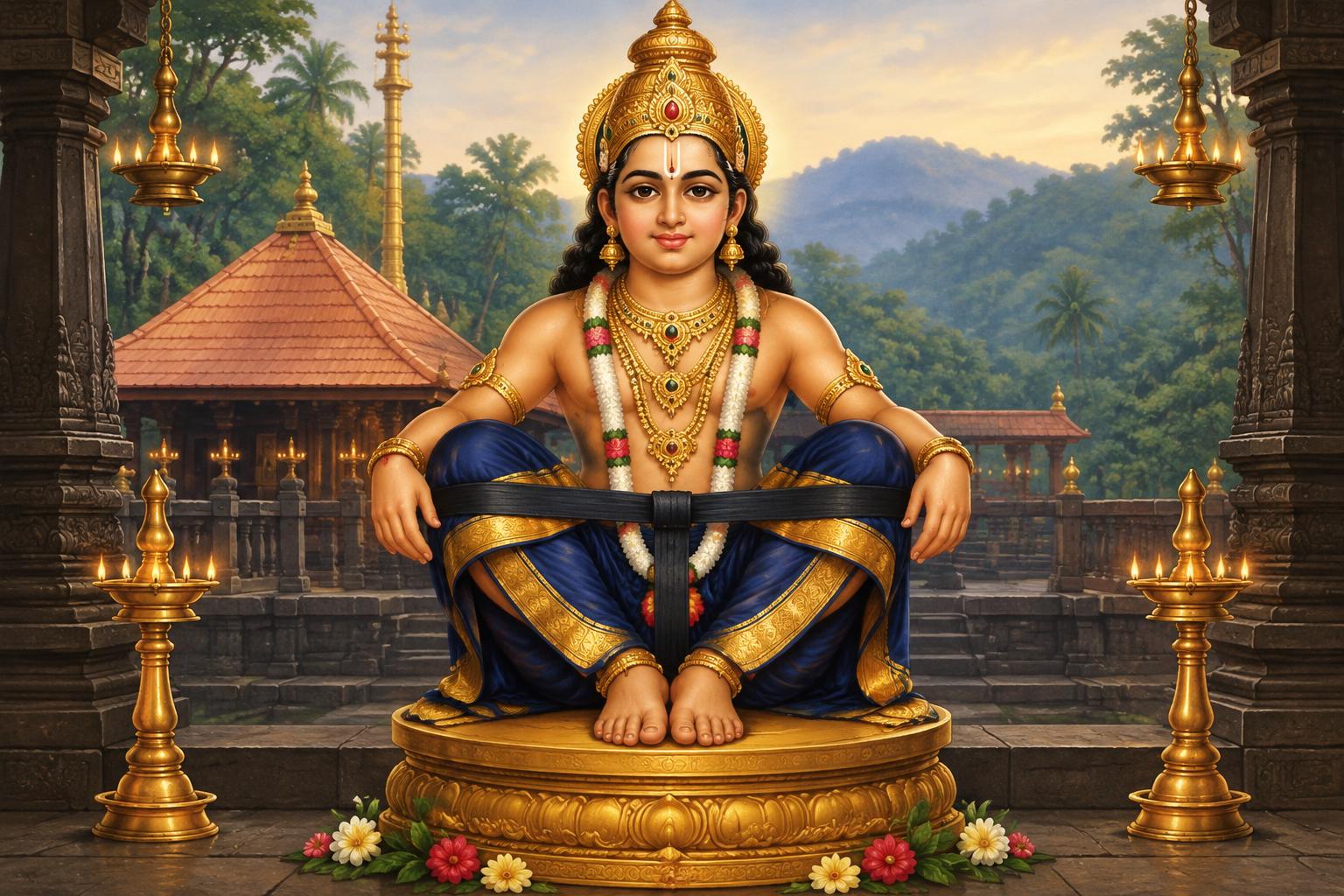
Ayyappa is a revered deity in Kerala and beyond, commonly associated with Dharma Shasta. Hariharaputra points to the connection with Hari, Vishnu, and Hara, Shiva. The narrative links his birth with Vishnu in the Mohini form and Shiva, expressing a relationship between traditions that are sometimes presented too narrowly as separate.
These accounts are sacred narratives. Their role is to communicate religious meaning rather than function as modern biographical records. Regional retellings may differ in detail while retaining the broad themes of dharma, discipline and compassion.
Manikandan and the Pandalam story
In a familiar Kerala narrative, a royal household at Pandalam raises the child Manikandan, whose name refers to the jewel at his neck. The story unfolds through challenges that reveal his divine identity. A frequently told episode describes his return with tigers after being sent to obtain tigress milk.
The defeat of Mahishi is another central motif in popular Ayyappa stories. Read these episodes as a narrative of dharma overcoming disorder, not as a basis for promising that a devotional product will remove every difficulty in a buyer's life. Temple and family traditions may emphasise different episodes.
Sabarimala and its sacred setting
Sabarimala lies within Kerala's forested pilgrimage landscape and is managed by the Travancore Devaswom Board. Ayyappa is worshipped there in a disciplined ascetic context, commonly described as a naishtika brahmachari. The journey and its preparation are part of the religious experience, not just the final moment before the shrine.
The temple is not a year-round walk-in attraction with one unchanging schedule. Opening periods, crowd procedures and access arrangements must be checked for the intended visit. An article cannot replace a current official notice.
What does the 41-day observance mean?
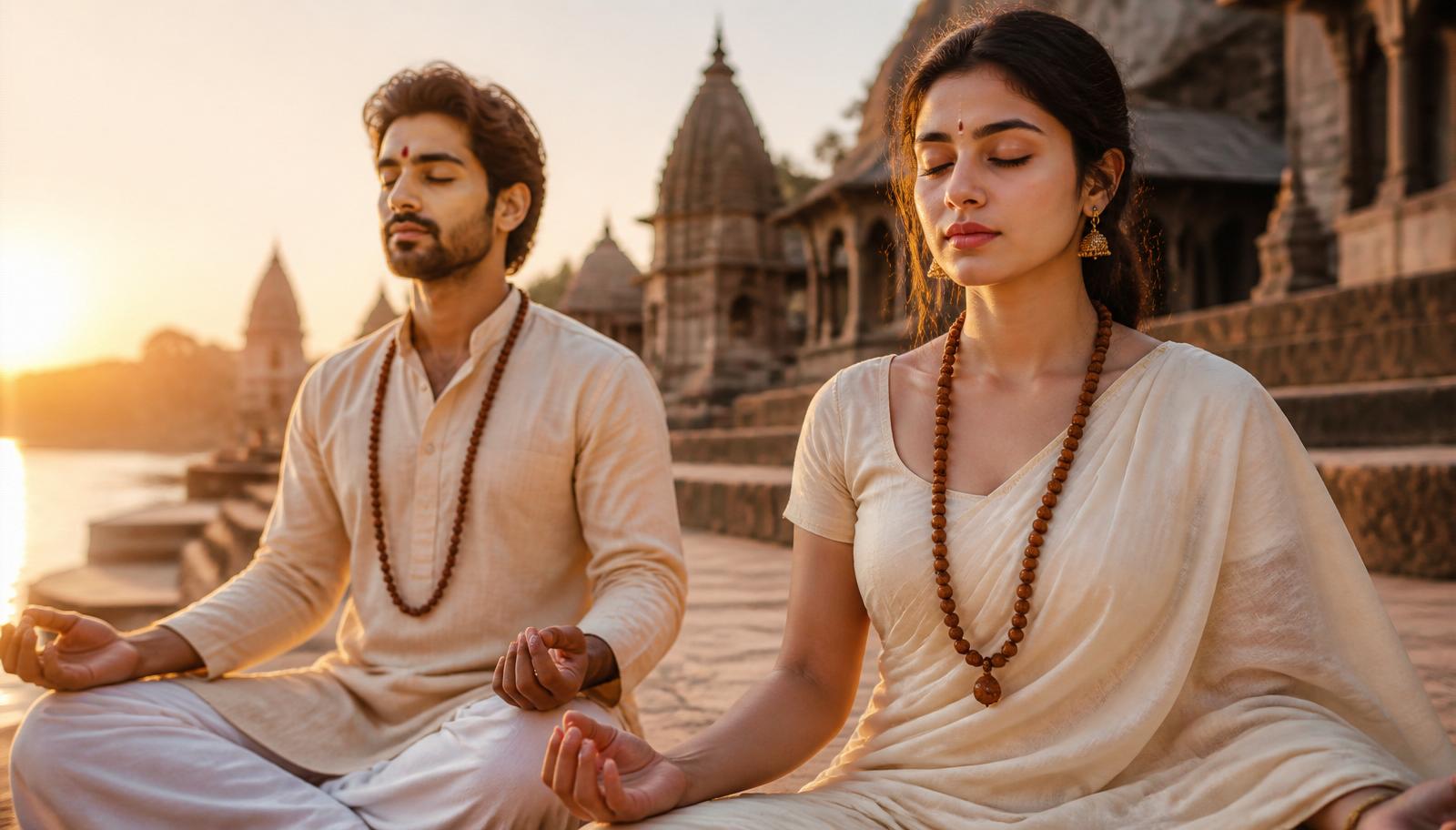
A 41-day preparatory vrat is commonly associated with the pilgrimage. It can include a simple routine, restraint, prayer and conduct guided by a guruswami. The purpose is not merely to count days but to cultivate steadiness and consideration toward others.
The appropriate preparation depends on the actual pilgrimage and the guidance received. A person with a medical condition should not stop medication, ignore dietary needs or force a demanding trek to demonstrate faith. Discuss practical adaptations with both the religious guide and a qualified clinician when necessary.
The mala, irumudi and 18 sacred steps
The pilgrimage mala is part of a vow in many traditions; it is not simply a fashion necklace. Irumudi refers to the ritual travel bundle prepared under appropriate guidance. The 18 sacred steps, Pathinettampadi, have their own protocols, so a visitor should learn the current rules rather than assume any purchased mala permits access.
Symbolic explanations of the number eighteen vary. Some connect the steps with senses, qualities and spiritual progress. Presenting one interpretation as the only official meaning would flatten a diverse tradition. Follow the temple's directions on queueing, permitted conduct and the actual route for your circumstances.
Swamiye Saranam Ayyappa: prayer and humility
The devotional refrain expresses surrender or seeking refuge. It is widely used during the journey and in personal prayer. Repetition can keep attention on the purpose of the pilgrimage while also connecting travellers through a shared greeting.
A home prayer can be simple and need not imitate the full temple ritual. Use a familiar image, a safe prayer space and a brief recitation if that fits your tradition. Formal vow-taking should be learned from a competent guide rather than assembled from fragments online.
Practical preparation before travelling
- Consult official opening calendars, registration information and current access instructions.
- Arrange a knowledgeable pilgrimage guide where your observance requires one.
- Check fitness and medical needs before undertaking forest paths and crowded routes.
- Pack only what is permitted, keeping the environment and fellow pilgrims in mind.
- Follow security checks, queue guidance and restrictions on phones or photography.
- Check current eligibility and entry policy directly instead of relying on an undated blog.
Entry customs and legal arrangements can be sensitive and may change. This guide does not promise admission to every traveller or repeat an old restriction as if it were a complete current policy. Official guidance for the intended visit must take precedence.
Respect the Pampa and forest environment
The official pilgrimage instructions emphasise cleanliness and a green protocol. Avoid plastic waste, keep paths clear and do not discard clothing or ritual materials into the river. A sacred landscape is not a place to leave the consequences of one's journey for others to remove.
Stay with approved routes and follow crowd-management directions. Do not feed or approach wildlife for photographs. Help relatives maintain a pace suited to their stamina and seek assistance promptly if anyone becomes unwell.
Is Rudraksha compulsory for Ayyappa worship?
A mala's material and the conditions for wearing it belong to the particular observance you follow. Do not buy a generic Rudraksha strand believing it automatically satisfies Sabarimala vow or access requirements. Confirm the appropriate mala with your guruswami before purchase.
For ordinary personal japa outside a formal pilgrimage vow, a comfortable Rudraksha mala may be a useful counting aid. The catalogue products below are offered for that general purpose, without any claim of temple approval or guaranteed access.
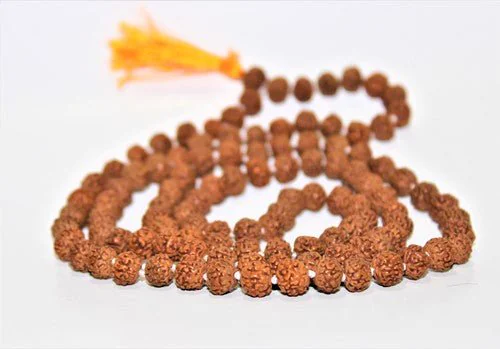
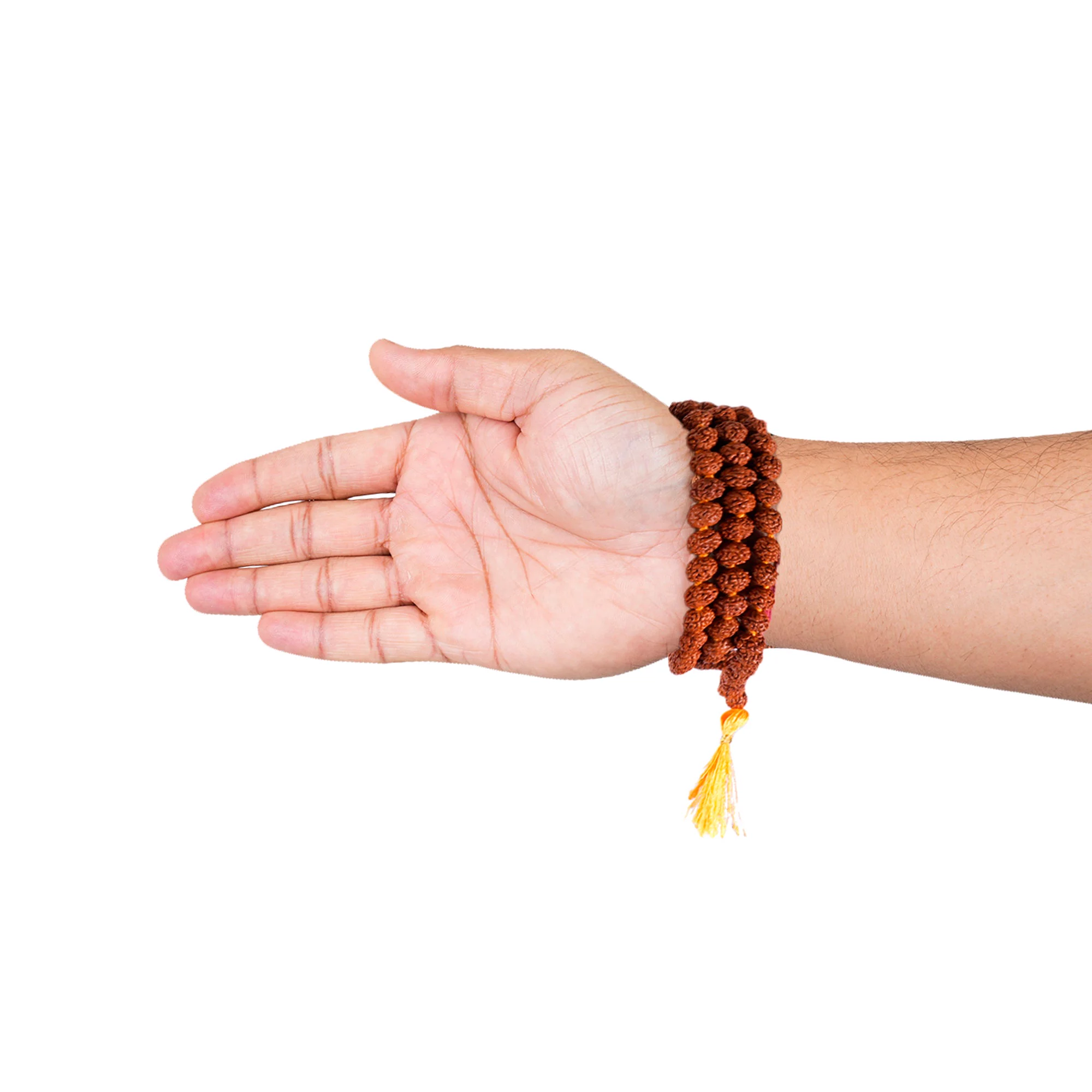
Read our mala rules guide for care or explore Rudraksha malas after confirming what your own practice requires. A meaningful pilgrimage is not measured by the price of the strand.
Official sources and updates
Consult the official Sabarimala portal, its do and don't instructions and the Travancore Devaswom Board for current temple information. No fixed fees, daily opening hours or admission guarantees are supplied here.
Frequently Asked Questions
Q.What does Hariharaputra mean?
It refers to Ayyappa's traditional connection with Hari, Vishnu, and Hara, Shiva, within the sacred birth narrative.
Q.Why is Ayyappa called Manikandan?
The familiar Pandalam narrative uses the name for the divine child associated with a jewel at his neck.
Q.Is Sabarimala open every day of the year?
Do not assume year-round access. Check the official opening calendar and current registration arrangements for your planned visit.
Q.Does buying a Rudraksha mala permit access to the 18 steps?
No. Step access and ritual requirements follow temple protocols and the appropriate pilgrimage observance, not a generic purchase.
Q.What should a first-time pilgrim do first?
Seek competent pilgrimage guidance and confirm the official schedule, access arrangements and preparation appropriate to your health and circumstances.