Rudraksha According to Modern Science: Botany, Research Studies and What We Honestly Know
What does modern science actually know about Rudraksha? A clear, honest guide to the botany of the bead, the small studies that exist, the claims that are unproven, and how to think about Rudraksha with both faith and reason.
Quick answer: Modern science confirms the basics: Rudraksha is the seed of the Elaeocarpus ganitrus tree, its mukhis are real botanical compartments, and X-ray imaging can verify a bead's internal structure — which is how lab certification works. A small number of preliminary studies have explored electromagnetic and physiological effects, but the evidence is limited and preliminary. Science cannot confirm spiritual benefits — and honest sellers should say so. What science does support strongly is the value of the practices Rudraksha belongs to: mantra repetition, meditation and mindful routine.
Rudraksha has been worn for well over a thousand years, but modern science has only looked at it for a few decades — and honestly, not very closely. If you search for rigorous, large-scale clinical trials on Rudraksha, you will not find them. What you will find is a clear botanical picture, some interesting preliminary research, and a great deal of claims that science simply has not tested.
This guide separates three things that are often mixed together: what science knows, what science has tentatively explored, and what remains a matter of faith. We believe an informed devotee is a better devotee — you do not need exaggerated claims to value a sacred bead.
The Botany: What a Rudraksha Actually Is
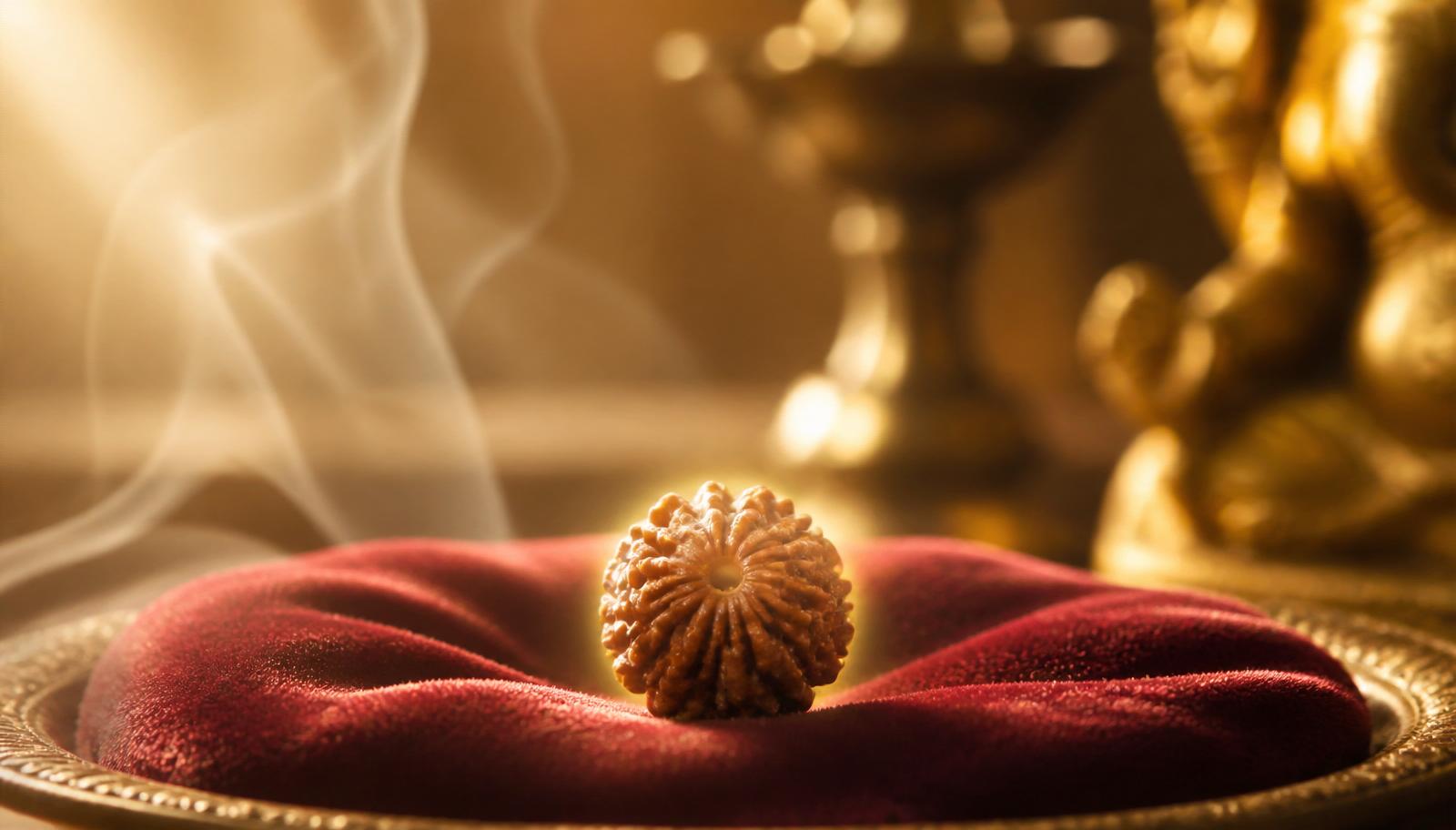
Rudraksha is the dried stone (seed) of *Elaeocarpus ganitrus*, a large evergreen tree in the Elaeocarpaceae family. The tree grows in the Himalayan foothills, Nepal, parts of Northeast India, Indonesia, and some other South and Southeast Asian regions. The fruit is a bright blue drupe — often called a 'blueberry bead' when fresh — and the hard, grooved seed inside is what we know as Rudraksha.
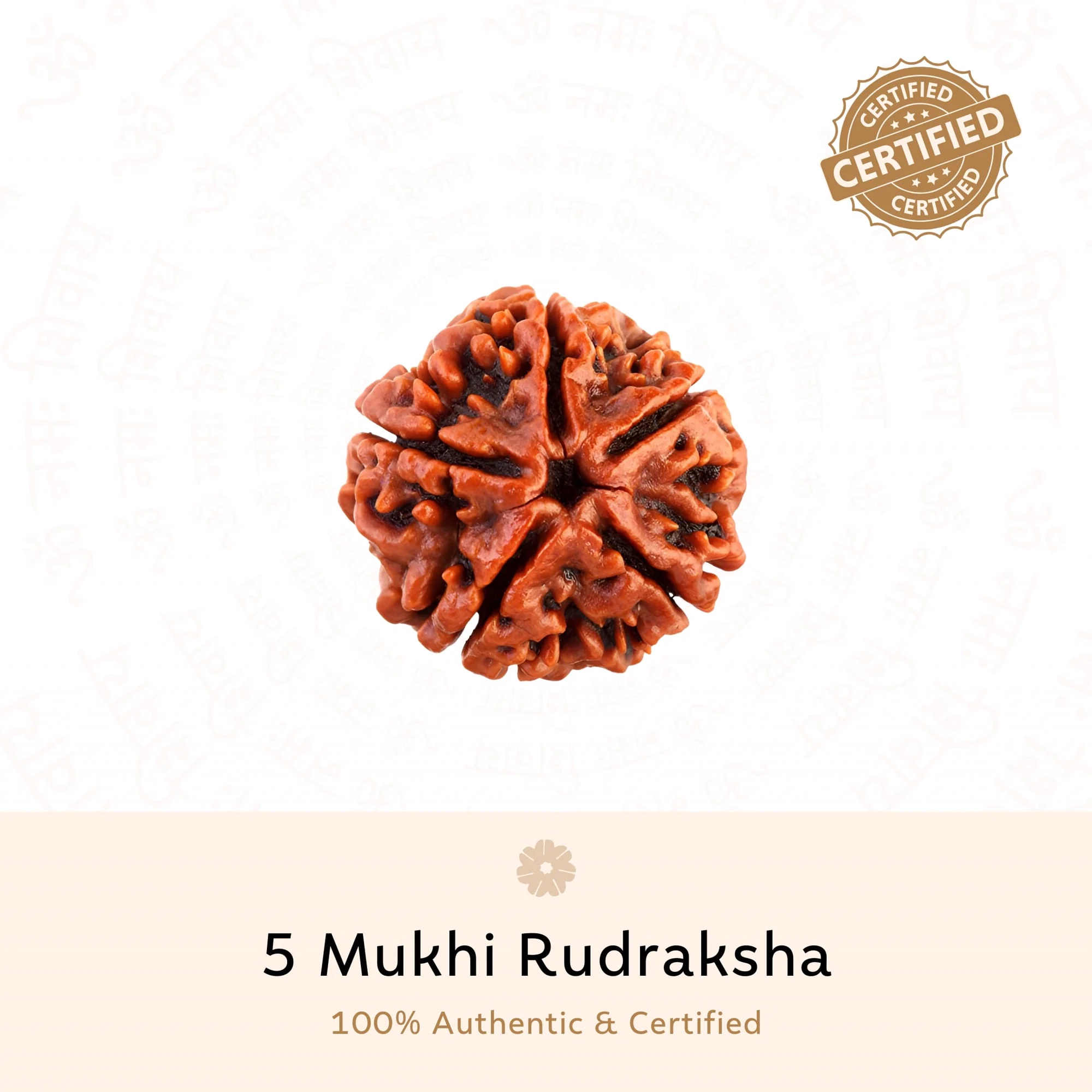
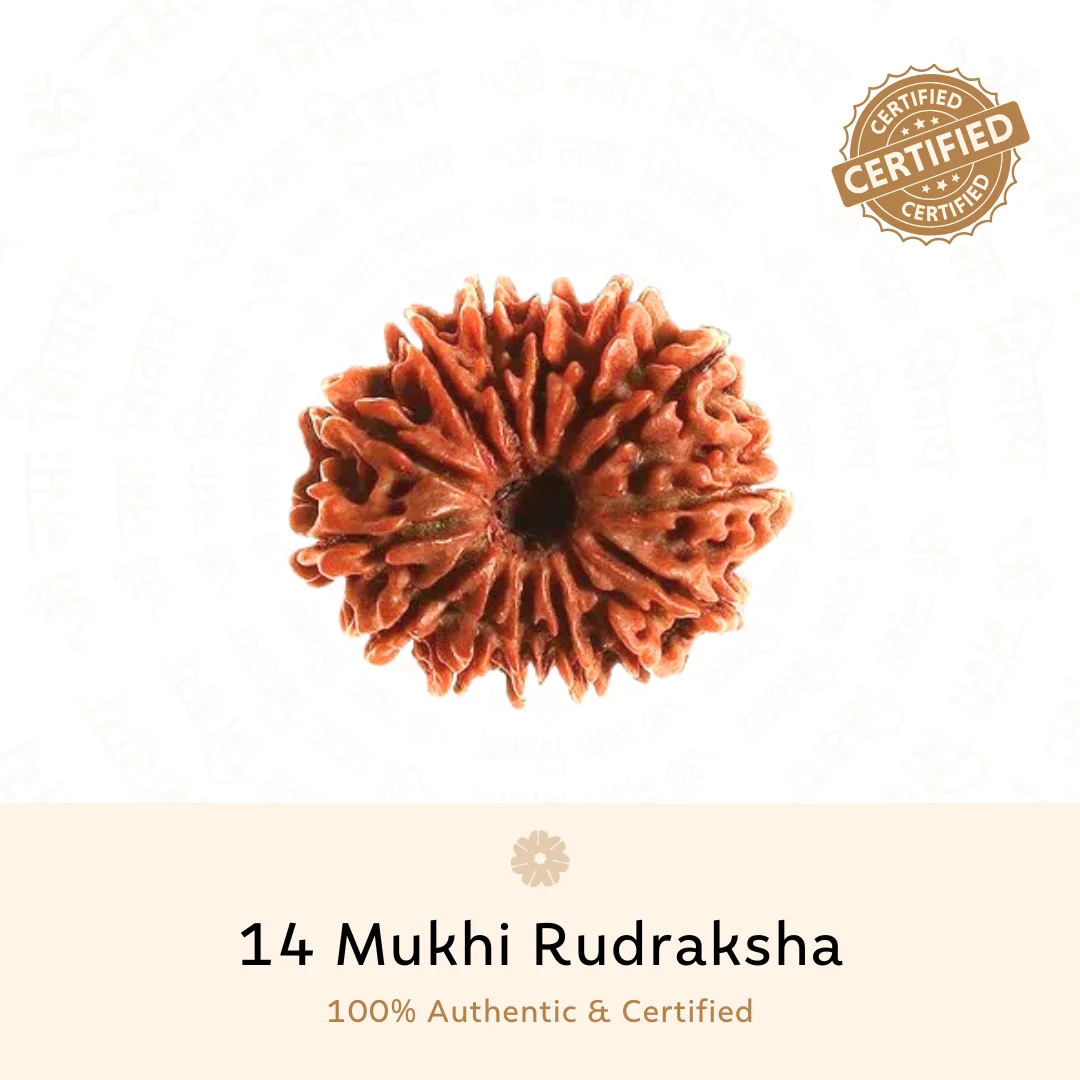
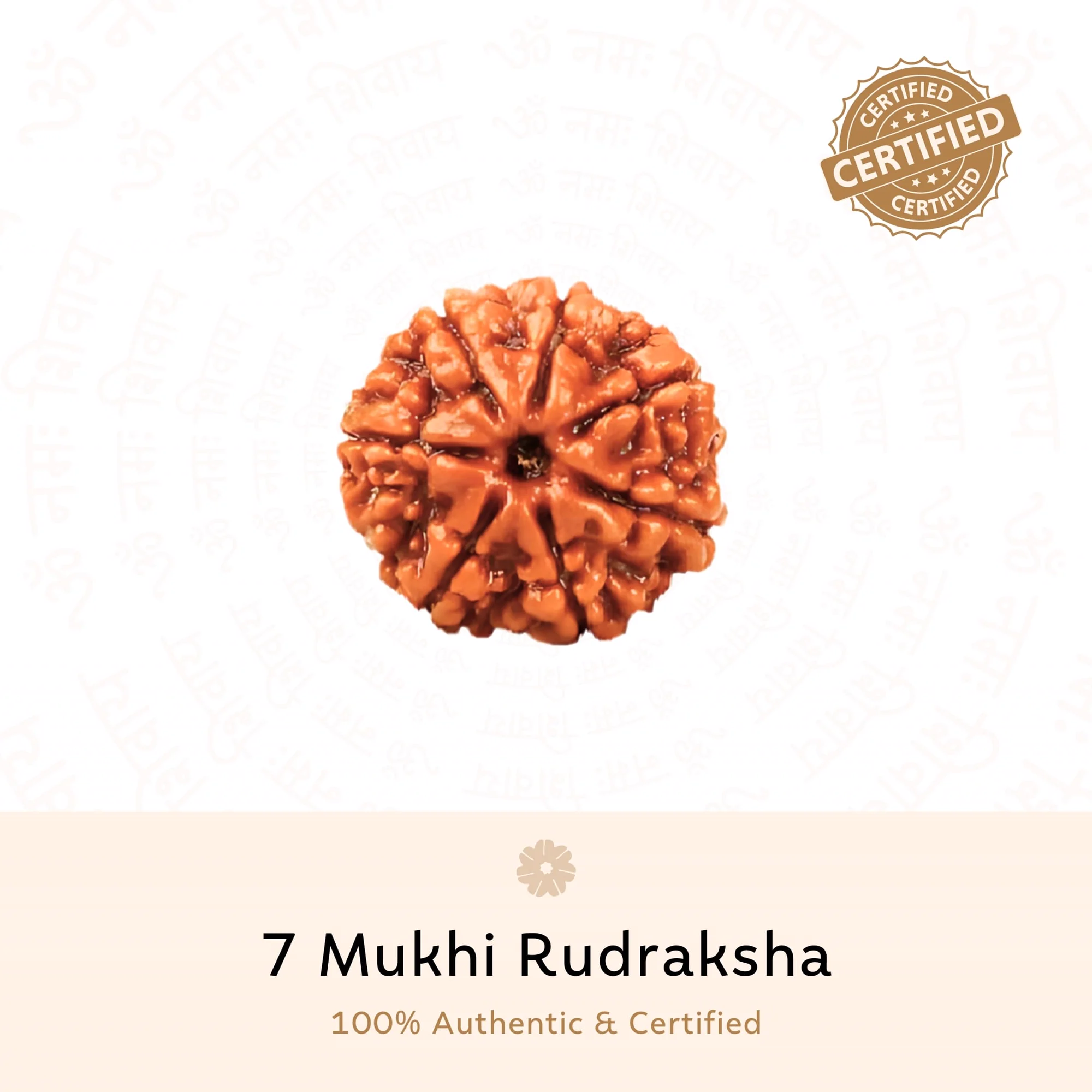
The grooves on the seed's surface are the mukhis. Botanically, each mukhi corresponds to an internal compartment (locule) of the seed, and each compartment normally contains one seed kernel. A 5 Mukhi bead has five compartments; a 14 Mukhi has fourteen. The number of mukhis is determined by the tree's genetics and growing conditions, and higher mukhi counts are naturally rarer — which is the real reason a 14 Mukhi costs more than a 5 Mukhi.
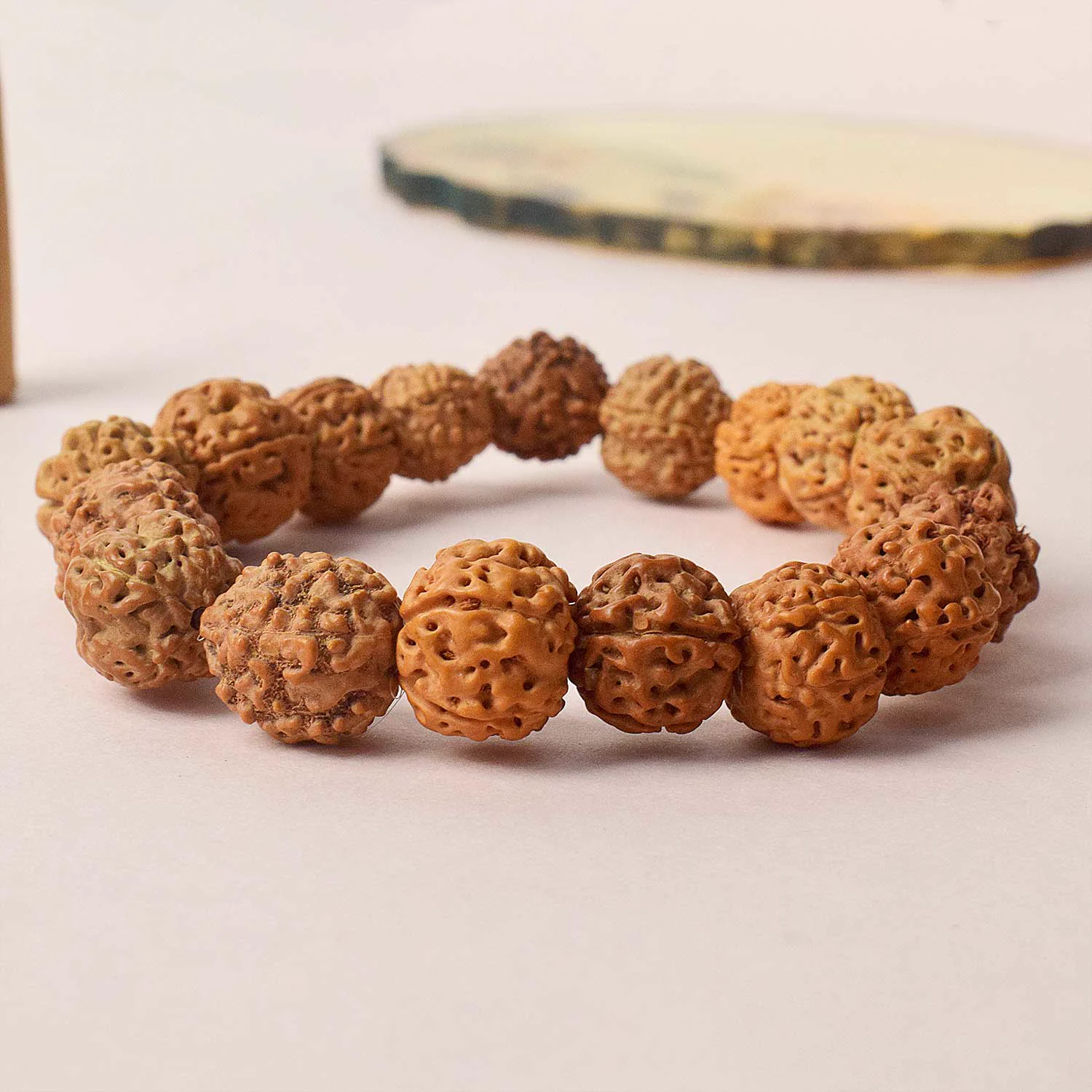
Nepali beads and Indonesian (Java) beads come from the same species but differ in appearance: Nepali beads are larger with deep, clear mukhi lines and a rougher surface, while Java beads are smaller and smoother. Both are genuine Rudraksha; size and sharpness of the grooves drive most of the price difference.
How Science Verifies Authenticity: X-Ray and Lab Testing
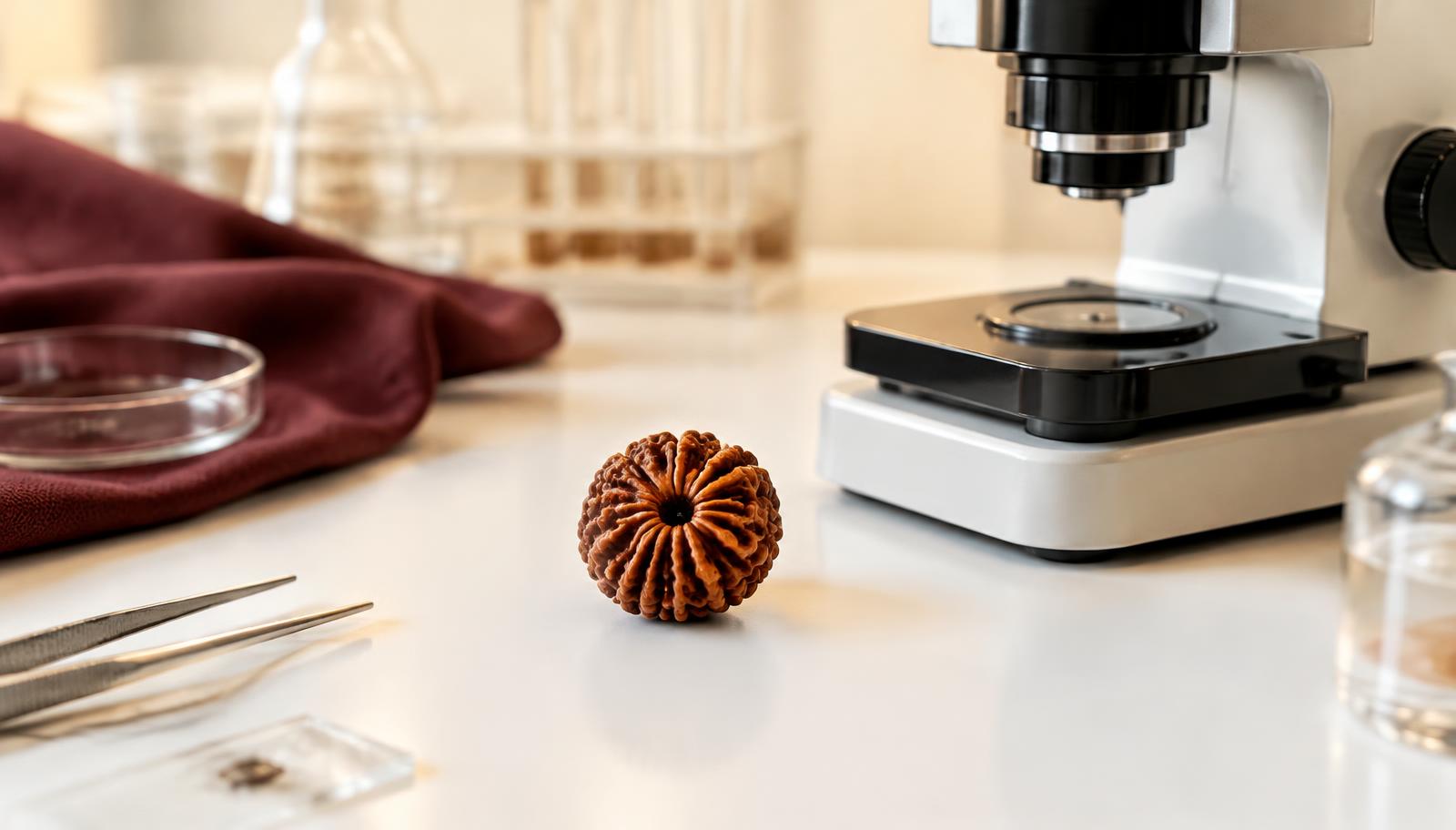
This is where modern science serves devotees directly. Because the mukhis are internal compartments, an X-ray of a bead shows exactly how many compartments it truly has. This matters because the market contains fakes: beads with carved extra lines, glued-together beads sold as rare Gauri Shankar or trijuti forms, and even moulded resin beads.
A proper laboratory certificate for a Rudraksha is based on:
- X-ray imaging to count the internal compartments and confirm the mukhi count matches the surface lines.
- Visual and structural examination for carving, gluing, drilling damage or artificial colouring.
- Species and origin assessment where possible.
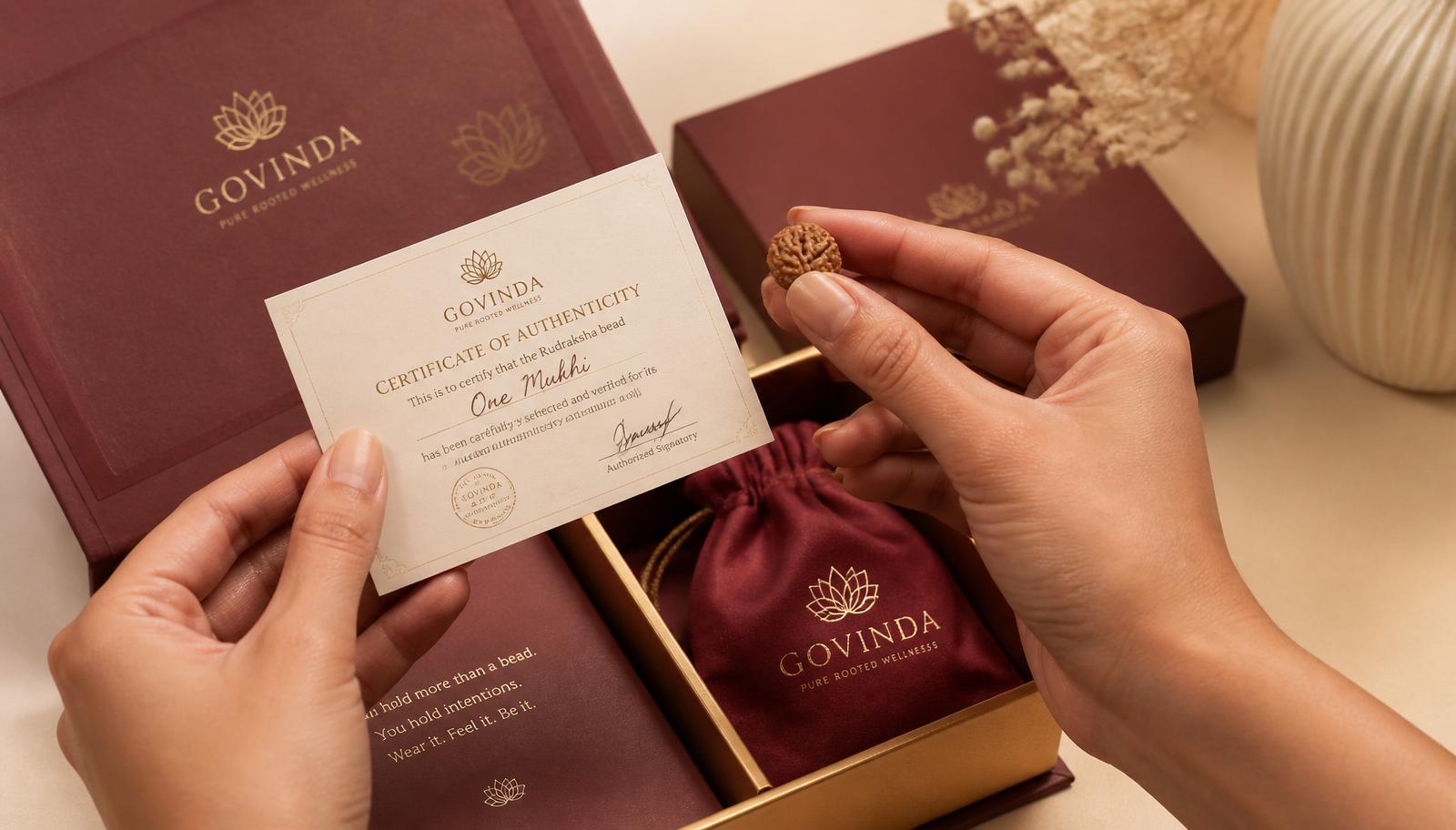
At Mauhurtika every bead is lab-certified with X-ray verification before dispatch, and the origin is stated on the invoice. If you are evaluating any seller, ask one question first: *will you show me the X-ray?* Read more in our guide to identifying an original Rudraksha and how our certification process works.

What Preliminary Research Has Explored
A small body of preliminary research — mostly from Indian institutions, mostly small-scale — has explored Rudraksha from a few angles. We describe these carefully, because preliminary does not mean proven:
- Electrical and electromagnetic properties: some researchers have reported that Rudraksha beads show measurable dielectric and inductive properties, and have speculated about interaction with the body's bioelectrical activity. These findings are interesting but come from small studies; they have not been replicated at the scale needed to draw firm conclusions.
- Physiological effects: a few small studies have looked at heart rate, blood pressure or stress markers in people wearing Rudraksha, with some reporting calming trends. Sample sizes were small and controls limited, so these results should be read as hypotheses, not proof.
- The seed's chemistry: phytochemical analysis of Elaeocarpus species has identified various compounds in the fruit and leaves, which is normal for a plant used in folk medicine. This does not establish any medical effect from wearing the bead.
What Science Cannot Measure — and Does Not Try To
The spiritual significance of Rudraksha — its place in Shiva worship, the meaning of the mukhis, the merit of japa — is not something science can confirm or deny. Faith, devotion and sacredness are not laboratory variables. A scientist and a sadhu can look at the same bead and both be telling the truth about different things.
This is exactly why we describe traditional benefits as 'traditionally associated' throughout our site. When you read that the 7 Mukhi is associated with prosperity, that is a statement about a thousand-year-old tradition — not a financial promise. We think our customers deserve that clarity.
Where Science Strongly Agrees With Tradition
Interestingly, the strongest scientific support is not for the bead itself but for the practices Rudraksha belongs to:
- Mantra repetition and meditation have been studied extensively. Regular meditative practice is associated in research with reduced stress markers, better attention and improved emotional regulation.
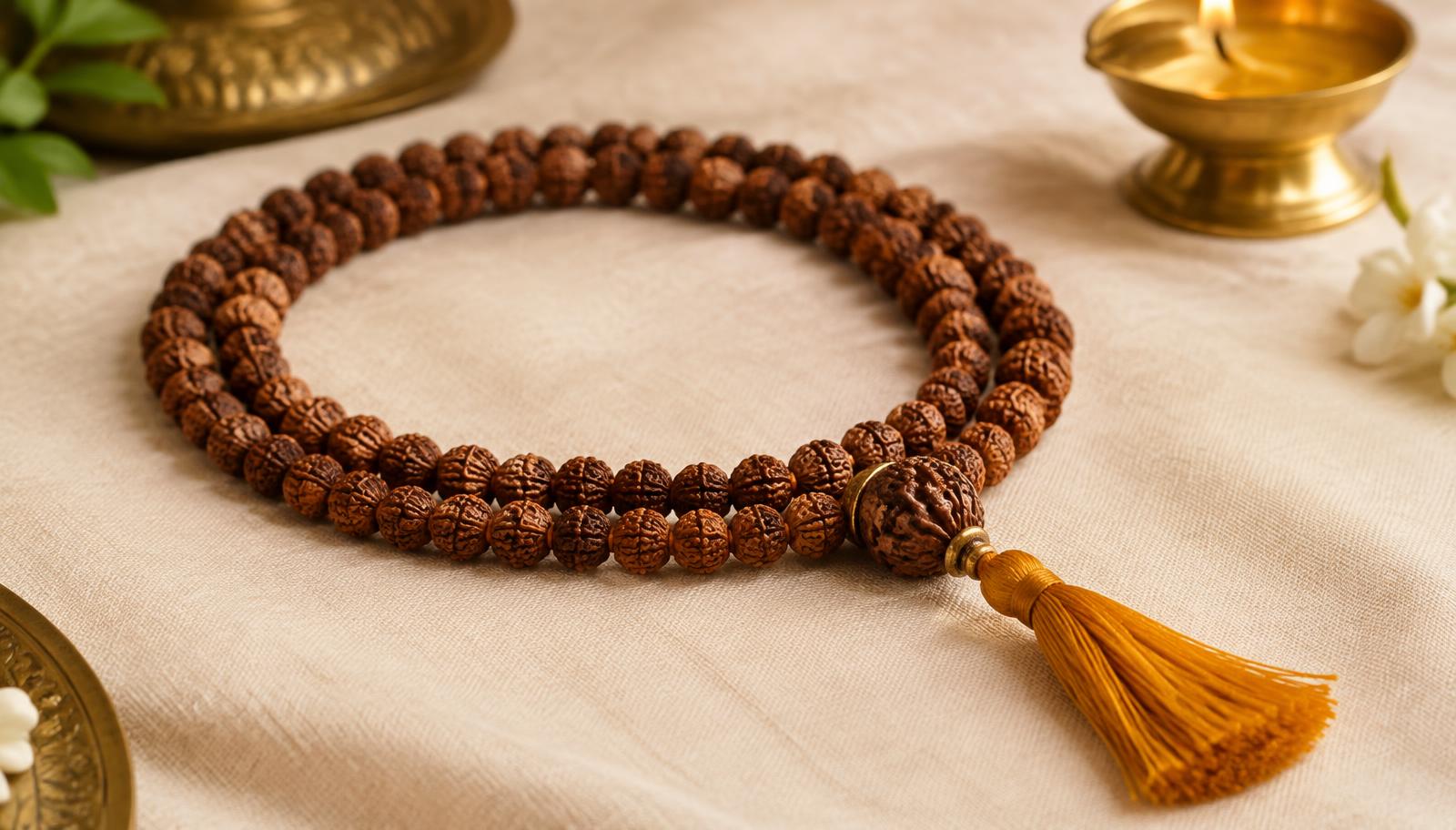
- Counting on beads is a recognised attention anchor — it gives the restless mind a simple physical task, which is why mala practice feels easier than uncounted meditation for many people.
- Meaningful ritual and routine — wearing a sacred object, keeping a daily practice time — is well documented in psychology as a powerful way to build consistent habits and a sense of grounding.
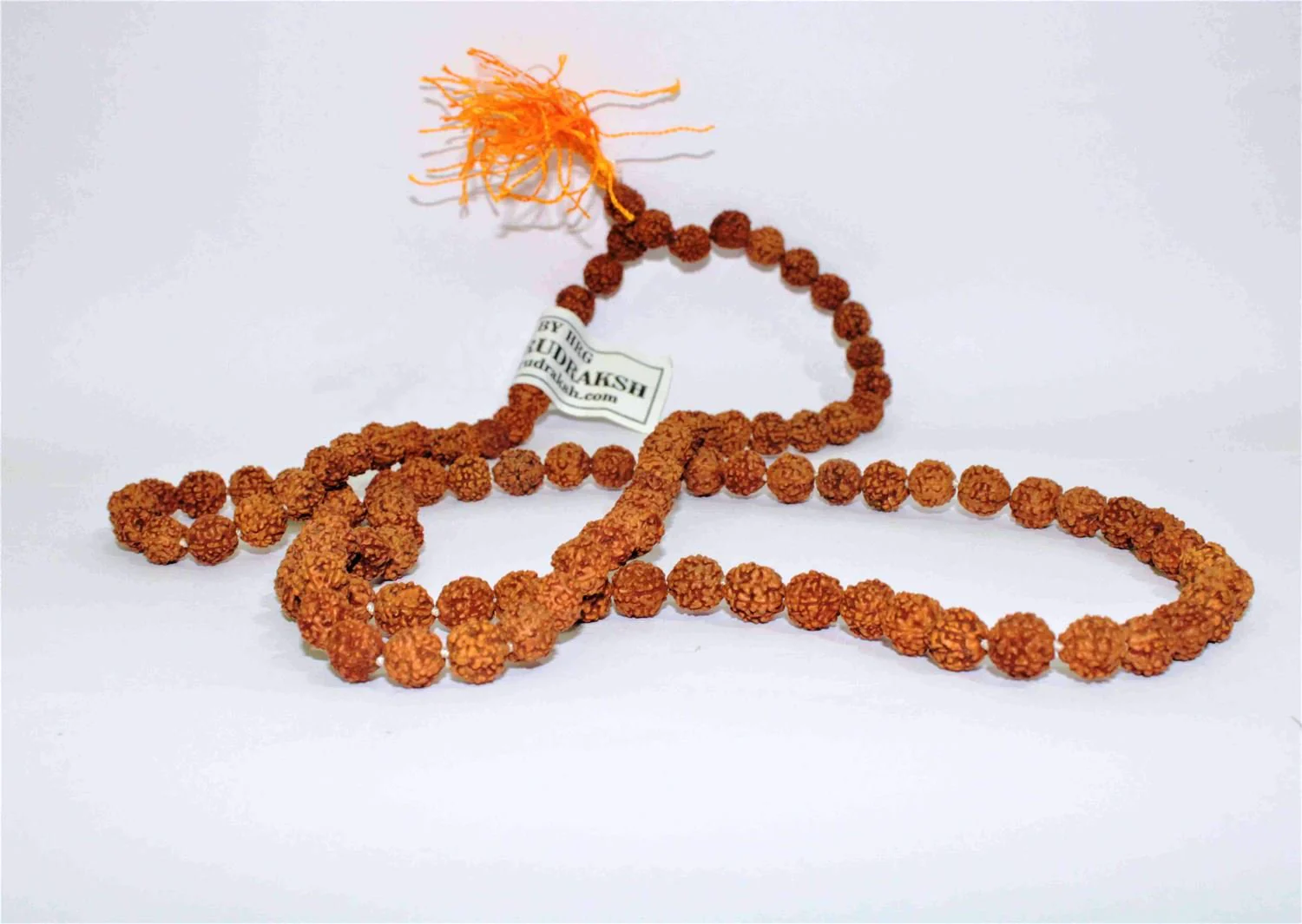
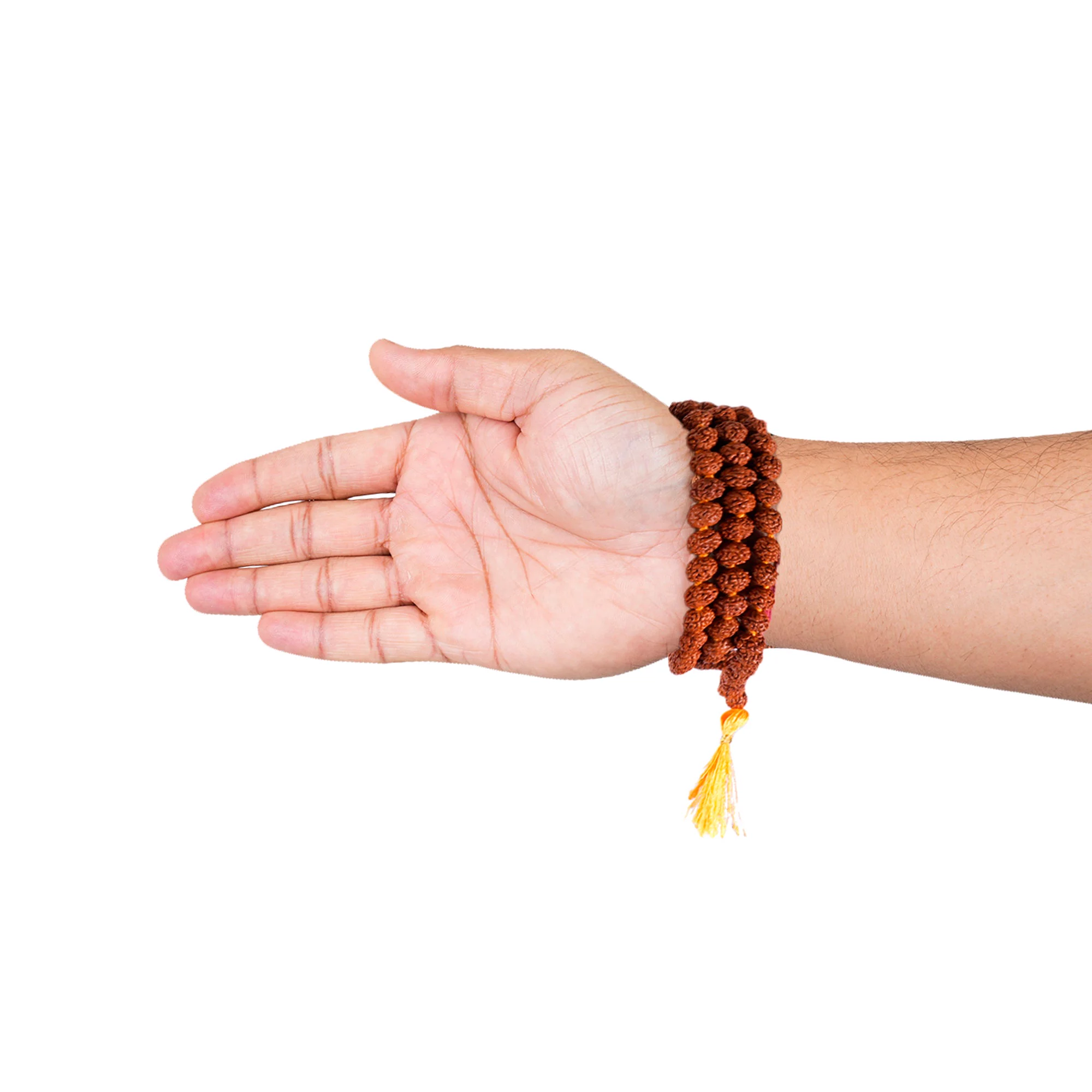
In other words: if wearing a Rudraksha helps you keep a daily ten-minute japa practice, the benefits you feel are real — whatever their precise mechanism. The bead works as part of a practice, not as a standalone device.
How to Think About Rudraksha With Both Faith and Reason
You do not have to choose between devotion and clear thinking. A sensible approach:
1. Buy verified, not hyped. Insist on lab certification with X-ray — that is science genuinely working for you.
2. Value the practice. The mala, the mantra, the daily ten minutes — this is where tradition and research meet.
3. Reject medical claims. A bead is not a treatment. Keep your doctor for your health and your bead for your practice.
4. Choose by meaning. Pick a mukhi whose traditional association speaks to what you want to cultivate — calmly, without fear-based selling.
If you would like help choosing, try our free Rudraksha finder or book a free consultation. And if you are starting a japa practice, our Rudraksha japa mala guide walks through the method step by step.
Frequently Asked Questions
Frequently Asked Questions
Q.Is there scientific proof that Rudraksha works?
There is no large-scale clinical proof of spiritual or health effects. Small preliminary studies have explored electromagnetic properties and calming trends, but the evidence is limited. What research does support is the value of the meditation and mantra practices Rudraksha is used for.
Q.What is a Rudraksha bead scientifically?
It is the dried seed of the Elaeocarpus ganitrus tree. The grooves on its surface (mukhis) correspond to real internal seed compartments, which is why X-ray imaging can verify a bead's mukhi count.
Q.How does lab certification of Rudraksha work?
A laboratory X-rays the bead to count its internal compartments, checks for carving, gluing or artificial treatment, and confirms the mukhi count. This is the one area where modern science directly protects buyers from fakes.
Q.Do Rudraksha beads really have electromagnetic properties?
Some small studies have reported measurable dielectric and inductive properties in the beads, but this research is preliminary and has not been replicated at scale. It should be treated as an interesting hypothesis, not established fact.
Q.Are Nepali and Indonesian Rudraksha different species?
No — both come from Elaeocarpus ganitrus. Nepali beads are larger with deeper grooves; Java beads are smaller and smoother. Both are genuine, and the price difference reflects size, appearance and rarity, not authenticity.
Q.Can Rudraksha replace medical treatment?
Never. Rudraksha is a sacred bead for spiritual practice, not a medicine. Always consult a qualified doctor for any health condition.