Sri Dakshinamurthy: Shiva as the Silent Teacher
Explore Dakshinamurthy’s south-facing form, banyan tree, chin mudra, silent teaching and a simple approach to study and worship.
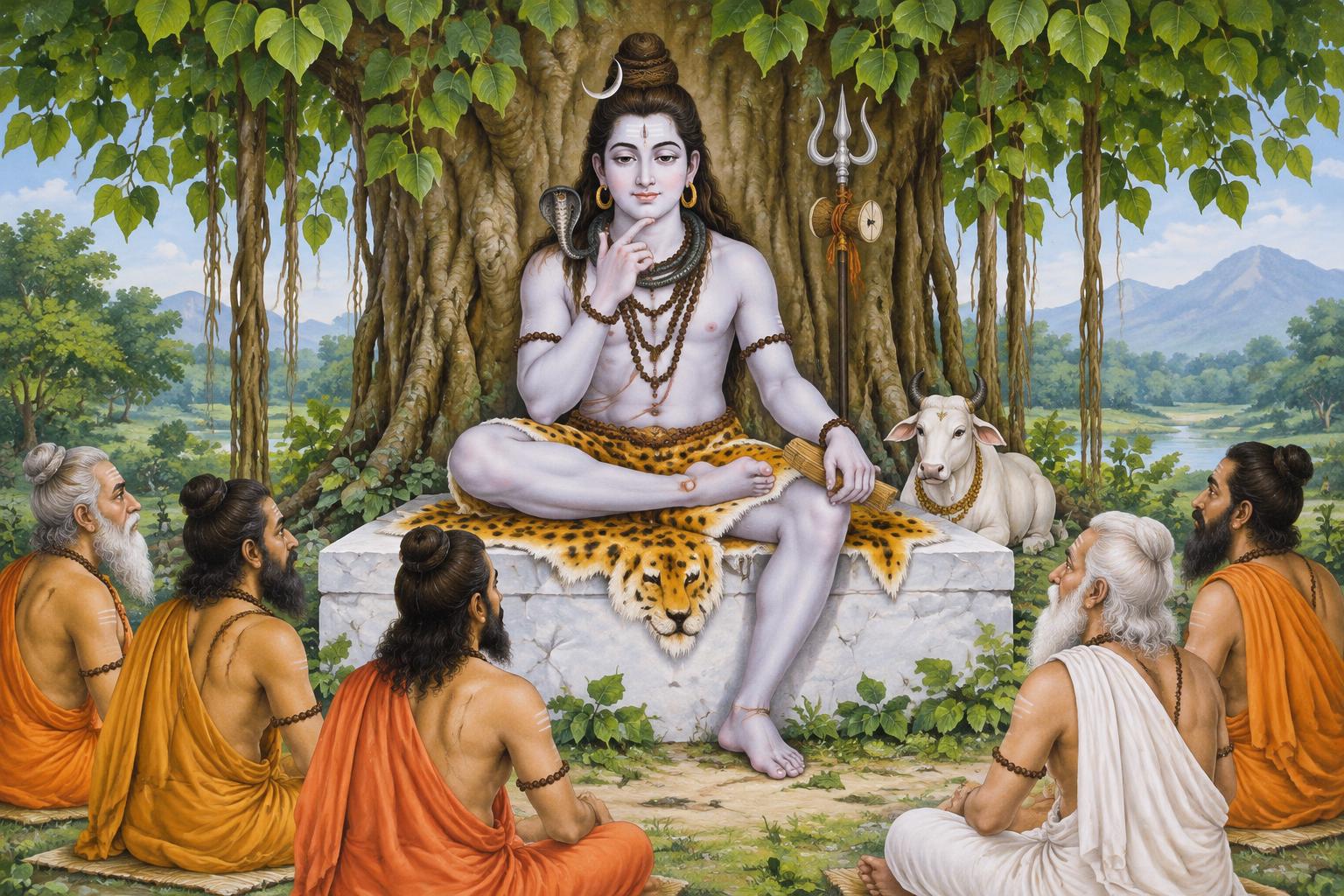
Quick answer: Dakshinamurthy is Shiva in the role of the spiritual teacher. His familiar image shows a youthful guru beneath a banyan tree with sages listening. The south-facing form and the teaching through silence are especially important in Shaiva and Advaita interpretation.
Not every sacred story centres on a battle or an extraordinary event. Dakshinamurthy's image draws attention to learning: a still teacher, attentive students and a gesture that says more than a speech. It is a particularly meaningful form for someone interested in contemplation, careful study and the relationship between information and understanding.
What does Dakshinamurthy mean?
The name is commonly explained as the south-facing form. In many South Indian Shiva temples, Dakshinamurthy appears in the southern niche of the sanctum. The direction is not an instruction that every home practitioner must arrange a room in one rigid way; it belongs first to the deity's iconography and temple context.
Traditional explanations also associate dakshina with skill or benevolence. Meanings unfold through commentaries rather than one dictionary gloss alone. For a beginner, the central idea is clear: this is Shiva approached as guru, the one who illuminates understanding.
The youthful teacher and the listening sages
A well-known devotional image places a youthful teacher before older sages. The contrast suggests that wisdom is not reducible to chronological age. In common retellings, the sages are identified with the Sanaka group; artistic versions and explanations may vary.
The point is not to dismiss ordinary learning. Rather, the image asks what happens when words, arguments and memory are no longer enough. The students must attend carefully, and the teacher points toward recognition rather than simply supplying another fact to memorise.
Why the teaching is described as silent
In Advaita interpretation, the deepest recognition cannot be fully captured by an object-like description. Silence in the Dakshinamurthy tradition is therefore not ignorance or refusal to teach. It suggests a presence in which the student's understanding becomes clear.
This does not mean a modern student should abandon books, questions or qualified teachers. Silent contemplation and textual study can support each other. Someone claiming that no questioning is allowed has misunderstood a powerful teaching image as a justification for authority without accountability.
Chin mudra and its symbolism
Chin mudra is the hand gesture in which the thumb and index finger meet. A common explanation treats their joining as a symbol of individual awareness and the ultimate reality, while the remaining fingers are interpreted through different philosophical frameworks.
These are symbolic readings, not anatomical claims about a hand position producing a guaranteed cognitive effect. Artworks also differ, so do not judge every sculpture by a single online diagram. Look at the full image: posture, expression, teacher–student relationship and the surrounding symbols.
The banyan tree and the south-facing form
The banyan's broad shade offers a fitting setting for teaching and contemplative gathering. Its branching life is often read as a reminder of continuity, while the still figure at its centre directs attention inward. Such interpretation enriches the image without requiring a claim that every detail has one universally agreed meaning.
South is associated in many traditions with Yama, mortality and change. Dakshinamurthy facing that direction can be understood as wisdom confronting fear and impermanence. This is not a warning that a south-facing home is spiritually defective or that a buyer needs a remedial object immediately.
Dakshinamurthy and Brihaspati are not the same deity
Thursday worship and themes of learning sometimes lead people to confuse Dakshinamurthy with Guru or Brihaspati, the planetary deity associated with Jupiter. Dakshinamurthy is Shiva as guru; Brihaspati belongs to a different divine and astrological context. Connections made in devotional practice do not erase that distinction.
Keeping the identities clear helps when choosing a prayer or interpreting a temple image. A planetary recommendation based on a chart is also different from a general devotion to Shiva as teacher. Neither should be sold as an automatic way to pass exams.
A simple home approach to worship
Begin with a clean, uncluttered prayer space and a brief moment of gratitude toward your teachers. You may recite Om Namah Shivaya, sit quietly and read a small passage from a text you are actually studying. Choose a pace that lets you reflect rather than racing to complete a large count.
Specialised Dakshinamurthy mantras and formal practices may require instruction. Learn pronunciation and context from a trusted teacher instead of copying an uncertain transliteration. A short, understood practice is preferable to a complicated one performed in fear of making a mistake.
Turn the symbolism into a study routine
- Begin your study session by putting distractions aside for a few minutes.
- Read a manageable passage and note the question it raises.
- Distinguish what you understand from what you can merely repeat.
- Discuss difficult points with a qualified teacher rather than guessing.
- Spend a quiet moment reviewing the main idea before closing the book.
- Return regularly; insight is not a replacement for disciplined effort.
This routine translates the teaching theme into ordinary habits. It is not a clinical concentration treatment or a promise of academic success. Students who struggle with persistent attention or learning difficulties may need appropriate educational or medical support as well.
A mala for personal Shiva japa
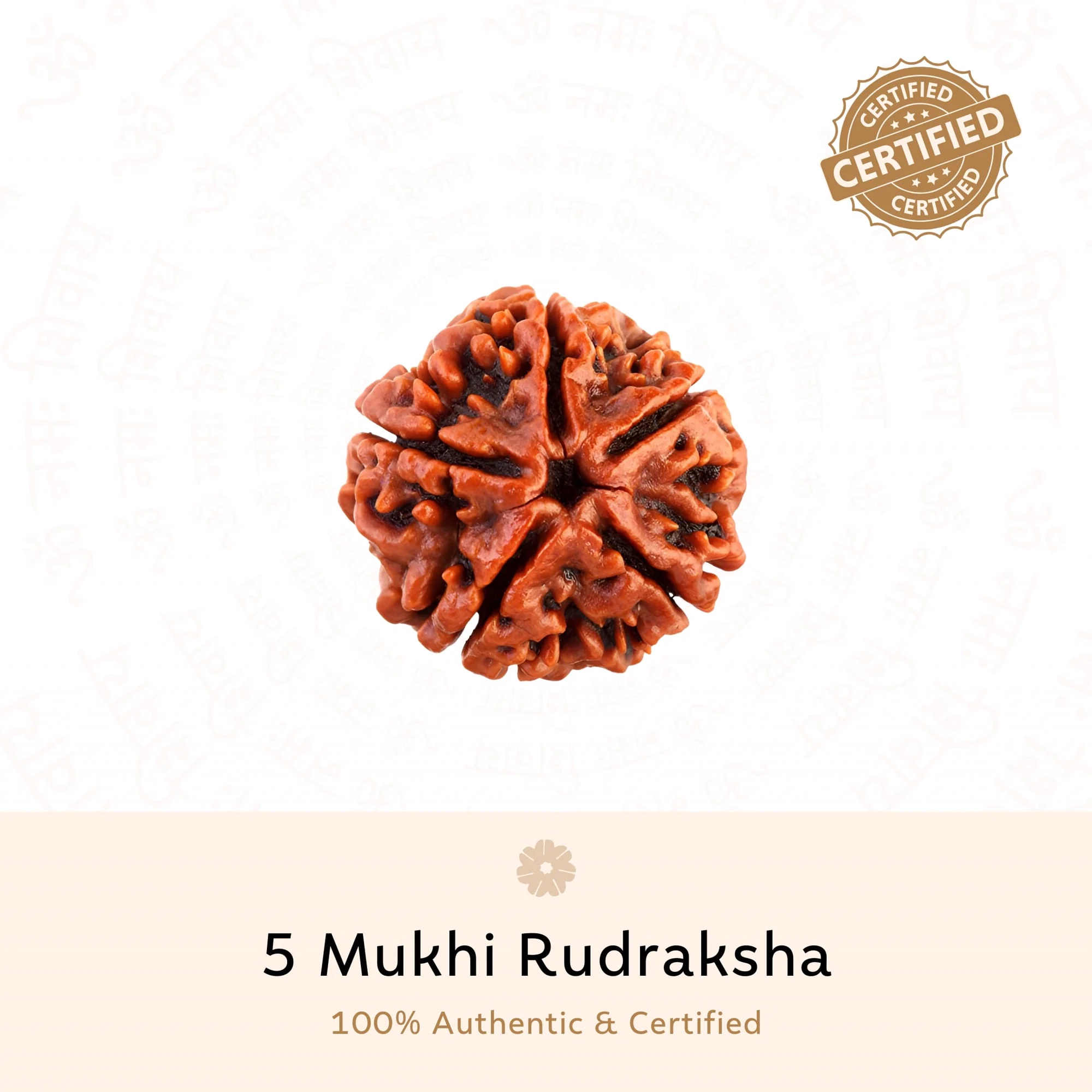
Rudraksha has a broad association with Shiva devotion. A 5 Mukhi mala can be used as a counting aid if that suits your practice. The bead is not a substitute for a teacher, revision or honest effort, and no Mukhi count guarantees knowledge.
These real catalogue products provide current photographs and prices for buyers who want a personal counting strand or simple bead. Confirm dimensions and construction before choosing, particularly if you will handle the strand for long sessions.
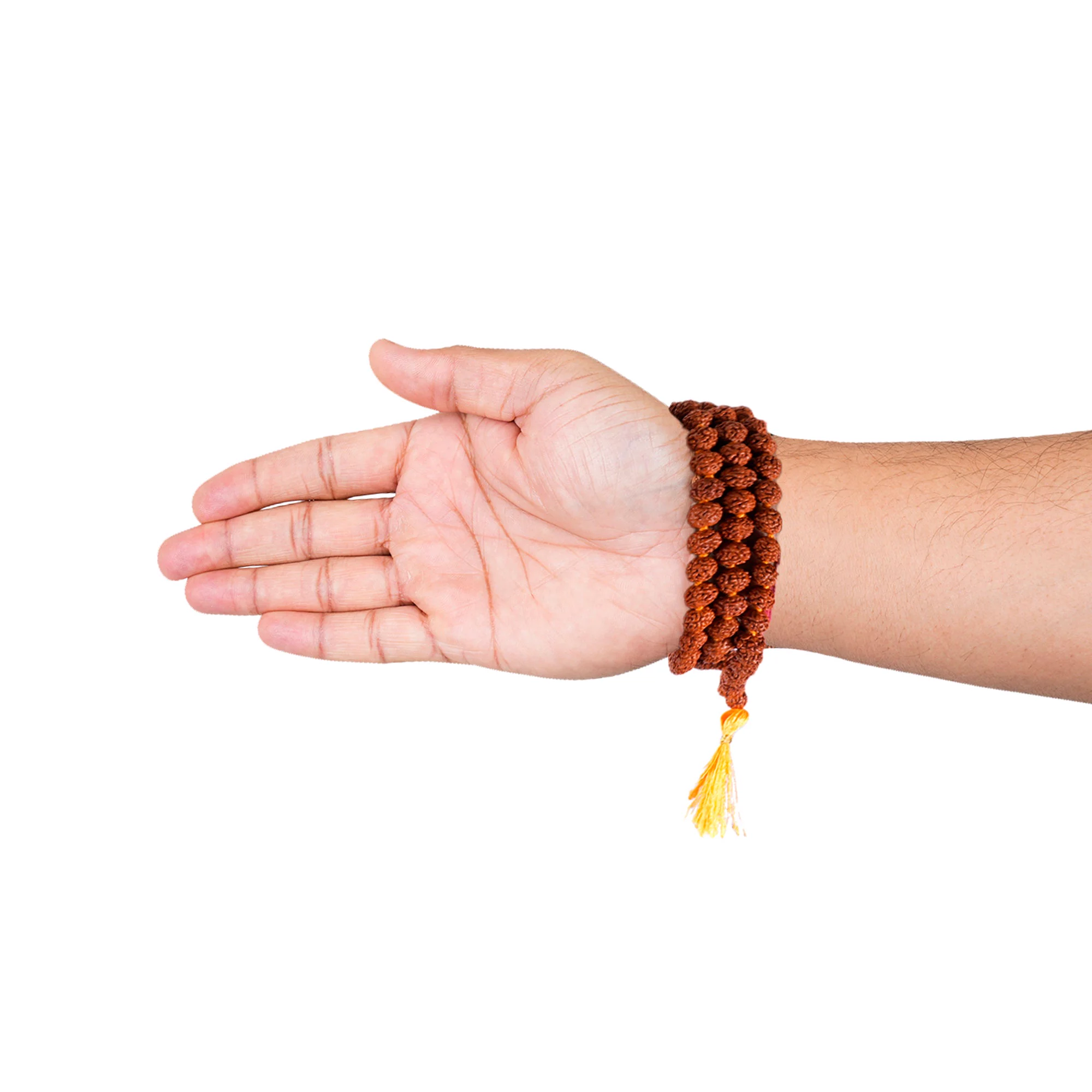
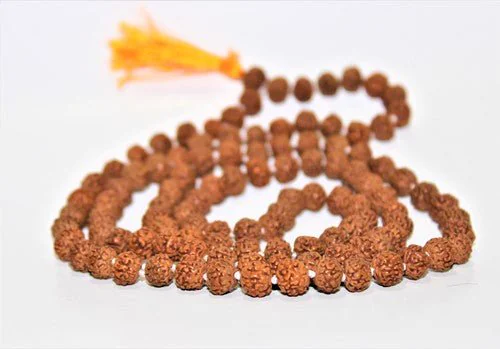
Continue with our Shiva mantra guide and japa mala guide, or explore the Rudraksha Mala collection. Let the object support attention rather than become a substitute for it.
Further reading
For a traditional philosophical explanation, read Swami Krishnananda's Dakshinamurti teaching. Interpretations of mudras and iconographic details vary across commentaries and artistic traditions; the explanations here are introductory, not a claim to replace lineage instruction.
Frequently Asked Questions
Q.Who is Sri Dakshinamurthy?
Dakshinamurthy is Shiva in the role of the spiritual teacher, especially recognised in Shaiva and Advaita traditions.
Q.Why does Dakshinamurthy face south?
The name and temple iconography identify a south-facing form. Traditional interpretations connect it with wisdom addressing mortality, fear and change.
Q.What is chin mudra?
It is the teaching gesture in which the thumb and index finger meet. Its philosophical meanings vary by commentary and tradition.
Q.Is Dakshinamurthy the same as Jupiter?
No. Dakshinamurthy is Shiva as guru; Jupiter or Brihaspati belongs to a planetary context, though some devotional practices connect themes of teaching with Thursday.
Q.Will a Dakshinamurthy prayer or Rudraksha guarantee exam results?
No. Devotion may accompany study, but it does not replace learning, revision, teaching or appropriate support.