Who Is Shukracharya? Story of the Guru of the Asuras, Venus and Sanjeevani Vidya
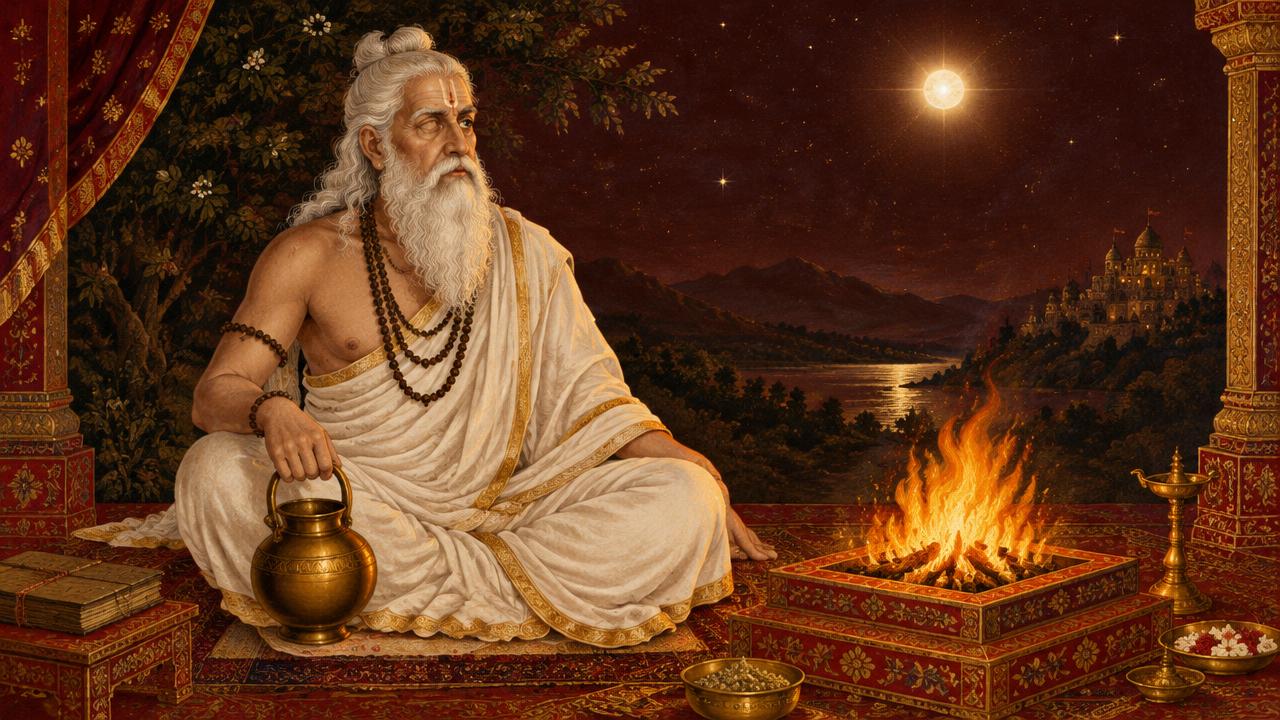
Shukracharya, son of Sage Bhrigu, is the brilliant guru of the Asuras and the presiding sage of the planet Venus. Here is his story, his teachings and how devotees honour Shukra today.
Quick answer: Shukracharya (also Shukra, Bhargava or Kavya Ushanas) is the guru and royal priest of the Asuras in Hindu tradition. He is a son of Sage Bhrigu, the master of the Mrita Sanjeevani Vidya (the knowledge of reviving the dead), the author associated with the Shukra Niti, and the sage identified with the planet Venus (Shukra graha), which rules Friday in Vedic astrology.
Most people meet Shukracharya as a side character in stories of the gods. Yet in the Puranas and the Mahabharata he is one of the most learned figures of the entire tradition — a teacher whose intelligence even the Devas feared, and a sage whose tapasya earned him a boon directly from Lord Shiva. Understanding him helps explain why Venus is treated as a teacher planet, why Friday is linked with beauty and relationships, and why astrologers speak of Shukra with respect rather than suspicion.
Birth and Lineage of Shukracharya
Shukracharya is born in the Bhrigu lineage, which is why he is called Bhargava. Most accounts name Sage Bhrigu as his father and Kavyamata (sometimes Ushana) as his mother. He is also called Kavya — the poet — because of his learning. His contemporary and rival was Brihaspati, son of Sage Angiras and guru of the Devas. The two teachers represent two complementary currents of wisdom: Brihaspati (Jupiter) as dharmic counsel, Shukra (Venus) as refined worldly and political intelligence.
Several narratives explain why Shukra chose the Asuras. One popular telling says that Brihaspati was favoured as a student of Sage Angiras, so Shukra went elsewhere to study and eventually offered his loyalty to the Daityas, who honoured him as their preceptor. Another links his choice to the killing of his mother by Vishnu during a battle in which she protected Asuras. As with most Puranic stories, versions differ, and each sampradaya emphasises a different lesson.
The Mrita Sanjeevani Vidya
Shukracharya's most famous attainment is the Mrita Sanjeevani Vidya, the secret knowledge of restoring life. Tradition says he performed intense austerities to Lord Shiva — in some versions hanging upside down over smoke for a thousand years — and Shiva granted him the mantra. With it, every Asura who fell in battle could be revived, which tilted the war between Devas and Asuras in the Asuras' favour.
This is why Shukra is often linked with the Maha Mrityunjaya tradition and with Shiva worship generally. Devotees remember that his power came from humility before Mahadeva. Many Rudraksha wearers connect this story to their own Shiva sadhana, though traditional texts never present a bead as a substitute for devotion or discipline.
Kacha, Devayani and the Lesson of Knowledge
Seeing their armies defeated again and again, the Devas sent Kacha, the son of Brihaspati, to become Shukracharya's disciple and learn the Sanjeevani secret. Shukra accepted him, because a true teacher does not refuse a sincere student. Shukra's daughter Devayani fell in love with Kacha.
The Asuras discovered the plan and killed Kacha repeatedly. Each time, Devayani begged her father, and he revived him. Finally the Asuras burned Kacha, mixed the ashes in wine and served it to Shukracharya himself. When Kacha spoke from inside his guru's stomach, Shukra realised that the only way to save both was to teach Kacha the Sanjeevani mantra. Kacha emerged, killing his teacher, and then used the newly learned mantra to revive him.
After this incident Shukracharya declared that Brahmins must never drink alcohol — one of the clearest moral teachings attached to his name. Kacha later refused to marry Devayani because she was now like a sister to him, as both had in a sense been born from Shukra. Devayani's story continues with King Yayati, whom she married, and with Sharmishtha, a princess of the Asuras — a famous Mahabharata episode about pride, promises and consequences.
How Shukracharya Lost One Eye
In the Vamana Avatar story, the Asura king Mahabali prepared to grant three steps of land to a small Brahmin boy. Shukracharya recognised that the boy was Vishnu and warned the king. When Bali insisted on keeping his word, Shukra made himself tiny and blocked the spout of the kamandalu so the water of the gift could not flow. Vamana pushed a blade of kusha grass into the spout, piercing one of Shukra's eyes. This is why Shukracharya is often depicted with a single eye — and why astrology sometimes associates a weak Venus with eye-related symbolism.
The story contains two lessons at once: Bali is praised for keeping his promise, while Shukra is praised for loyalty and foresight. Neither is presented as simply wrong.
Shukra Niti: Shukracharya the Statesman
A Sanskrit work on governance known as the Shukra Niti or Shukraniti is attributed to Shukracharya by tradition. Scholars generally consider the surviving text to be a later compilation, but it covers kingship, administration, taxation, the army, law, and the conduct of ministers. Its presence in the tradition shows how Shukra was seen: not merely as a priest of the Asuras but as an expert in statecraft and practical policy.
Shukracharya and the Planet Venus
In Jyotisha, Shukra graha (Venus) is named after the sage and is considered a natural benefic. Venus is commonly associated with:
- Relationships, marriage and attraction
- Art, music, beauty, fragrance and comfort
- Vehicles, luxury and refined pleasures
- Diplomacy and the ability to negotiate
- Friday (Shukravar) and the signs Taurus (Vrishabha) and Libra (Tula)
Venus is exalted in Pisces and debilitated in Virgo. Astrologers often say that Shukra gives a capacity for enjoyment that must be balanced with discipline — a fitting echo of the sage who drew his strength from tapasya.
Which Rudraksha Is Associated With Shukra (Venus)?
In many modern Rudraksha systems, the 6 Mukhi Rudraksha is linked with Venus and with Lord Kartikeya, while the 13 Mukhi Rudraksha is associated with Kamadeva and attraction. Some astrologers also suggest combinations that pair Venus with another planet depending on the birth chart. These associations come from devotional and astrological traditions; they are not medical or guaranteed outcomes. If you are unsure, use our free Rudraksha calculator or book a consultation.

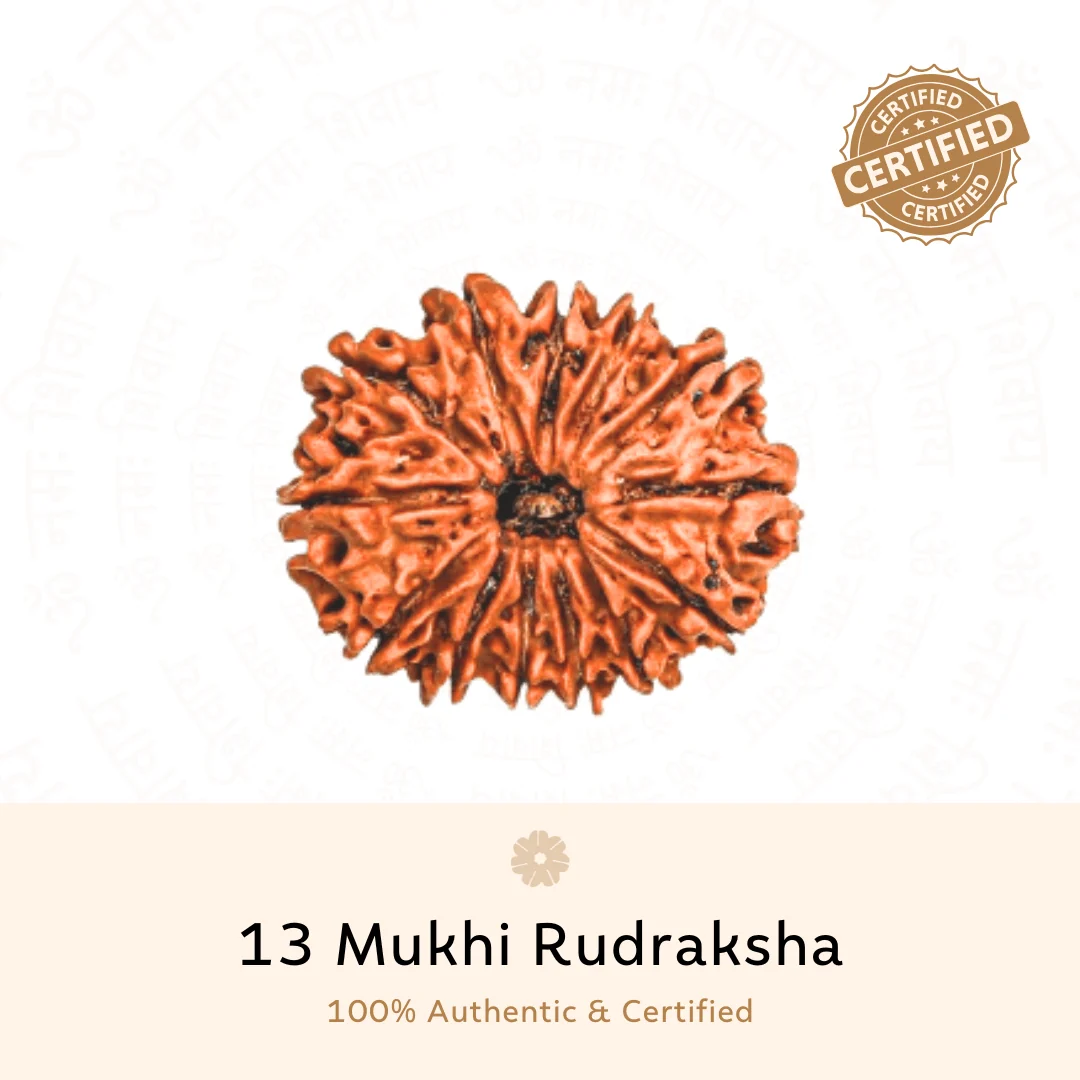
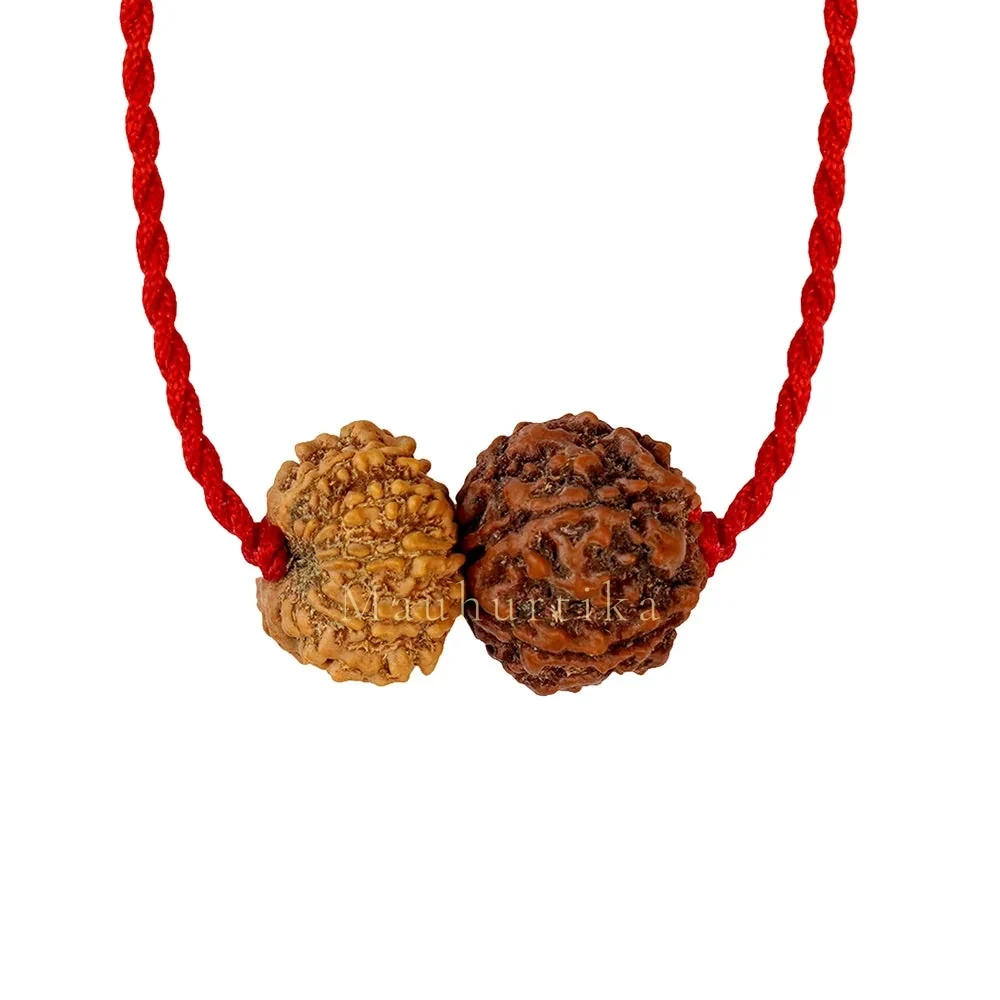
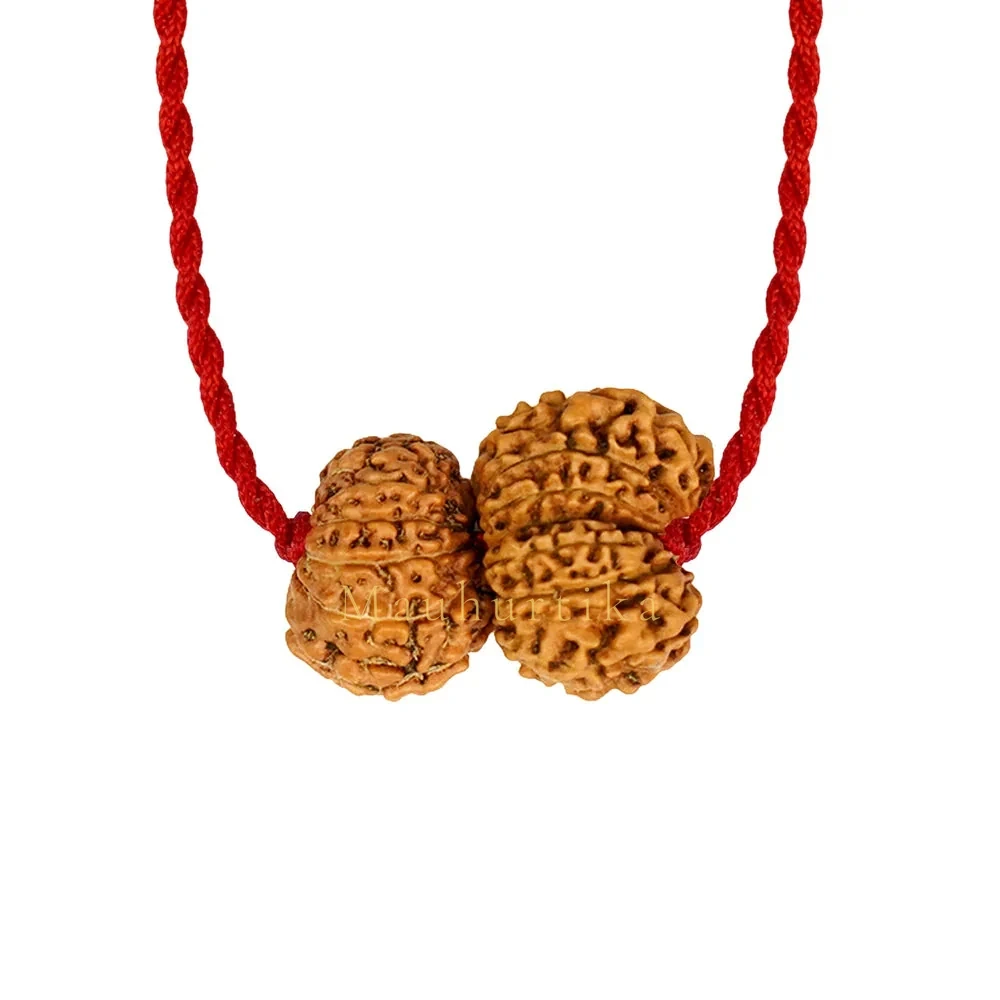
Shukra-Shani Vyapar Rajyog Kavach – 13 & 14 Mukhi Rudraksha
Read more in our guide to the 6 Mukhi Rudraksha and Venus and the overview of which planet each Mukhi represents.
How Devotees Honour Shukra on Fridays
- Wear clean white or light clothes and keep the home fragrant.
- Offer white flowers, rice or sweets in the evening.
- Chant the Shukra beej mantra “Om Draam Dreem Draum Sah Shukraya Namah” on a mala, 108 times, if your tradition allows it.
- Many households also worship Goddess Lakshmi on Friday, because both are linked with prosperity and grace.
- Give charity — white cloth, sugar or rice — according to your means.
Lessons From Shukracharya's Life
- Knowledge belongs to the sincere student. He taught Kacha even though Kacha came from the opposing side.
- Loyalty with foresight. He warned Bali of the danger despite knowing his advice might be ignored.
- Discipline is the foundation of power. His Sanjeevani came from years of tapasya to Shiva.
- Pleasure without restraint destroys. His ban on alcohol arose from his own painful mistake.
Frequently Asked Questions
Q.Who is Shukracharya in Hindu mythology?
Shukracharya is the guru of the Asuras, a son of Sage Bhrigu, the master of the Mrita Sanjeevani Vidya and the sage identified with the planet Venus.
Q.Why is Shukracharya called the guru of demons?
He chose to teach and serve the Daityas and Danavas as their royal priest. Stories give different reasons, including rivalry with Brihaspati and the loss of his mother.
Q.How did Shukracharya get the Sanjeevani mantra?
Tradition says he performed severe austerities to Lord Shiva, who granted him the knowledge of reviving the dead.
Q.Why does Shukracharya have one eye?
In the Vamana story he blocked the spout of Bali's water pot; Vamana pierced it with kusha grass and damaged one of his eyes.
Q.Which Rudraksha is linked with Venus?
The 6 Mukhi is the most common Venus association in modern systems; the 13 Mukhi is linked with attraction. Associations vary between astrologers.
Q.What is the Shukra mantra?
A commonly chanted beej mantra is “Om Draam Dreem Draum Sah Shukraya Namah”, often recited 108 times on Friday.