Ambaji Mata: Sacred Story, Yantra Worship and Pilgrimage Guide
Discover Ambaji Mata, the Sati tradition, yantra-centred worship, Gabbar Hill and practical pilgrimage advice for Gujarat’s sacred shrine.
Quick answer: Ambaji is a major goddess pilgrimage centre in Banaskantha, Gujarat. Worship at the Arasuri Ambaji temple centres on a sacred yantra rather than an anthropomorphic idol. The Sati and Shakti Peetha connection belongs to devotional tradition; practical travel arrangements should be checked with the temple before your visit.
Many visitors approach Ambaji expecting a familiar goddess image. What makes the shrine distinctive is that devotion is directed toward a sacred form that is not a conventional human-shaped statue. Understanding that difference helps a first-time pilgrim arrive with respect rather than disappointment. The journey combines goddess worship, the landscape around Gabbar Hill and the living customs of families who return year after year.
Who is Ambaji Mata?
Amba is a name for the Divine Mother. At Arasuri Ambaji, devotees approach her as a source of maternal care, courage and guidance. These meanings describe religious experience; they do not establish a guarantee that a particular wish will be fulfilled. Prayer can be an expression of gratitude as much as a request for something missing.
The name Arasuri connects the shrine with the Arasur region. The temple is in Gujarat's Banaskantha district, near the Rajasthan border. Its place in Shakta devotion makes it a destination for pilgrims from beyond Gujarat as well as neighbouring communities.
The Sati story and the Shakti Peetha tradition
In a well-known Puranic narrative, Sati gives up her body after the insult to Shiva at Daksha's sacrifice. Shiva's grief and the dispersal of Sati's bodily parts are used to explain the sacred geography of the Shakti Peethas. Ambaji is traditionally associated with the falling of her heart. This is a devotional identification, not an archaeological claim.
Lists and details of Shakti Peethas differ across texts and regional traditions. The meaning of a pilgrimage does not depend on forcing every version into one identical list. At Ambaji, the emphasis is on the Mother's presence and the devotee's approach with sincerity.
Why there is no ordinary goddess idol
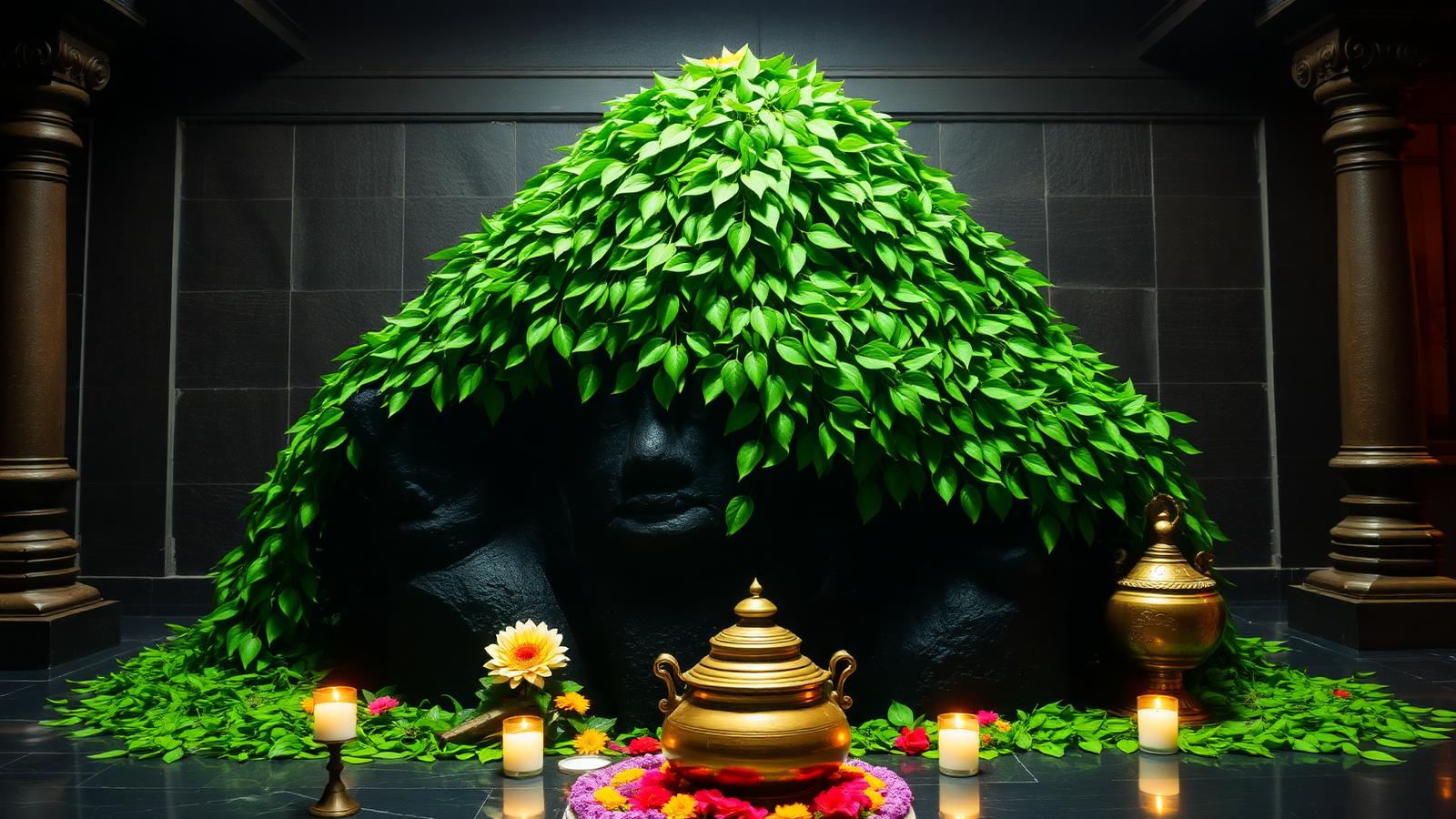
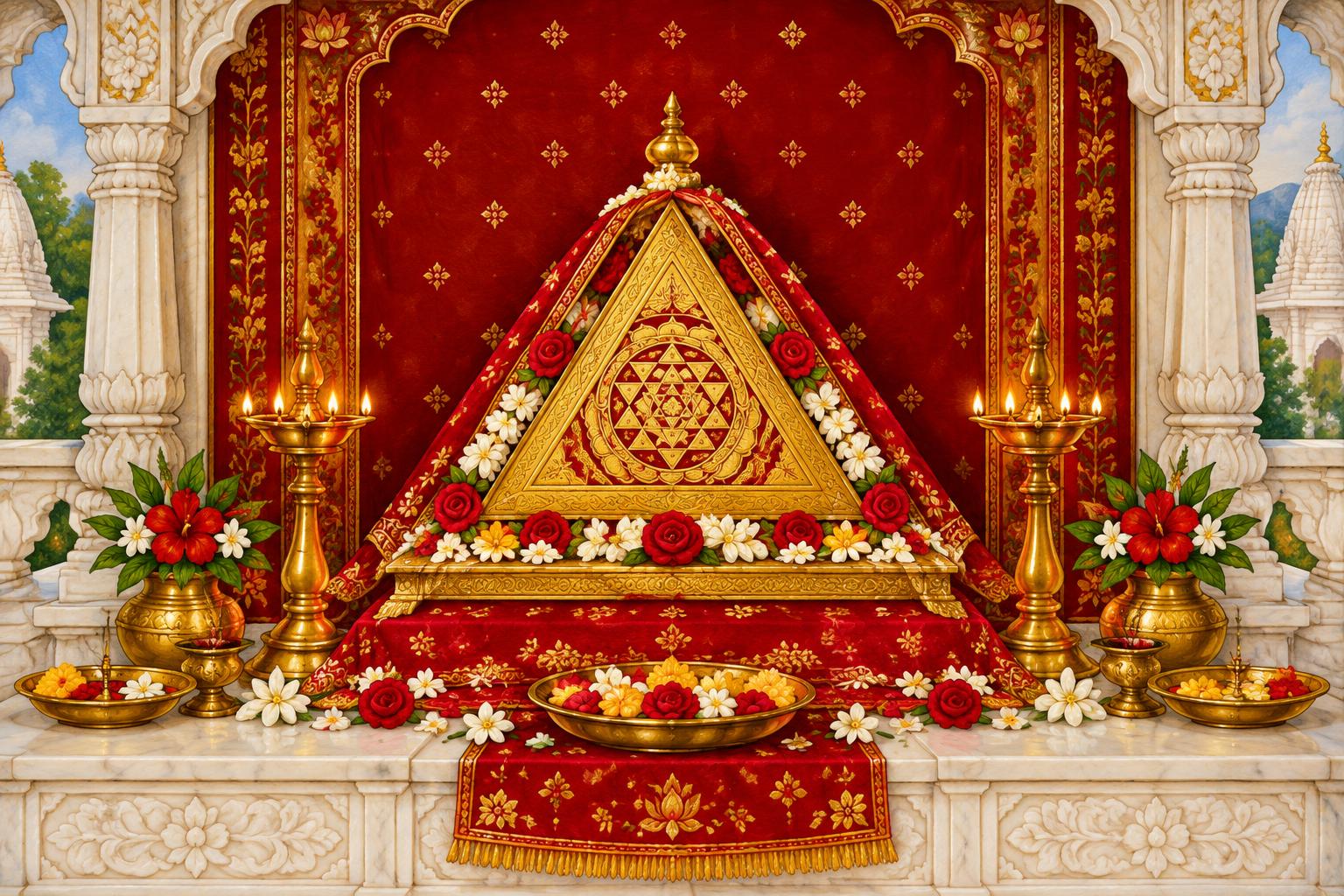
The official district description identifies Ambaji as a shrine without an idol of the goddess. The temple's own account describes the sacred Visa Shree Yantra as central to worship. Clothing and adornment may create a goddess-like visual impression, but visitors should not confuse that arrangement with an anthropomorphic statue.
The yantra is not an object for unrestricted photography or close inspection. Respect the temple's instructions regarding viewing and conduct. A decorative printed diagram at home is not the same object as the shrine's sacred yantra, and the illustration in this article deliberately makes no claim to reproduce it.
Temple history and the limits of a simple timeline
Ambaji's significance comes from layers of regional worship, pilgrimage and sacred narrative rather than one easily established foundation date. Tourism accounts describe its longstanding place in goddess devotion. It is better to acknowledge that layered history than invent an exact construction year or turn a legend into a dated event.
For a visitor, the important distinction is between the continuing sacred tradition and the current physical arrangements. Buildings, management, facilities and visitor routes can change while devotion remains continuous. Check current official information rather than relying on an old photograph or a travel blogger's schedule.
Gabbar Hill and the wider pilgrimage
Gabbar Hill is closely connected with the Ambaji pilgrimage landscape. Some visitors include it alongside the main temple as part of a more complete journey. Allow time for the effort involved and choose access arrangements suited to the health and mobility of your group.
A hill visit should not become a test of devotion for children, older relatives or anyone with limited stamina. Check current access options and weather before setting out. Carry water, avoid rushing and be considerate of other pilgrims using narrow paths or steps.
A simple home prayer to the Divine Mother
A home observance can be modest: clean the prayer space, place a familiar image or symbol of Devi, offer flowers if appropriate and spend a few moments in prayer. A brief address such as Jai Ambe is common in everyday devotion. Use a lamp only where it can be kept safely away from fabric and children.
Formal yantra installation and specialised mantra practices may have lineage-specific requirements. This article is not a substitute for instruction in those methods. If you are learning, simplicity is preferable to copying a complex ritual sequence without understanding its meaning.
Planning darshan thoughtfully
- Confirm current temple opening, aarti and visitor arrangements through the official temple information.
- Allow extra time during Navratri and other busy periods rather than assuming a fixed queue length.
- Wear clothing suited to a place of worship and follow instructions on footwear and photography.
- Plan food, drinking water and transport for the whole group, including anyone with medical needs.
- Use clearly identified official channels for paid services and keep receipts where applicable.
- Do not promise family members that a purchased object or donation will ensure a specific outcome.
Can Rudraksha be part of Devi devotion?
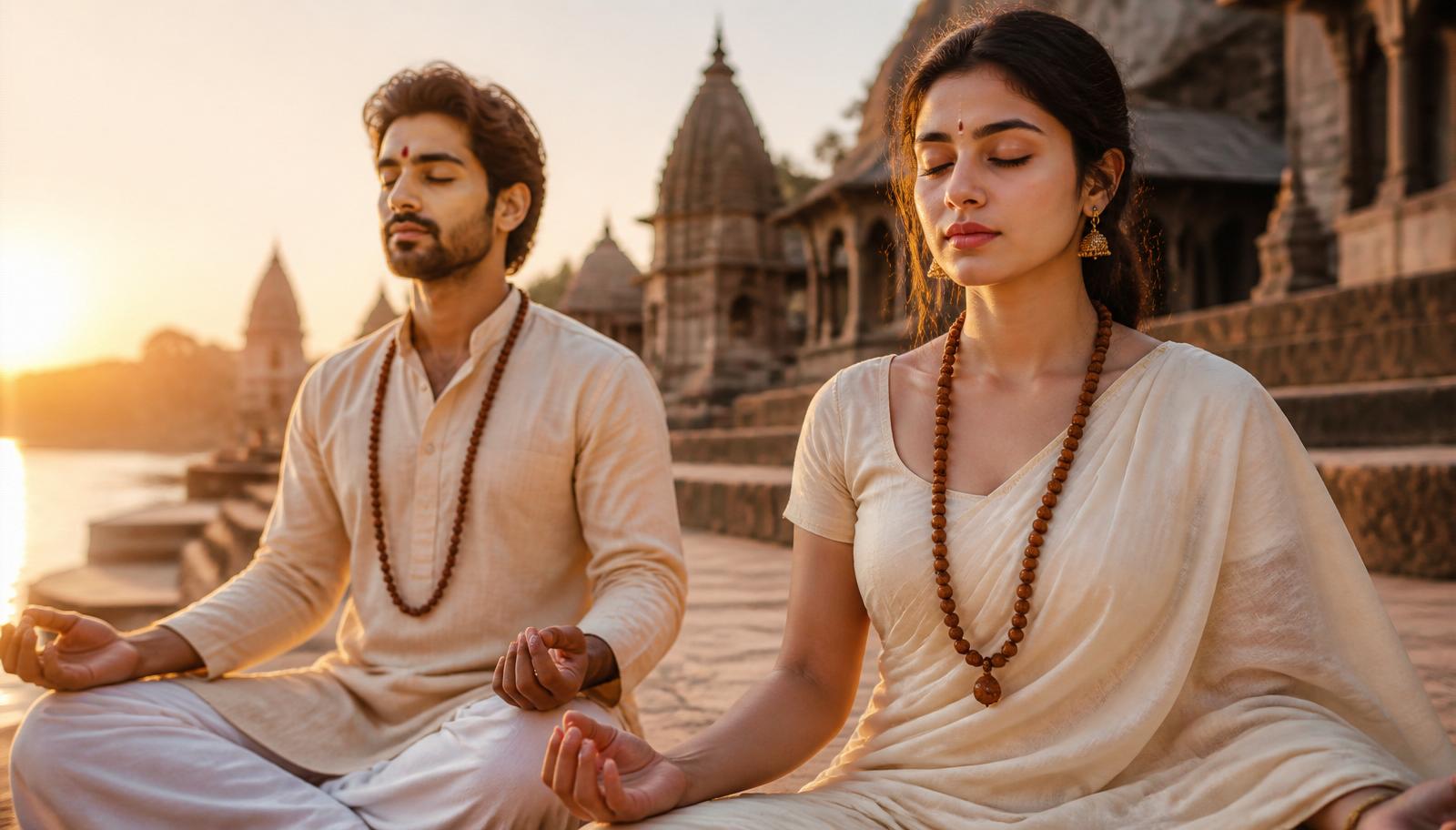
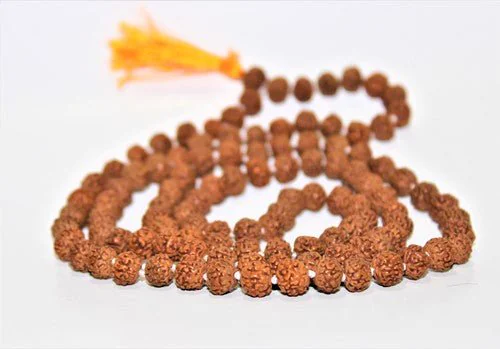
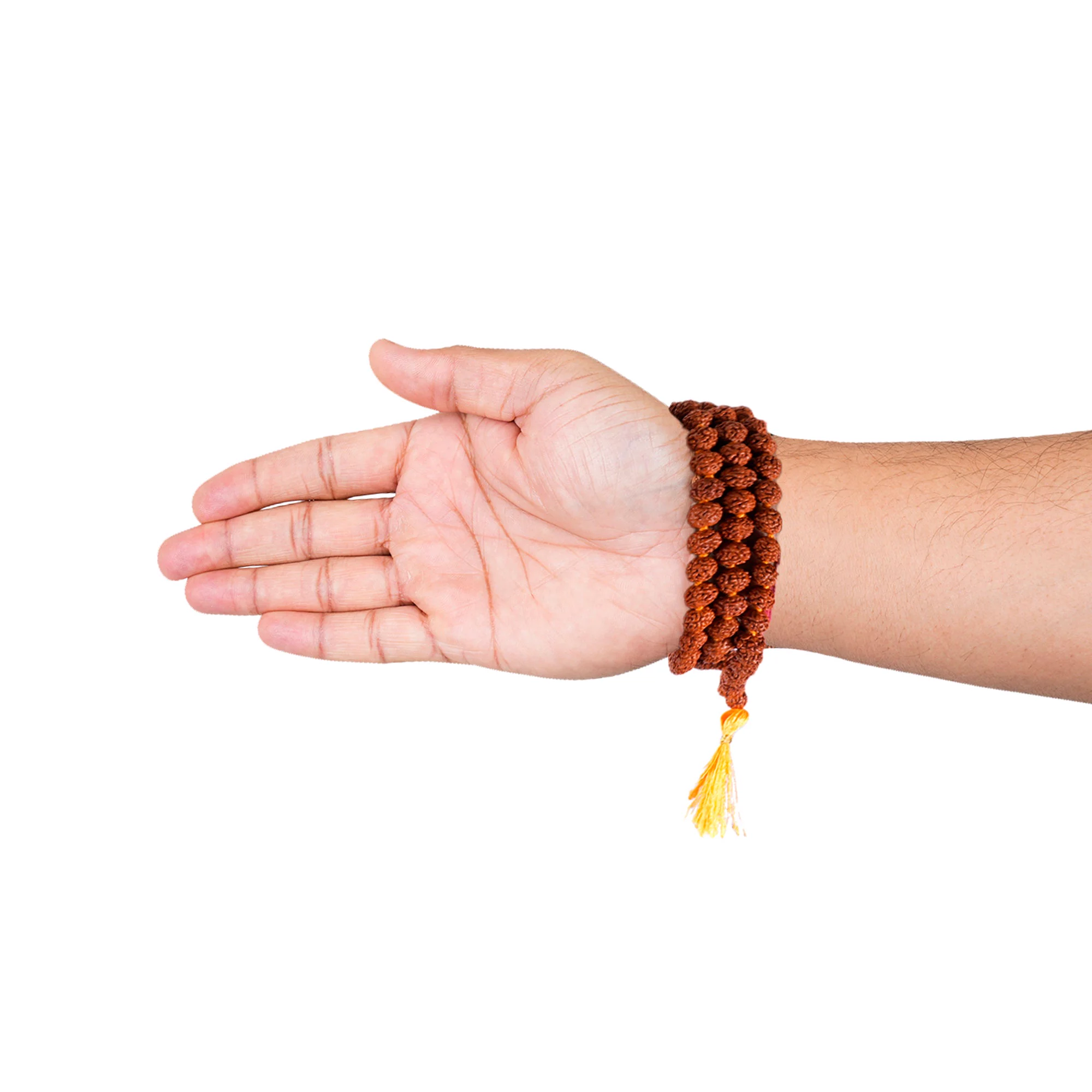
Some devotees use a Rudraksha mala for personal mantra counting alongside their goddess worship. It is an optional devotional aid, not an Ambaji entry requirement and not a replacement for the temple's own puja customs. Your teacher may recommend a different counting strand for a formal practice.
If you already use Rudraksha, choose a comfortable, clearly described strand rather than shopping under pressure. The real malas below are offered for ordinary personal japa; no claim is made that they reproduce temple objects or carry an Ambaji-specific guarantee.
Continue exploring goddess traditions
Read our Shailputri Devi guide for a Navratri-related topic and the Rudraksha mala rules for practical strand care. Browse Rudraksha malas only if a counting aid fits your own practice.
Sources and visitor updates
The Banaskantha district Ambaji description, Gujarat Tourism Ambaji guide and official Ambaji temple information support the shrine and pilgrimage details above. Use the temple's latest notices for operational information; no fixed opening hours or ticket prices are promised here.
Frequently Asked Questions
Q.Where is Ambaji Mata temple?
The Arasuri Ambaji temple is in Banaskantha district, Gujarat, near the Rajasthan border.
Q.Does Ambaji temple have a goddess idol?
The shrine is known for yantra-centred worship rather than an anthropomorphic goddess idol. Follow the temple's guidance for darshan and viewing.
Q.Which part of Sati is associated with Ambaji?
Devotional tradition commonly associates Ambaji with Sati's heart. This belongs to the Shakti Peetha narrative, not a historical excavation record.
Q.Is Gabbar Hill the same as the main temple?
It is a related pilgrimage location, not simply another name for the main temple. Check current access arrangements if you plan to include both.
Q.Must I buy a Rudraksha mala before visiting Ambaji?
No. A mala is an optional personal devotional aid, not a requirement for visiting the shrine.