Rudraksha Soaked Water: Safety & Evidence
Rudraksha soaked water explained: traditional claims, lack of established health evidence, non-food bead safety and why ordinary safe water is preferable.
Do not treat water left with a Rudraksha bead as drinking water or medicine. Beads sold for jewellery or worship are not automatically food-certified, and the safety of substances released during soaking may be unknown. Traditional descriptions of a ritual are not evidence of a medical benefit. Use ordinary safe drinking water instead.
Why people ask about overnight soaking
People sometimes encounter advice claiming that a seed can change the properties of water or transfer beneficial energy to it. Such statements may be part of a tradition, a personal anecdote or a sales claim. Each has a different evidential meaning. A practice can have cultural significance without being established as safe ingestion or a treatment.
This article does not provide a soaking recipe or recommend drinking treated water. There is no need to reproduce a risky instruction in order to explain why it should be approached cautiously. If you use water symbolically in worship, keep that ritual separate from what you consume.
A wearable bead is not a food product
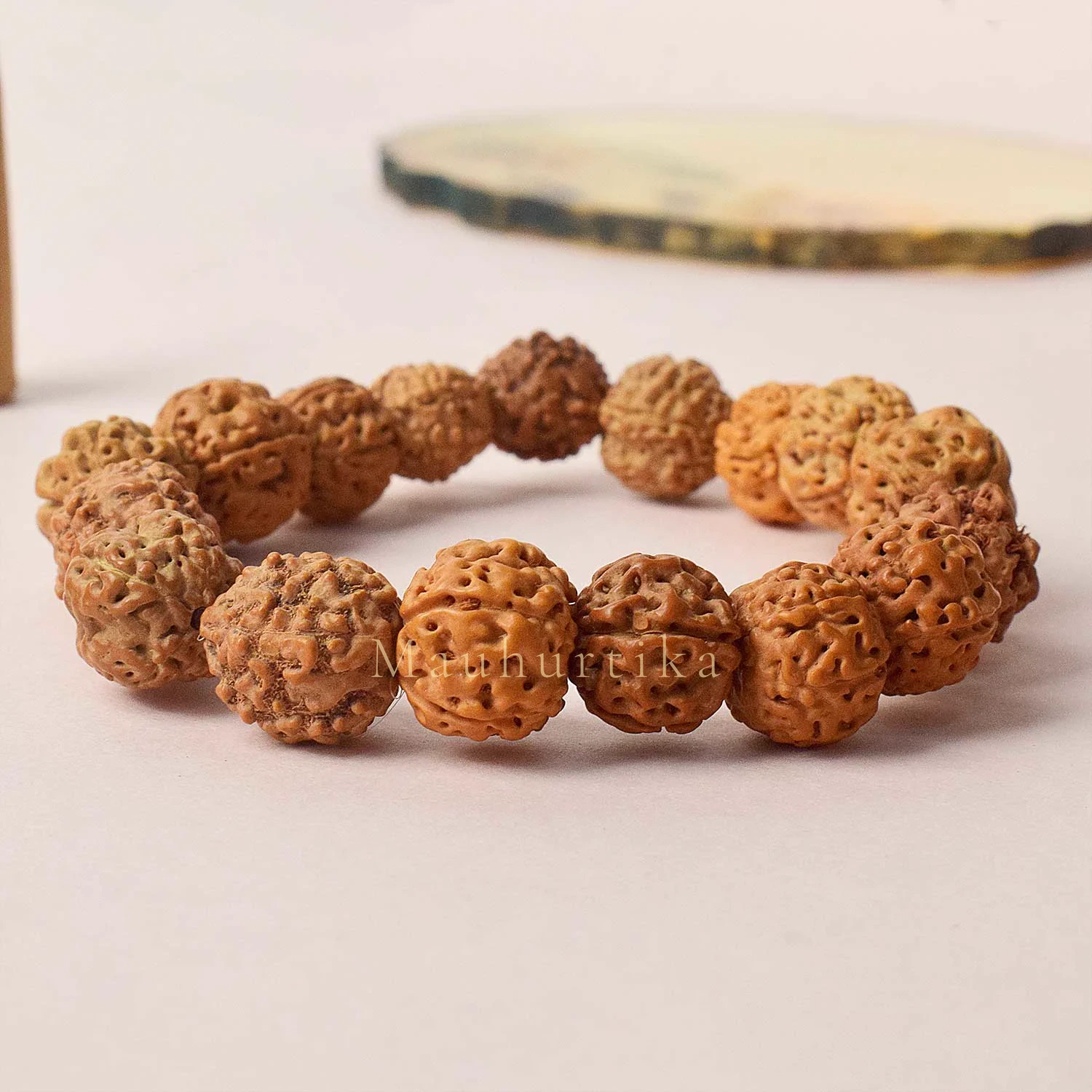
A bead may have passed through cleaning, colouring, oiling, polishing or mounting processes. There may be dust, residues, adhesives, thread treatments or metal components. Even a bead described as natural is not thereby proven suitable for food contact. A seller's general authenticity statement does not establish the safety of water exposed to the finished product.
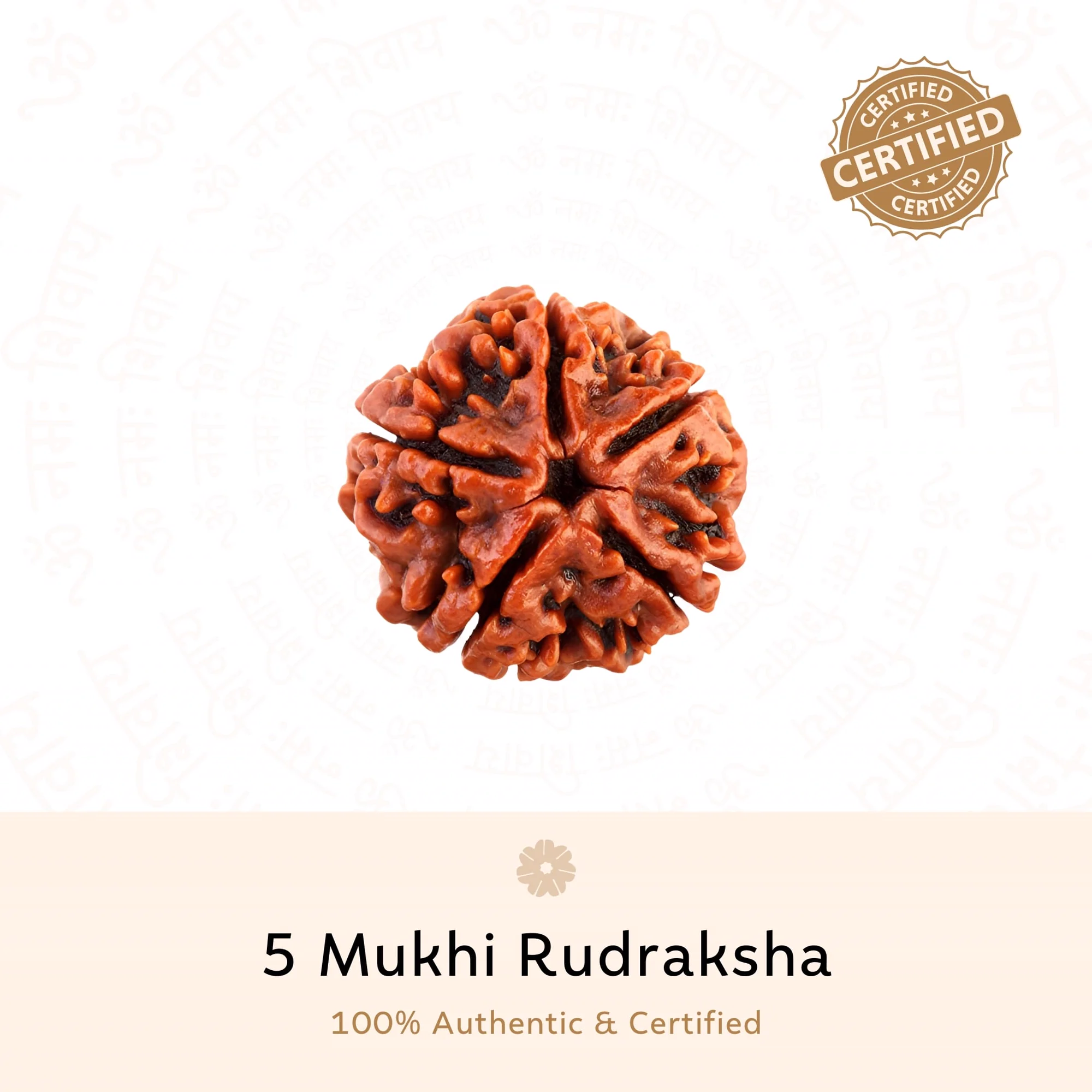
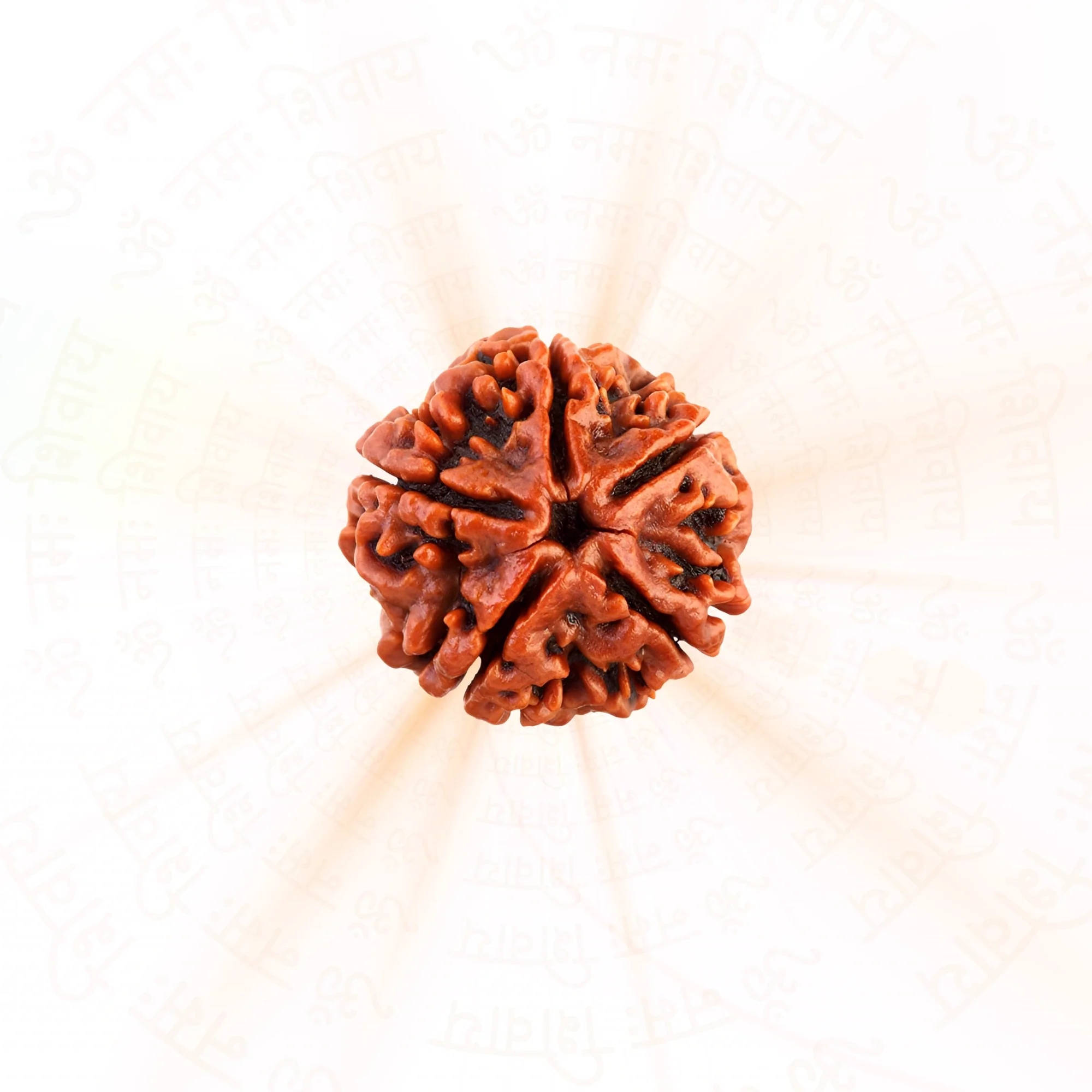
A lab report about mukhi structure is a different document from food-contact testing. Ask what a claim actually covers. The absence of a visible coating cannot show that no residue is present, and washing a bead at home is not a validated method of making it food-safe.
What scientific-sounding claims leave out
Material measurements do not automatically demonstrate a health effect after drinking water. To support an ingestion claim, evidence would need to address the actual preparation, chemical and microbiological safety, dosage and relevant outcomes in people. A testimonial or an electrical-property demonstration does not answer those questions.
Do not use soaked-bead water to manage blood pressure, anxiety, pregnancy symptoms or another medical concern. Follow advice from a qualified healthcare professional. Your usual treatment should not be stopped because a spiritual accessory is marketed as an alternative.
Ordinary safe drinking water is the better choice
The World Health Organization drinking-water overview explains why safe water matters for health. It is general public-health guidance, not a Rudraksha-specific study. Our recommendation to avoid bead-soaked water reflects the uncertainty of using a non-food product, not a claim that this particular article has laboratory-tested every bead.
If you have already drunk such water and feel unwell, seek medical advice and explain what was in the water, including any metal, coating or other treatment you know about. Do not diagnose poisoning from an internet article, and do not repeat the practice to test whether symptoms return.
Pregnancy, children and medical conditions
No benefit for pregnancy or fetal health is established here. Do not offer bead-soaked water as a remedy to a pregnant person or child. If you have a medical condition, obtain individual advice rather than assuming that a “natural” item is suitable for ingestion. For the separate question of wearing an accessory, see Rudraksha during pregnancy.
Wearing, touching and drinking are different exposures. A bead that is comfortable to wear does not automatically make contact water safe to consume. Keep loose beads away from young children because small objects and cords also introduce physical hazards unrelated to spiritual beliefs.
Cleaning the bead without making a drink
Use care instructions suited to the actual bead and mounting. Avoid unnecessary prolonged soaking and harsh household chemicals. Appropriate gentle cleaning should be followed by drying; any water used for cleaning should be discarded, not saved as a tonic. Inspect threads and fittings, and ask the seller about finishes before applying oils or solvents.
Do not confuse cleaning with an authenticity test. Floating, sinking or leaving a bead overnight in water does not establish mukhi count, origin or safety. For joined formations, aggressive wetting or forcing the junction can also damage the specimen.
Respectful practice without ingestion
If a Rudraksha matters to your worship, you can keep it as a prayer aid or devotional reminder without consuming anything exposed to it. A modest, consistent practice does not require a health claim. People should be free to respect a tradition while asking careful questions about food safety.
There are deliberately no product cards in this safety article. Buying another bead is not the answer to uncertain drinking-water advice, and no model is promoted as a medically effective water-treatment accessory.
Related guides
Read Rudraksha and modern science, pregnancy and wearing and first-wearing customs.
Frequently Asked Questions
Q.Can I drink water after soaking Rudraksha overnight?
This guide recommends against it. A spiritual accessory is not automatically food-certified, and ingestion safety and health benefits have not been established here.
Q.Does natural mean food-safe?
No. Natural origin does not prove safe processing, storage, coatings or food-contact suitability.
Q.Does a Rudraksha certificate prove the water is safe?
Not unless a relevant food-safety assessment explicitly covers that use. A report about bead structure is not evidence for drinking-water safety.
Q.Can soaking water replace medicine?
No. Do not use it as treatment or stop prescribed care. Ask a qualified clinician about health concerns.