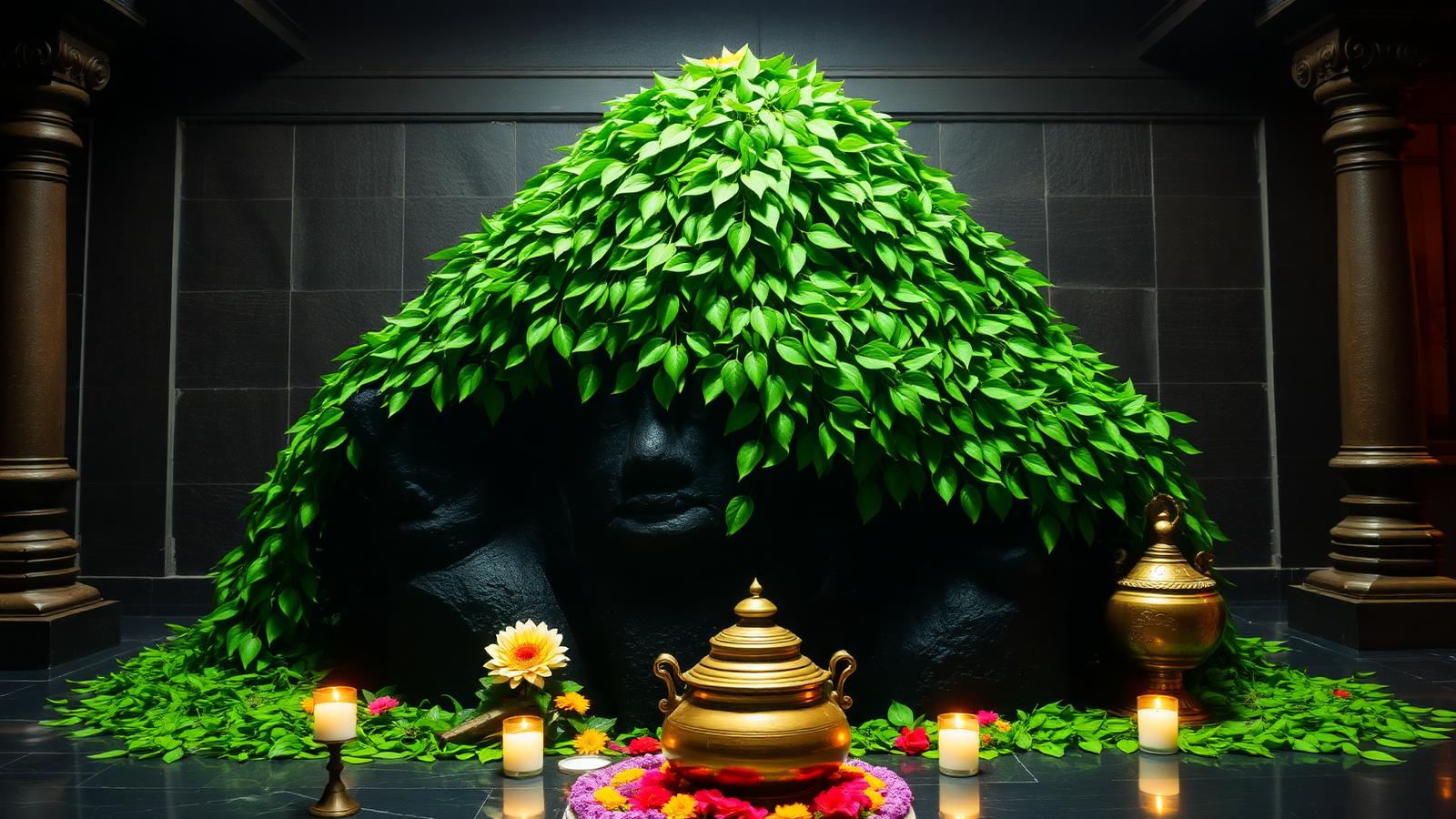
Lord Shiva: Meaning, Sacred Symbols and Why Devotees Say Mahadev
Understand Shiva’s name, Mahadev and Devadhideva, sacred symbols, major stories and simple worship, with thoughtful Rudraksha guidance.
Quick answer: Shiva is commonly understood as the auspicious one. Mahadev means great god, and Devadhideva is a devotional title often translated as God of gods. Shaiva traditions approach Shiva as supreme; Hindu traditions more broadly express divine reality in several ways. These titles should not be used to dismiss devotion to Vishnu, Devi or other forms.
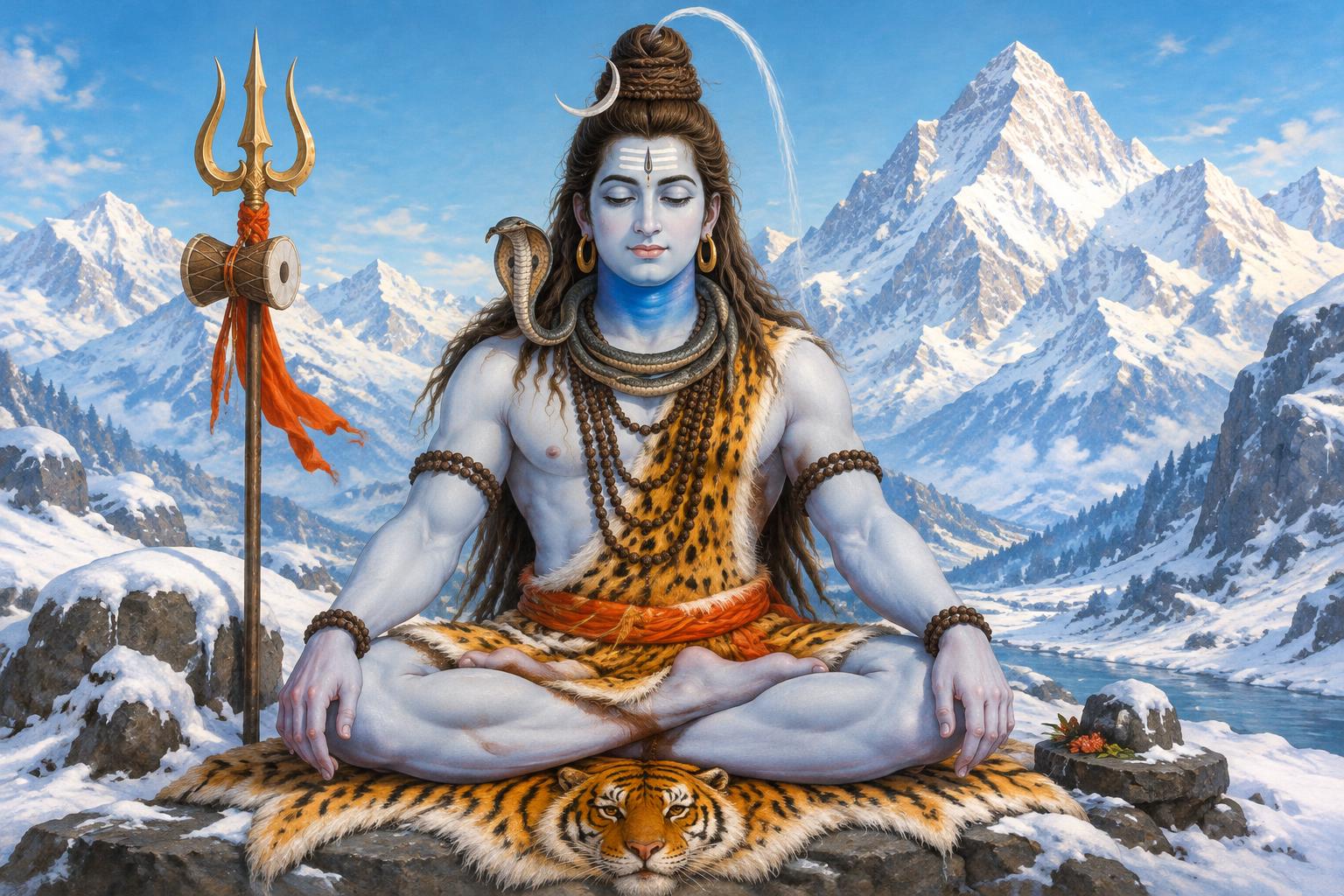
Shiva's image holds striking contrasts. He is the still yogi and the cosmic dancer, the ascetic and the householder, the fierce Rudra and the approachable Bholenath. Those contrasts are not necessarily contradictions. They give devotees several ways to contemplate consciousness, change, responsibility and compassion.
What does the name Shiva mean?
The Sanskrit name is associated with auspiciousness and benevolence. Shiva's relationship with the Vedic Rudra is important in the development of Shaiva traditions, while later Puranic narratives present a rich divine personality and sacred geography.
A short meaning cannot exhaust the name. For a devotee, Shiva may also evoke a prayer heard in childhood, a temple visited with family or the discipline of meditation. These personal associations coexist with historical and philosophical study.
Why is Shiva called Mahadev or God of gods?
Mahadev expresses greatness and reverence; Devadhideva praises Shiva's divine supremacy in devotional language. In Shaiva theology, Shiva may be approached as the highest reality. In other Hindu frameworks, different divine forms are understood through their own theological relationships or as manifestations of the one reality.
It is therefore more accurate to explain the title within its tradition than to claim it settles every Hindu school into one hierarchy. Respectful worship does not require turning a name of praise into an argument against another person's deity.
Destruction as transformation, not mere violence
Popular introductions often call Shiva the destroyer within the Trimurti. The word can sound purely negative when removed from its philosophical setting. Dissolution is also the end of exhausted forms and the possibility of renewal; change is inseparable from life.
This symbolism does not make every loss desirable or tell a grieving person to ignore pain. It offers a contemplative framework for impermanence. Devotional teachings are best approached with compassion rather than used as simplistic explanations for someone else's suffering.
The third eye, crescent and Ganga
The third eye is commonly read as insight beyond ordinary perception. Stories of its opening communicate the power of awareness and the limits of unexamined desire. It is a sacred symbol, not proof that wearing a bead activates a measurable additional organ.
The crescent moon connects Shiva with time and its cycles. The Ganga held in his matted hair recalls the descent of a powerful river made bearable for the world. Together these images express mastery and care, but their exact interpretation differs across tellings.
Trishul, damaru and ash
The trident has many symbolic explanations, including threefold qualities or aspects of experience. The damaru evokes rhythm and creation in sacred interpretation. Ash reminds practitioners of impermanence and the simplicity that remains when attachments are stripped away.
Do not turn these symbols into a catalogue of guaranteed effects. A trident pendant, ash mark or Rudraksha strand can carry meaning without functioning as a machine that delivers a promised result. The practice and the understanding of the wearer matter.
Neelkanth and the churning of the ocean
In the ocean-churning narrative, a dangerous poison emerges and Shiva receives it, becoming Neelkanth, the blue-throated one. Devotees often read the story as an expression of sacrifice and the containment of harm for the welfare of others.
The tale is mythic narrative, not a medical instruction. Never imitate the consumption of harmful substances, and never infer that devotion can make a poison safe. Its ethical invitation is to respond to danger responsibly, not to abandon ordinary protection.
Shiva as Nataraja and Dakshinamurthy
Nataraja presents cosmic activity through dance, while Dakshinamurthy presents insight through stillness and teaching. Both forms can belong to one devotional world. Movement and silence are not enemies; they illuminate different aspects of the same contemplative concern.
For a closer look at the teacher form, read our Dakshinamurthy guide. When viewing sacred art, take time to observe the whole composition rather than searching only for a list of symbols to memorise.
Shiva and Parvati: ascetic and householder
Shiva's household with Parvati, Ganesha and Kartikeya is central to many beloved narratives. It shows that devotion is not limited to leaving ordinary relationships behind. Themes of companionship, differing temperaments and responsibility appear alongside ascetic discipline.
The naturally joined Gauri Shankar Rudraksha is often connected devotionally with Shiva–Parvati unity. That symbolism should not become a promise to repair a relationship automatically. Read our Gauri Shankar guide for physical identification and careful buying advice.
A simple daily Shiva prayer
Set aside a quiet moment in a clean space. Offer a brief prayer and recite Om Namah Shivaya at a comfortable pace if it belongs to your practice. A safe lamp or an ordinary flower may be used according to custom; elaborate arrangements are not compulsory for every household.
If you use a mala, move one bead per repetition and follow your teacher's counting method. Do not force breath retention or a large count while uncomfortable. Formal ritual methods and specialised mantras should be learned with appropriate guidance.
Rudraksha as a devotional aid
Rudraksha is associated with Rudra and Shiva, and many devotees wear a bead or use a mala during japa. The connection is meaningful without claiming that a seed protects from every accident, treats disease or guarantees prosperity. Choose a comfortable object and a practice you can sustain.
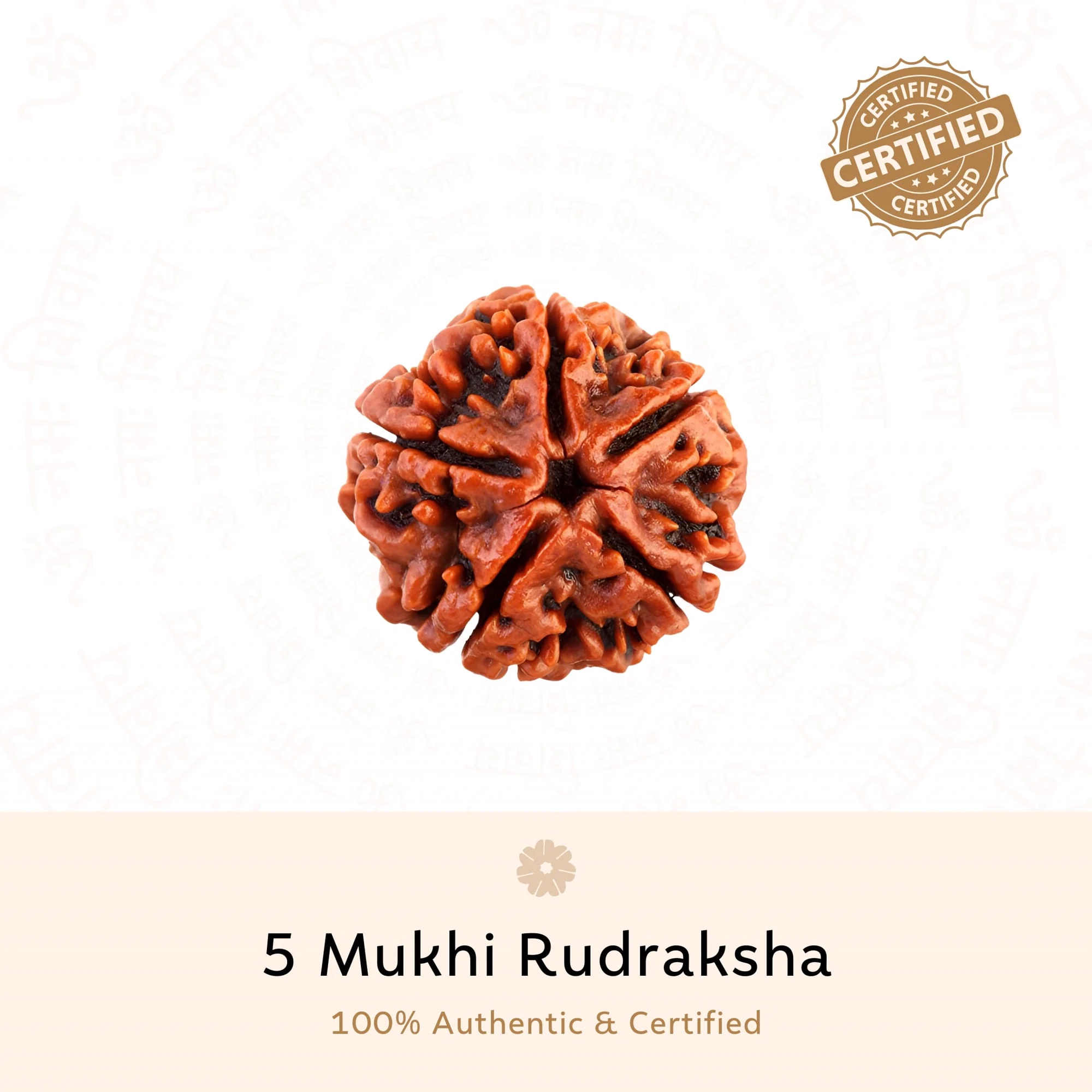
The products below come from Mauhurtika's current catalogue and show real product images and prices. A simple 5 Mukhi bead or mala may be a suitable starting point for someone exploring ordinary Shiva japa; the illustration above is not a sale photograph.
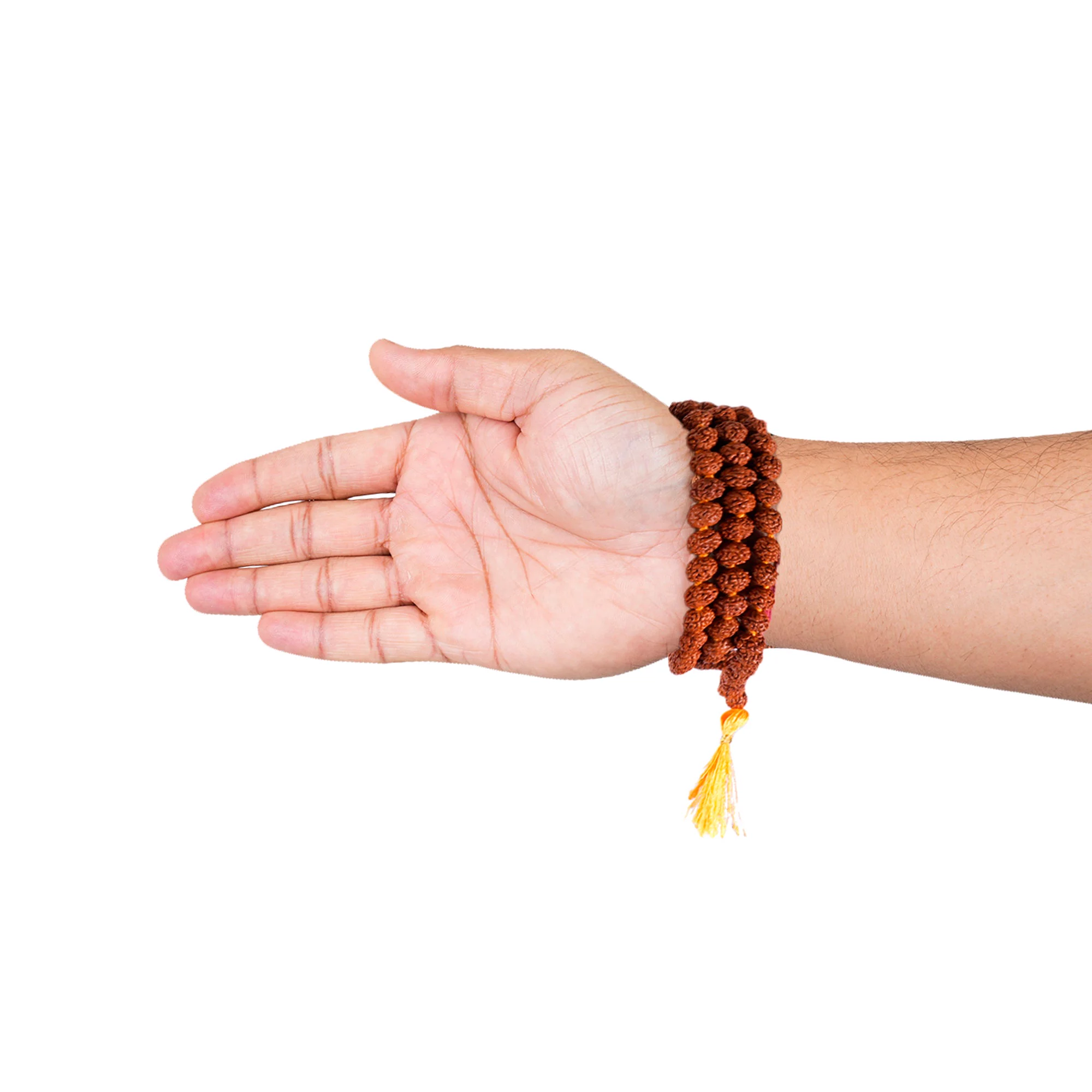
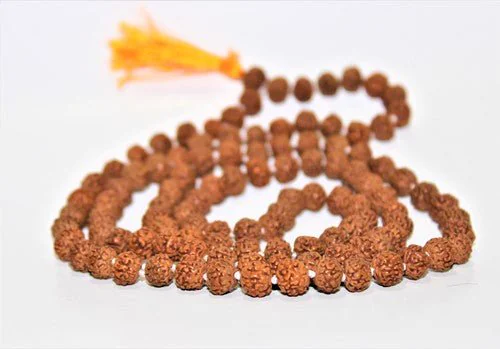
Explore the Rudraksha Mala collection, Shiva mantras and our Omkareshwar pilgrimage guide for practical next steps. Purchase only when an item suits your actual devotional use.
Background sources
The Britannica introduction to Shaivism provides historical and theological context. Sacred narratives and iconographic readings vary across texts, regional traditions and schools; this guide presents common introductory interpretations rather than one compulsory account.
Frequently Asked Questions
Q.What does Shiva mean?
The name is commonly associated with auspiciousness and benevolence, while devotional and philosophical meanings extend beyond a short translation.
Q.Why is Shiva called Mahadev?
Mahadev is a title of reverence meaning great god. Devadhideva is often translated as God of gods within devotional praise.
Q.Is Shiva only a destroyer?
No. Shaiva traditions include Shiva as supreme consciousness, teacher, yogi, householder and the principle of dissolution and renewal.
Q.What does Neelkanth mean?
It means blue-throated and refers to the sacred ocean-churning narrative in which Shiva contains the emerging poison.
Q.Must I buy an expensive Rudraksha to worship Shiva?
No. Prayer is not dependent on an expensive purchase. A bead or mala is an optional personal aid to devotion and counting.