Siddha Mala: Complete Guide to Types, Choosing, Wearing and Care
A practical guide to multi-mukhi Siddha Malas, from Nepali and Indonesian strands to Gayatri, Mangal, Sarva, Maha Mrityunjaya and Brahma collections—what to compare, what to verify and how to care for your mala.
What Is a Siddha Mala?
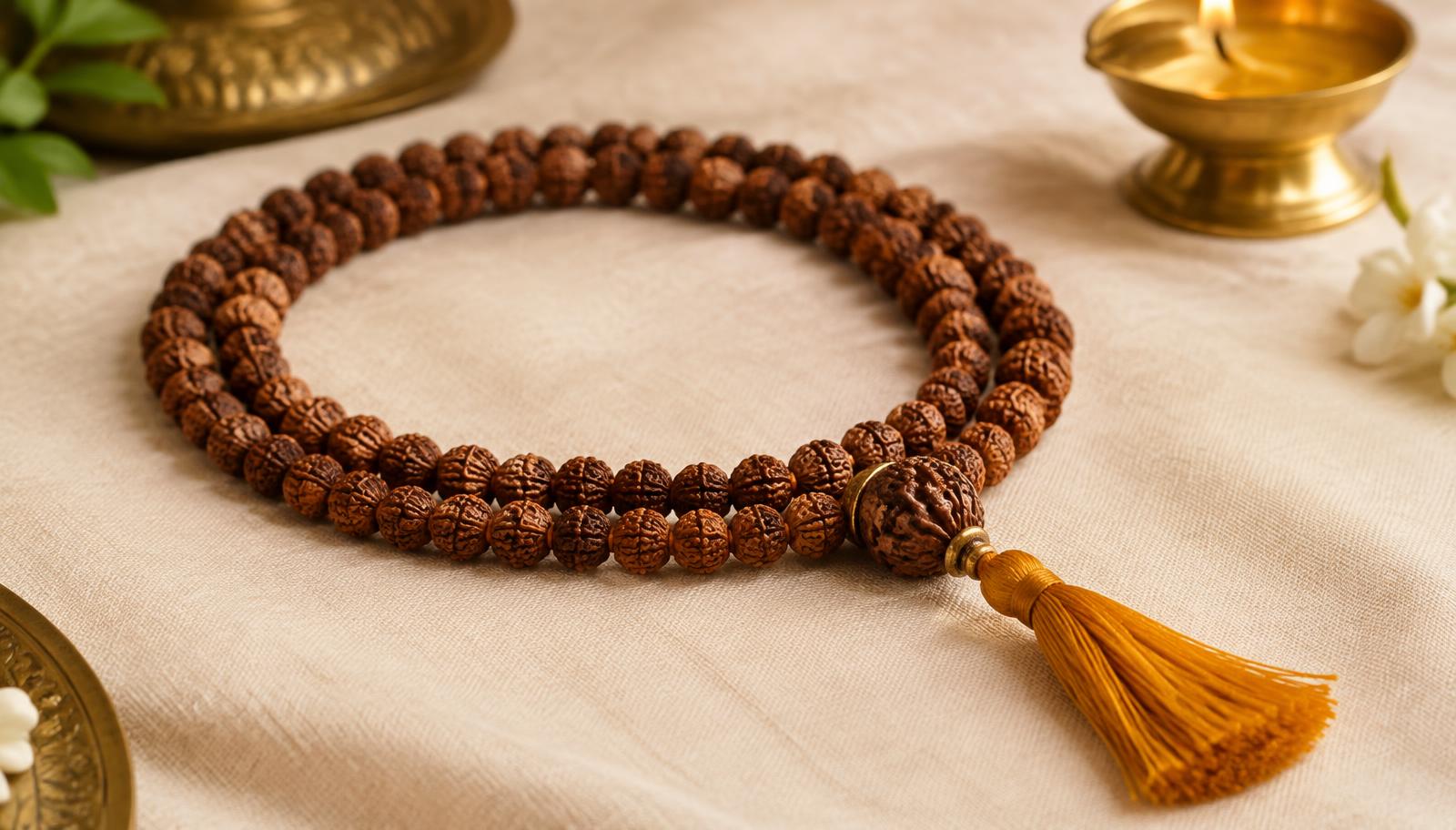
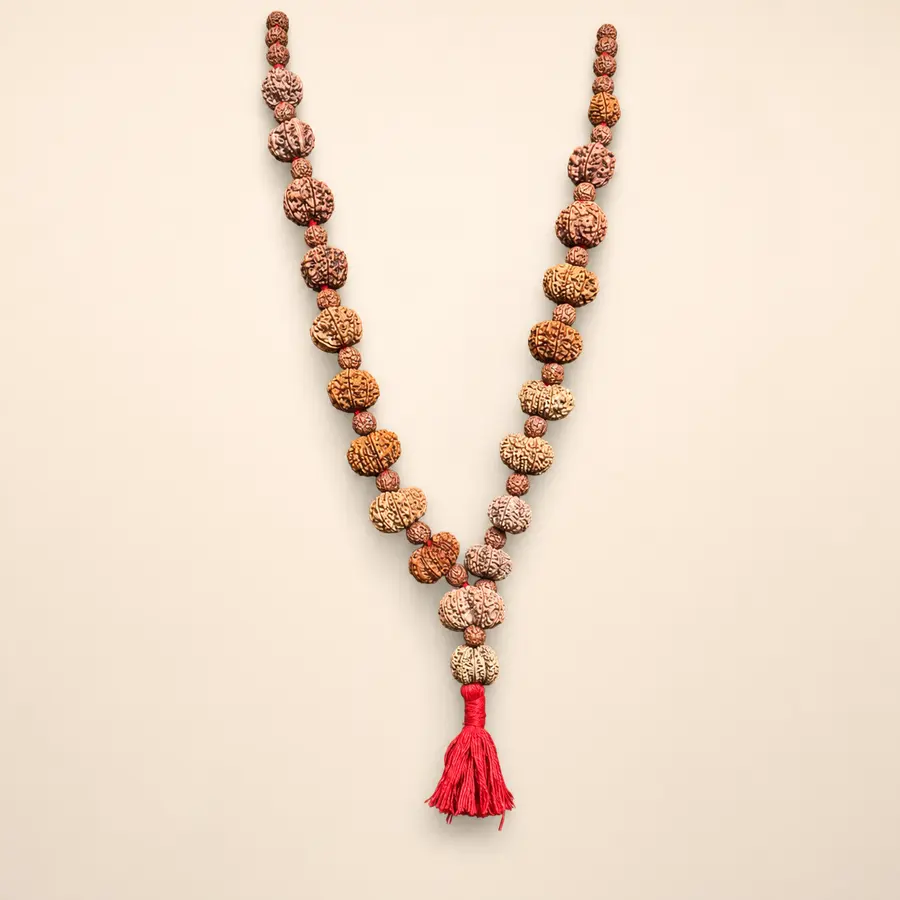
A Siddha Mala brings different types of Rudraksha beads together in one strand. Unlike a mala made from repeated beads of the same mukhi, a mixed-mukhi strand is selected as a combination. The word mukhi refers to the natural faces or divisions visible on a Rudraksha bead. In devotional use, these beads are associated with Shiva, and a complete combination can become a personal reminder of regular prayer and spiritual discipline.
The name Siddha Mala does not, by itself, tell you everything inside the strand. A seller may use it for a 1–14 Mukhi combination, a version with a particular 1 Mukhi form, or a more extensive collector selection. The useful question is therefore not simply ‘Is it a Siddha Mala?’ but ‘Which individual beads are included in this particular mala?’ This guide helps you compare Mauhurtika's collection without assuming that all designs have identical contents.
Traditional Significance, Without Promised Results
Devotees may wear a Siddha Mala as an expression of reverence for Shiva, a companion to meditation or a symbol of commitment to sadhana. Combining different mukhis is meaningful within Rudraksha traditions, but interpretations vary between teachers and communities. A thoughtful purchase starts with your practice and your understanding of the object, rather than a promise that an expensive strand will automatically change your life.
Rudraksha is a devotional item, not a medical treatment, financial strategy or guarantee of protection. No price, bead count or collection name establishes a scientifically measured level of spiritual power. If you follow a guru or family tradition, discuss the combination with that teacher. You can respect traditional beliefs while still asking ordinary, practical questions about the actual beads, workmanship, documentation and cost.
Siddha Mala, Japa Mala and Kawach: Different Purposes
A japa mala is primarily a counting aid for repeated mantra practice. It usually has many similar beads, making it easier to maintain a consistent rhythm. A Siddha Mala combines different mukhis and is often chosen as a wearing or devotional strand instead. Do not assume that a mixed collector mala is automatically the most comfortable or appropriate tool for counting long rounds of japa.
A Kawach combination is another separate category. It may pair selected beads around a particular traditional purpose rather than representing a broad mukhi collection. Mauhurtika keeps Kawach combinations separate from the Siddha Mala collection. If your priority is a straightforward daily prayer routine, also read our Rudraksha japa mala guide before deciding that a collector strand is necessary.
Understanding Mukhi Ranges and Special Beads
A listing described as 1–14 Mukhi suggests a sequence of those mukhi types, but you should still request an itemised bead list. Ask whether the strand includes one of each mukhi, any repeated beads, a Gauri Shankar, a Sawar form or another special bead. The total number of physical beads can differ from the highest mukhi number. An 18 Mukhi bead, for example, is one bead with that face count—not eighteen separate beads.
Names such as Gayatri, Mangal, Sarva, Maha Mrityunjaya and Brahma help distinguish collections, but they are not a universal technical specification. Do not infer an unlisted 19, 20 or 21 Mukhi bead from a premium name or price. Where a composition has not been itemised, request written confirmation before buying. This is especially important when comparing strands across shops, because similar names may describe different assemblies.
Nepali and Indonesian Siddha Malas
Mauhurtika's collection includes listings identified as Nepal-origin and an Indonesian Java option. Origin is one useful comparison point, but it should be considered together with the size, weight, surface condition and individual identity of the beads. Photographs can help you inspect the strand's appearance; they do not independently establish where every bead was harvested. Ask how the stated origin is supported if it is important to your purchase.
Comfort is equally important. A necklace that looks impressive in a photograph may feel different during everyday wear. Request the finished length, approximate total weight and a scale photograph before deciding. There is no need to describe Indonesian beads as spiritually weaker or Nepali beads as guaranteed to produce stronger results. Choose the strand whose documented contents, presentation and practical fit suit your needs and budget.
Explore Every Mauhurtika Siddha Mala
Below are the malas currently shown in Mauhurtika's existing Siddha Mala collection. Each profile displays its actual product photograph, current catalogue name, listed origin and price, with a link to its own product page. The five premium collections sit alongside the established Java, Nepali, silver and special 1 Mukhi variants, rather than replacing them. Available options and final details should be checked on the selected product page.
Siddha Mala | 1–14 Mukhi Nepali Rudraksha with 1 Mukhi Sawar
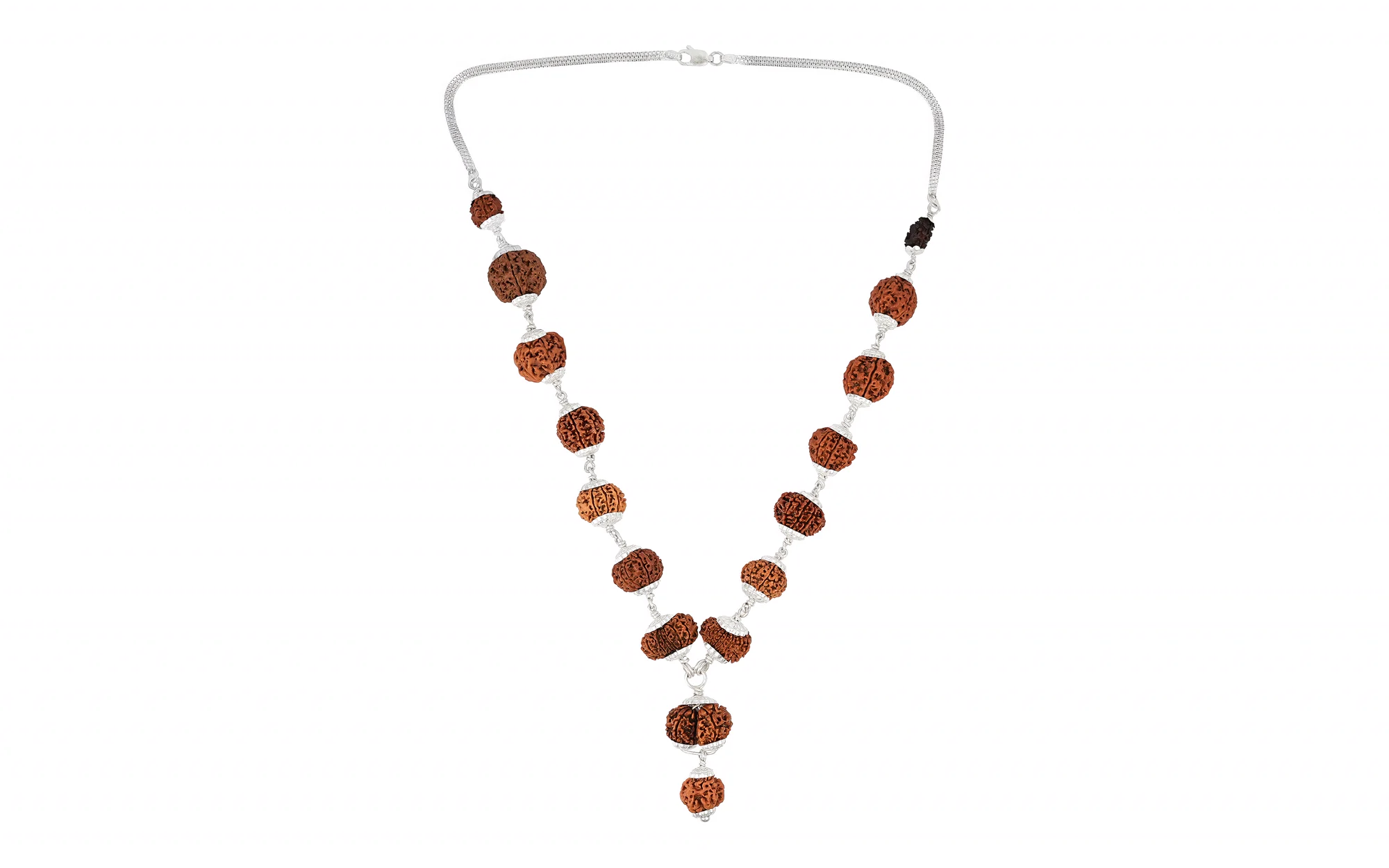
Listed origin: Nepal
₹2,10,000
The title explicitly identifies a 1–14 Mukhi Nepali combination with a 1 Mukhi Sawar. Confirm how the Sawar is included and request documentation linked to the individual strand.
View Mala DetailsIndonesian Siddh Mala | 1–14 Mukhi Java Rudraksha
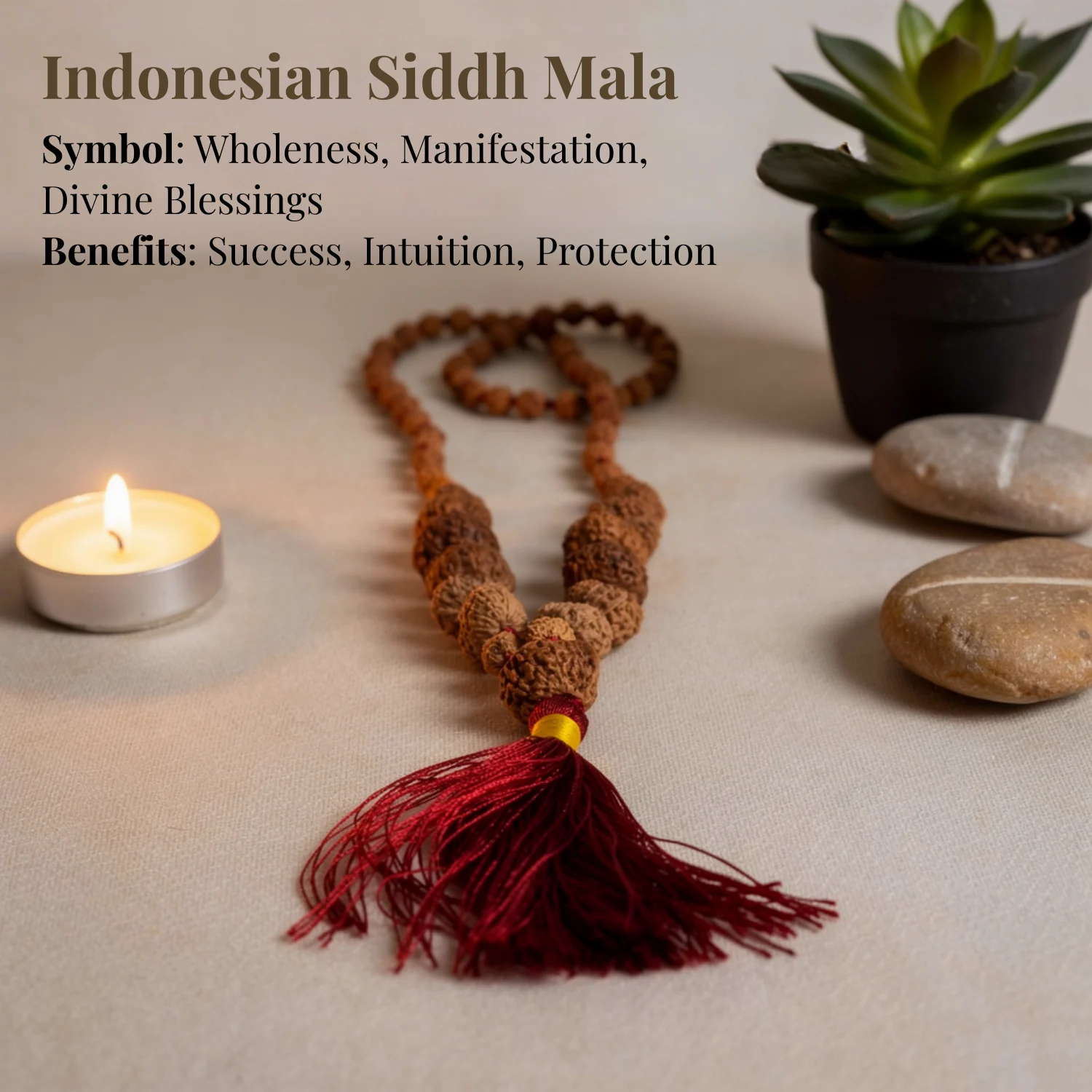
Listed origin: Indonesia
₹32,500
The Java option is listed as a 1–14 Mukhi combination from Indonesia. Compare the actual dimensions and finished weight when choosing it for regular wear.
View Mala DetailsPremium Full Nepali Siddh Mala in Pure Silver for Spiritual Power & Protection
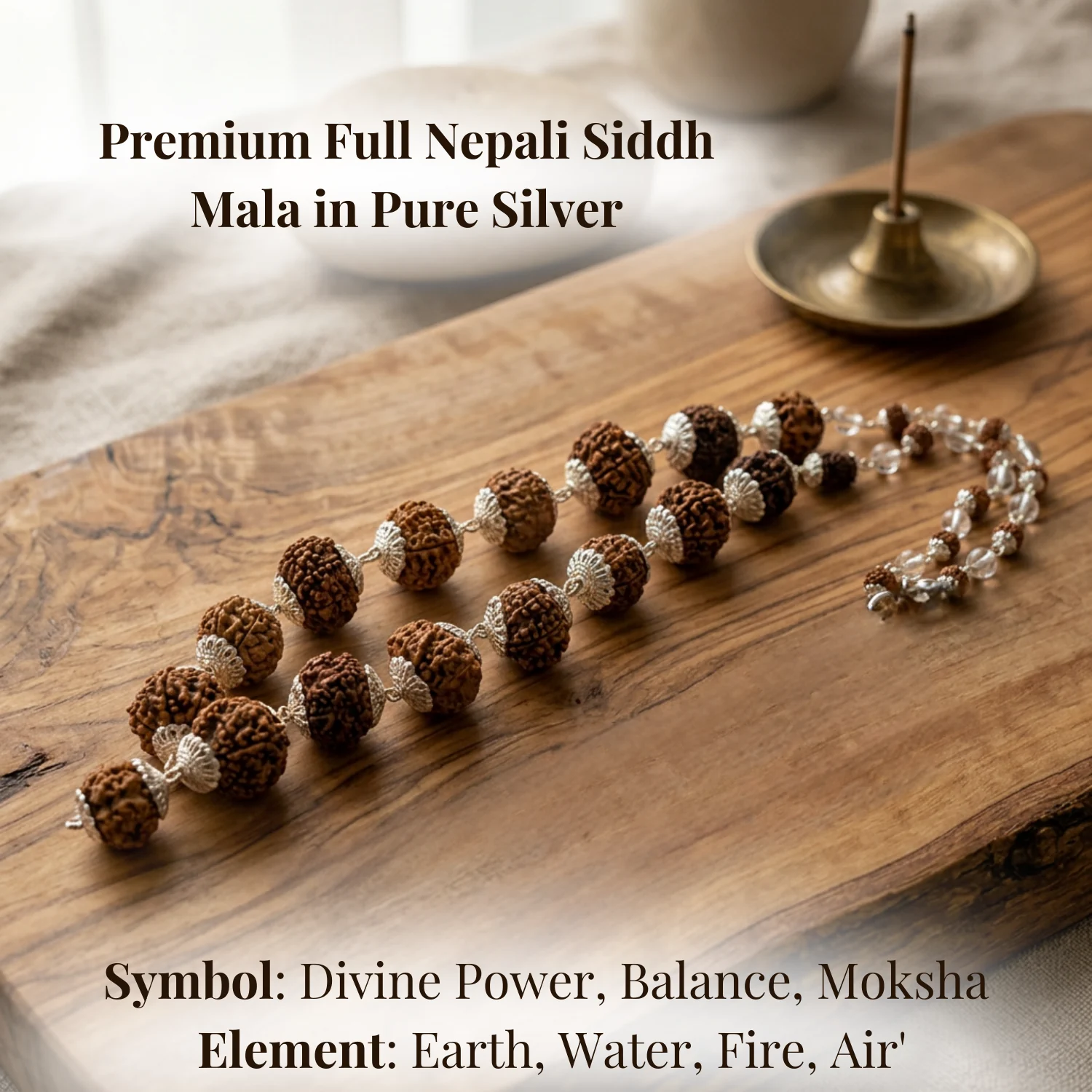
Listed origin: Nepal
₹1,70,000
A Nepali strand presented in silver. Ask about the metal specification, setting weight and individual bead contents; the listing name alone is not a hallmark certificate.
View Mala DetailsSiddha Mala | 1 Mukhi Underdeveloped Rudraksha | Collector Grade Nepal
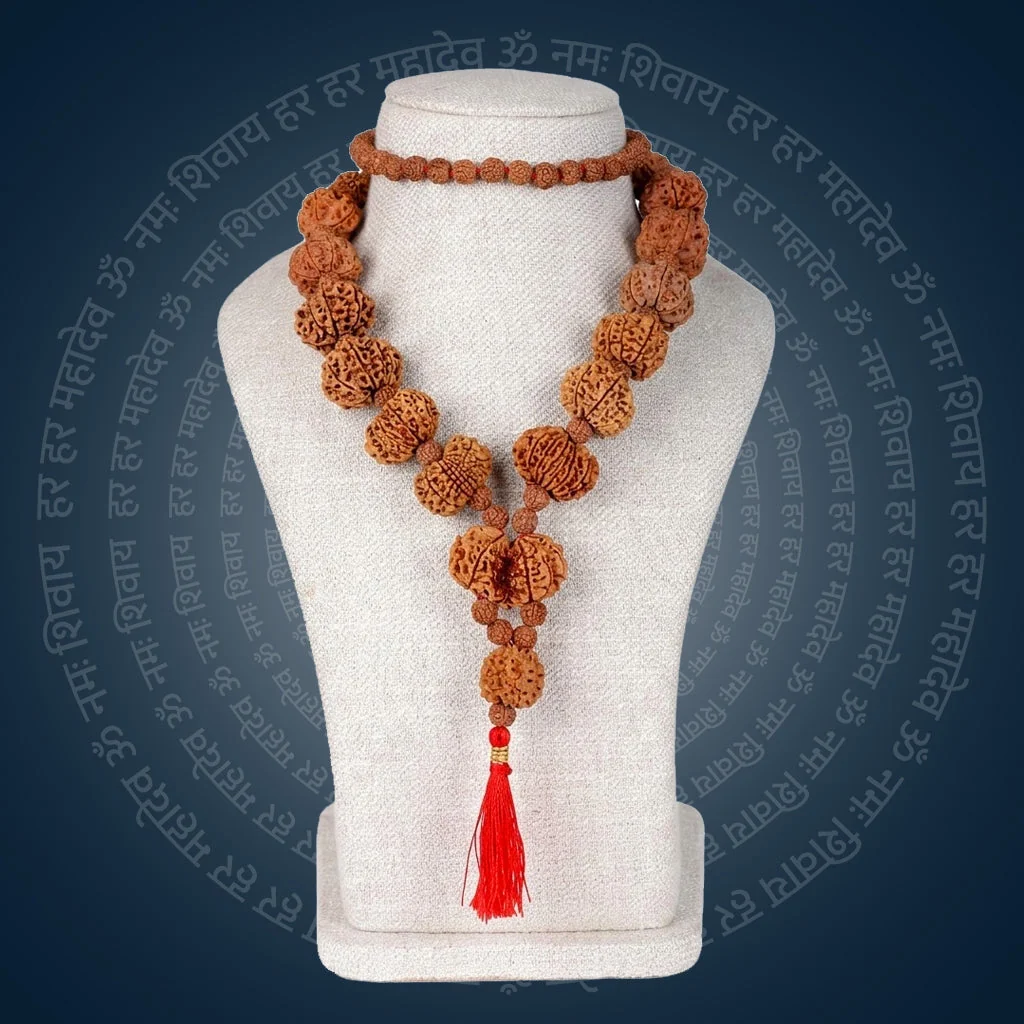
Listed origin: Nepal
₹1,80,000
The listing uses the term ‘underdeveloped’ for its 1 Mukhi bead. Ask how that identification was reached and request close-up photographs and the complete combination details.
View Mala DetailsSiddha Mala with 1 Mukhi Half Moon Rudraksha — Collector Rudraksha, Nepal
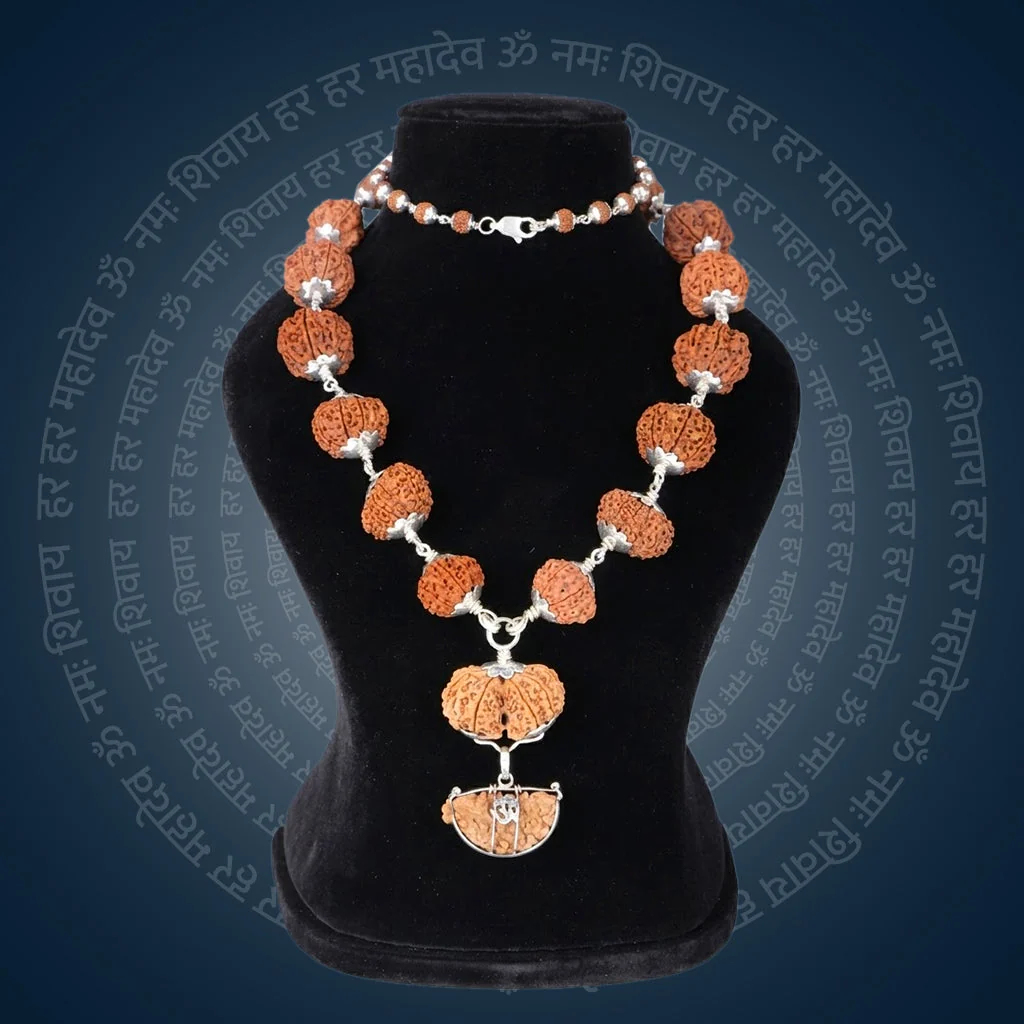
Listed origin: Nepal
₹1,75,000
This collector listing identifies a Half Moon 1 Mukhi as its focal bead. Confirm the precise assembly and supporting documentation rather than assuming it is identical to the thread listing.
View Mala DetailsSiddha Mala with 1 Mukhi Half Moon Rudraksha — Collector Grade Nepal (Thread)
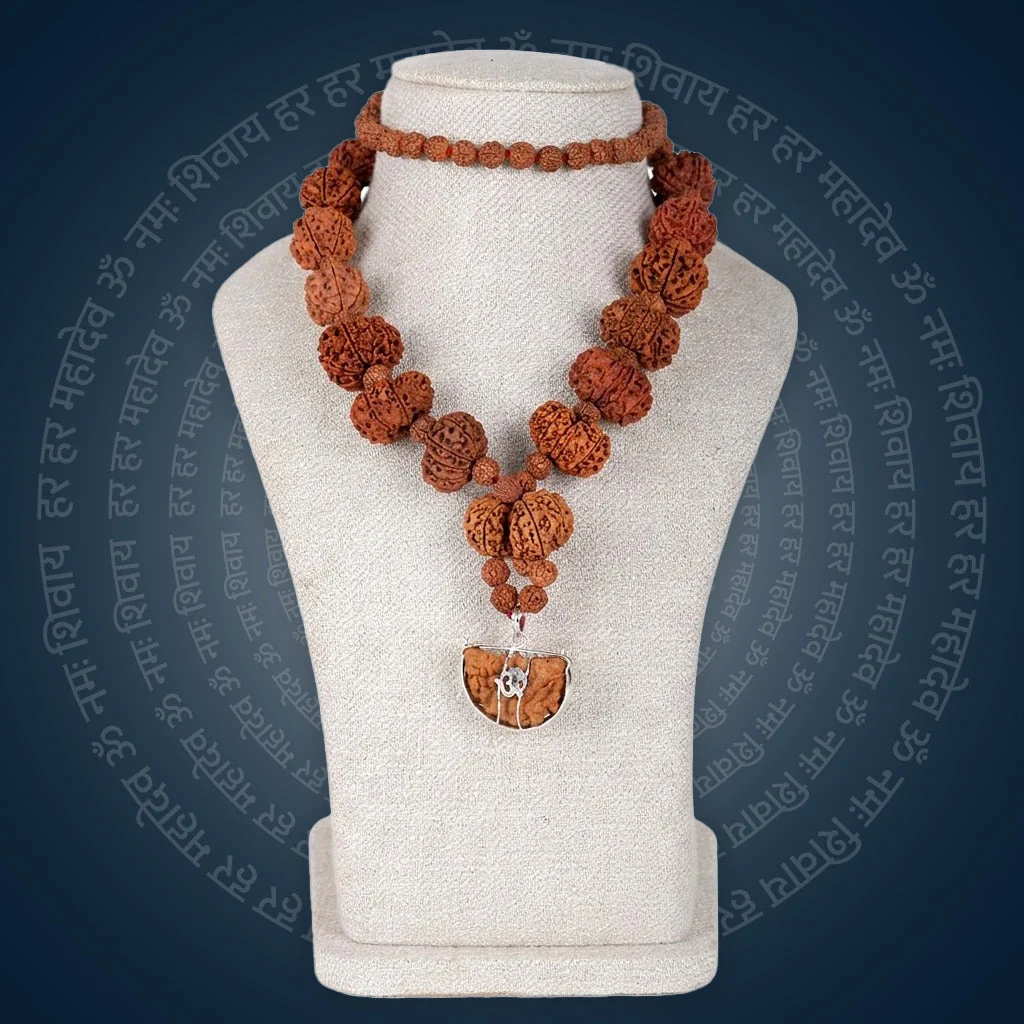
Listed origin: Nepal
₹1,65,000
This Nepal listing distinguishes itself with a Half Moon 1 Mukhi and thread assembly. Request the remaining bead list and length before comparing it with the other Half Moon version.
View Mala DetailsBrahma Siddha Mala — Premium Collector's Collection
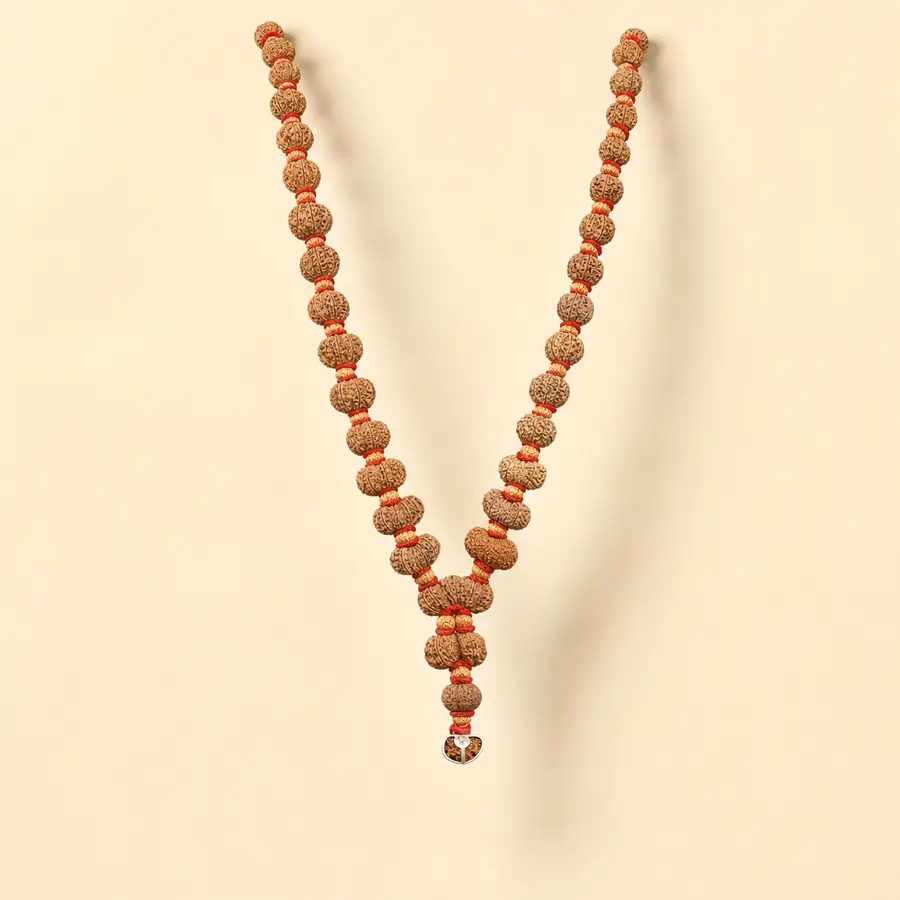
Listed origin: Nepal
₹50,00,000
The high-value Brahma collector listing warrants a detailed comparison of the actual beads, photographs and documentation. Do not infer unlisted rare mukhis from its price.
View Mala DetailsSarva Siddha Mala — Premium Complete Siddha Collection
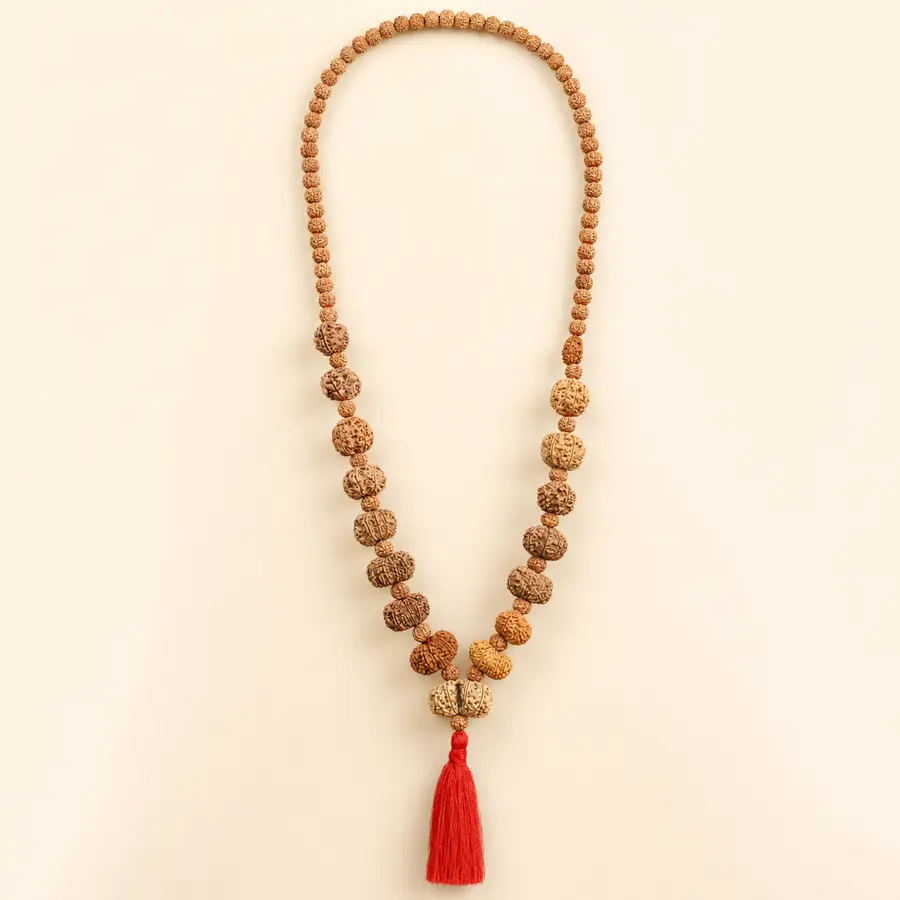
Listed origin: Nepal
₹4,00,000
A separately listed premium complete collection. Ask what ‘complete’ includes in this actual strand rather than inferring a universal bead sequence from the name.
View Mala DetailsMaha Mrityunjaya Siddha Mala — Premium Nepali Rudraksha
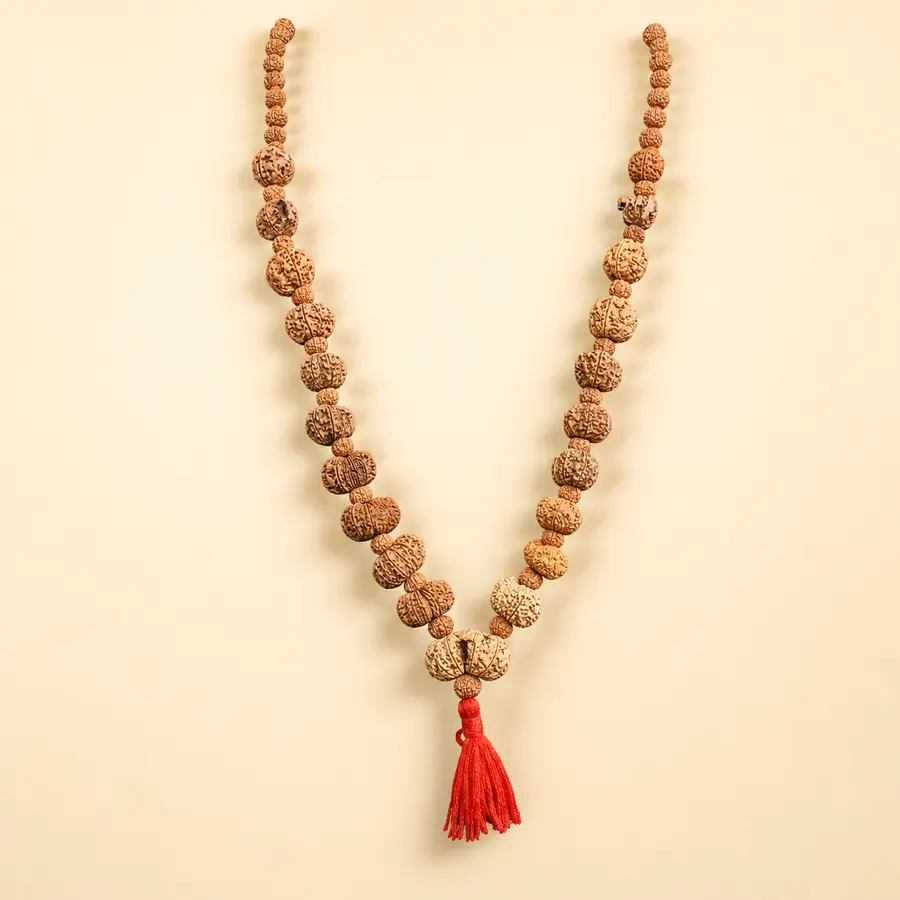
Listed origin: Nepal
₹20,00,000
A premium Nepali collection with a devotional name. Confirm its specific bead list; neither the name nor its price promises a health benefit or replaces mantra practice.
View Mala DetailsMangal Siddha Mala — Premium Rudraksha for Traditional Sadhana
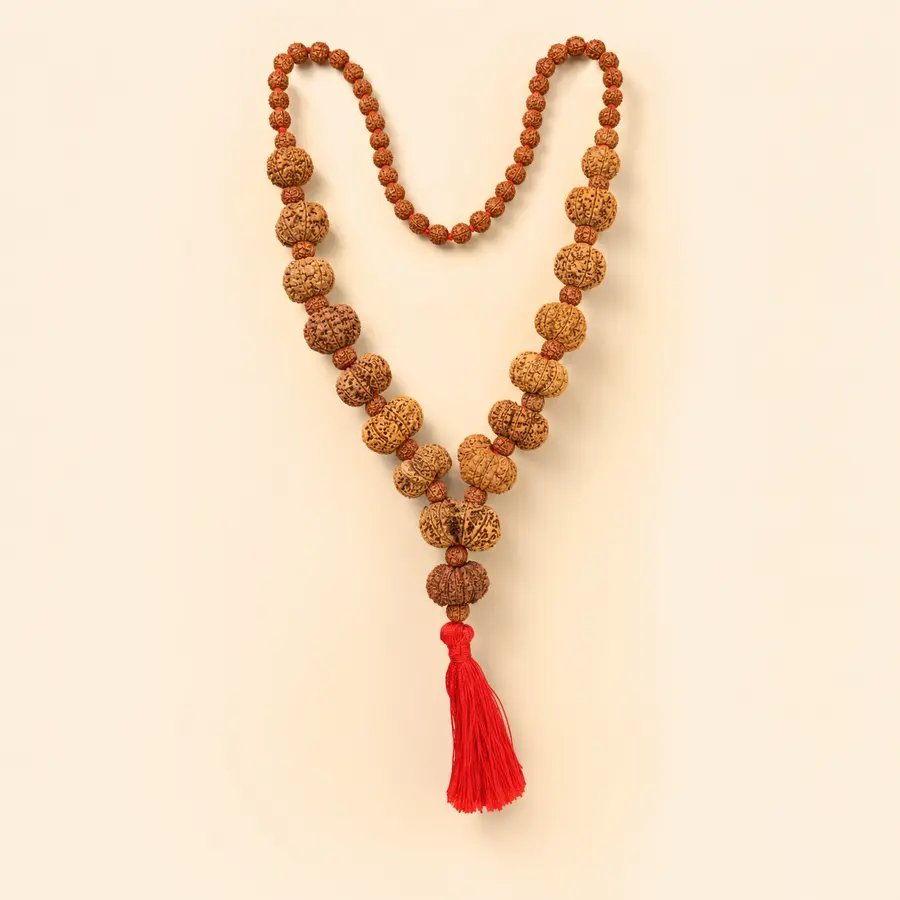
Listed origin: Nepal
₹3,80,000
A premium collection named for traditional sadhana. Its name does not establish a planetary prescription or a particular mukhi range; request the complete bead composition.
View Mala DetailsBhoomi Devi Gayatri Siddha Mala — 1 to 18 Mukhi Nepali Rudraksha
Listed origin: Nepal
₹8,00,000
The catalogue title describes a 1 to 18 Mukhi Nepali combination. Request an itemised list, including any special or repeated beads, before finalising this collector purchase.
View Mala DetailsHow to Choose the Right Siddha Mala
Start by deciding whether you want a wearable strand, an object for your shrine or a carefully documented collector combination. These are different priorities. A comfortable thread mala may be more suitable for regular wear than an elaborate presentation piece. A collector may instead prioritise individual bead identification and records. Buying the costliest option is not a prerequisite for sincere devotion, and a simpler mala can be an equally meaningful choice.
Next, shortlist two or three designs and compare like with like. Look at the stated mukhi range, special 1 Mukhi form, origin, setting, length and included documentation. Where information is missing, treat it as a question to resolve—not an opportunity to fill in the blanks. If you would like help comparing the listed options, contact Mauhurtika or request a Rudraksha consultation before committing to a high-value strand.
What Determines a Siddha Mala's Price?
Price can reflect the selection of individual mukhis, bead dimensions and condition, origin claims, assembly and any metal work. A strand with uncommon beads may be priced differently from a more accessible combination, but the price alone proves neither authenticity nor spiritual suitability. Ask what specifically distinguishes the proposed mala from the next option. An itemised explanation is more useful than a general statement that it is ‘premium’.
The product profiles above use current catalogue prices rather than a fixed price list copied into this article. When comparing a quotation, check whether it covers the photographed strand, your selected size or setting, taxes, delivery and any requested service. Confirm applicable policies before paying. Do not assume a discount, free ritual, insurance cover or particular shipping arrangement merely because another product advertises it.
Authenticity: Photos, Inspection and Documentation
Begin with clear photographs of the complete strand and close-ups of important beads from more than one angle. Look for visible damage, suspicious seams, surface alterations or areas that need explanation. Visual inspection is useful for forming questions, but it is not a conclusive authenticity test. A carefully photographed object can still require specialist examination, particularly where an unusual or high-value bead is involved.
If testing documentation is offered, ask for the issuing organisation, report identifier, dated photographs and the scope of the examination. Establish whether a report covers every bead, selected beads or the assembled strand. A document should be traceable to the actual item being supplied. X-ray or other specialist examination may help investigate internal structure, but ask the examiner what the method can and cannot establish; no report verifies spiritual benefits.
Avoid destructive home experiments such as boiling, scraping or chemical exposure. Floating, sinking, colour changes and copper-coin demonstrations should not be treated as decisive proof. For Gauri Shankar beads, natural joining versus artificial assembly is a particular question to raise. If a substantial purchase depends on a disputed identification, obtain an independent assessment rather than relying on a promotional description alone.
Thread, Silver and Practical Wearability
Thread and metal settings change how a mala feels and how it is maintained. Thread can provide a simpler presentation, while metal work introduces questions about weight, closures, sharp edges and access to the bead surface. On a silver listing, request confirmation of the metal specification and what documentation is included. Do not infer a fineness, hallmark or metal weight from the word ‘silver’ or from a photograph.
Check that the strand rests comfortably, does not pull at the neck and can be removed safely. Ask whether it can be adjusted or restrung, and how those changes affect the original assembly. Avoid modifying an important collector bead yourself. If a clasp is difficult to operate or a knot loosens, stop wearing the mala until the issue is addressed. Workmanship matters because it protects both the beads and the person wearing them.
Wearing and Beginning a Devotional Practice
There is no single wearing routine shared by every Rudraksha tradition. Some people begin with a prayer at their home shrine; others follow their teacher's instructions or request a specific ceremony. Agree any requested ritual separately with the seller rather than assuming it comes with every strand. A clean, quiet beginning and a clear personal intention can be more meaningful than an elaborate routine copied without understanding.
For general Shiva devotion, many practitioners use the familiar prayer ‘Om Namah Shivaya’. If you wish to use a particular mantra, repetition count or initiation-based practice, seek guidance from your own teacher. The name Maha Mrityunjaya on a product does not mean that wearing it performs the mantra or promises health outcomes. Keep your practice respectful, sustainable and consistent with the tradition you actually follow.
Cleaning, Storage and Long-Term Care
Treat Rudraksha beads and their setting gently. After wear, remove dust and moisture with a soft dry cloth. For deeper cleaning, follow advice appropriate to the specific beads, thread and metal rather than applying one treatment to every mala. Avoid prolonged soaking, detergents, perfumes, solvents and harsh brushing. Remove the strand before activities that expose it to chemicals, repeated friction or a risk of snagging.
Store the mala dry, supported and away from excessive heat or direct sunlight. Do not shut it into a box while damp. Check knots, string, caps and closures periodically, especially after regular wear. Before using oil or polish, ask whether it is suitable for the actual assembly; products intended for metal may affect beads or thread. Keep invoices, photographs and documentation together so future servicing does not lose the identity of the strand.
Questions to Ask Before Ordering
A good enquiry should identify the exact product and the details you need confirmed. Request the complete bead composition, individual origin claims, dimensions and current photographs. Ask which 1 Mukhi form is included, whether special joined beads are present and what evidence accompanies those identifications. For a collector purchase, clear written answers matter more than enthusiastic descriptions of rarity or power.
Also confirm the selected setting, finished length, final payable amount, availability and delivery arrangements. Review the applicable cancellation, return and servicing terms before purchasing. Use the enquiry link on the selected product page to keep your conversation tied to that specific mala. This avoids confusing a thread version with a similarly named collector strand or assuming that two listings contain the same beads.
Continue Your Rudraksha Research
Explore the complete Siddha Mala collection when you are ready to compare products. For simpler strands, browse Rudraksha malas and our 5 Mukhi mala buying guide. The Rudraksha foundations guide explains the wider subject, while the Gauri Shankar guide covers naturally joined beads and buying questions in more detail.
The most useful Siddha Mala is not necessarily the one with the grandest name. It is the one you understand: its actual contents, its condition, its documentation and its place in your devotional life. Take time to compare, ask for missing details and choose within a comfortable budget. A careful decision respects both the sacred meaning of Rudraksha and the practical responsibility of buying a valuable natural object.
Frequently Asked Questions
Q.Is every Siddha Mala a 1–14 Mukhi combination?
No. Several listings use a 1–14 Mukhi description, but collector collections and special-bead versions can differ. Check the exact itemised composition of the selected mala rather than relying on its name.
Q.What is the difference between Gayatri, Mangal, Sarva, Brahma and Maha Mrityunjaya malas?
These are distinct collection names. Compare their individual product records and request a confirmed bead list. Do not infer an identical composition or a particular spiritual outcome from the names.
Q.Can I use a Siddha Mala for japa?
A mixed-mukhi strand is often chosen for wearing or devotional use. For counting repeated mantras, a dedicated japa mala may be more practical. Follow your teacher's guidance if you observe a specific practice.
Q.Does a higher price mean stronger benefits?
No. Price is a commercial consideration reflecting the offered beads and assembly. It does not measure spiritual power or guarantee health, wealth, protection or relationship outcomes.
Q.How can I check the current price of a Mauhurtika Siddha Mala?
Use the live product profiles in this guide and open the linked product page. Confirm your selected options, availability and final payable amount before ordering.
Q.Are photographs enough to confirm every bead is genuine?
No. Photographs support initial inspection but do not replace appropriate examination and traceable documentation. Ask what evidence covers the specific strand being supplied.