Vigyan Bhairav Tantra: Shiva's 112 Meditation Techniques Explained Simply
In the Vigyan Bhairav Tantra, Bhairava answers the Goddess with 112 ways to enter awareness. Here is a clear English guide to the text, its main technique families and how to start safely.
Quick answer: The Vigyan Bhairav Tantra (Vijñāna Bhairava Tantra) is a short Sanskrit text of about 163 verses from the Kashmir Shaiva tradition. In it, the Goddess (Bhairavi) asks Bhairava — Shiva — about the true nature of reality, and he replies with 112 *dharanas*, or concentration practices, using breath, sound, space, the senses, emotion and everyday experience as doorways to pure awareness.
The word *tantra* often brings to mind secret rituals. The Vigyan Bhairav Tantra is very different. It has almost no external ritual. Its practices are simple, inward and surprisingly modern — which is why meditation teachers across the world quote it, and why the 20th-century Kashmir Shaiva master Swami Lakshmanjoo devoted detailed teachings to it.
What Does “Vigyan Bhairav” Mean?
*Vijñāna* means consciousness or direct knowing. *Bhairava* is Shiva as the fearsome, all-transcending reality that dissolves fear. Together the title points to the experience of consciousness as Bhairava — not a deity outside you, but the ground of awareness itself.
Tradition presents the text as part of the larger *Rudrayamala Tantra*. It is usually dated by scholars to roughly the 7th–9th century CE and was commented on by Kashmir Shaiva teachers such as Kshemaraja and Shivopadhyaya.
The Dialogue Between Devi and Bhairava
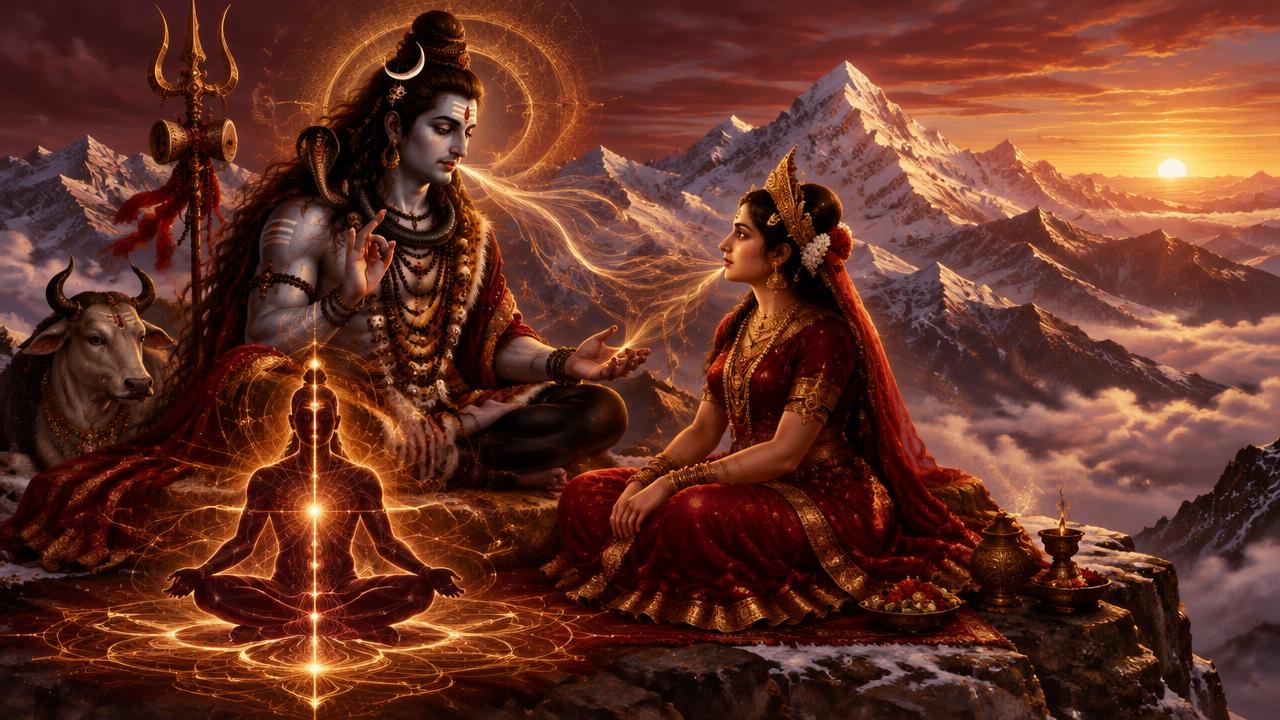
The text opens with the Goddess saying she has heard many teachings yet her doubts remain. What is Bhairava's real form? Is it the sound of mantras, the nine forms of Bhairava, the three powers? Bhairava answers that these descriptions are given to help beginners, like a mother shows a child a sweet to make it walk. The real Bhairava is beyond space, time and name — and can be realised directly. He then offers 112 ways.
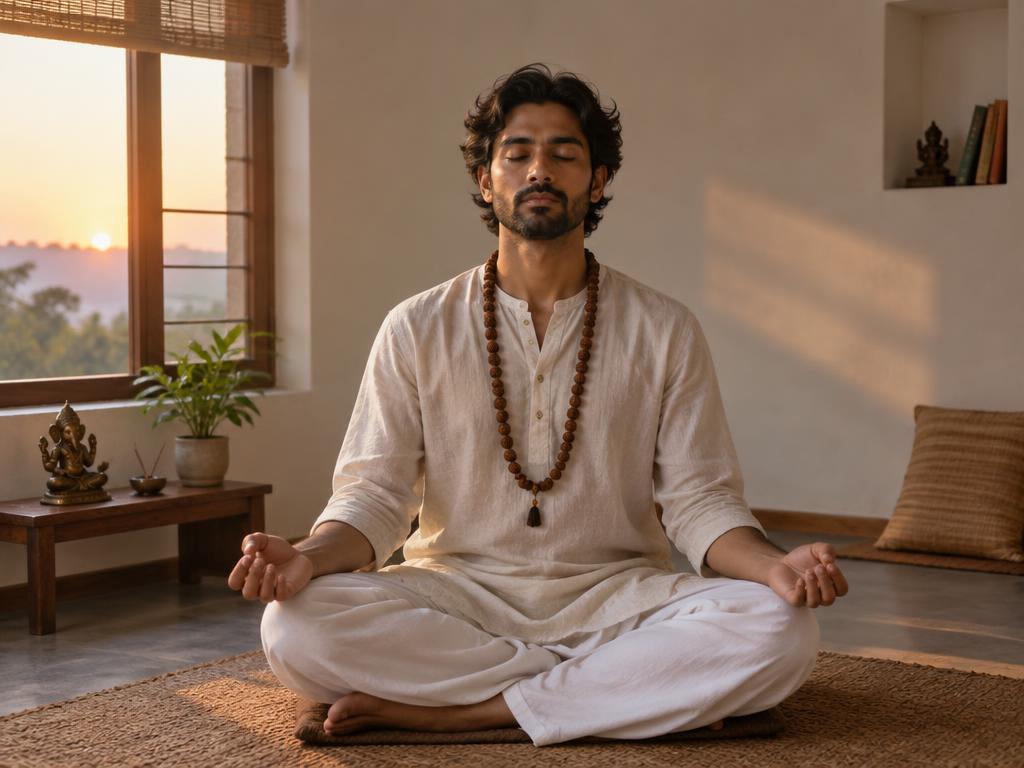
The 112 Techniques Grouped Into Families
Listing all 112 practices without guidance can do more harm than good. Instead, here are the main families with short paraphrased examples, so you understand the method behind the text.
1. Breath (Prana) Practices
Several early dharanas focus on the moments between breaths. Rest attention at the point where the in-breath turns into the out-breath, and again where the out-breath turns back into the in-breath. In that pause, the text says, Bhairava's nature reveals itself. This is the most famous and accessible group.
2. Centre and Kundalini Practices
Some techniques ask the practitioner to visualise energy rising through the central channel as fine as a lotus fibre, or to feel light dissolving at the heart. These belong to subtle-body yoga and are best learned from an experienced teacher.
3. Sound and Mantra Practices
Chant Om or another sacred sound slowly and follow it as it fades into silence. Or listen to an instrument until the sound disappears and only listening remains. Sound becomes a bridge into soundless awareness.
4. Space and Emptiness Practices
Contemplate the body as empty like the sky, or gaze into a clear sky without thought. Imagine all directions dissolving into vast space. These practices loosen the feeling of being confined to the body.
5. Sense and Attention Practices
Look at an object, then slowly withdraw the gaze while staying aware. Feel the touch of a fingertip with total attention. Close the senses gently and rest in what remains. The senses, the text suggests, are doorways rather than obstacles.
6. Emotion and Everyday Life Practices
Perhaps the most striking dharanas appear in ordinary situations: at the start of a sneeze, in deep joy when meeting a loved one, in the taste of good food, when about to fall asleep, or in the moment of fear. Bring total awareness to that instant and the mind momentarily stops. Ordinary life becomes meditation.
7. Non-dual Understanding Practices
The final group asks the practitioner to see the same consciousness in all beings, to treat praise and blame equally, and to recognise that knower, knowing and known are one.
How to Begin Safely
- Start with one technique. The breath-pause practice is ideal. Practise 10–15 minutes daily for several weeks.
- Don't collect techniques. The text gives 112 options so each person can find one that fits, not so everyone tries all.
- Avoid forceful breath retention or kundalini visualisation without a teacher, especially if you have heart, blood pressure or mental-health conditions.
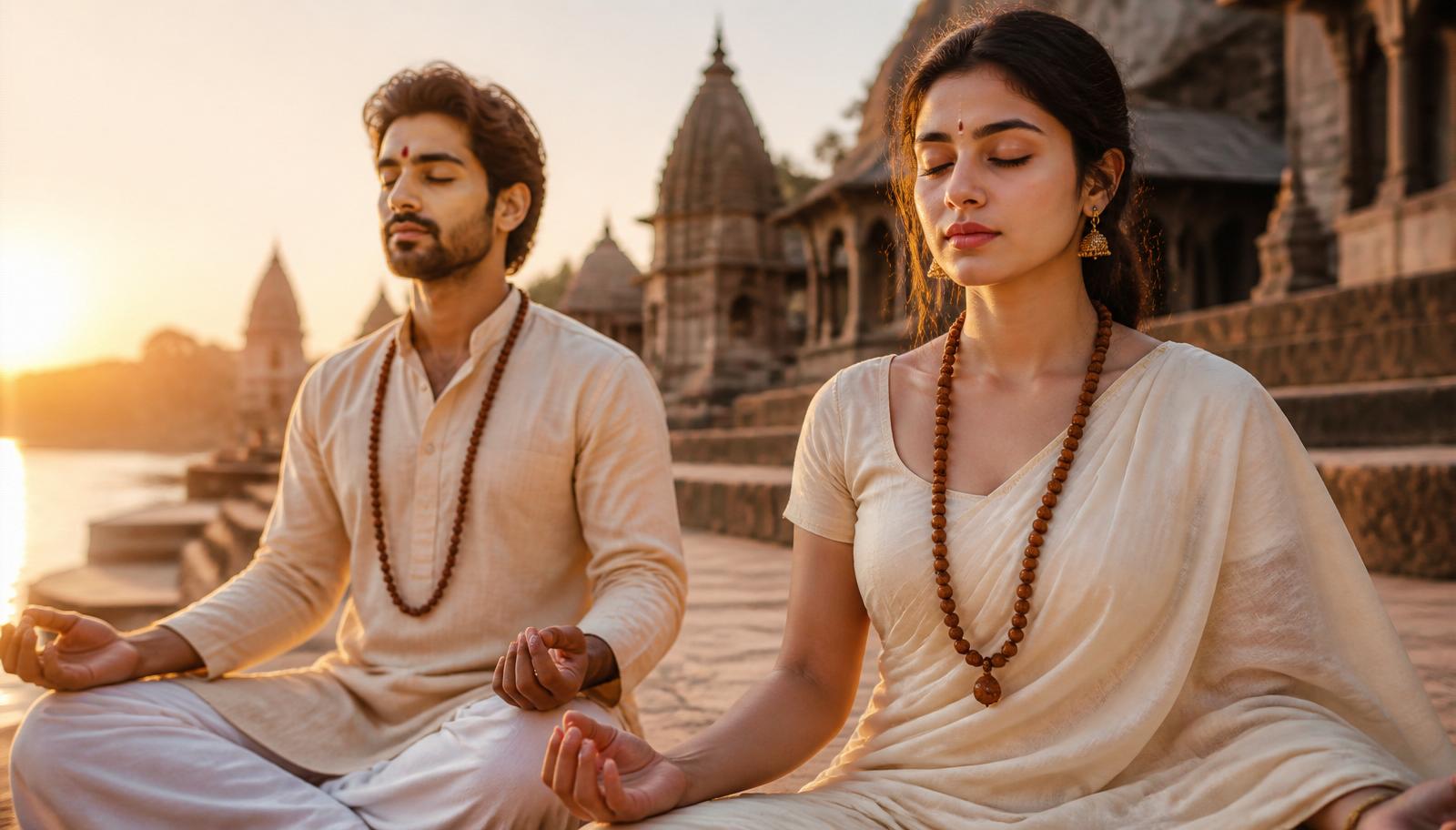
- Keep a simple routine: same time, same place, upright posture, eyes softly closed.
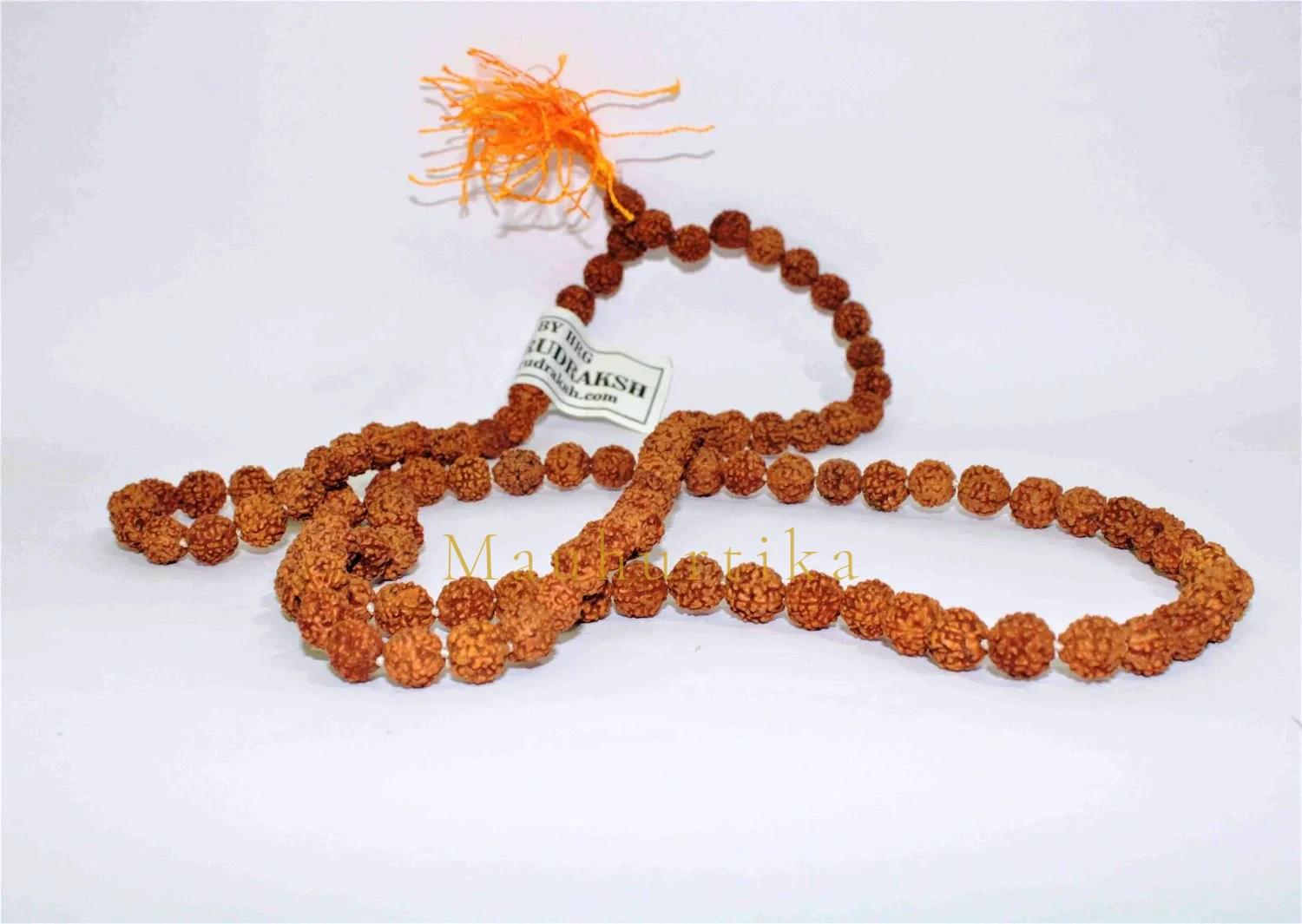
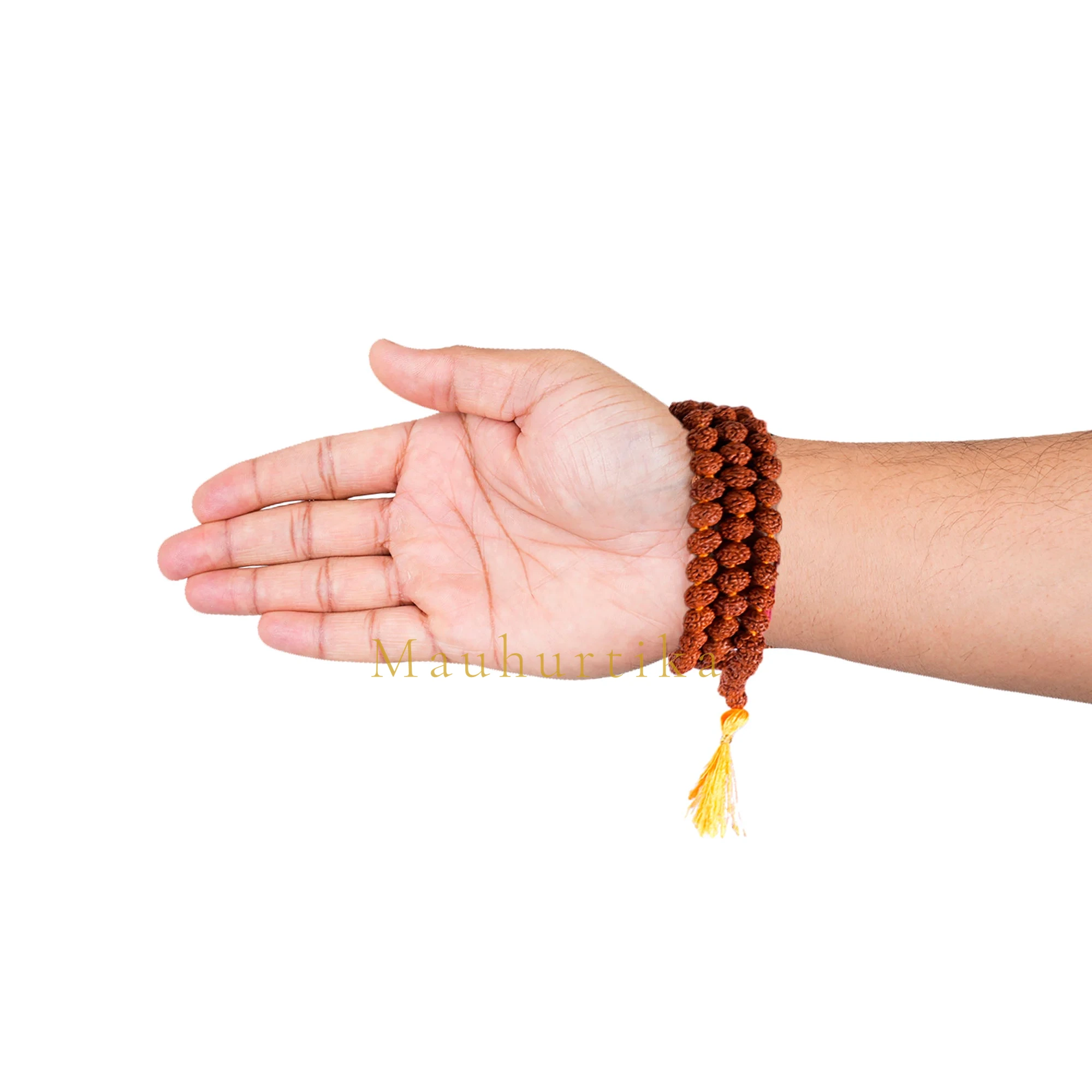
- Use a mala for focus. Many meditators chant a short mantra on a mala before sitting silently.
Rudraksha for Meditation and Shiva Sadhana
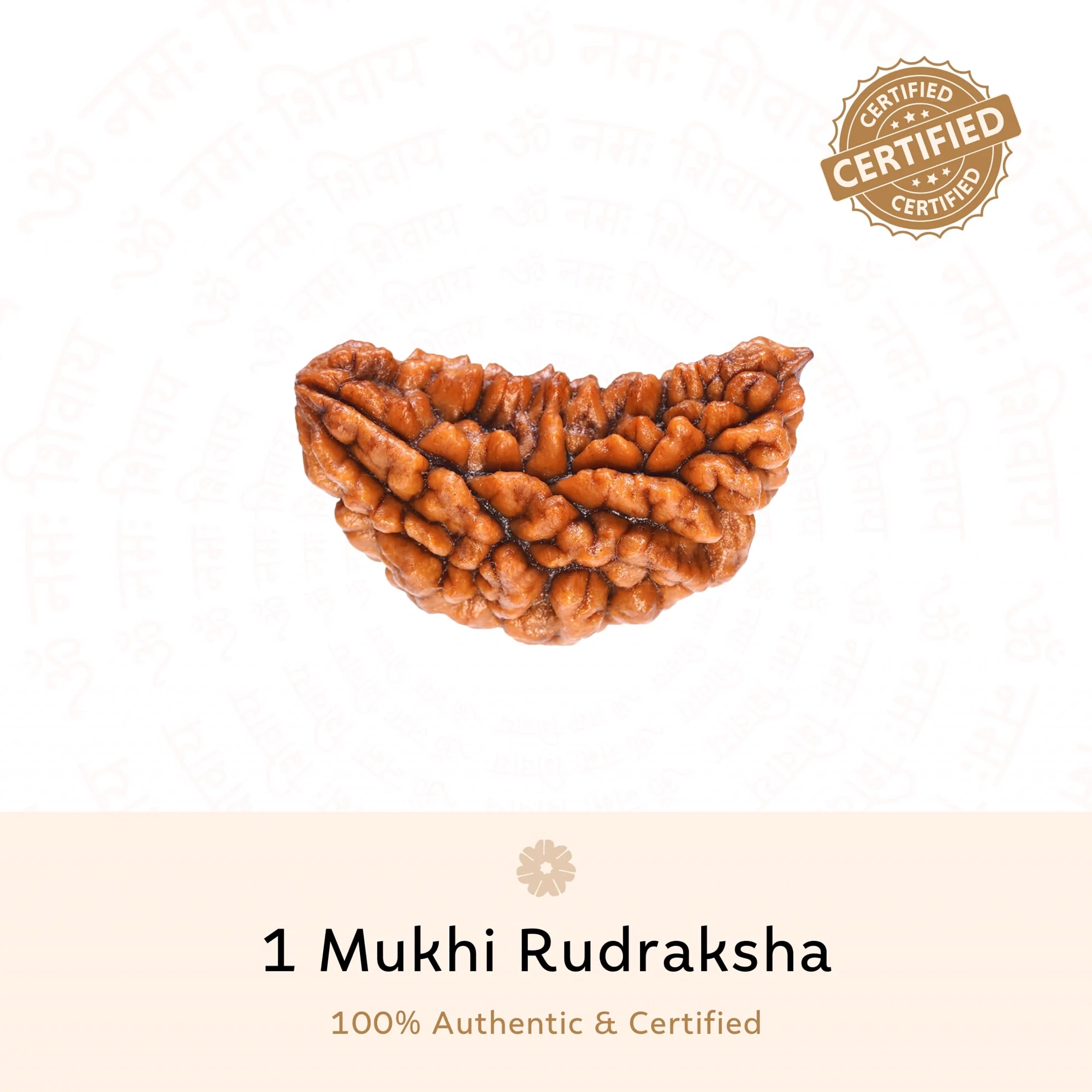
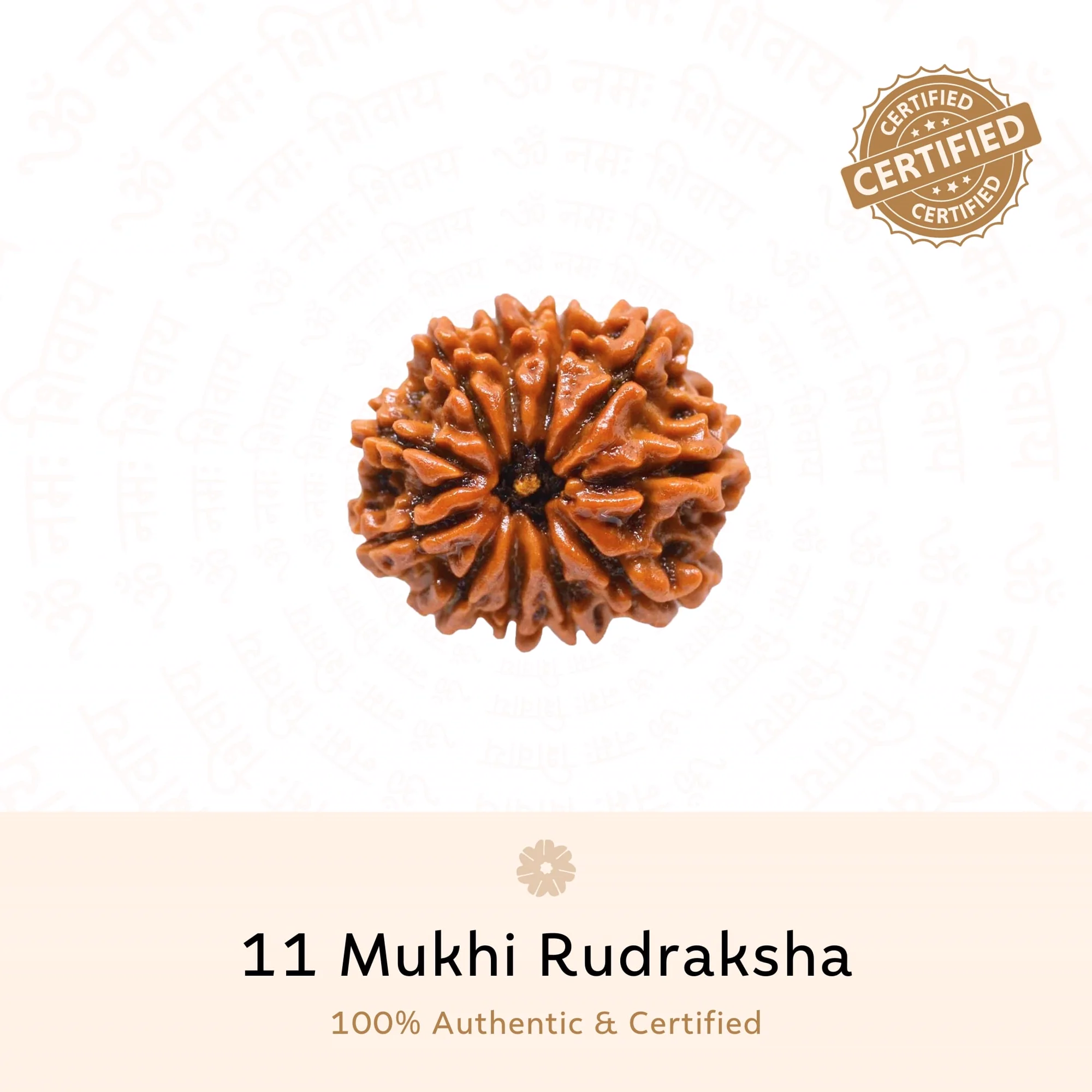
Rudraksha has long been worn by Shaiva practitioners as a sign of Shiva and a support for japa. The 5 Mukhi Rudraksha mala is the classic choice for daily chanting. Some meditators prefer a single 1 Mukhi or 11 Mukhi bead as a focus for Shiva contemplation. These choices reflect tradition and personal preference; Rudraksha is not a medical treatment for anxiety or sleep problems.
Read our guides on Rudraksha japa mala practice, powerful Shiva mantras and why a mala has 108 beads.
Frequently Asked Questions
Q.What is Vigyan Bhairav Tantra?
It is a Kashmir Shaiva text in which Bhairava (Shiva) teaches the Goddess 112 practices for realising pure consciousness.
Q.Are there really 112 techniques?
Yes, the text is traditionally read as containing 112 dharanas within about 163 verses, though commentators sometimes group them differently.
Q.Which Vigyan Bhairav technique is best for beginners?
Awareness of the natural pause between the in-breath and out-breath is the most widely recommended starting point.
Q.Is Vigyan Bhairav Tantra safe to practise?
Gentle attention practices are generally safe. Forceful breath-holding or energy visualisations should be learned from a qualified teacher, especially with health conditions.
Q.Which Rudraksha is good for meditation?
A 5 Mukhi Rudraksha mala is the traditional choice for daily japa; some practitioners also wear 1 Mukhi or 11 Mukhi beads.