1 Mukhi Rudraksha Bracelet: Meaning, Types, Wearing Rules and Smart Buying
What a 1 Mukhi Rudraksha bracelet really is, why round 1 Mukhi beads are almost never genuine, half-moon vs Java options, wrist-wearing rules and how to buy without being misled.
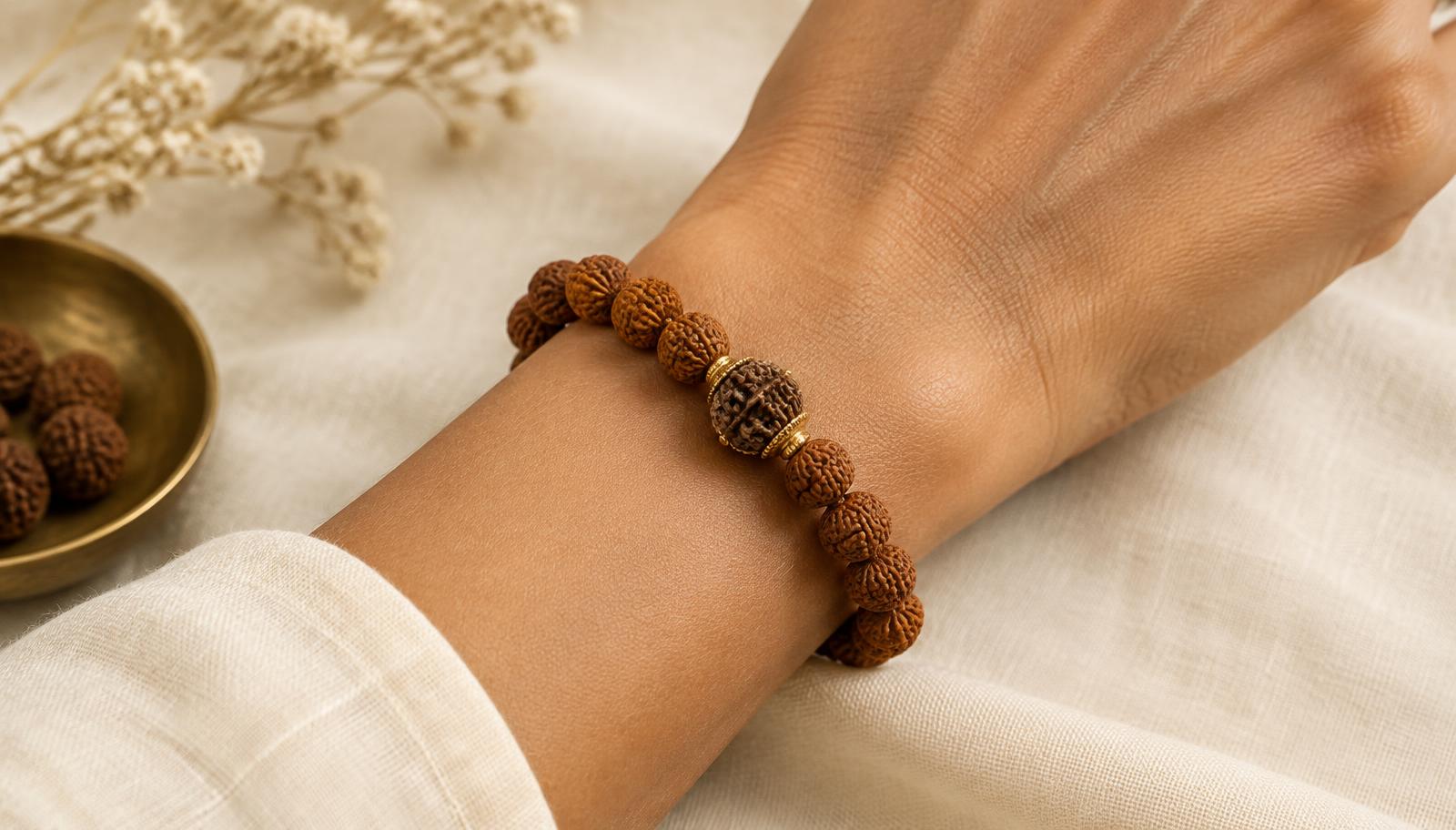
Quick answer: A 1 Mukhi Rudraksha bracelet usually means a wrist mala with one 1 Mukhi bead (most often the half-moon or Java variety) set among 5 Mukhi beads. Round 1 Mukhi beads are extraordinarily rare, and inexpensive 'round 1 Mukhi' bracelets are almost always carved or misrepresented. If you want a 1 Mukhi for its symbolism, choose a lab-tested half-moon bead and buy from a seller who states the variety and origin clearly.
The 1 Mukhi Rudraksha is the most revered of all Rudraksha in tradition, symbolising Lord Shiva himself and pure consciousness. Naturally, many people want one — and the wrist is a convenient, visible way to wear it. Unfortunately, the 1 Mukhi is also the most faked Rudraksha in the market. This guide explains the varieties, the meaning, how to wear a 1 Mukhi on the wrist, and how to buy honestly.
What Is a 1 Mukhi Rudraksha?
A 1 Mukhi bead has a single natural line. Three varieties are commonly discussed:
- Round 1 Mukhi (Nepal) — the legendary form; so rare that most experienced dealers have seen very few. Not realistically available in ordinary bracelets.
- Half-moon (Chandrakar) 1 Mukhi — crescent-shaped beads, mainly from India and Nepal, widely accepted as genuine 1 Mukhi.
- Java (Indonesian) 1 Mukhi — small, oval beads with a single line.
Most genuine 1 Mukhi bracelets use a half-moon or Java bead as the centre piece.
Spiritual Meaning
In the Shiva Purana and related texts, 1 Mukhi represents Shiva in his supreme form. It is traditionally associated with the Sun, with concentration, detachment and meditation. Because of this, many traditions treat it with special respect — keeping it clean, removing it in impure situations and using it in meditation.
Bracelet vs Pendant vs Mala
| Format | Best for | Notes |
|---|---|---|
| Wrist bracelet | Daily visible reminder, people who cannot wear neck pendants at work | Remove for washing hands with soap often |
| Neck pendant | Traditional single-bead wearing close to the heart | Most common way to wear a 1 Mukhi |
| Mala with 1 Mukhi | Japa practice; meru or centre bead | A 108+1 mala with a 1 Mukhi pendant combines both |
If you wash your hands frequently or work with chemicals, a pendant may be a better choice than a wrist bracelet because soap and sanitiser dry the bead.
How to Wear a 1 Mukhi Bracelet
1. Start on a Monday morning after bathing.
2. Clean the bracelet with Gangajal or clean water and dry it.
3. Offer it at your altar with a lamp and flower.
4. Chant Om Hreem Namah or Om Namah Shivaya 108 times.
5. Wear it on the right wrist (common practice) or either wrist as advised by your family priest.
6. Remove it before sleeping if your tradition requires, and before activities involving soap, chemicals or impurity.
How to Spot a Fake 1 Mukhi Bracelet
- Price too low — a genuine 1 Mukhi centre bead cannot be sold for a few hundred rupees.
- Perfectly round 1 Mukhi in a mass-produced bracelet — almost certainly carved.
- Carved symbols — Om, trishul or snake shapes on the bead are often artificial.
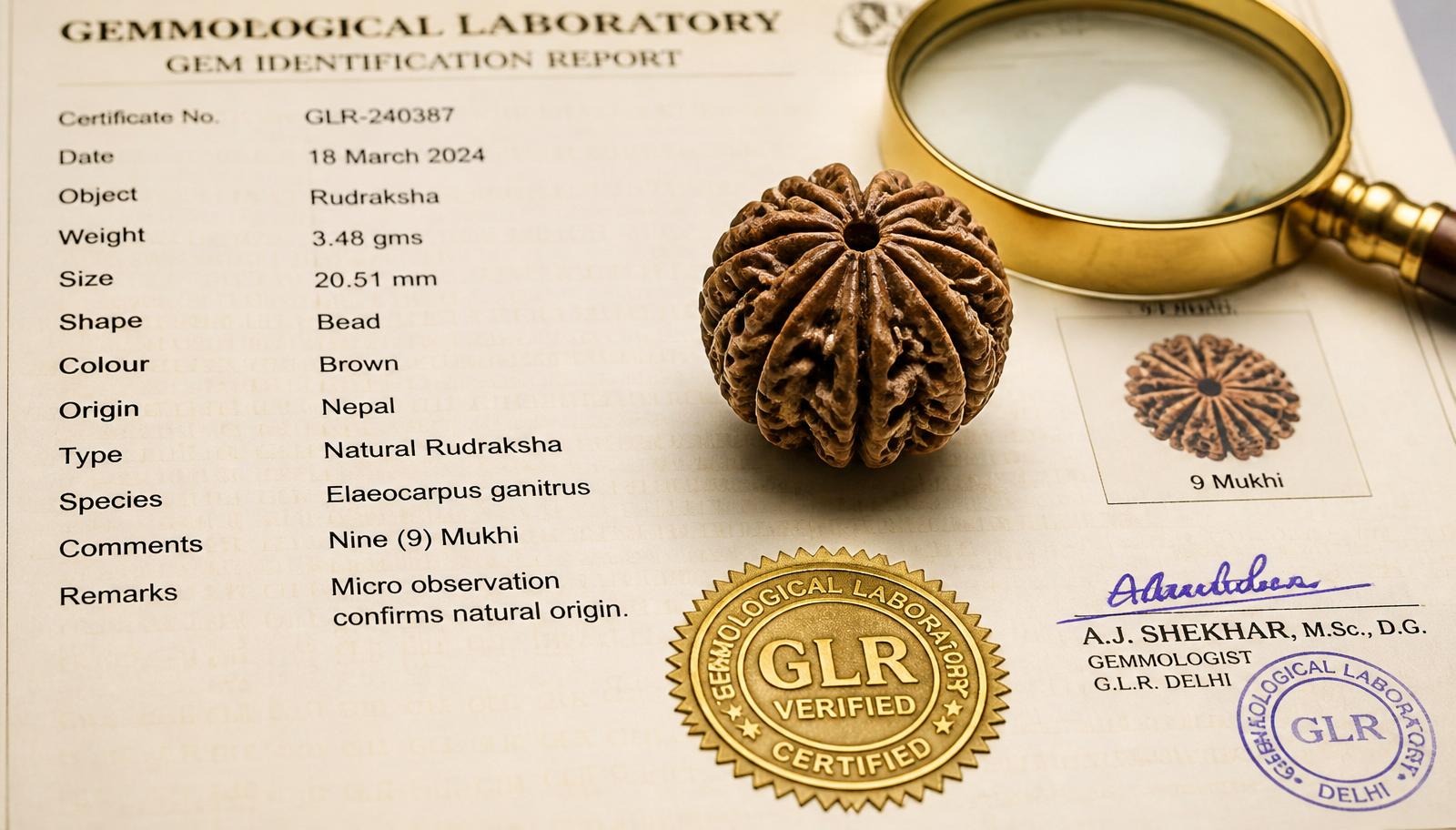
- No lab report for the 1 Mukhi bead specifically.
- Glued or filled beads — look for joins, unusual weight or smooth patches.
Read more in how to identify original Rudraksha and real vs fake Rudraksha.
Shop 1 Mukhi and Bracelet Options at Mauhurtika
We list 1 Mukhi beads with variety and origin, and our bracelets with the beads they actually contain. Live prices below:
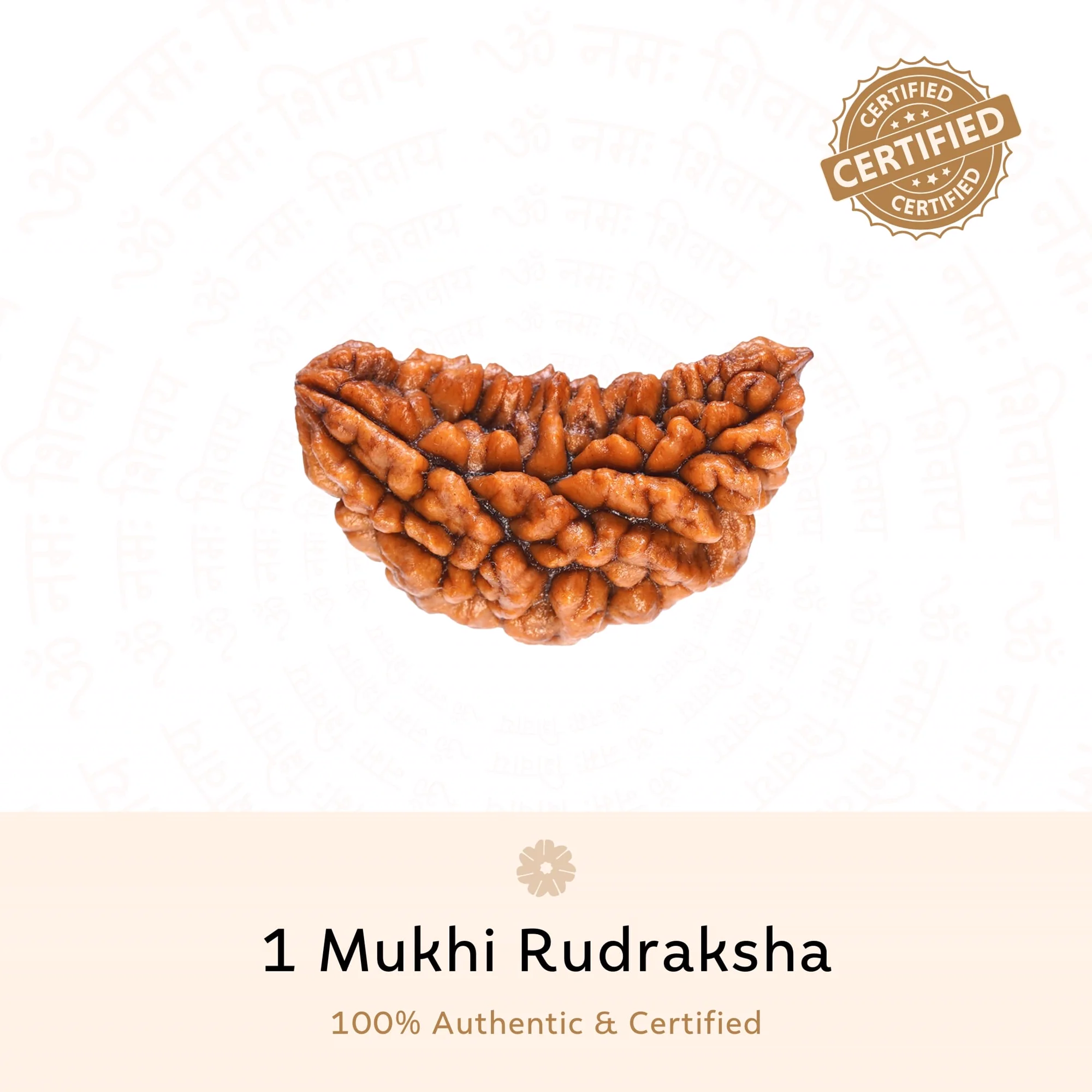
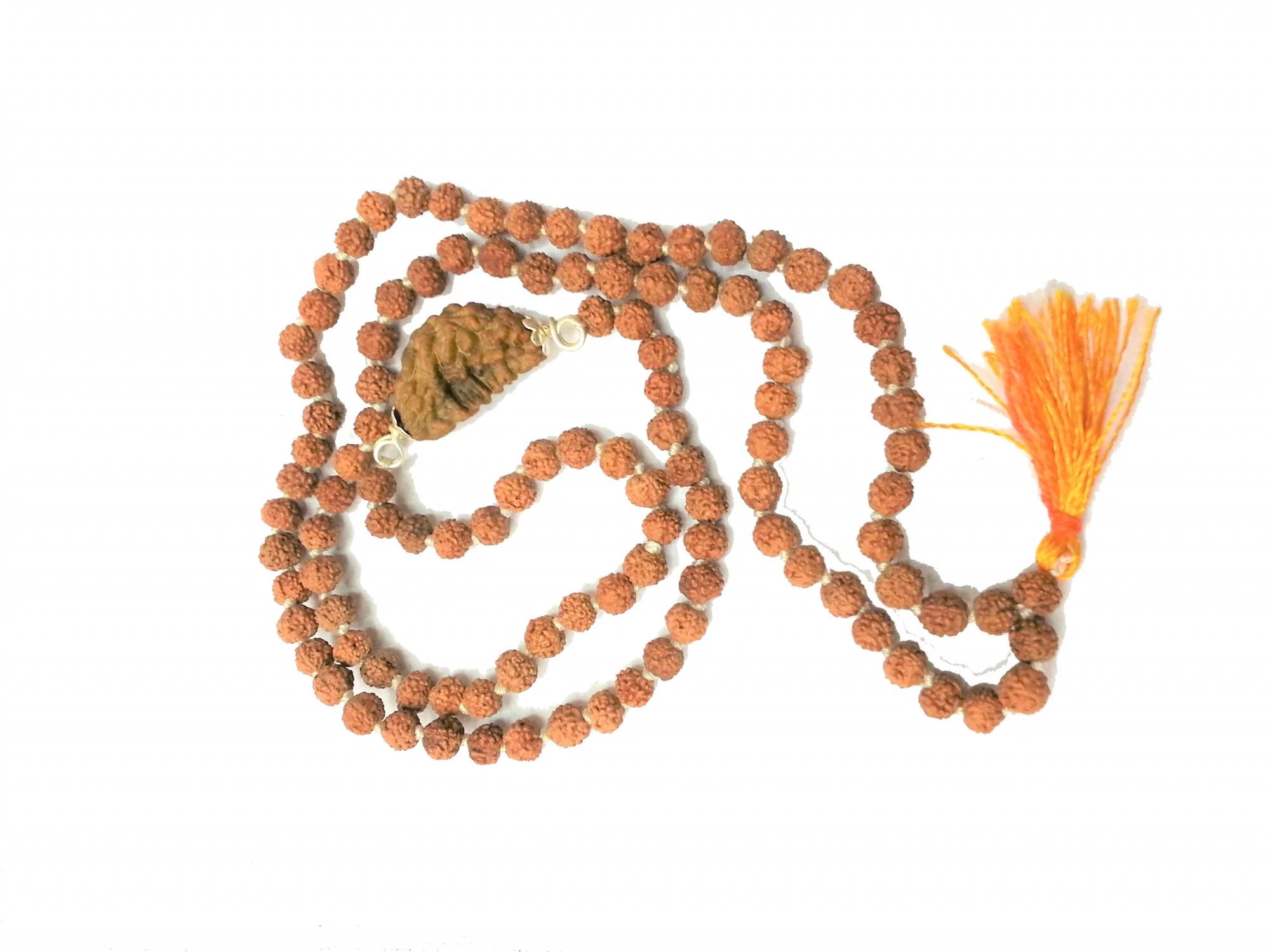
1 Mukhi Rudraksha Mala Pendant | Certified One Face Rudraksha in 5 Mukhi Mala 108+1 Beads
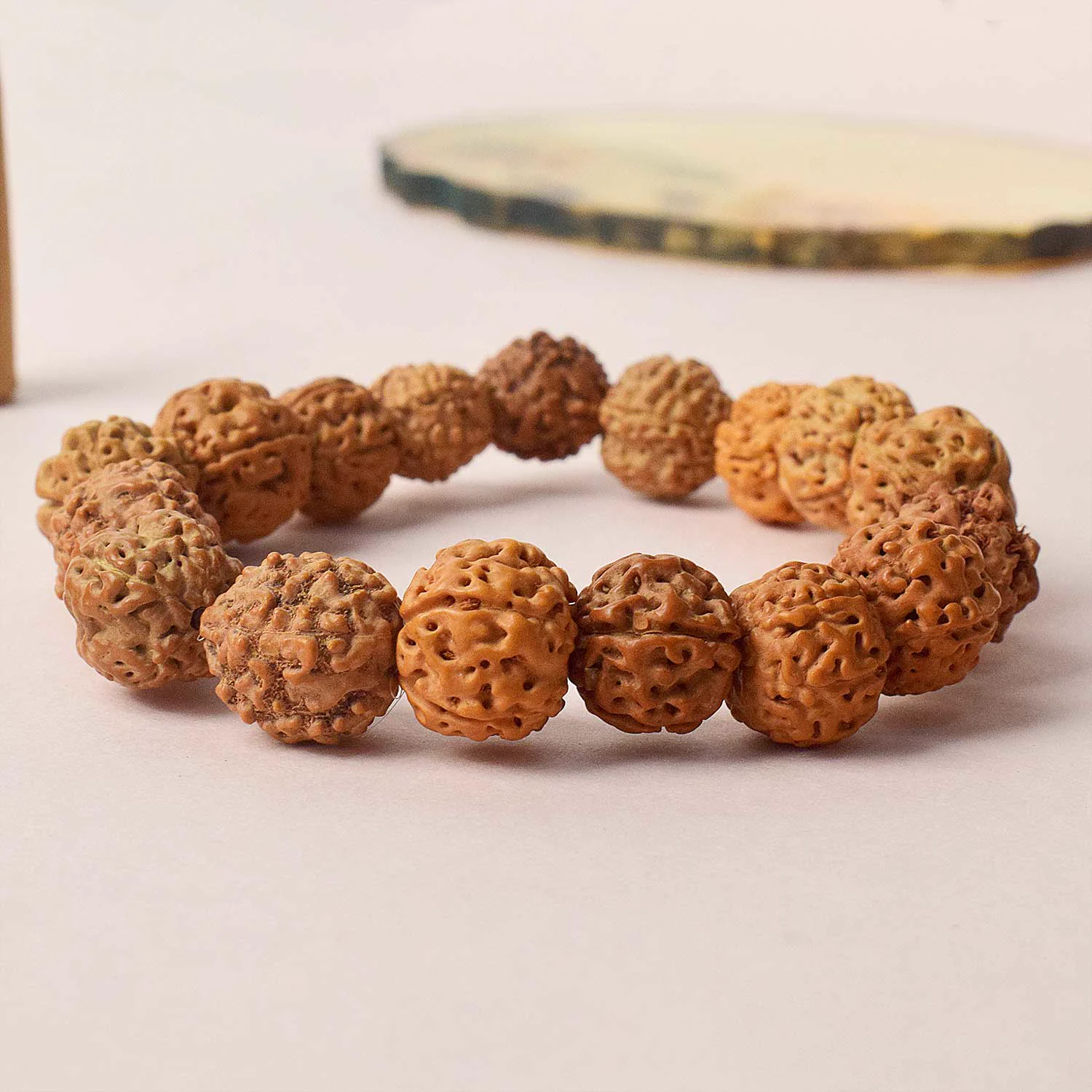
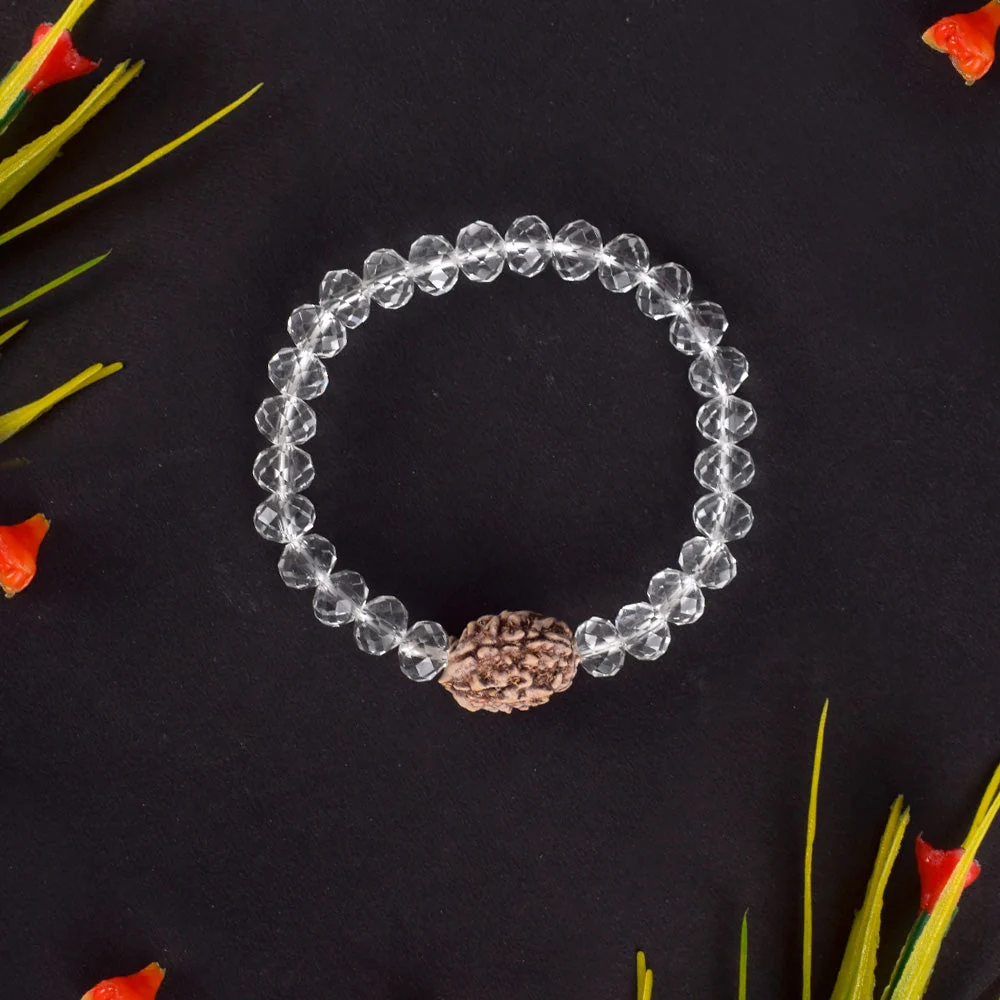
If you want a 1 Mukhi made into a bracelet with 5 Mukhi beads and silver spacers, message us on WhatsApp — we can advise on a custom stringing.
Good Alternatives for Daily Wrist Wear
If your goal is a meaningful bracelet for everyday wear, a 5 Mukhi Rudraksha bracelet is the traditional all-purpose choice, safe for everyone and affordable. Mukhi-specific bracelets (3, 4 or 6 Mukhi) can suit particular intentions. See our mala vs bracelet guide.
Care
Remove the bracelet before using soap or sanitiser, wipe it after sweating, and oil the beads lightly every month. Replace the elastic or thread when it loosens to avoid losing the centre bead.
Price Ranges Explained
| Bracelet type | What you are paying for |
|---|---|
| Plain 5 Mukhi wrist mala | Natural beads and stringing; most affordable |
| Bracelet with Java 1 Mukhi centre | Small 1 Mukhi bead plus 5 Mukhi beads |
| Bracelet with half-moon 1 Mukhi | Larger, rarer centre bead; usually silver spacers |
| Claimed round Nepali 1 Mukhi | Treat with extreme caution; demand a lab report |
Prices depend on the centre bead's size, the quality of the surrounding beads, metal used and certification. See our price guide for typical market ranges.
Thread, Elastic or Silver?
- Elastic — easy to wear, but needs replacing every few months.
- Silk or cotton thread — traditional, adjustable with a sliding knot.
- Silver wire or capping — durable and secure for a valuable centre bead.
For a 1 Mukhi centre bead we recommend silver capping or a strong thread so the bead is never lost.
Etiquette and Respect
Traditional practice treats 1 Mukhi with great respect. Many wearers remove it before visiting a cremation ground, during intimacy or when consuming alcohol or meat, and keep it on the altar at those times. These are customs rather than strict rules; follow what feels right in your family.
Questions to Ask Any Seller
1. Is the centre bead round, half-moon or Java?
2. What is the origin?
3. Is there a lab report for this exact bead?
4. What are the surrounding beads and how many?
5. What is the return policy if the report does not match?
A trustworthy seller answers all five without hesitation.
Frequently Asked Questions
Frequently Asked Questions
Q.Is a 1 Mukhi Rudraksha bracelet genuine?
It can be, if the centre bead is a lab-tested half-moon or Java 1 Mukhi. Cheap bracelets claiming a round Nepali 1 Mukhi are almost always fake.
Q.Which hand should I wear a 1 Mukhi bracelet on?
The right wrist is most common, but practice varies. Follow your family priest's advice.
Q.Can women wear a 1 Mukhi bracelet?
Yes. There is no traditional restriction on women wearing Rudraksha, including 1 Mukhi.
Q.What is the mantra for 1 Mukhi Rudraksha?
The traditional beej mantra is Om Hreem Namah. Om Namah Shivaya is also widely used.
Q.Can I sleep with a 1 Mukhi bracelet?
Many traditions suggest removing it before sleep and keeping it on your altar, both for respect and to protect the bead.
Q.Is half-moon 1 Mukhi real?
Yes. The half-moon (Chandrakar) bead is widely accepted as a genuine 1 Mukhi Rudraksha when naturally formed and tested.