7 Mukhi Rudraksha Mala vs Single Bead: Which Format Fits You?
Choose a single 7 Mukhi bead if you want a relatively simple wearing format; consider a counting mala if repeated mantra practice is your main purpose. A seven-Mukhi wearing strand is a third possibility. These products differ in composition, bead count, weight and use. More beads do not establish more spiritual power.
Choose a single 7 Mukhi bead if you want a relatively simple wearing format; consider a counting mala if repeated mantra practice is your main purpose. A seven-Mukhi wearing strand is a third possibility. These products differ in composition, bead count, weight and use. More beads do not establish more spiritual power.
The phrase “7 Mukhi mala” is easy to misunderstand. Seven describes the natural faces of the relevant beads, not necessarily the number of beads or the length of the strand. Before comparing prices, find out exactly what each product contains.
Start with use, not a spiritual ranking
A single bead for a simpler wearing format
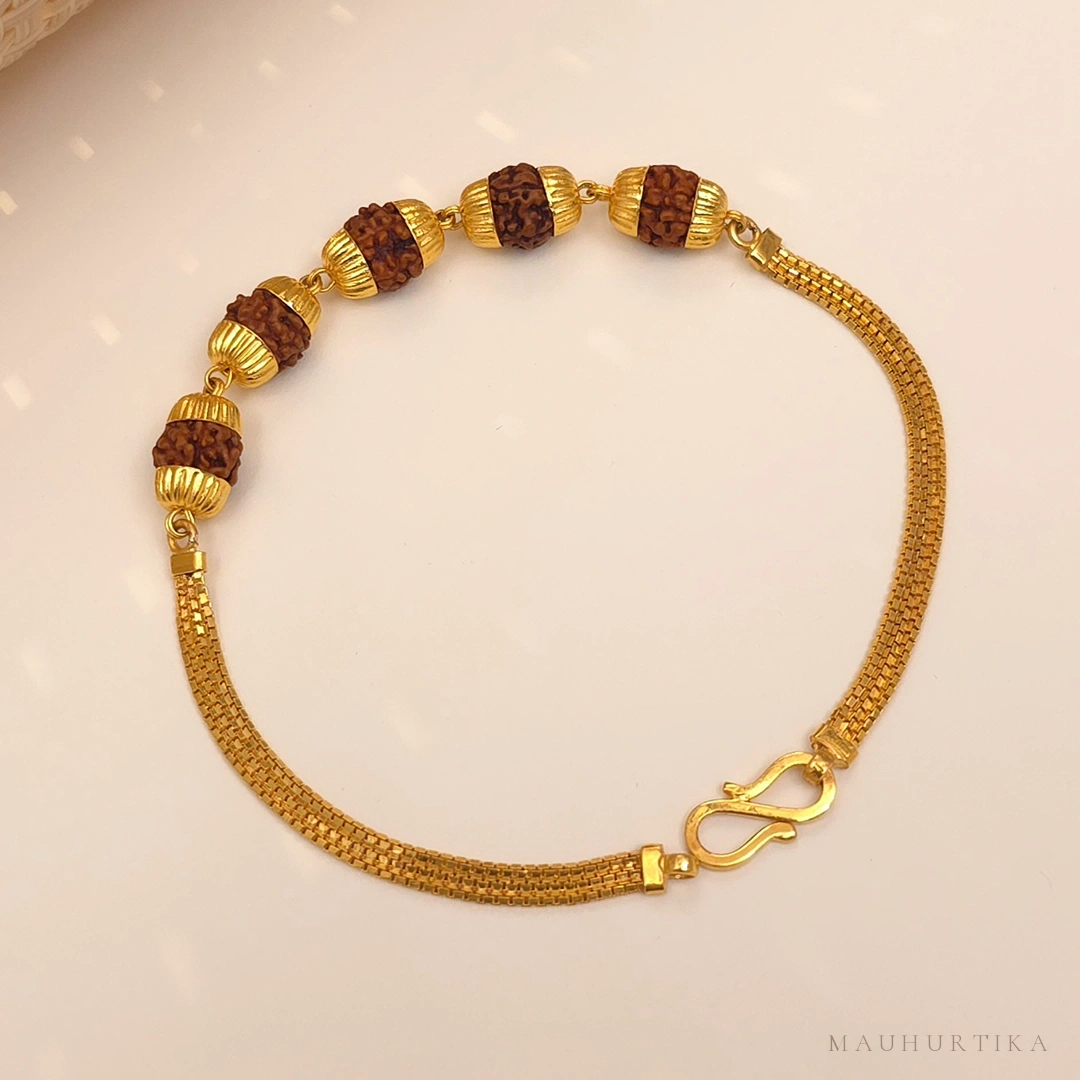
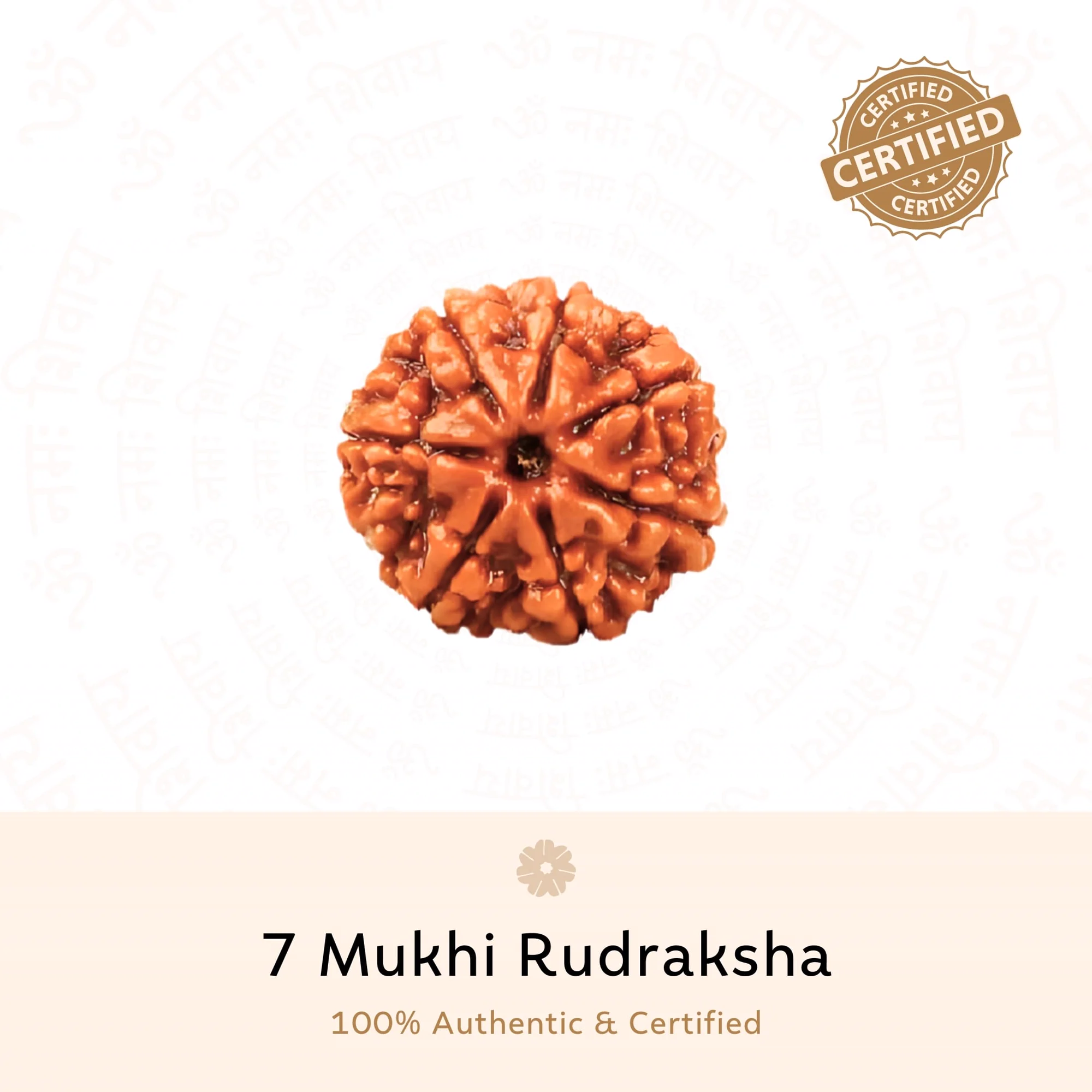
A single bead may be worn on thread or in a pendant setting. You have fewer components to inspect, and the format can be easier to accommodate under clothing. Actual comfort still depends on the bead's dimensions, cap, chain and length; one large pendant can feel heavier than a strand of small beads.
A japa mala for counting
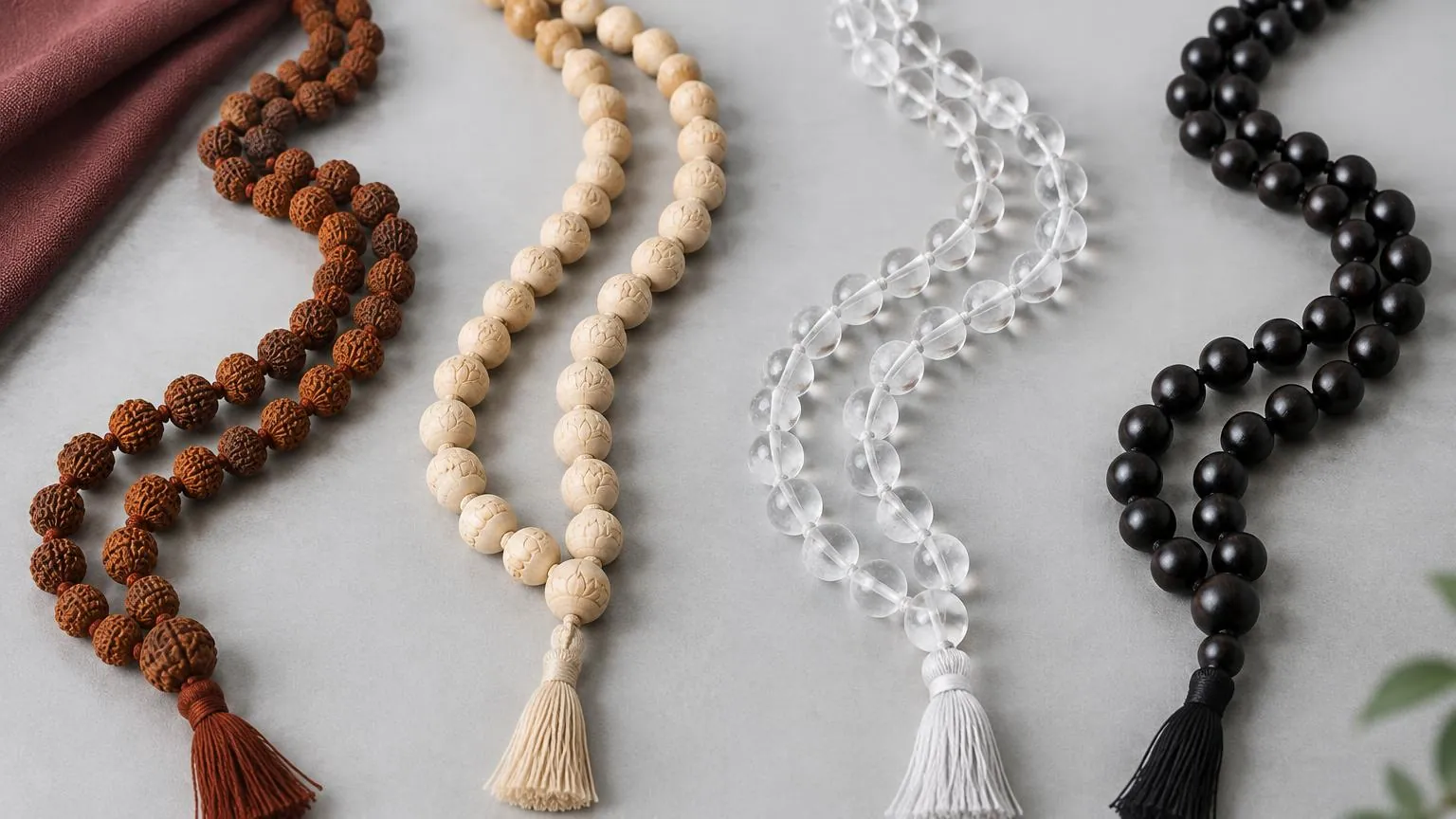
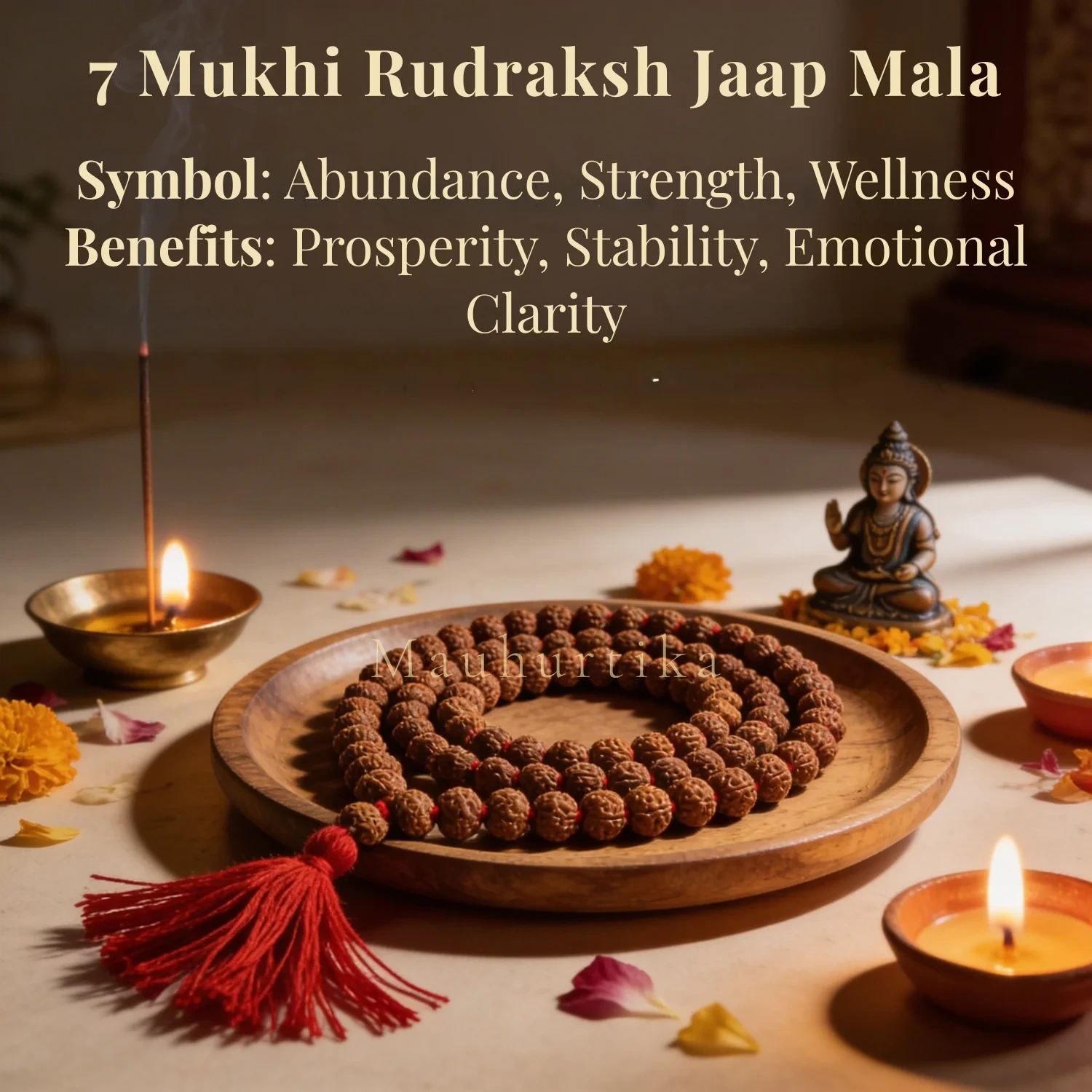
A counting mala helps you keep track of repetitions during a devotional practice. Check the stated count, guru bead, spacing and whether the beads move comfortably through your fingers. A necklace that looks like a mala is not automatically configured for the count you intend to use.
A wearing strand for a different feel
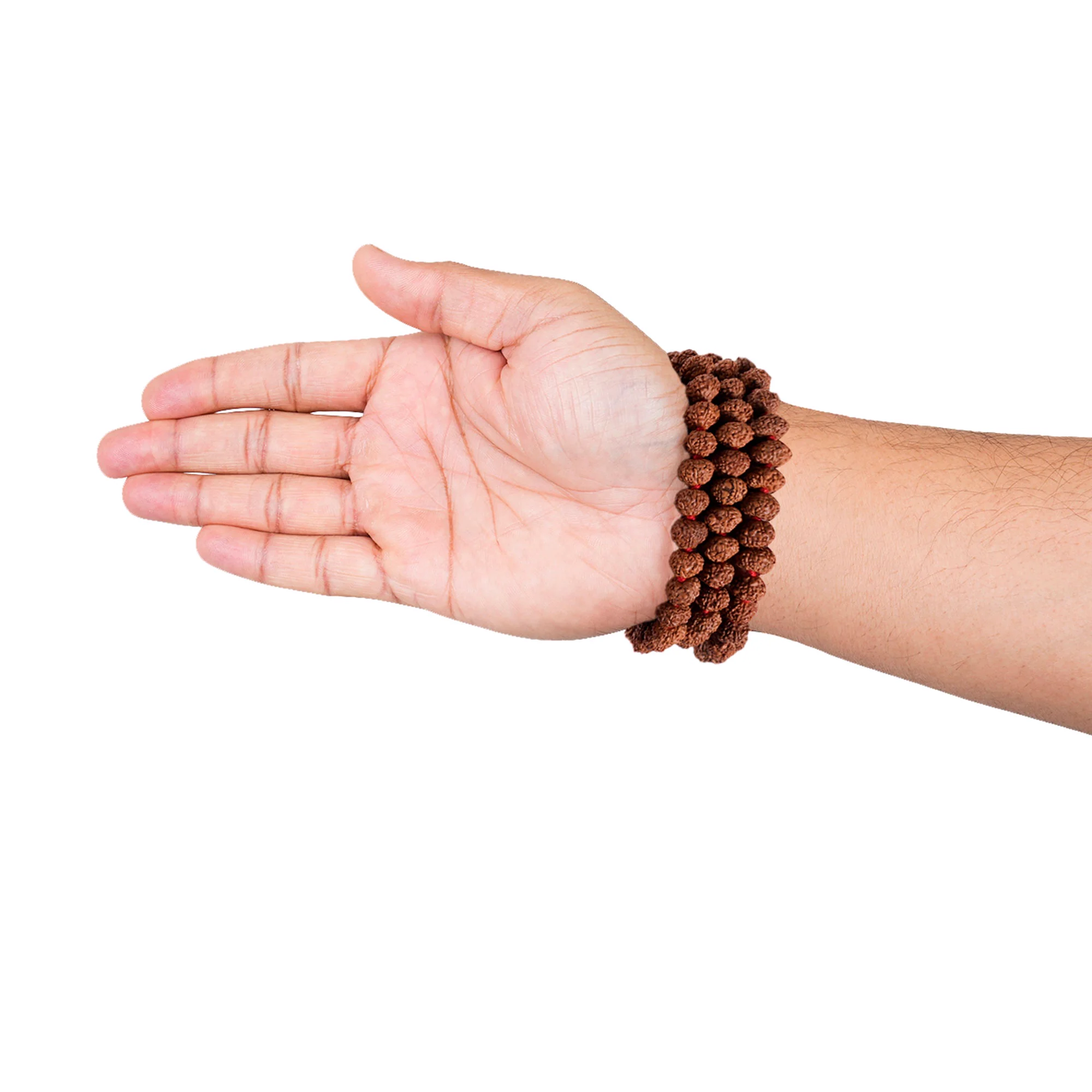
Some buyers prefer multiple beads around the neck. That is a wearing preference, not a requirement. A strand needs its own composition and measurements; do not infer either from a product name containing “seven Mukhi.”
What the current Mauhurtika listings actually distinguish
The Nepali 7 Mukhi bead is an individual-bead product. The 7 Mukhi japa mala is listed as an Indonesian Java 108+1 Rudraksha Mala. They are different formats with different stated origins, not simply one bead versus many identical Nepali beads.
A separate Nepali 7 Mukhi mala has its own specification. Do not assign it the Java mala's 108+1 count unless its live listing explicitly supplies that information. Confirm current composition and dimensions before ordering.
| Comparison | Single bead | Counting mala | Wearing strand |
|---|---|---|---|
| Main question | Which specimen and mounting? | Which count and counting arrangement? | Which composition and fit? |
| Everyday consideration | Pendant weight and chain length | Handling, spacing and storage | Total weight, length and fastening |
| Documentation question | Does the report match this bead? | What pieces and methods were examined? | Does evidence match the full composition? |
| Price comparison | Selected bead and cap | Complete assembled mala | Full strand and any metal fittings |
Traditional meaning does not depend on quantity alone
Many contemporary traditions associate seven Mukhi with Mahalakshmi and prosperity. A single bead and a mala can both have personal devotional meaning. Neither guarantees income, loan repayment or business growth. If you follow a lineage with a particular practice, ask your teacher how the chosen format fits that practice.
The seven-Mukhi overview provides existing devotional context. Your buying decision should still be based on the actual product, not on an assumption that a longer strand must produce a stronger result.
How to compare the price fairly
Compare origin claims, dimensions, condition, number of beads and mounting together. A Java counting mala and a Nepali single bead are not identical materials multiplied by a simple bead count. Assembly and any metal work also belong to the complete product quotation.
Use each live product page for the current price and selected options. Ask whether thread, capping or chain is included. Do not multiply a retail single-bead price by 108 to estimate a mala's fair price, and do not divide a mala price to infer the price of an individually documented specimen.
Report scope: one specimen is not a whole strand
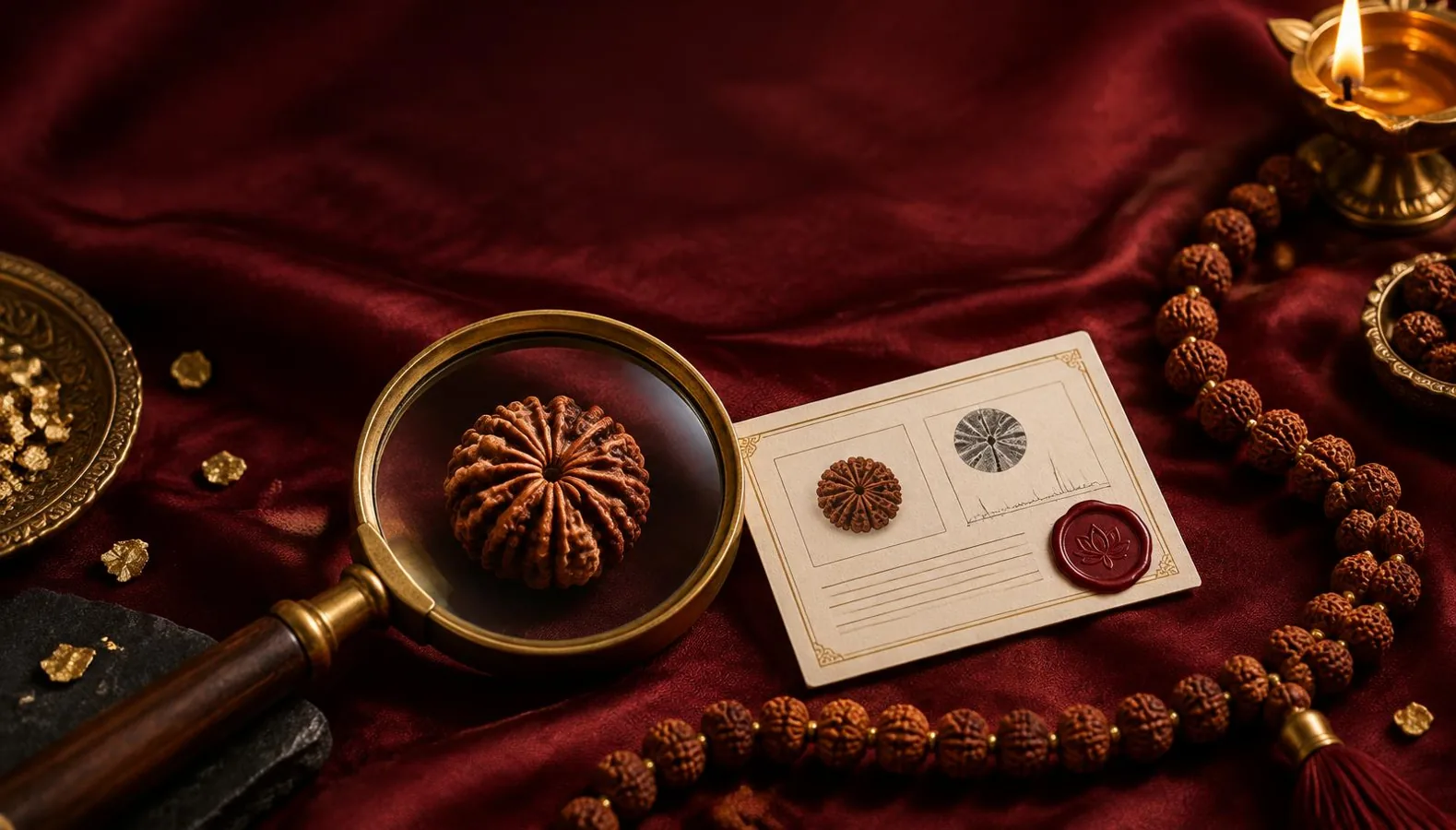
A single-bead report may identify that specimen. A combination report may describe a mounted object or multiple pieces. Ask how many pieces were examined, what methods were used and which findings are recorded for the supplied item.
If a seller displays one sample certificate beside several malas, do not assume that each strand has the same report or that every bead was individually X-rayed. Read certificate examples and scope guidance, then ask for the document applicable to your order.
Comfort checks before buying
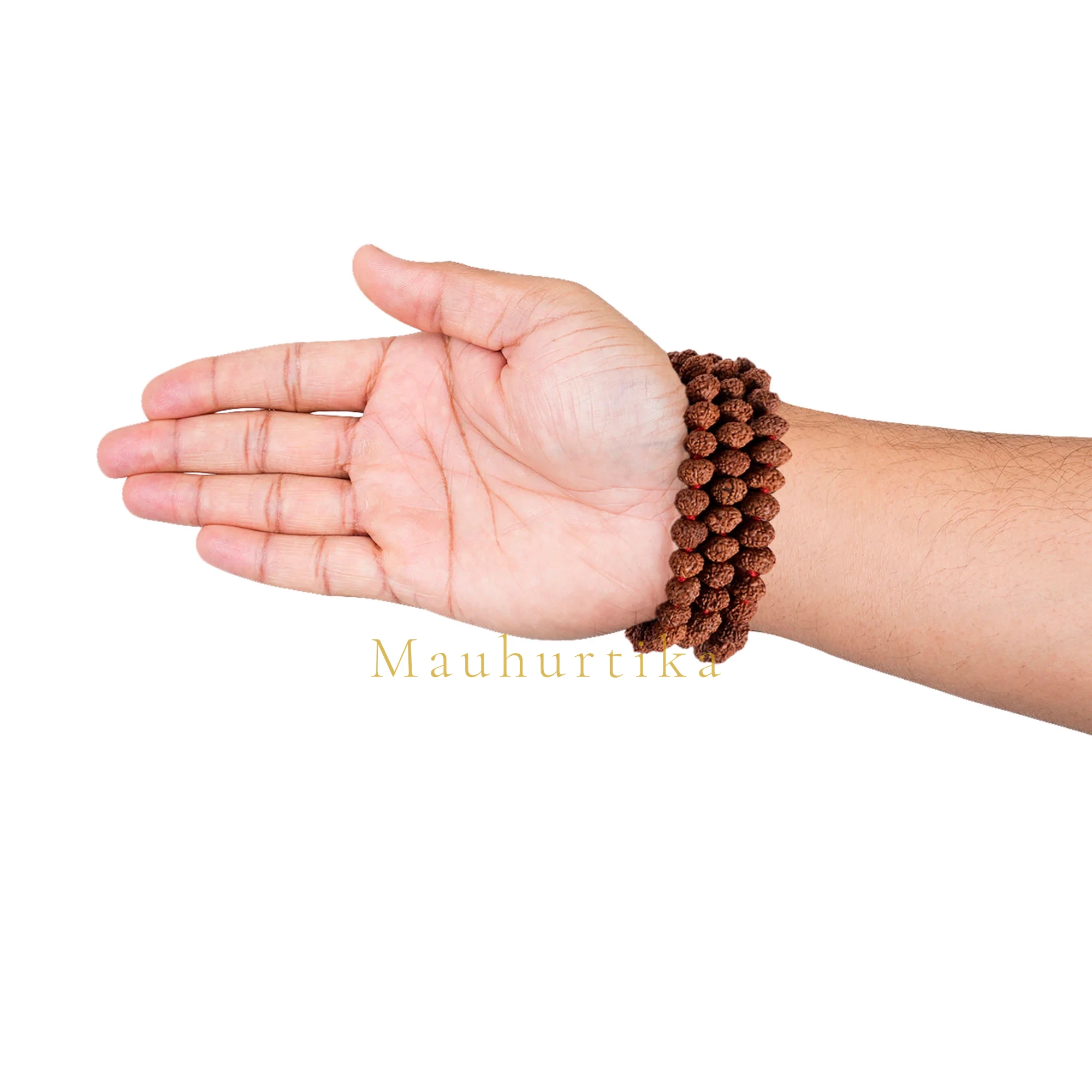
Measure a necklace length you already find comfortable and share that preference. Ask about bead diameter, the full strand's length and any fastening. For counting, think about grip and spacing rather than only the visual appearance of the mala.
A capped single bead should sit without digging into skin. A long strand should not swing into tools or catch on clothing. Remove jewellery for activities where it creates a snagging risk. For a child, prioritise supervision and safety instead of choosing by a devotional count.
Care and storage differ by construction
Follow the instructions for the complete item, including thread, elastic, caps and chain. After wear, keep it dry and inspect fastenings for obvious wear. A counting mala stored between practices has different handling demands from a necklace worn against skin all day.
Do not boil beads, soak them in household chemicals or cut a strand open to test authenticity. If restringing is needed, ask what work is appropriate and whether it changes the relationship between the object and its existing report.
Frequently asked questions
For a format-specific enquiry, share your preferred necklace length and whether the item is for wear or counting through consultation.
Frequently Asked Questions
Q.Is a 7 Mukhi mala more powerful than one bead?
No comparative spiritual result is established by bead quantity. Choose by your practice, comfort, budget and the actual composition.
Q.Does 7 Mukhi mean seven beads in the mala?
No. It refers to natural faces on the relevant beads. Total bead count must be stated separately.
Q.Are all seven-Mukhi malas 108+1?
No. The linked Java japa mala is listed as 108+1, but other strands need their own count and composition confirmed.
Q.Can I compare a Nepali bead directly with a Java mala?
You can compare suitability, but they are different products. Record origin, size, count, construction and documentation rather than assuming identical specimens.
Q.Does a single-bead certificate cover a complete mala?
Not automatically. Ask which specimen or pieces were examined and what the report states.