10 Most Powerful Kali Temples in India Every Devotee Should Visit
From Kalighat's Shakti Peetha to Tarapith's cremation ground and Pavagadh's hilltop shrine, here are ten of India's most revered Kali temples with history and visitor tips.
Quick list: Some of the most revered Kali temples in India are Kalighat (Kolkata), Dakshineswar (Kolkata), Tarapith (Birbhum, West Bengal), Kamakhya and its Mahavidya shrines (Guwahati), Kalkaji Mandir (Delhi), Pavagadh Kalika Mata (Gujarat), Garhkalika (Ujjain), Bhadrakali (Warangal), Kalimath (Uttarakhand) and Kali Bari (Shimla).
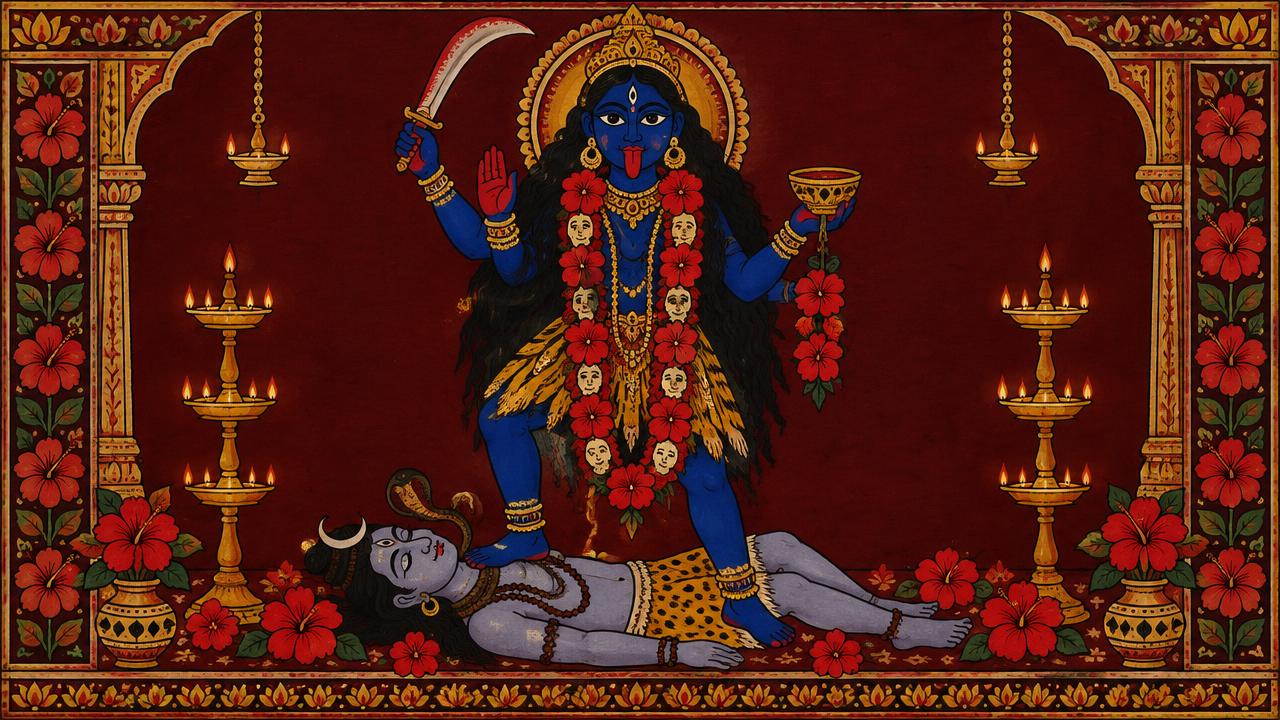
Goddess Kali is the fierce form of the Divine Mother who destroys ego, fear and ignorance. Her dark form represents time (*kala*) and the vast void from which everything arises. Devotees describe her as fierce outside and infinitely loving inside — the mother who protects her children by destroying what harms them. Her temples carry a powerful atmosphere, especially in Bengal, Assam and Gujarat.
“Powerful” here reflects devotional reputation and historical importance — not a ranking of which deity grants more. Every sincere visit matters.
1. Kalighat Kali Temple, Kolkata (West Bengal)
Kalighat is one of the 51 Shakti Peethas, where tradition says the toes of Sati's right foot fell. The present temple dates to the early 19th century, but worship here is far older; the city of Kolkata is often said to take its name from Kalighat. The image of Kali has striking large eyes, a long golden tongue and three eyes. The temple is especially crowded on Kali Puja, Tuesdays and Saturdays.
2. Dakshineswar Kali Temple, Kolkata
Founded by Rani Rashmoni in 1855 on the Hooghly, Dakshineswar houses Maa Bhavatarini and is inseparable from the life of Sri Ramakrishna Paramahamsa. Its navaratna temple, twelve Shiva shrines and riverside ghats make it one of India's most beautiful temple complexes. Read our full Dakshineswar darshan guide.
3. Tarapith, Birbhum (West Bengal)
Tarapith is dedicated to Maa Tara, one of the ten Mahavidyas and a form closely related to Kali. Tradition counts it among Shakti Peethas where Sati's eyeball (*tara*) fell. The adjacent cremation ground (*mahashmashana*) is famous for tantric sadhana and for the 19th-century saint Bamakhepa, whose devotion to Tara is legendary.
4. Kamakhya Temple and the Mahavidya Shrines, Guwahati (Assam)
While Kamakhya's main sanctum honours the Goddess as Kamakhya, the Nilachal Hill complex includes shrines of all ten Mahavidyas, including Kali. It is the heart of Indian tantra and the site of the annual Ambubachi Mela.
5. Kalkaji Mandir, Delhi
Kalkaji Temple in South Delhi is dedicated to Kalka Devi, a form of Kali. Tradition says the Goddess appeared here to defeat demons troubling the gods. The temple is believed to be very old, with the current structure largely from the 18th century onward. Navaratri brings massive crowds.
6. Pavagadh Kalika Mata Temple, Gujarat
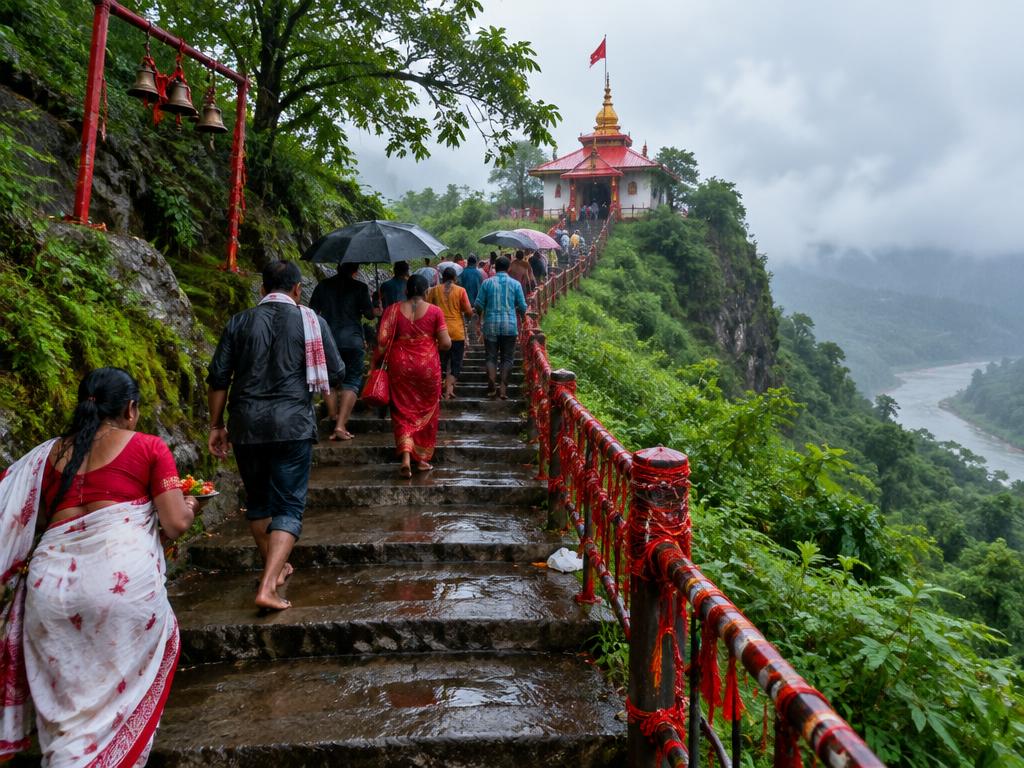
Perched on Pavagadh Hill near Champaner, part of the Champaner-Pavagadh UNESCO World Heritage Site, this temple honours Kalika Mata. Pilgrims reach it by steps or ropeway. It is counted among Shakti Peethas in some traditions, and the temple's restored spire and flag were celebrated widely after its renovation.
7. Garhkalika Temple, Ujjain (Madhya Pradesh)
In the sacred city of Ujjain, Garhkalika is dedicated to Kalika Mata and is traditionally associated with the poet Kalidasa, who is said to have received his poetic gift through her grace. Ujjain is close to our home base of Indore, and many pilgrims combine Garhkalika with Mahakaleshwar darshan.
8. Bhadrakali Temple, Warangal (Telangana)
Set beside a lake between hills, Warangal's Bhadrakali Temple is associated with the Kakatiya era. The Goddess is depicted seated with eight arms. It is one of the most important Devi temples in South India.
9. Kalimath, Rudraprayag (Uttarakhand)
Kalimath, near Guptkashi in the Himalayas, is a revered Shakti site associated with the Goddess slaying Raktabija. Unusually, the shrine worships a sacred *yantra* or kund rather than a conventional idol. Its quiet mountain setting makes it a powerful place for meditation.
10. Kali Bari, Shimla (Himachal Pradesh)
Built in the 19th century by the Bengali community of Shimla, Kali Bari honours the Goddess as Shyamala, from whom Shimla is often said to take its name. The temple offers sweeping views and a peaceful atmosphere.
Tips for Visiting Kali Temples
- Check timings and festival crowds in advance, especially for Kali Puja and Navaratri.
- Dress modestly and follow local customs about offerings and photography.
- Red hibiscus flowers, sweets and lamps are common offerings.
- At tantric sites such as Tarapith, respect practitioners and avoid intrusive photography.
- Beware of touts promising special rituals for large fees; use official counters.
Rudraksha for Kali and Shakti Devotees
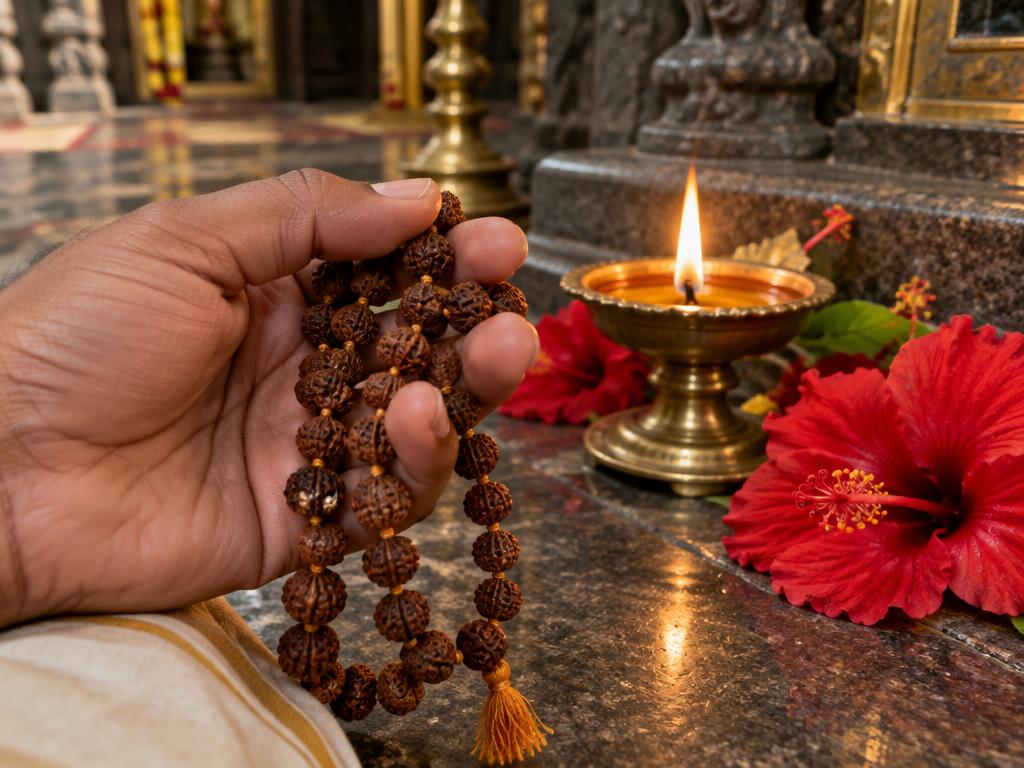
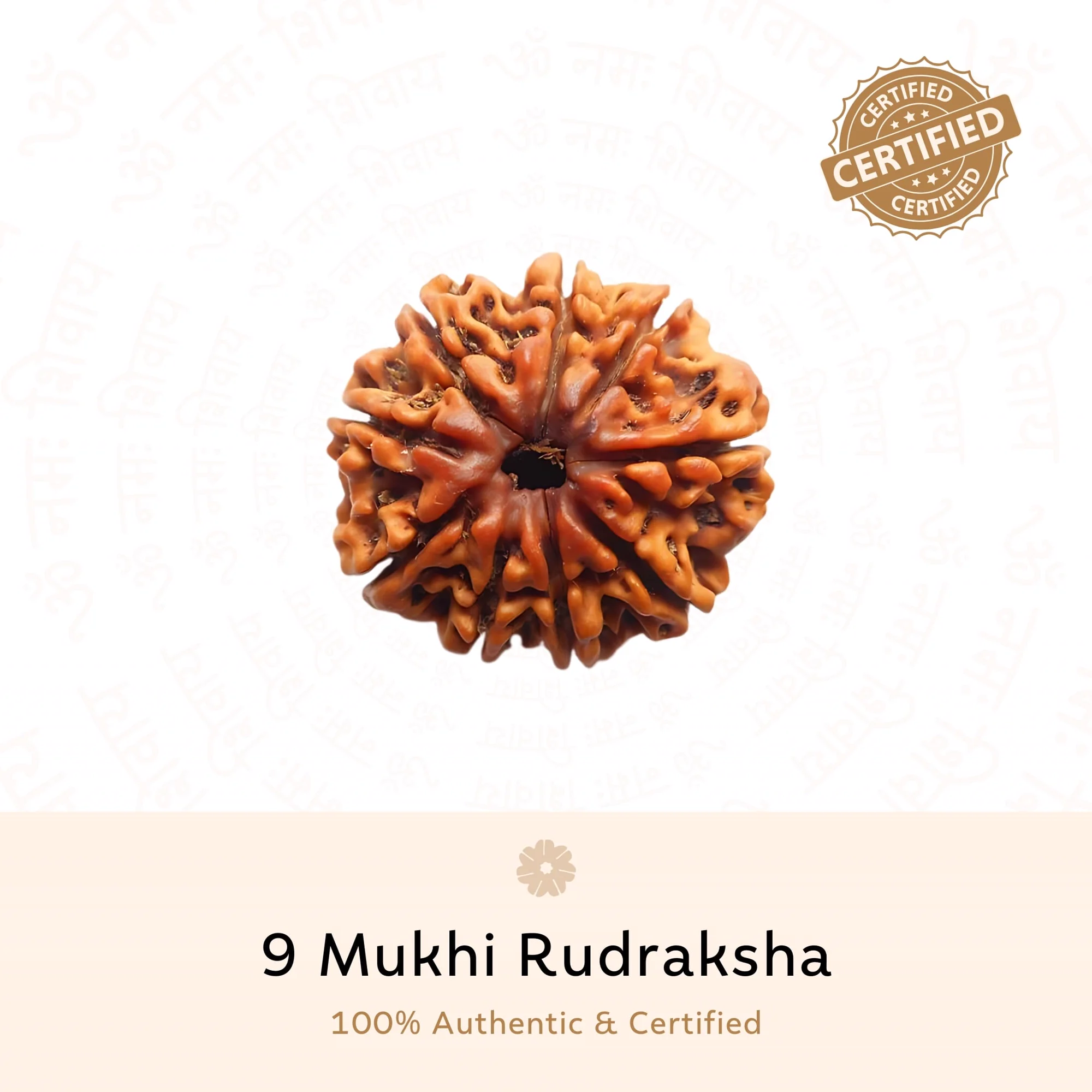
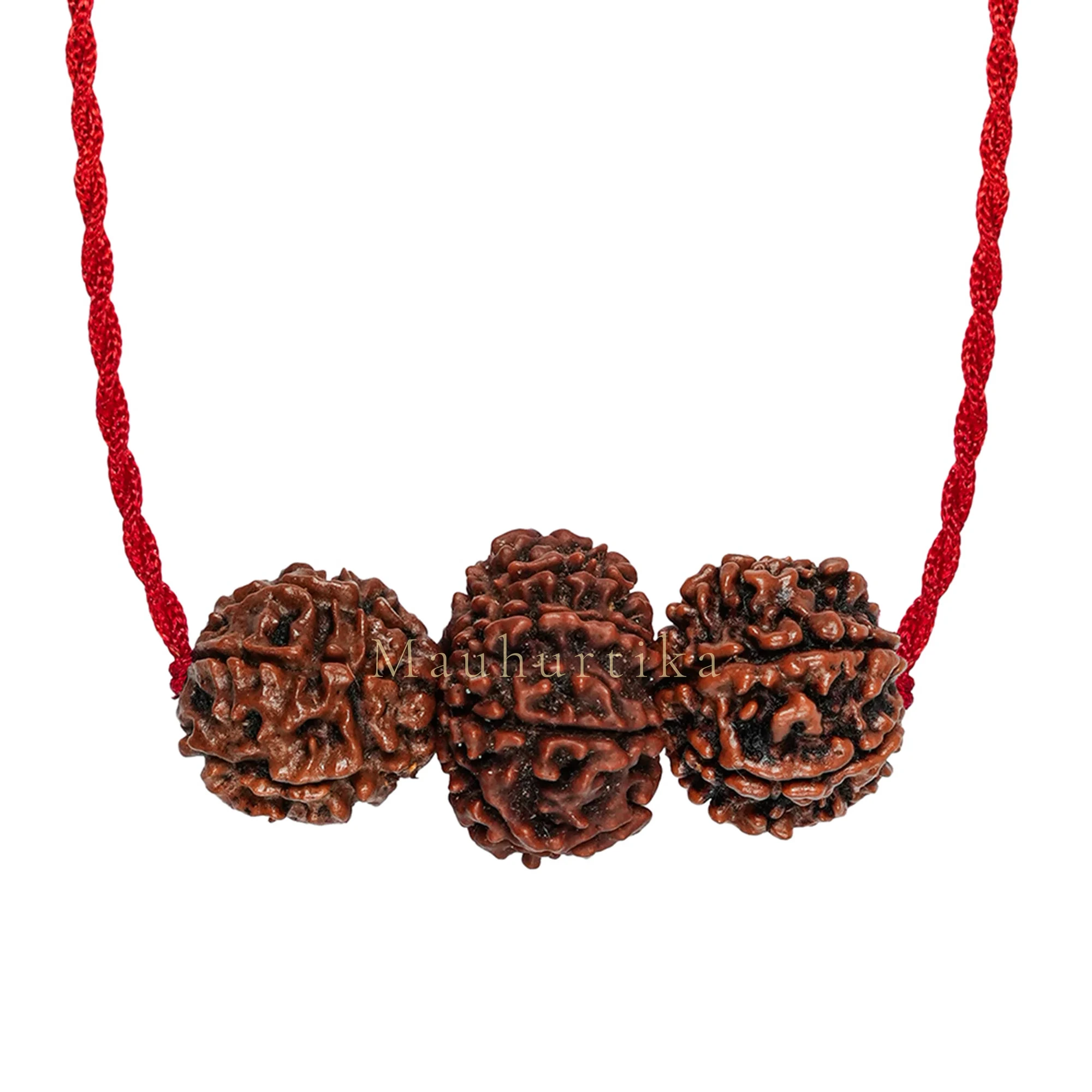
Many Shakti devotees wear Rudraksha as a sign of Shiva-Shakti and use it for japa. The 9 Mukhi Rudraksha is traditionally associated with Durga and the Navadurga; the Gauri Shankar symbolises the union of Shiva and Shakti; protective kavach combinations are chosen by some devotees as a devotional reminder. These are spiritual associations, not guaranteed outcomes.

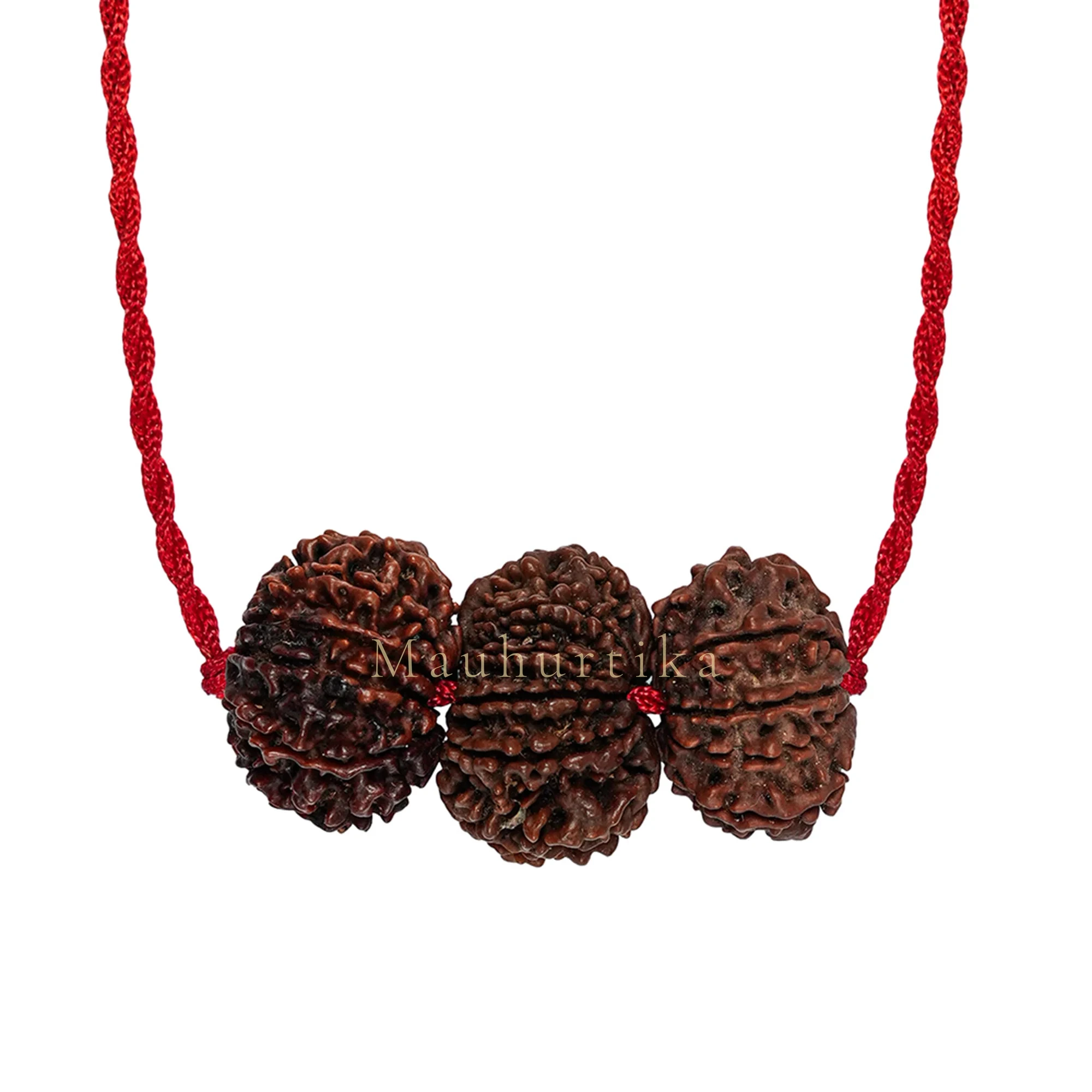
Not sure which bead suits you? Try the free Rudraksha calculator, see the Rudraksha wearing rules or browse all Rudraksha.
Frequently Asked Questions
Q.Which is the most powerful Kali temple in India?
Kalighat in Kolkata is often named first because it is a Shakti Peetha; Dakshineswar, Tarapith and Kamakhya are equally revered by many devotees.
Q.Which Kali temples are Shakti Peethas?
Kalighat and Tarapith are traditionally counted among Shakti Peethas, and Kamakhya is one of the most important. Lists differ between texts.
Q.What is offered to Goddess Kali?
Red hibiscus flowers, sweets, lamps, incense and red cloth are common offerings in most temples.
Q.Which day is best for Kali worship?
Tuesdays, Saturdays, Amavasya and Kali Puja on Diwali night are especially popular.
Q.Which Rudraksha is associated with Goddess Kali or Durga?
The 9 Mukhi Rudraksha is traditionally linked with Durga and the nine forms of Shakti.