Ram Navami 2027: Date, Madhyahna Muhurat, Puja Vidhi & Rudraksha
Ram Navami 2027 falls on Thursday, 15 April. Madhyahna puja muhurat, Navami tithi timings, how to celebrate at home, fasting, Chaitra Navratri and the Rudraksha associated with Lord Rama and Hanuman.
Quick answer: Ram Navami 2027 is on Thursday, 15 April 2027. Navami tithi begins about 3:23 PM on 14 April and ends about 1:21 PM on 15 April. The madhyahna puja window in New Delhi begins around 11:04 AM, with the midday moment of Lord Rama's birth at about 12:21 PM. Finish the main puja before Navami ends at about 1:21 PM.
Ram Navami celebrates the birth of Lord Rama, the seventh avatar of Vishnu, on the ninth day of the bright half of Chaitra. It closes the nine days of Chaitra Navratri and is one of the most widely observed festivals in India — from the great celebrations at Ayodhya to quiet readings of the Ramcharitmanas in family homes.
Dates and timings below are for New Delhi from published panchang calculations. Local sunrise changes muhurat times by city, so confirm with your family priest or a local panchang before puja.
Ram Navami 2027 Date and Muhurat
| Detail | 2027 (New Delhi) |
|---|---|
| Date | Thursday, 15 April 2027 |
| Tithi | Chaitra Shukla Navami |
| Navami begins | about 3:23 PM, 14 April |
| Navami ends | about 1:21 PM, 15 April |
| Madhyahna puja window | from about 11:04 AM (complete puja before Navami ends) |
| Madhyahna moment | about 12:21 PM |
Tradition holds that Rama was born at midday, in Punarvasu nakshatra and Karka lagna, which is why the main puja is performed in the madhyahna — the middle part of the day — rather than at dawn. Chaitra Navratri 2027 therefore runs in the days just before, and the Navratri parana is usually done after Ram Navami or on Dashami according to family custom.
The Significance of Ram Navami
Rama is remembered as *Maryada Purushottam* — the ideal person who lived by dharma even when it cost him dearly. His life, told in Valmiki's Ramayana and Tulsidas's Ramcharitmanas, gives Indian families their model of an honest ruler, a loyal son, a devoted husband and a faithful friend. Ram Navami is less about spectacle than about recommitting to those values.
The festival is also closely linked with Hanuman, Rama's greatest devotee. Hanuman Jayanti follows on Chaitra Purnima, and many devotees treat the days between as a single period of Ram–Hanuman bhakti.
How Ram Navami Is Celebrated
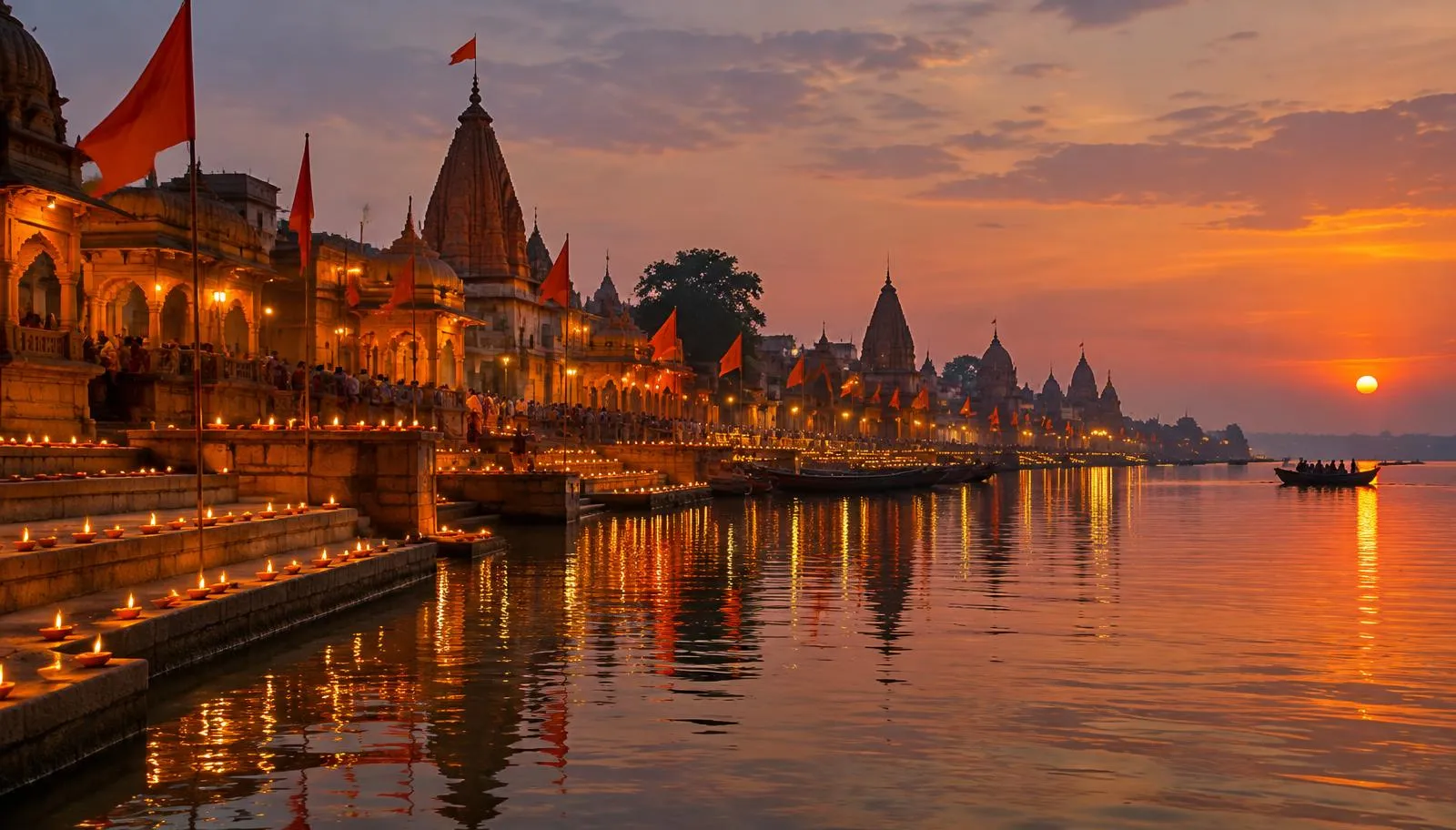
- Ayodhya: lakhs of devotees take a dip in the Sarayu and visit the Ram Janmabhoomi temple, where the midday darshan of Ram Lalla is the high point.
- North India: Akhand Ramayan or Ramcharitmanas path is completed at noon, followed by bhajans and shobha yatras with Ram, Lakshman, Sita and Hanuman tableaux.
- South India: families offer *panakam* (jaggery water with pepper and cardamom), *neer mor* (spiced buttermilk) and *kosambari* (moong dal salad), and some communities celebrate Sita Rama Kalyanam, the wedding of Rama and Sita.
- At home: many families place a small idol of baby Rama in a decorated cradle (*palna*) and rock it at noon while singing *Bhaye Pragat Kripala*.
Ram Navami Puja Vidhi at Home
1. Bathe early, clean the puja space and set up an image of Ram Darbar — Rama, Sita, Lakshmana and Hanuman.
2. Take a sankalp for the vrat and puja.
3. Before midday, offer water, roli, chandan, akshat, tulsi leaves, yellow and red flowers, fruit and a ghee diya.
4. At the madhyahna moment, perform the janma utsav — ring bells, sound a conch, rock the cradle and sing the birth stuti.
5. Chant Shri Ram Jai Ram Jai Jai Ram or Om Shri Ramaya Namah on a mala; one round is 108 repetitions.
6. Read the Bal Kand of the Ramcharitmanas or the Ram Raksha Stotra, then perform aarti.
7. Offer panakam, panjiri, kheer or fruit as bhog and distribute prasad.
Fasting on Ram Navami
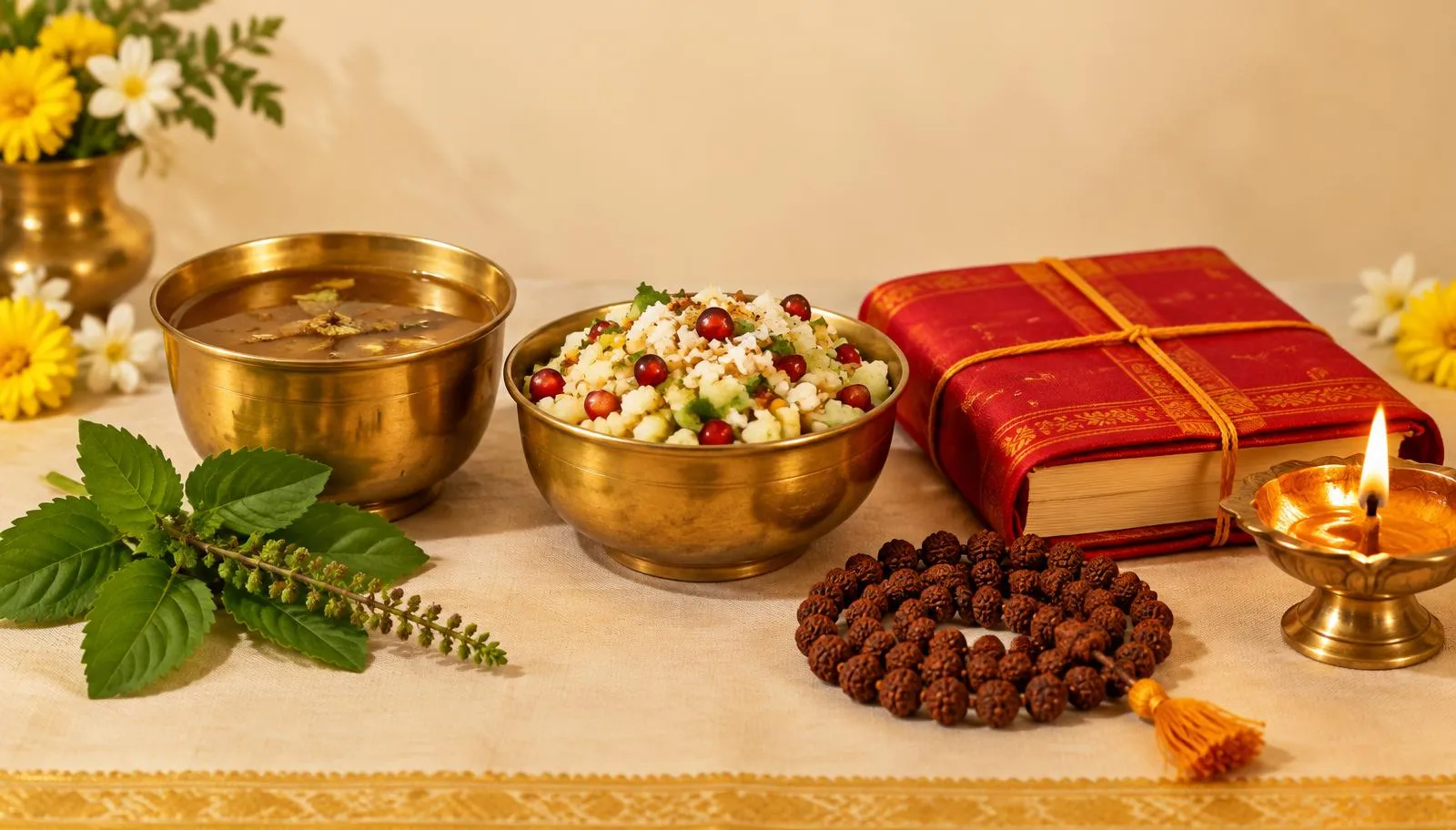
Devotees observe either a full-day fast with fruit and milk, or a single sattvic meal after the midday puja. Grains, onion, garlic and non-vegetarian food are usually avoided. Those completing the Chaitra Navratri vrat often do kanya pujan on Ashtami or Navami. As with any fast, people with health conditions should seek medical advice first.
Rudraksha Associated with Ram and Hanuman Bhakti
Rudraksha is primarily a Shiva tradition, but it is worn by devotees of every deity for japa, and some Mukhis are linked in the traditional texts with Rama and Hanuman. These are devotional associations, not promised outcomes.
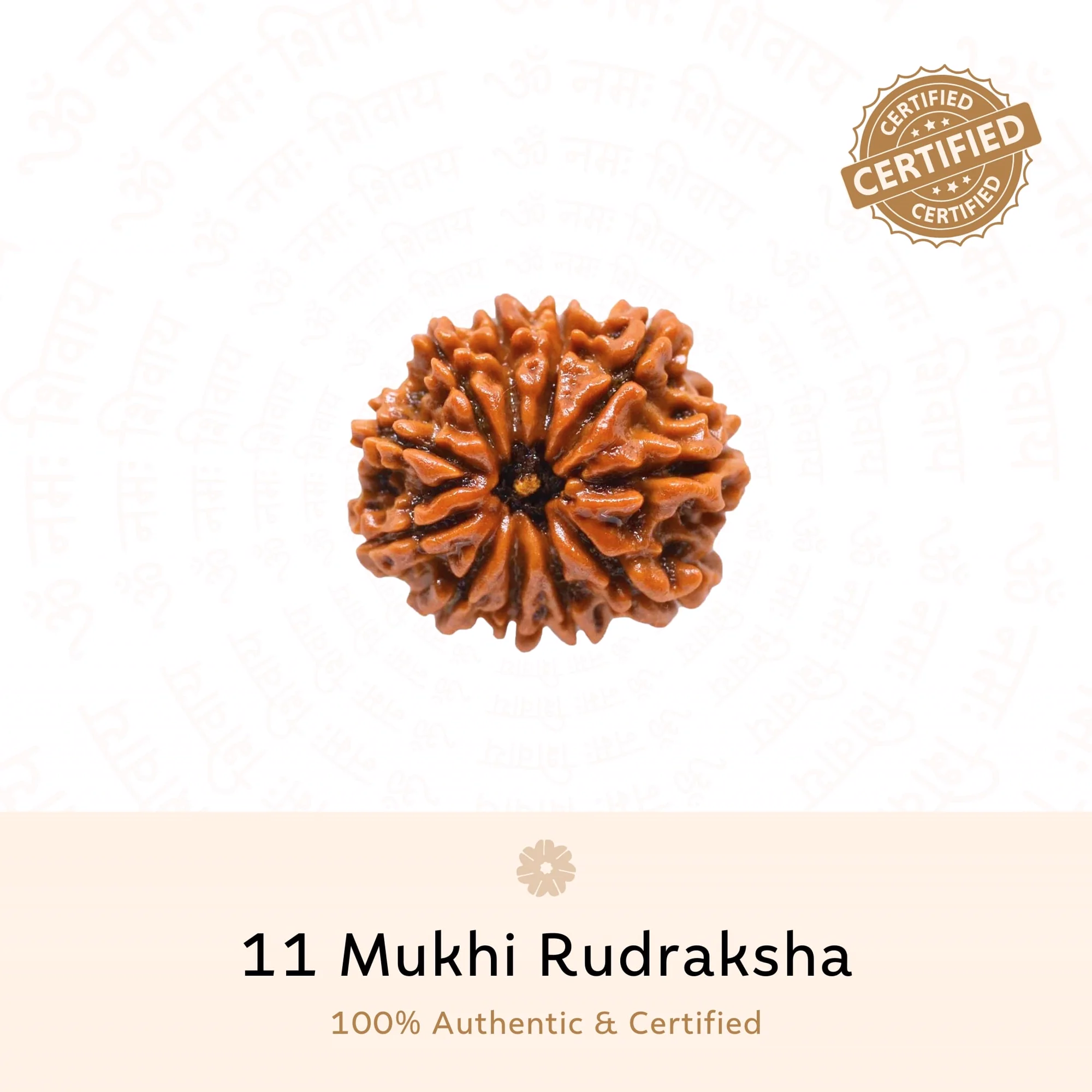
- 11 Mukhi Rudraksha: associated with Hanuman and the eleven Rudras; chosen for courage, devotion and discipline in practice.
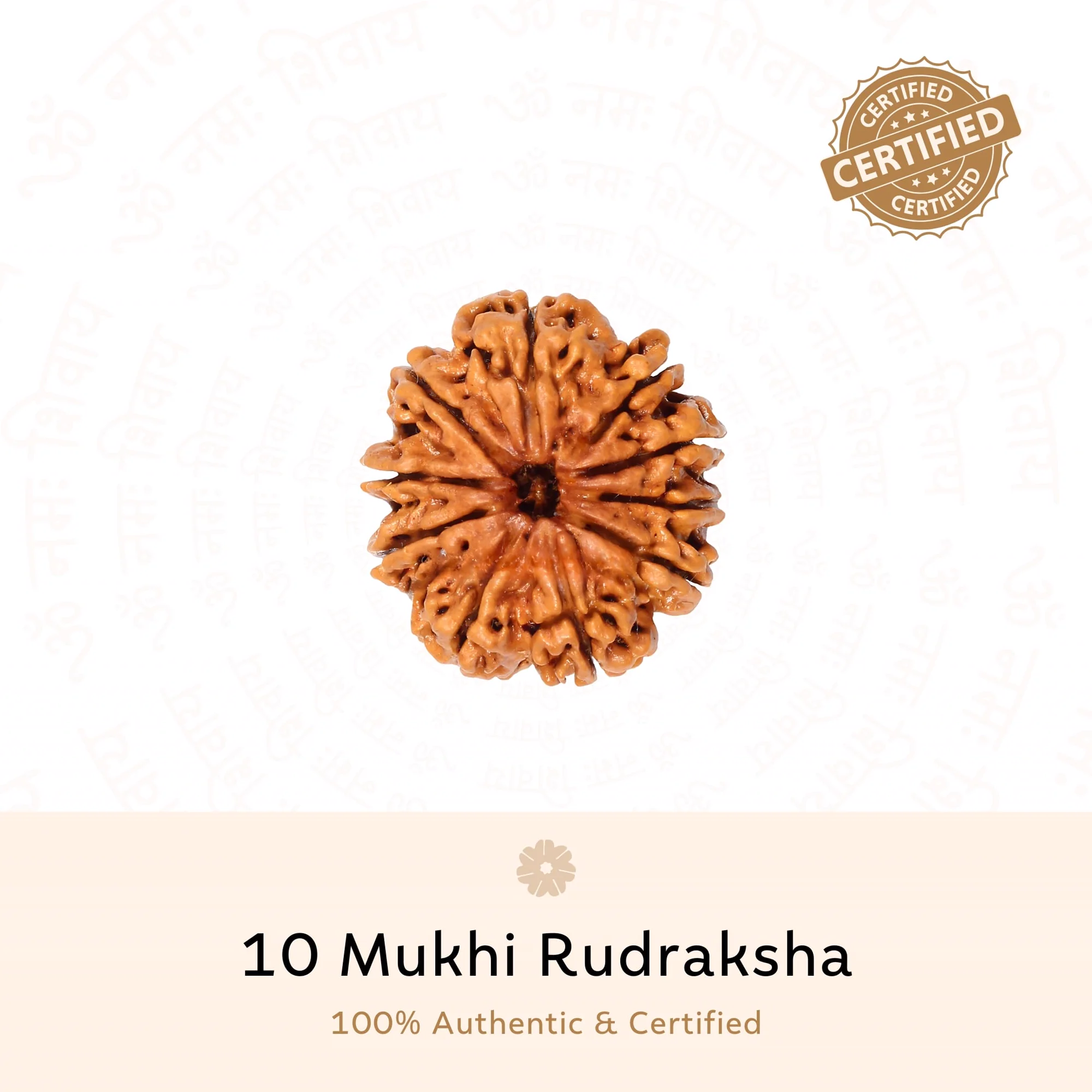
- 10 Mukhi Rudraksha: associated with Lord Vishnu and his avatars, including Rama; traditionally worn for protection.
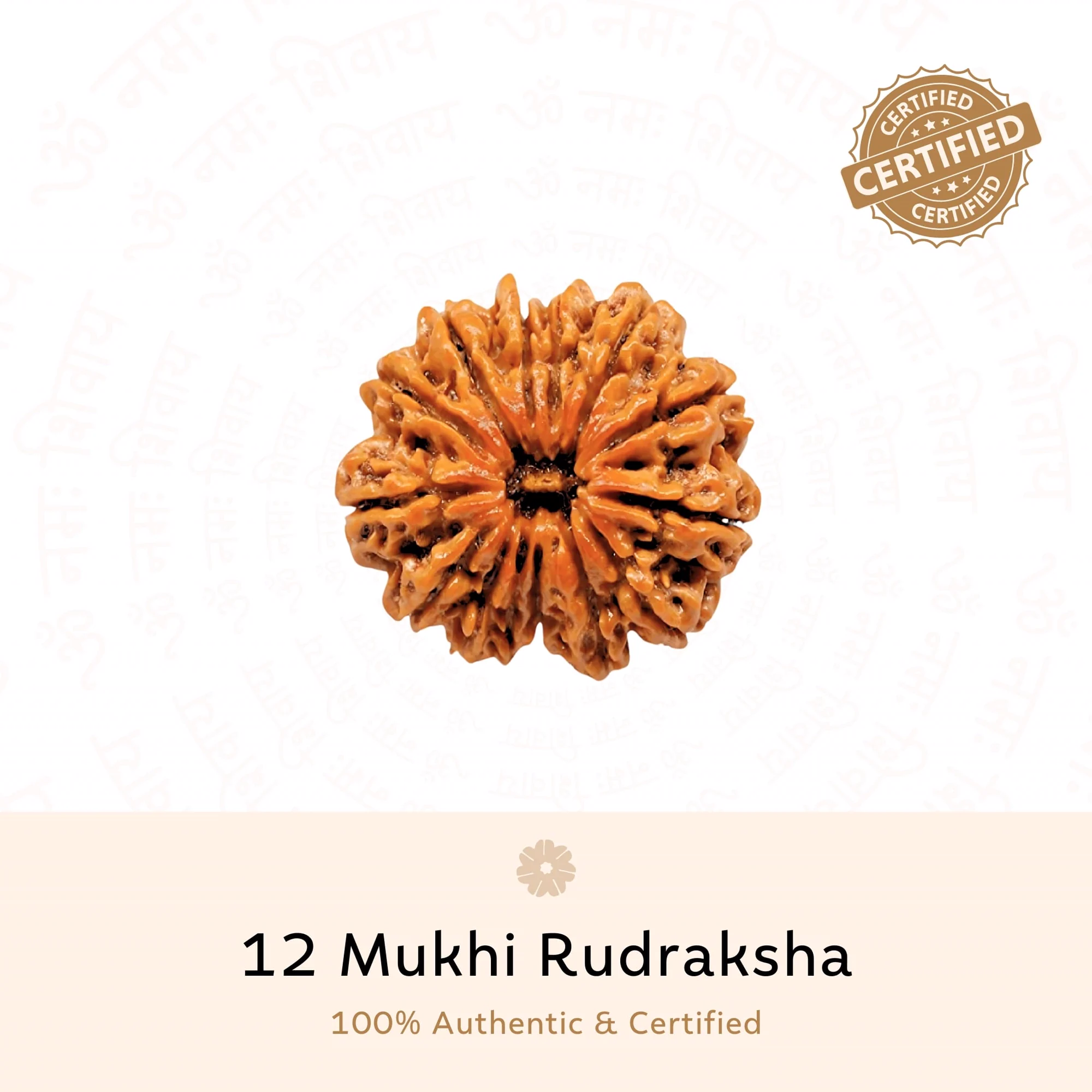
- 12 Mukhi Rudraksha: associated with Surya — Rama belongs to the Suryavansh, the solar dynasty — and with confidence and leadership.
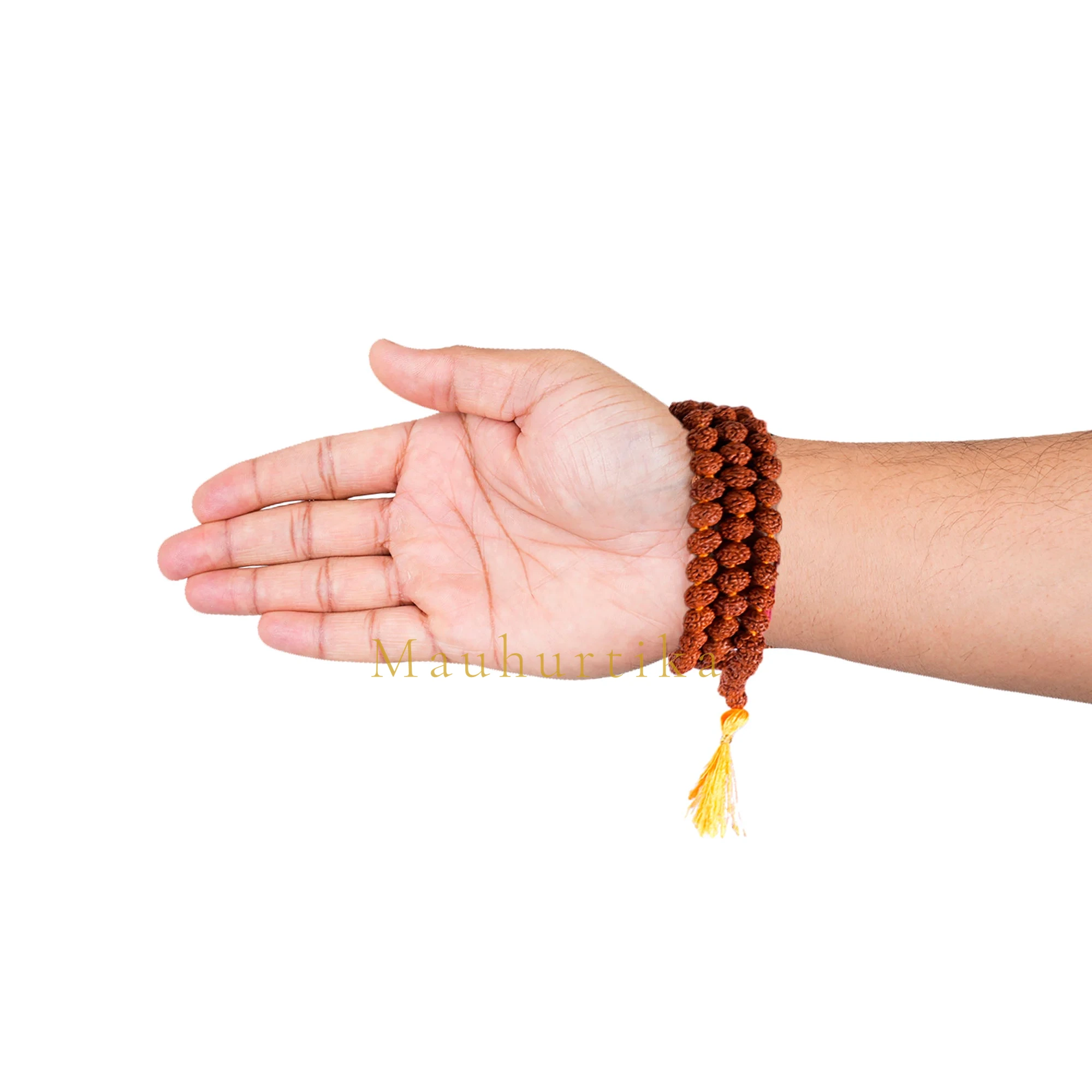
- 5 Mukhi japa mala: the classic 108-bead mala for Ram Naam japa.
Starting a Ram Naam japa practice
Ram Navami is a natural day to begin a daily japa practice that continues through the year. Sit facing east, hold the mala in the right hand over the middle finger, move bead by bead with the thumb and do not cross the larger guru bead — turn the mala back instead. Even one round a day, kept consistently, is the traditional recommendation. Our Rudraksha japa mala guide explains the method in detail, and you can ask for a consultation to choose the right bead.
Frequently Asked Questions
Frequently Asked Questions
Q.When is Ram Navami in 2027?
Ram Navami 2027 is on Thursday, 15 April 2027 (Chaitra Shukla Navami).
Q.What is the Ram Navami 2027 puja muhurat?
In New Delhi the madhyahna window begins around 11:04 AM, with the midday moment at about 12:21 PM. Navami ends around 1:21 PM, so complete the main puja before then.
Q.Why is Ram Navami puja done at midday?
Tradition holds that Lord Rama was born at midday, so the birth celebration is performed in the madhyahna period.
Q.Is Ram Navami the last day of Chaitra Navratri?
Yes. Ram Navami falls on the ninth day of Chaitra Navratri and closes the nine-day festival.
Q.Which Rudraksha is associated with Hanuman?
The 11 Mukhi Rudraksha is traditionally associated with Hanuman and the eleven Rudras.
Q.Can I start wearing Rudraksha on Ram Navami?
Yes. Many devotees choose festival days for wearing a new bead after puja and 108 repetitions of their chosen mantra.