Sawan 2027 Calendar: Shravan Start Date, Somvar Vrat Dates & Rudraksha Guide
Sawan 2027 begins on 19 July in North India and on 3 August in the amanta calendar. See every Shravan Somvar date, puja steps, fasting tips and how to choose a Rudraksha for the holy month of Shiva.
Quick answer: In North India (purnimanta calendar) Sawan 2027 runs from Monday, 19 July to Tuesday, 17 August 2027, with five Shravan Somvar vrats on 19 July, 26 July, 2 August, 9 August and 16 August. In Maharashtra, Gujarat, Karnataka, Andhra Pradesh and Telangana (amanta calendar) Shravana runs from 3 August to 31 August 2027, with Somvars on 9, 16, 23 and 30 August.
Sawan — also written Shravan or Shraavana — is the month most closely associated with Lord Shiva. Temples stay busy from dawn, kanwariyas carry Ganga jal on foot, and families keep Monday fasts for the whole month. If you are planning your vrats, travel or a Rudraksha purchase around the month, this guide gives you every 2027 date in one place, followed by a simple puja method and practical advice on choosing a bead.
Dates and timings below are for New Delhi from published panchang calculations. Local sunrise changes muhurat times by city, so confirm with your family priest or a local panchang before puja.
Sawan 2027 Dates at a Glance
| Calendar | Sawan begins | Sawan ends | Somvar vrats |
|---|---|---|---|
| Purnimanta (UP, MP, Bihar, Rajasthan, Delhi, Punjab, Himachal, Uttarakhand, Jharkhand, Chhattisgarh) | Mon, 19 July 2027 | Tue, 17 August 2027 (Shravan Purnima / Raksha Bandhan) | 19 Jul, 26 Jul, 2 Aug, 9 Aug, 16 Aug |
| Amanta (Maharashtra, Gujarat, Goa, Karnataka, Andhra Pradesh, Telangana) | Tue, 3 August 2027 | Tue, 31 August 2027 | 9 Aug, 16 Aug, 23 Aug, 30 Aug |
Why two calendars? In the purnimanta system a month ends on the full moon, so Sawan begins the day after Guru Purnima. In the amanta system a month ends on the new moon, so Shravana starts about two weeks later. Both are traditional — follow the one your family and local temple use.
Shravan Somvar 2027 List (North India)
- First Somvar — 19 July 2027: the opening day of Sawan; many devotees take a sankalp for the full month.
- Second Somvar — 26 July 2027
- Third Somvar — 2 August 2027
- Fourth Somvar — 9 August 2027
- Fifth Somvar — 16 August 2027: the last Monday before Shravan Purnima.
Unmarried women often observe the Tuesday Mangala Gauri vrat during the same month, and the Sawan Shivratri (Krishna Chaturdashi) is considered especially important for night-long Shiva worship. Check your local panchang for those dates, since tithis can shift with location.
Why Sawan Is Sacred to Shiva
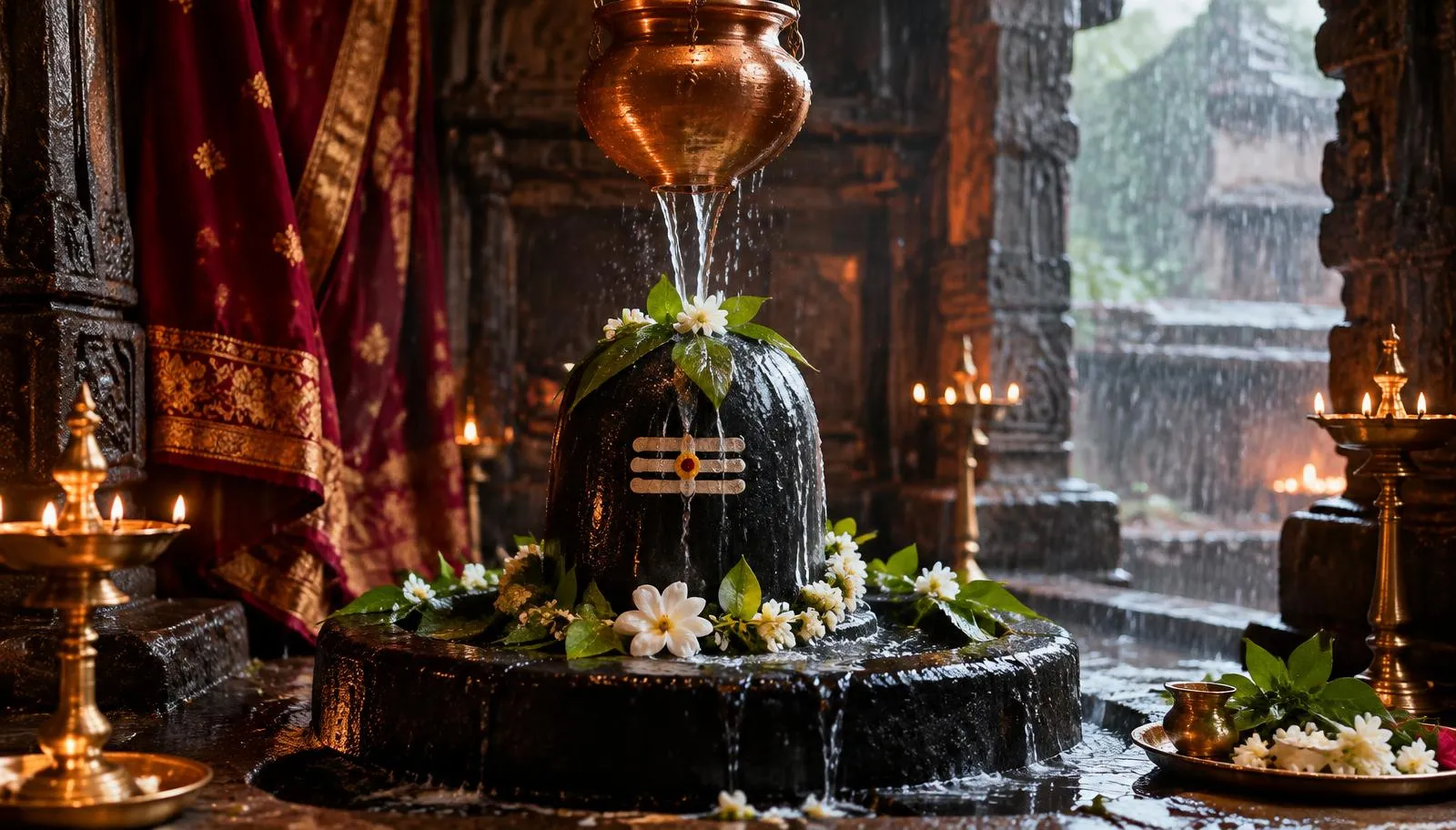
The most widely told story links Sawan to the Samudra Manthan, the churning of the ocean. When the poison halahala emerged, Shiva drank it to protect creation and held it in his throat, which turned blue — hence the name Neelkanth. Devotees offer water and milk to cool and honour him, which is why abhishek is the defining ritual of the month.
A second tradition remembers Goddess Parvati's long tapasya to win Shiva as her husband. That is why Sawan fasts are associated with devotion in marriage and the hope of a suitable partner. A third, very practical reason is the season itself: the monsoon is a time of slower digestion and travel, so a month of simpler food, prayer and discipline fits naturally into the year.
Simple Sawan Somvar Puja Vidhi at Home
1. Wake early, bathe and wear clean, preferably light-coloured clothes.
2. Take a sankalp — a short mental resolve stating your name, the vrat and your intention.
3. Offer water (or Ganga jal) to the Shivling, then milk, curd, honey, ghee and sugar if you are doing panchamrit abhishek, finishing again with clean water.
4. Offer bel patra (three-leaf, unbroken, smooth side towards the Shivling), white flowers, dhatura, sandalwood and akshat.
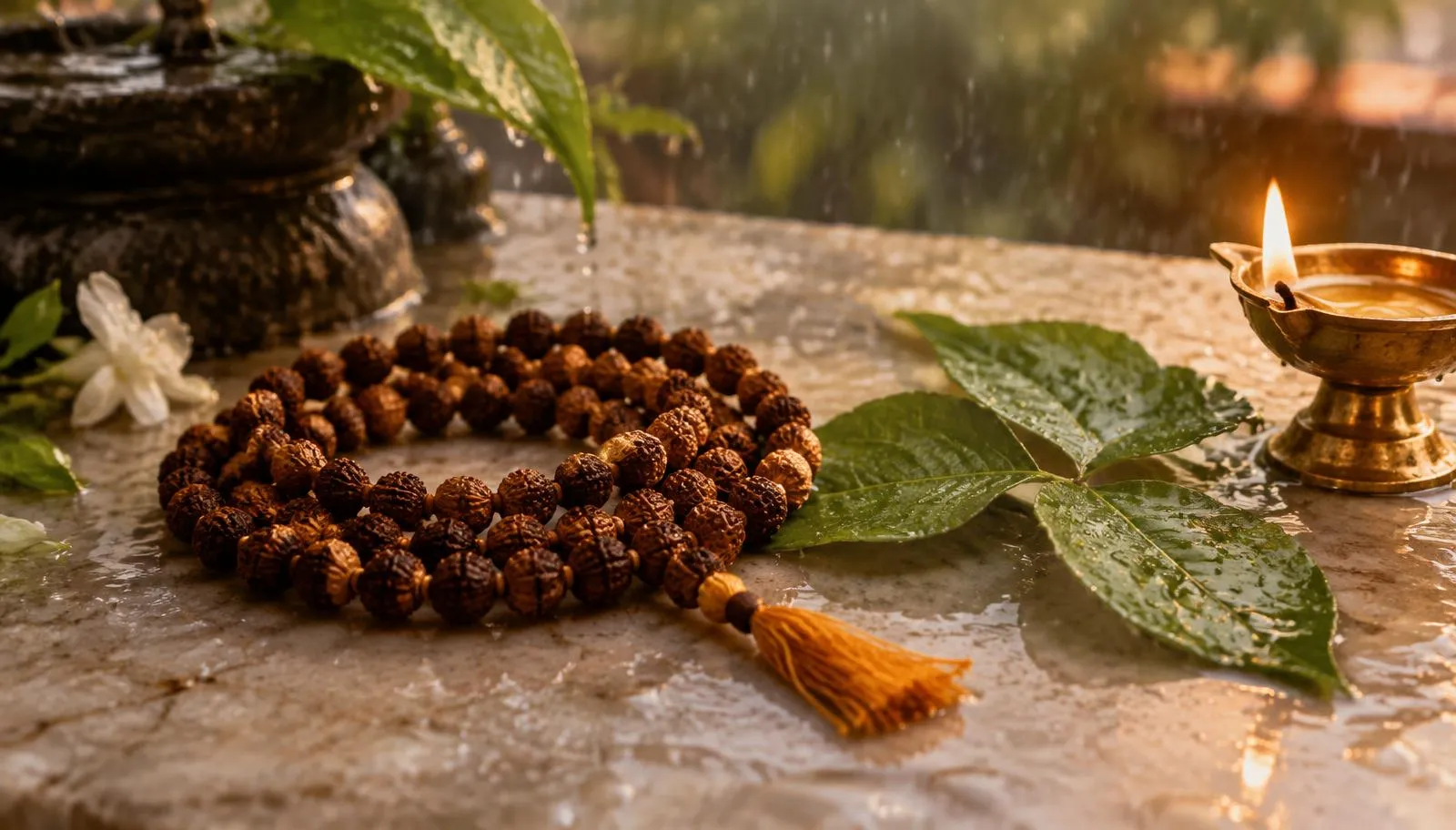
5. Light a ghee diya and incense, then chant Om Namah Shivaya or the Maha Mrityunjaya mantra on a Rudraksha mala — 108 repetitions is one round.
6. Read or listen to the Shiv Chalisa or the Sawan Somvar vrat katha, then perform aarti.
7. Break the fast in the evening after puja, or the next morning, according to your family custom.
Things traditionally avoided on the Shivling include tulsi leaves, kumkum/sindoor, ketaki flowers and broken rice. Customs vary, so when in doubt follow your temple priest.
Fasting Options
There is no single correct way to fast. Common forms are a nirjala fast (no water, only for those in good health), a phalahar fast (fruit, milk, sabudana, makhana, kuttu or rajgira) and ek-bhukt (one simple sattvic meal). Onion, garlic, non-vegetarian food and alcohol are generally avoided for the entire month. People who are pregnant, diabetic, elderly or on medication should consult a doctor before fasting; devotion does not require putting your health at risk. Our Shravan diet guide explains the food rules in detail.

Kanwar Yatra 2027
The Kanwar Yatra traditionally runs through the first half of Sawan and culminates around Sawan Shivratri, when kanwariyas offer the water they have carried — often from Haridwar, Gaumukh or Sultanganj — at temples such as Pura Mahadev, Kashi Vishwanath and Baidyanath Dham. If you plan to travel, expect heavy traffic and route diversions on highways in UP, Uttarakhand, Haryana and Bihar during the second half of July 2027.
Wearing Rudraksha in Sawan
Rudraksha is traditionally described as born from Shiva's tears, so many devotees choose Sawan to begin wearing one. In practice, the month is a convenient time to start because you are already keeping a regular puja, and a new bead can be energised and worn for the first time on a Somvar.
Which Rudraksha to choose
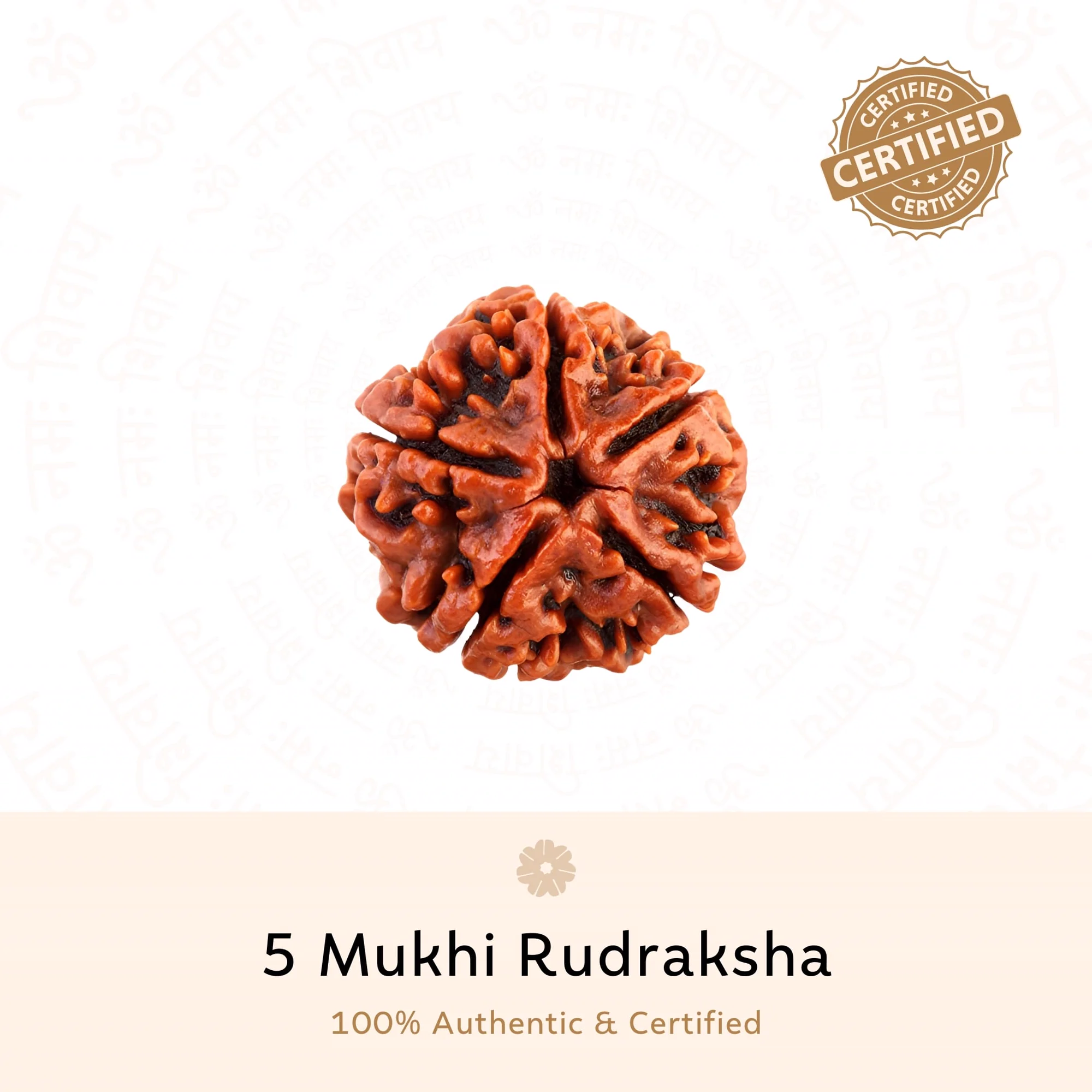
- 5 Mukhi: the most common and versatile bead, associated with Kalagni Rudra and suitable for daily wear and japa by almost anyone. A good first Rudraksha.
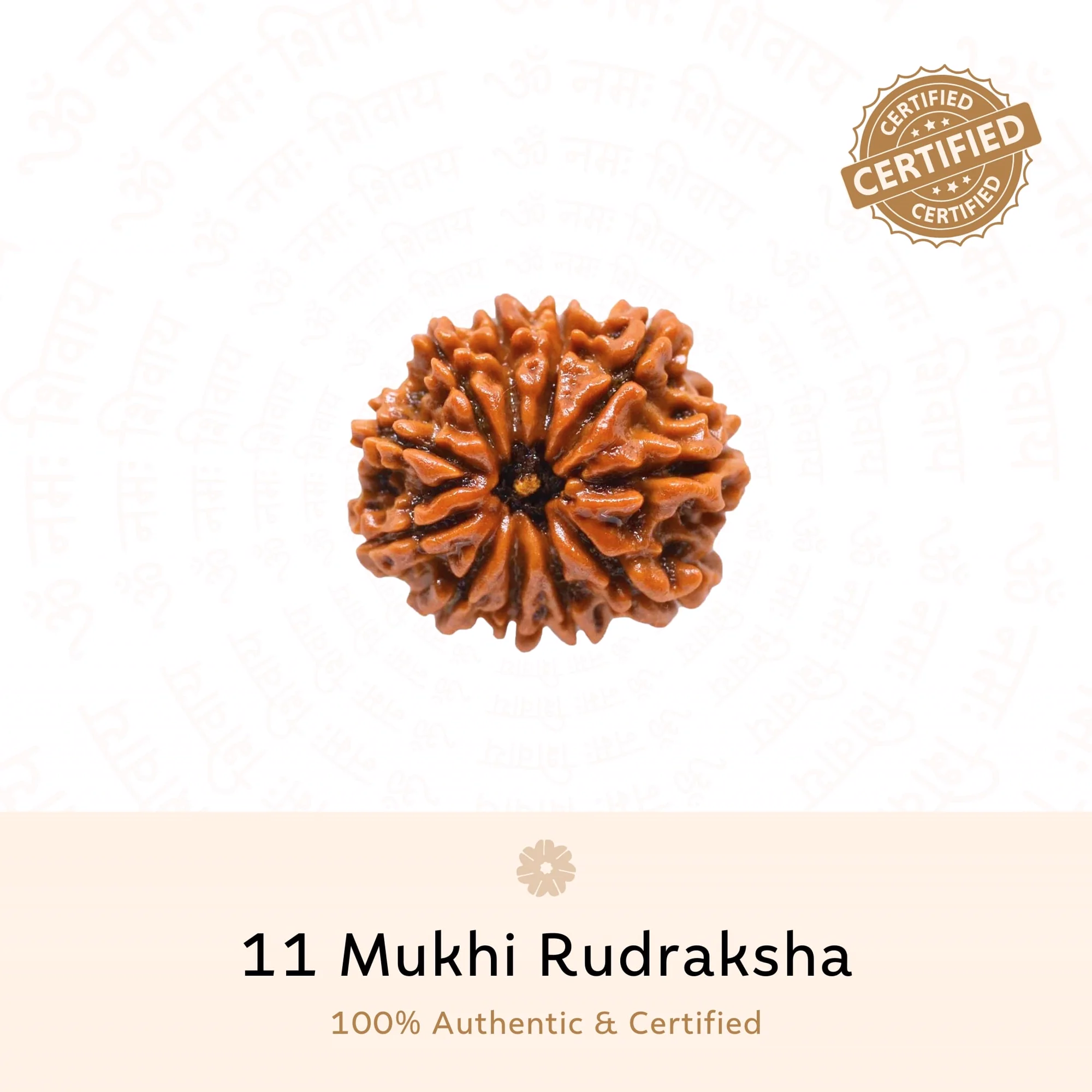
- 11 Mukhi: associated with the eleven Rudras and Hanuman; chosen by devotees seeking courage and discipline in practice.
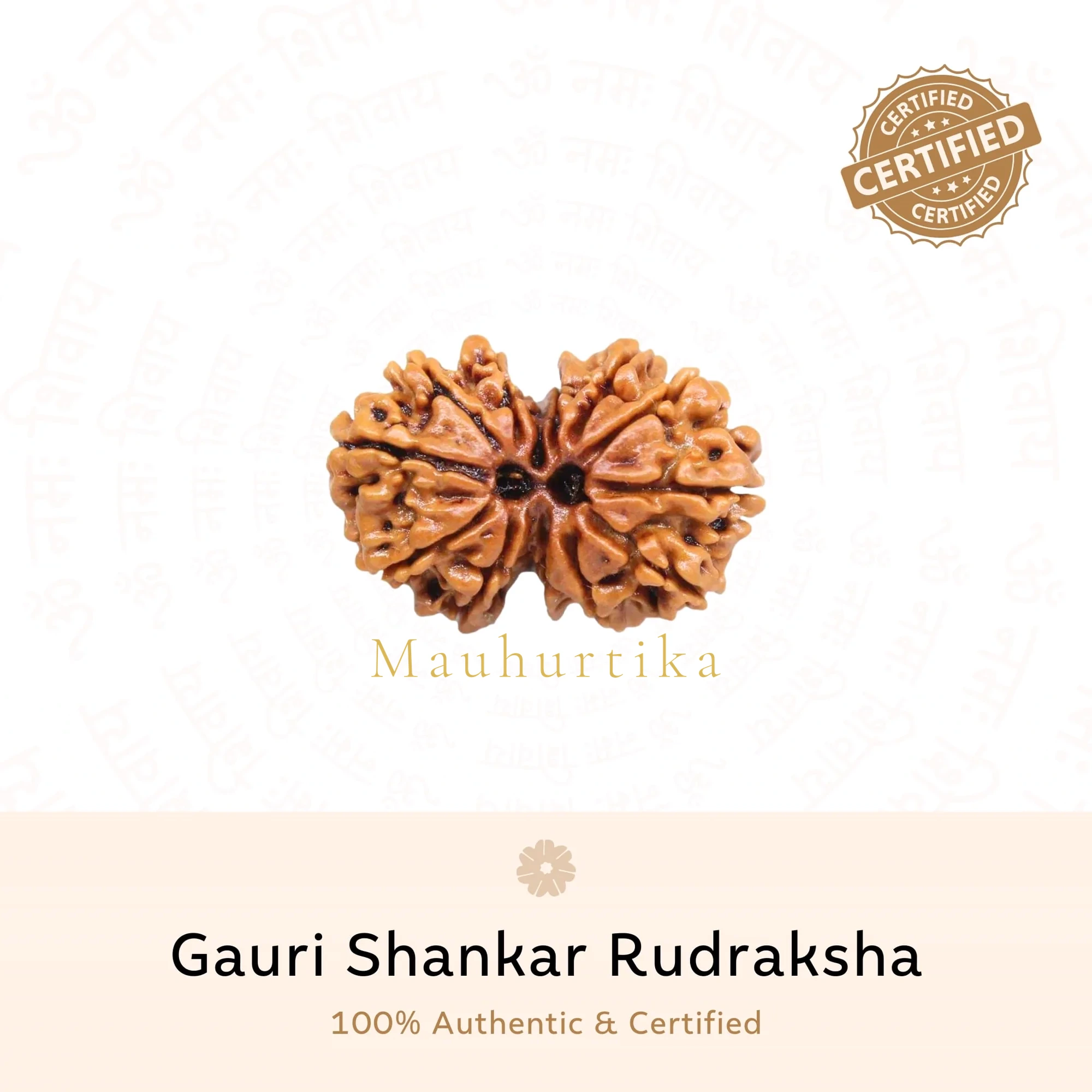
- Gauri Shankar: two naturally joined beads, associated with Shiva and Parvati; traditionally linked with harmony in relationships — a popular choice for couples during Sawan.
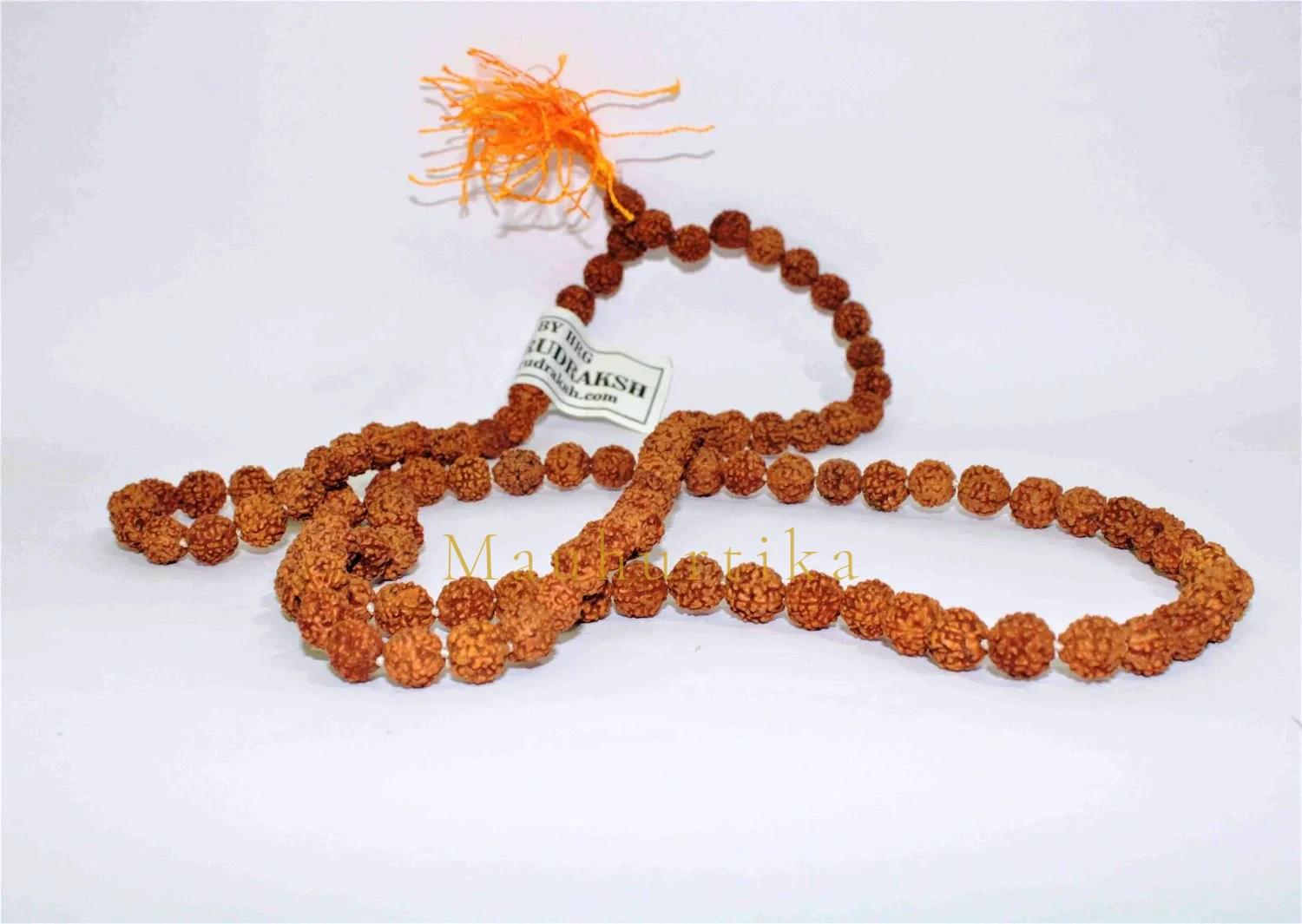
- 5 Mukhi japa mala (108 + 1): if your main practice this month is mantra japa, a mala gives you a steady count.
How to start wearing it
Wash the bead in clean water, offer it at your Shivling with a little Ganga jal and bel patra, chant Om Namah Shivaya 108 times, and wear it after your Monday puja. Take it off before sleeping if it is uncomfortable, and keep it away from soap, perfume and chlorinated water. Rudraksha is a spiritual and traditional aid; it is not a medical treatment and no particular result is guaranteed.
Buy early
Demand rises sharply in July, so order a few weeks before 19 July 2027 if you want the bead in hand for the first Somvar. Every Mauhurtika bead comes with clear Mukhi, origin and size information, and you can use our consultation if you are unsure which bead suits you.
Frequently Asked Questions
Frequently Asked Questions
Q.When does Sawan 2027 start?
In North India Sawan 2027 starts on Monday, 19 July 2027 and ends on Tuesday, 17 August 2027. In the amanta calendar used in Maharashtra, Gujarat and much of South India, Shravana runs from 3 August to 31 August 2027.
Q.How many Sawan Somvar are there in 2027?
North India has five Shravan Somvars in 2027: 19 July, 26 July, 2 August, 9 August and 16 August. The amanta calendar has four: 9, 16, 23 and 30 August.
Q.Can women keep the Sawan Somvar vrat?
Yes. Women and men of all ages keep the vrat. Many unmarried women also observe the Mangala Gauri vrat on Sawan Tuesdays.
Q.Is Sawan a good time to start wearing Rudraksha?
Many devotees prefer it because Rudraksha is closely associated with Shiva, and a Sawan Monday after puja is a traditional day to wear a bead for the first time.
Q.Which Rudraksha is best for beginners in Sawan?
A 5 Mukhi Rudraksha is the most common starting point because it is suitable for general daily wear and japa.
Q.Does Raksha Bandhan fall in Sawan 2027?
Yes. Shravan Purnima, the last day of Sawan in North India, falls on 17 August 2027 and is celebrated as Raksha Bandhan.