Sri Yantra Meaning: Sacred Geometry, Nine Avaranas, Placement and Worship Guide
The Sri Yantra is the geometric form of Goddess Lalita Tripurasundari. Understand its structure layer by layer and learn how to place and worship it at home.
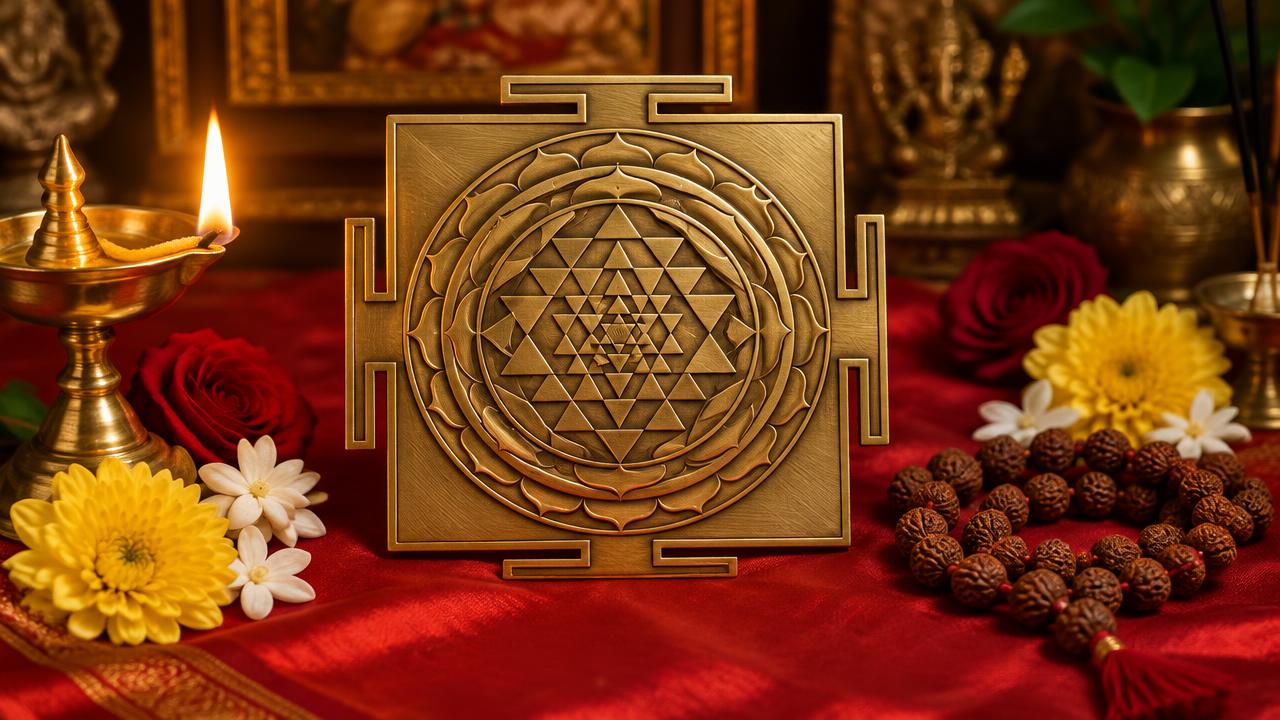
Quick answer: The Sri Yantra (Sri Chakra) is a sacred diagram formed by nine interlocking triangles — four pointing up (Shiva) and five pointing down (Shakti) — surrounding a central point called the bindu. Together they create 43 smaller triangles, enclosed by an eight-petal lotus, a sixteen-petal lotus, three circles and a square gateway called the bhupura. It is the yantra form of Goddess Lalita Tripurasundari and the centre of Sri Vidya worship.
People often buy a Sri Yantra as a symbol of prosperity, yet its real meaning is much deeper. In the Sri Vidya tradition it is the body of the Goddess, a map of creation and a guide for the journey of consciousness from the outer world to the inner centre.
Structure of the Sri Yantra From Outside to Centre
- Bhupura: The outer square with four T-shaped gates, representing the earth plane and the four directions.
- Three circles: Often called the *trivritta*, representing past, present and future or the three qualities.
- Sixteen-petal lotus: Fulfilment of desires through the sixteen aspects of mind and senses.
- Eight-petal lotus: Mastery over speech, movement, grasping, excretion, pleasure, rejection, attention and equanimity in traditional explanations.
- Fourteen triangles, two sets of ten, eight and one: The descending rings of triangles created by the nine interlocking triangles.
- Bindu: The central point — pure consciousness, the union of Shiva and Shakti, where Lalita is worshipped.
The Nine Avaranas (Enclosures)
Sri Vidya treats the yantra as nine *avaranas* or chakras, each with a name, presiding goddesses and a meaning:
| Avarana | Name | Meaning |
|---|---|---|
| 1 | Trailokya Mohana (bhupura) | Enchanter of the three worlds |
| 2 | Sarvasha Paripuraka (16 petals) | Fulfiller of all hopes |
| 3 | Sarva Sankshobhana (8 petals) | Agitator of all |
| 4 | Sarva Saubhagyadayaka (14 triangles) | Giver of all good fortune |
| 5 | Sarvartha Sadhaka (outer 10) | Accomplisher of all aims |
| 6 | Sarva Rakshakara (inner 10) | Protector of all |
| 7 | Sarva Rogahara (8 triangles) | Remover of all afflictions |
| 8 | Sarva Siddhiprada (central triangle) | Giver of all accomplishments |
| 9 | Sarvanandamaya (bindu) | Full of all bliss |
Worship moves from the outer square towards the bindu — a symbol of moving from worldly concerns to inner stillness.
Flat (Bhu-Prastara) vs Meru Sri Yantra
A Sri Yantra can be flat — engraved on copper, brass, silver or gold — or three-dimensional as a Meru (pyramid) form. Meru yantras are also carved in crystal (sphatik). Flat yantras are easy to place on an altar; Meru forms are usually kept in temples or by experienced worshippers. Correct geometry matters: the triangles should meet precisely, with no gaps or overlaps at the junctions.
Where to Place a Sri Yantra at Home
- Direction: Most traditions recommend the north-east (Ishanya) or east, with the yantra facing west or east so you face it during worship.
- Height: At or slightly above heart level on a clean altar, never on the floor.
- Surface: On a red or yellow cloth, on a wooden or metal plate.
- Office and shop: Many business owners keep it in the cash area or near the entrance, facing inwards.
- Avoid: Bathrooms, bedrooms where it is constantly exposed, and cluttered corners.
How to Energise and Worship a Sri Yantra
- Choose an auspicious day such as Friday, Diwali, Akshaya Tritiya or Navaratri.
- Wash it with clean water or panchamrit, wipe dry and place it on the altar.
- Apply kumkum and sandalwood to the bindu; offer red flowers and light a ghee lamp.
- Chant the Lalita Sahasranama, Sri Suktam or a Lakshmi mantra such as “Om Shreem Mahalakshmyai Namah” 108 times.
- Daily, simply light a lamp and gaze softly at the bindu for a few minutes (trataka).
Formal Sri Vidya worship such as Navavarana Puja requires initiation; the simple devotional steps above are widely practised by householders.
Rudraksha and Sri Yantra Worship
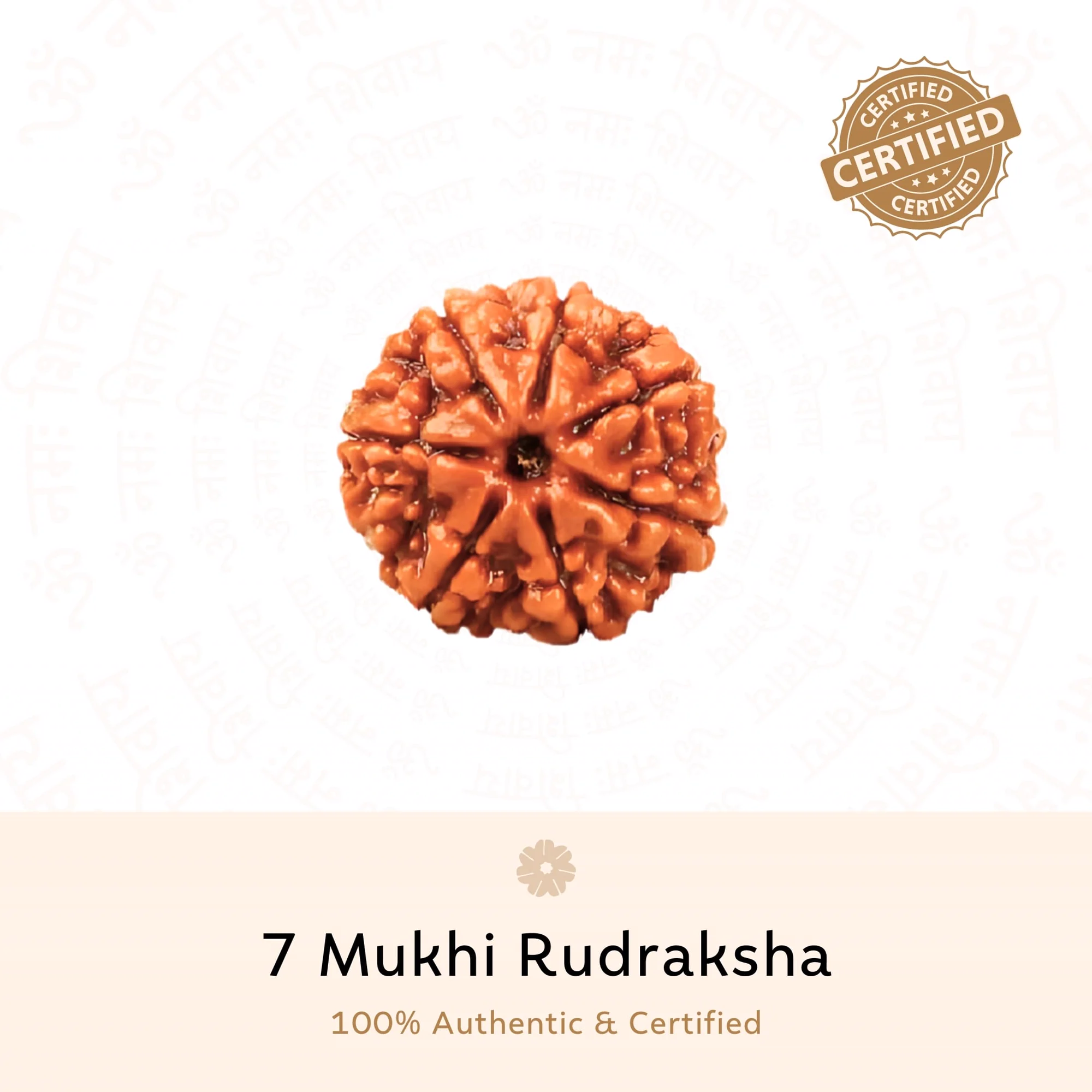
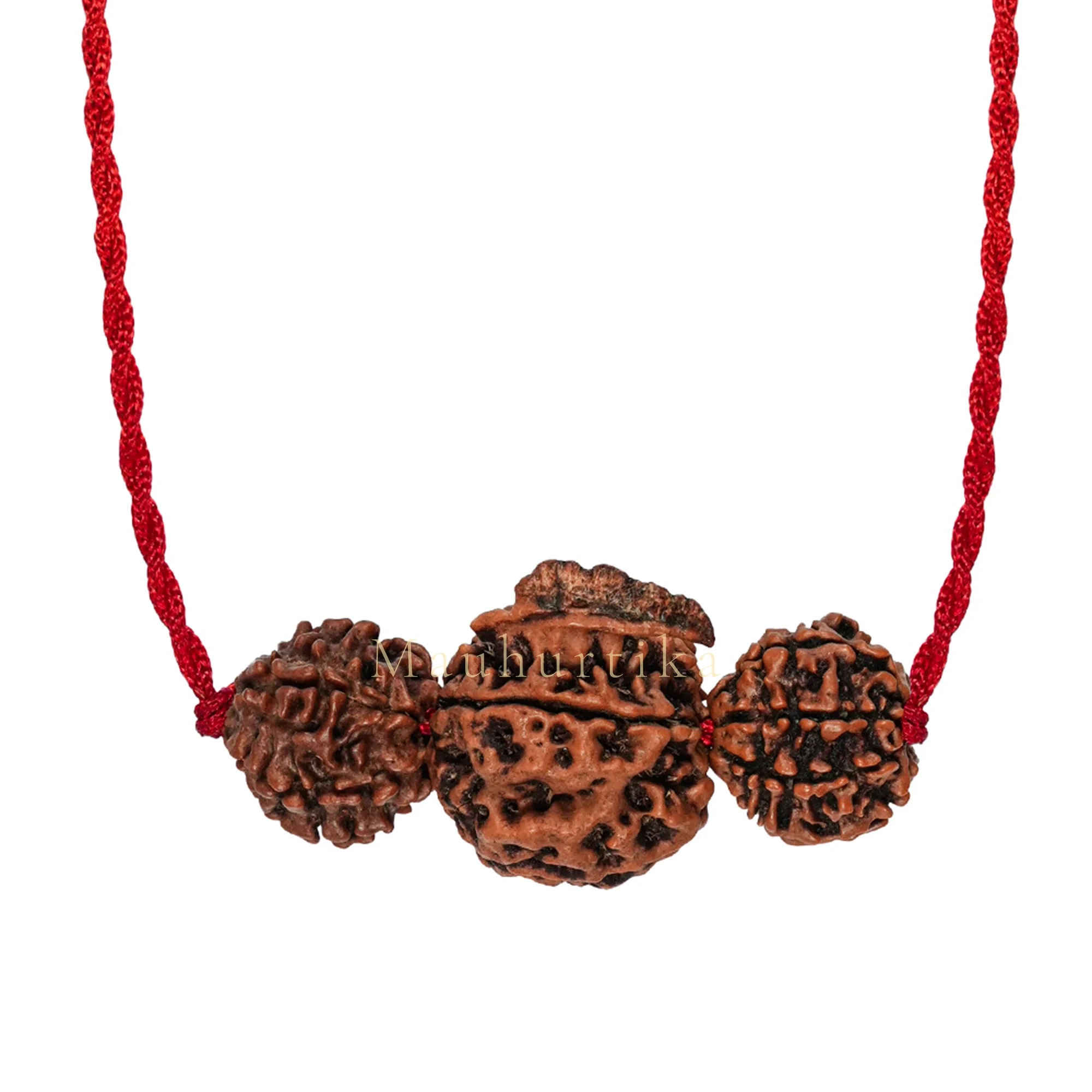
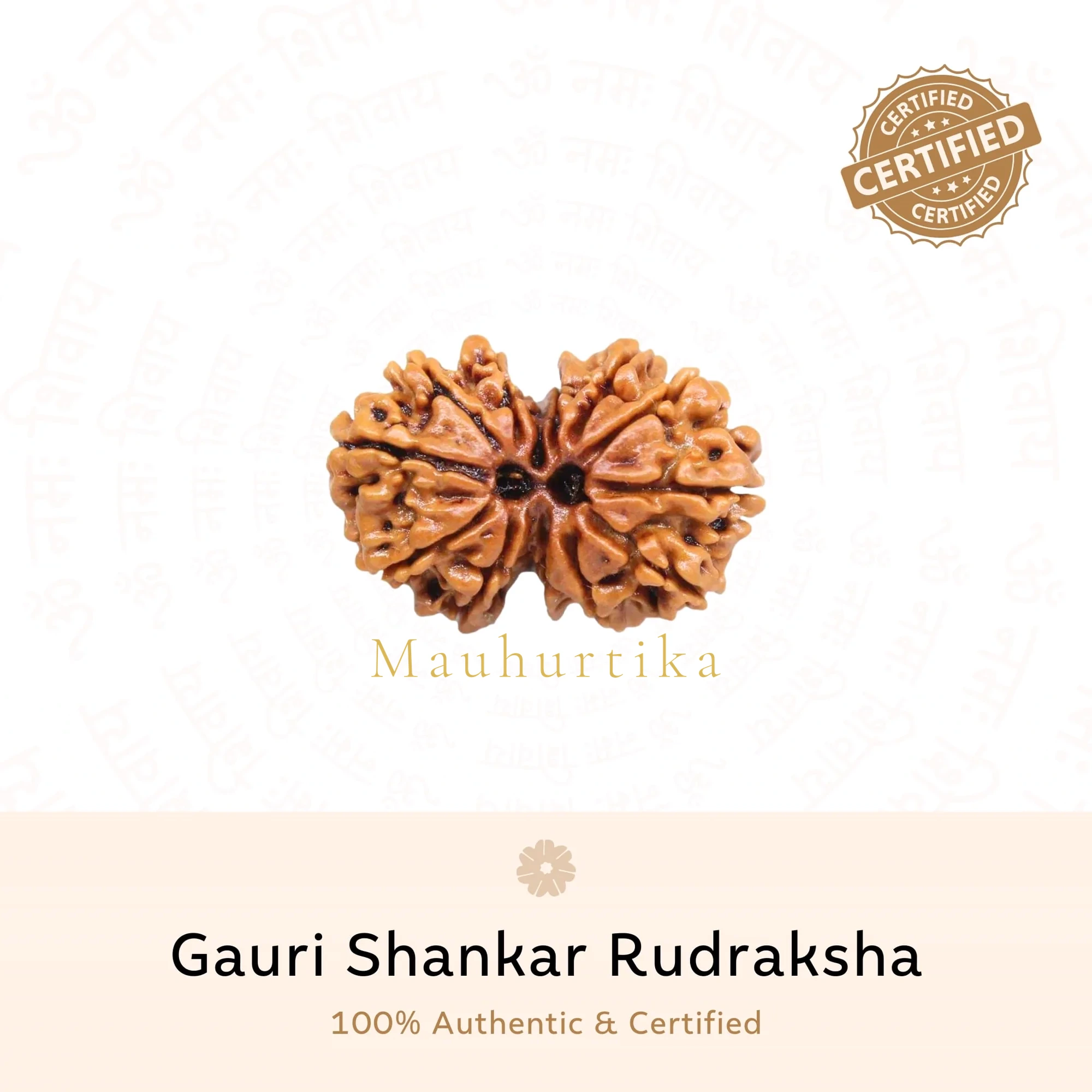
Many devotees pair Sri Yantra worship with mantra japa on a mala. The 7 Mukhi Rudraksha is traditionally associated with Mahalakshmi, and a Lakshmi-Ganesh combination is popular for prosperity and obstacle-removal intentions. A kamal gatta mala is traditional for Lakshmi mantras. These are spiritual associations, not guaranteed outcomes.

Explore the Lalita Sahasranama, Kanakadhara Stotram and our Spiritual Store.
Frequently Asked Questions
Q.What does the Sri Yantra represent?
It represents Goddess Lalita Tripurasundari, the union of Shiva and Shakti, and the unfolding of creation from the central bindu.
Q.How many triangles are in a Sri Yantra?
Nine large interlocking triangles form 43 smaller triangles around the bindu.
Q.Which direction should Sri Yantra face?
It is usually placed in the north-east or east of the home on a clean altar at heart level.
Q.Which is better, flat or Meru Sri Yantra?
Both are respected. Flat yantras suit home altars; Meru forms are traditionally kept with more elaborate worship.
Q.Can I keep a Sri Yantra without puja?
It is best kept with at least a lamp and simple respect. Devotees believe regular attention, not mere display, gives it meaning.