
Top 10 Lord Shiva Temples in India Every Devotee Must Visit Once
A devotee's guide to the ten most powerful Lord Shiva temples in India — Kedarnath, Kashi Vishwanath, Somnath, Mahakaleshwar, Amarnath and more — with darshan timings, best season to visit and the Rudraksha traditionally worn at each shrine.
Quick Answer
The ten Shiva temples every devotee should visit at least once are Kedarnath, Kashi Vishwanath, Somnath, Mahakaleshwar, Amarnath, Bhimashankar, Rameshwaram, Lingaraj, Neelkanth Mahadev and Trimbakeshwar. Most are Jyotirlingas — self-manifested pillars of light — and tradition holds that darshan at any of them, with a Rudraksha on the body, multiplies the merit of the journey.
India is not a country with Shiva temples in it; it is a landscape shaped by them. From a frozen ice-lingam in a Himalayan cave to a sea-facing shrine in Gujarat that has been rebuilt seventeen times, the geography of Shiva worship stretches from Kashmir to Rameshwaram. This guide walks through ten shrines that carry the deepest devotional weight — what makes each sacred, when to go, and which Rudraksha devotees traditionally wear there.
1. Kedarnath Temple, Uttarakhand
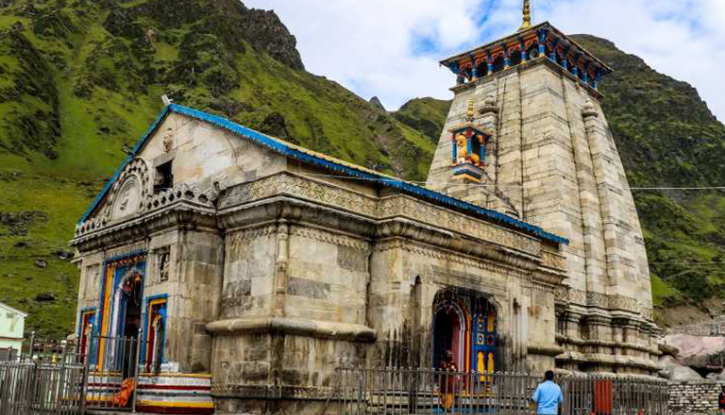
Standing at 3,583 metres against the Kedarnath range, this stone temple is the highest of the twelve Jyotirlingas and among the hardest to reach. Believed to have been established by the Pandavas and revived by Adi Shankaracharya, the shrine houses a conical rock formation worshipped as Sadashiva. The 16 km trek from Gaurikund is itself considered part of the offering.
- Best time: May to June and September to October; closed roughly November to April
- Darshan: 4:00 AM Mahabhishek to 9:00 PM Shayan Aarti
- Traditional bead: 1 Mukhi or 5 Mukhi Rudraksha for meditation and mental steadiness at altitude
2. Kashi Vishwanath Temple, Varanasi
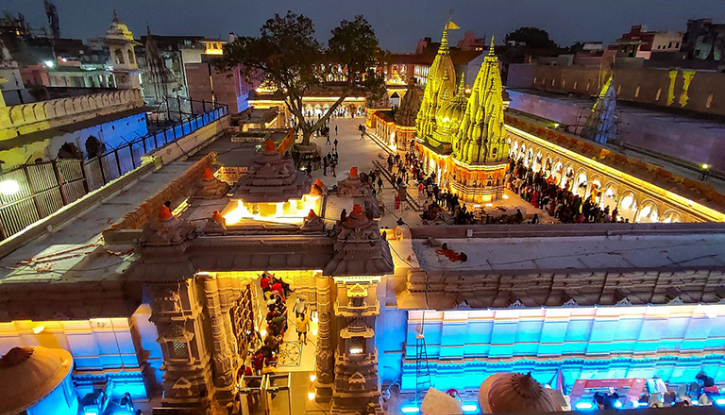
Kashi is described in the Puranas as resting on Shiva's trident, untouched by dissolution. The golden-spired Vishwanath temple, restored by Ahilyabai Holkar in 1780 and gilded by Maharaja Ranjit Singh, is the most visited Shiva shrine in the country. A dip in the Ganga at Dashashwamedh Ghat followed by Vishwanath darshan is the classic Kashi sequence.
- Best time: October to March; Mahashivratri and Dev Deepawali are extraordinary
- Darshan: 2:30 AM Mangala Aarti to 11:00 PM
- Traditional bead: 5 Mukhi Rudraksha, ruled by Jupiter, the classic Kashi japa bead
3. Somnath Temple, Gujarat
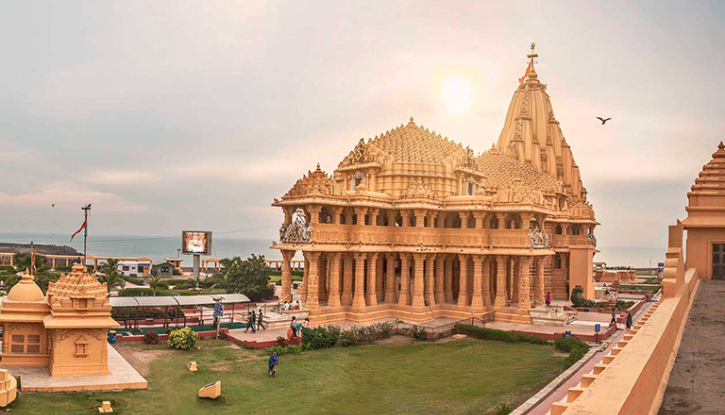
Counted as the first of the Jyotirlingas, Somnath has been destroyed and rebuilt seventeen times, most recently in 1951 under Sardar Patel. The Chalukya-style spire faces the Arabian Sea with no landmass between it and Antarctica — a fact inscribed on the Baan Stambh in the temple grounds. The evening light-and-sound show narrates that history against the shrine walls.
- Best time: October to February
- Darshan: 6:00 AM to 9:30 PM; aartis at 7 AM, 12 noon and 7 PM
- Traditional bead: 8 Mukhi Rudraksha, worn to remove obstacles before new beginnings
4. Mahakaleshwar Jyotirlinga, Ujjain
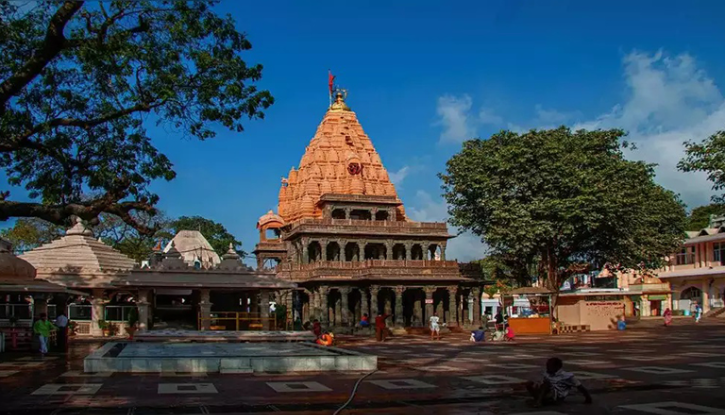
Mahakaleshwar is the only Jyotirlinga that is *Dakshinamukhi* — south-facing — and the only one where the deity is bathed at dawn in sacred ash during the Bhasma Aarti, performed daily around 4:00 AM. Shiva here is Mahakal, lord of time and death, and Ujjain is one of the four Kumbh Mela cities. For our Indore readers, this is a two-hour drive.
- Best time: October to March; Mahashivratri and Nag Panchami draw the largest crowds
- Darshan: 3:00 AM to 11:00 PM; pre-book Bhasma Aarti passes
- Traditional bead: 11 Mukhi or Gauri Shankar Rudraksha for protection and courage
Visiting Mahakaleshwar from Indore? Our experience centre at 38, Pumarth Meadows, Manglaya Sadak, Indore stocks lab-certified Nepali beads that can be energised with Pran-Pratishtha before your Ujjain darshan. Call +91-9009231652.
5. Amarnath Cave Shrine, Jammu & Kashmir
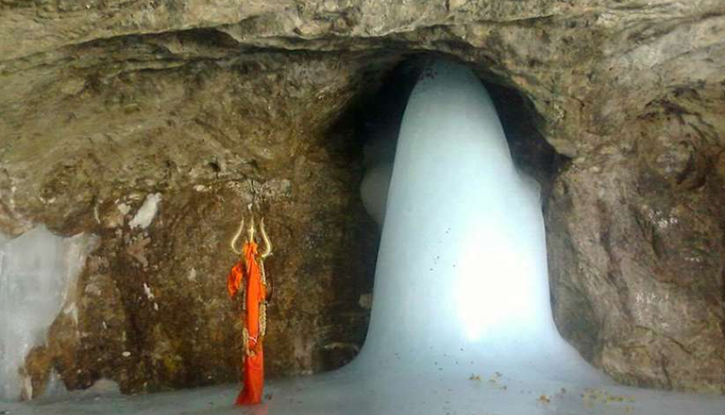
Inside a limestone cave at 3,888 metres, a stalagmite of ice forms and recedes with the lunar cycle each summer. This is the *Amareshwar* lingam, and the cave is where Shiva is said to have narrated the Amar Katha, the secret of immortality, to Parvati. The yatra runs for a short window and requires registration and a medical certificate.
- Best time: July to August only, during the official Shri Amarnathji Yatra
- Routes: Pahalgam (48 km, gentler) or Baltal (14 km, steep)
- Traditional bead: 5 Mukhi Rudraksha mala for japa through the high-altitude trek
6. Bhimashankar Temple, Maharashtra
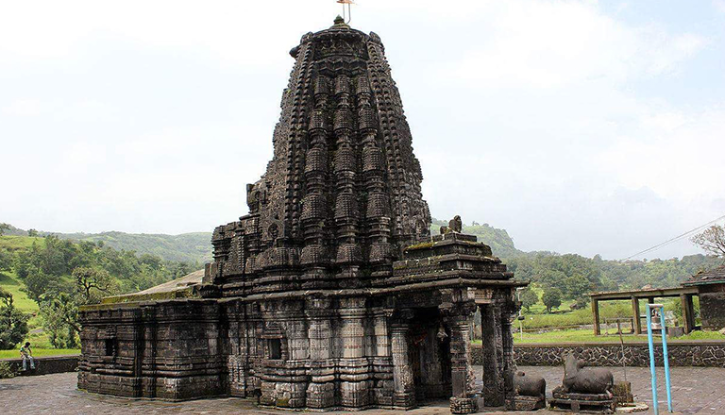
Set in the Sahyadri hills inside a wildlife sanctuary, Bhimashankar marks the spot where Shiva is said to have defeated the demon Tripurasura; the sweat of that battle became the Bhima river. The Nagara-style stone temple, expanded by Nana Phadnavis, is surrounded by forest trails and monsoon waterfalls.
- Best time: August to February; monsoon greenery is spectacular
- Darshan: 4:30 AM to 9:30 PM
- Traditional bead: 3 Mukhi Rudraksha to burn past karma and clear guilt
7. Ramanathaswamy Temple, Rameshwaram
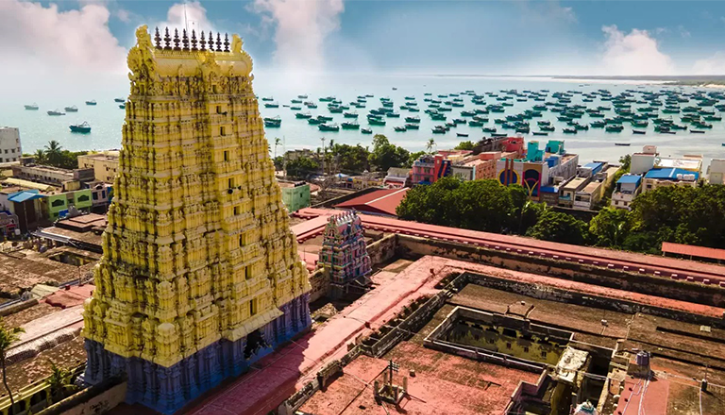
On Pamban island, this Dravidian temple holds the longest pillared corridor of any temple in India — nearly 1,200 metres of carved granite. Rama is believed to have installed the lingam here to absolve himself after the war in Lanka. Pilgrims bathe at 22 theerthams within the complex before darshan.
- Best time: October to April
- Darshan: 5:00 AM to 1:00 PM and 3:00 PM to 9:00 PM
- Traditional bead: 6 Mukhi Rudraksha, ruled by Venus, for harmony and expression
8. Lingaraj Temple, Bhubaneswar
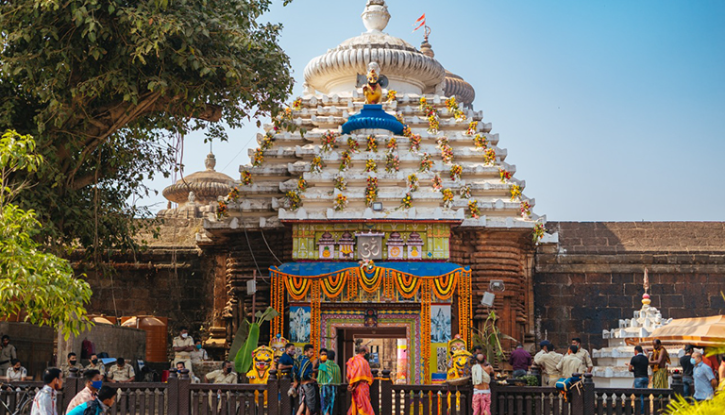
The 55-metre spire of Lingaraj dominates Bhubaneswar, the temple city of Odisha. Built in the 11th century in Kalinga style, it worships Harihara — Shiva and Vishnu as one — and the granite lingam is bathed daily in water, milk and bhang. Over a hundred smaller shrines fill the sandstone compound.
- Best time: October to March; Shivratri and Ashokashtami are the major festivals
- Darshan: 5:00 AM to 9:00 PM
- Traditional bead: 2 Mukhi Rudraksha for unity, relationships and emotional balance
9. Neelkanth Mahadev Temple, Rishikesh
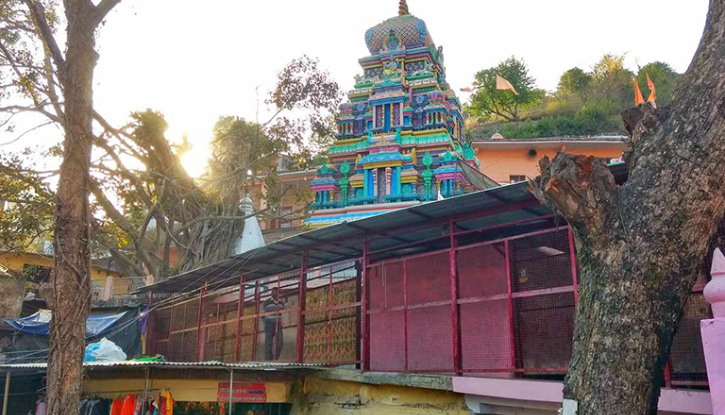
Perched at 1,330 metres between the Nar and Narayan hills near Rishikesh, this is where Shiva is believed to have swallowed the halahala poison churned from the ocean, turning his throat blue — hence *Neelkanth*. The colourful gopuram and the forest approach make it a favourite for devotees combining pilgrimage with Ganga retreat.
- Best time: September to April; heavy crowds during Sawan
- Darshan: 5:00 AM to 7:00 PM
- Traditional bead: 7 Mukhi Rudraksha to counter Shani afflictions and chronic stress
10. Trimbakeshwar Temple, Nashik
The source of the Godavari lies inside this Nashik shrine, where the lingam takes a rare three-faced form representing Brahma, Vishnu and Mahesh. Trimbakeshwar is the recognised site for Narayan Nagbali, Kaal Sarp Dosh and Tripindi Shraddha rituals, which draws devotees carrying specific astrological remedies.
- Best time: October to March; Kumbh Mela years see enormous footfall
- Darshan: 5:30 AM to 9:00 PM
- Traditional bead: 9 Mukhi or Gauri Shankar Rudraksha, commonly advised alongside Kaal Sarp remedies
Temple, Jyotirlinga Status and Recommended Rudraksha
| Temple | State | Jyotirlinga | Best season | Traditional Rudraksha |
|---|---|---|---|---|
| Kedarnath | Uttarakhand | Yes | May–Jun, Sep–Oct | 1 or 5 Mukhi |
| Kashi Vishwanath | Uttar Pradesh | Yes | Oct–Mar | 5 Mukhi |
| Somnath | Gujarat | Yes | Oct–Feb | 8 Mukhi |
| Mahakaleshwar | Madhya Pradesh | Yes | Oct–Mar | 11 Mukhi / Gauri Shankar |
| Amarnath | Jammu & Kashmir | No (cave shrine) | Jul–Aug | 5 Mukhi mala |
| Bhimashankar | Maharashtra | Yes | Aug–Feb | 3 Mukhi |
| Ramanathaswamy | Tamil Nadu | Yes | Oct–Apr | 6 Mukhi |
| Lingaraj | Odisha | No | Oct–Mar | 2 Mukhi |
| Neelkanth Mahadev | Uttarakhand | No | Sep–Apr | 7 Mukhi |
| Trimbakeshwar | Maharashtra | Yes | Oct–Mar | 9 Mukhi |
How to Prepare for a Shiva Temple Yatra
- Carry a Rudraksha mala for japa; 108 beads is the traditional count
- Prefer cotton or wool clothing; leather belts and bags are refused at several shrines
- Offer Bilva Patra, raw milk, water and white flowers — never tulsi to Shiva
- Chant *Om Namah Shivaya* through the approach rather than only inside the sanctum
- Remove the mala before consuming alcohol or non-vegetarian food, per Rudraksha wearing rules
Why Devotees Choose Mauhurtika Rudraksha for Pilgrimage Beads
Every bead we ship is lab-certified by IGL or GTL with X-ray verification of the internal compartments, sourced from Nepal or Java with the origin printed on the invoice, and energised with Pran-Pratishtha by our acharyas before dispatch. Explore certified beads, Rudraksha malas or read how our certification process works.
Frequently Asked Questions
Q.Which Shiva temple should a first-time pilgrim visit?
Kashi Vishwanath in Varanasi is the most accessible and devotionally complete starting point, with year-round darshan and no trekking involved.
Q.How many Jyotirlingas are there in India?
Twelve. Six of the temples in this list — Kedarnath, Kashi Vishwanath, Somnath, Mahakaleshwar, Bhimashankar, Ramanathaswamy and Trimbakeshwar — are Jyotirlingas.
Q.What is the hardest Shiva temple to reach?
Amarnath, because the ice lingam forms only in July–August and requires a registered trek to 3,888 m, with Kedarnath a close second.
Q.Can I wear a Rudraksha inside a temple?
Yes. A Rudraksha is considered auspicious in every Shiva shrine and is traditionally worn during darshan and japa.
Q.Which Rudraksha is best for Mahashivratri darshan?
The 5 Mukhi Rudraksha for general devotees, and 1 Mukhi or Gauri Shankar for those undertaking intensive sadhana.
Q.Is Mahakaleshwar Bhasma Aarti open to everyone?
Yes, but passes must be booked in advance through the temple committee and the aarti begins around 4:00 AM.
Q.Why is tulsi never offered to Shiva?
Puranic tradition links tulsi to the Vrinda legend, so Bilva Patra is offered to Shiva instead.
Q.When is the best overall season for a Shiva temple yatra?
October to March suits most shrines, while the Himalayan temples of Kedarnath and Amarnath are only open in summer.
Q.Do I need to energise my Rudraksha before a pilgrimage?
It is recommended. Pran-Pratishtha before the journey is the traditional practice, and we perform it free of charge on every order.
Q.Where can I buy a certified Rudraksha before my yatra?
At Mauhurtika Rudraksha — online with free pan-India delivery, or in person at our Indore experience centre. Call +91-9009231652.