
What is a 5 Mukhi Rudraksha?
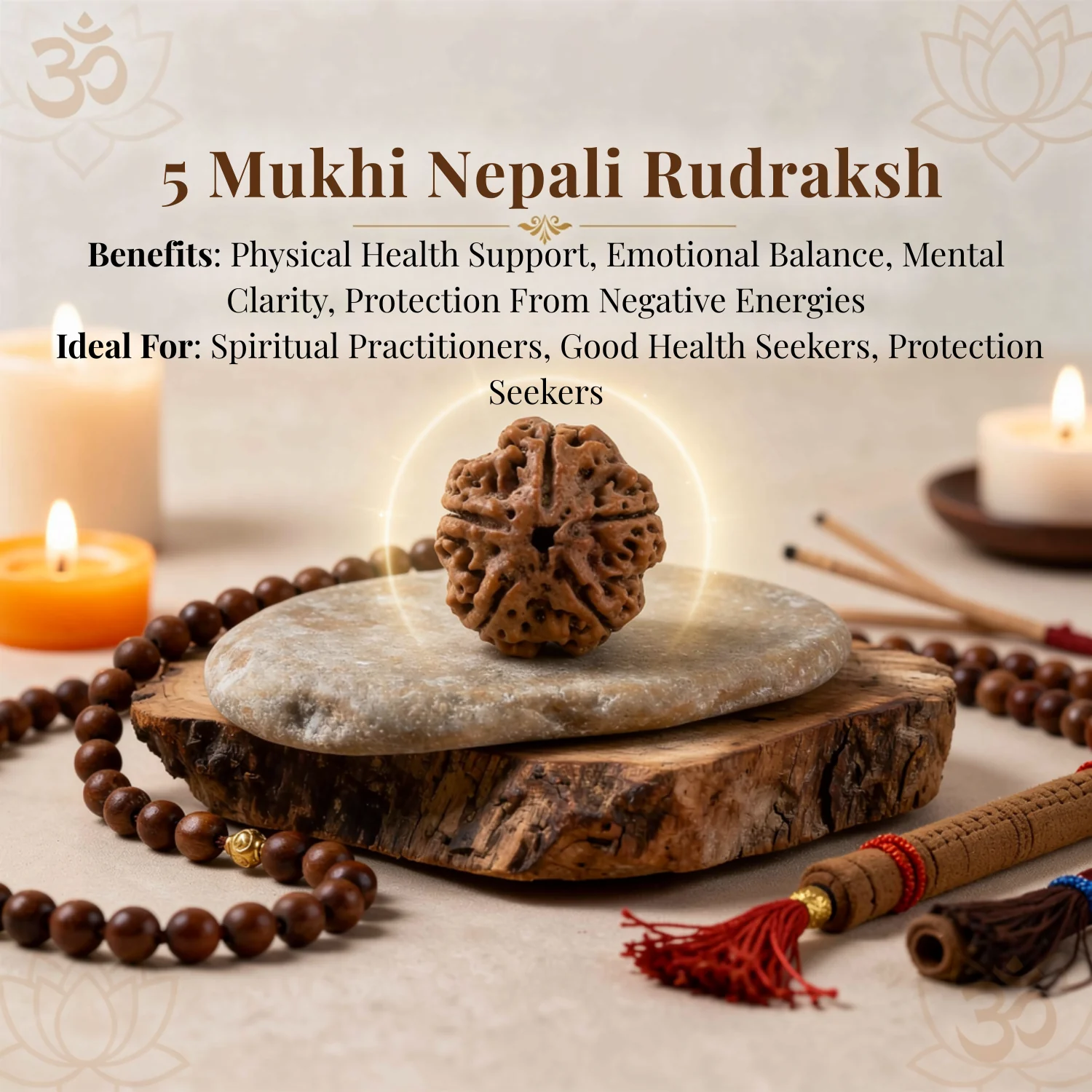
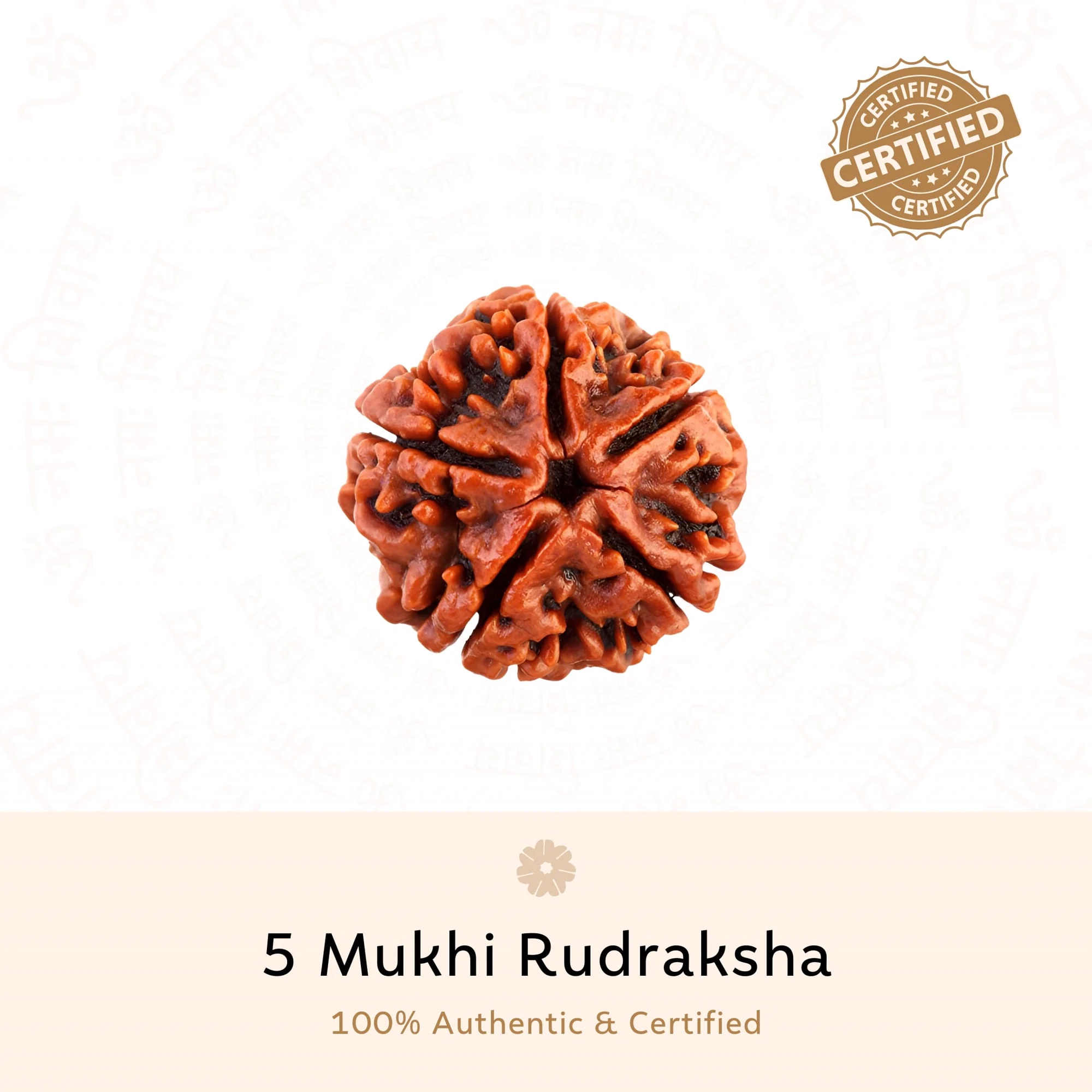
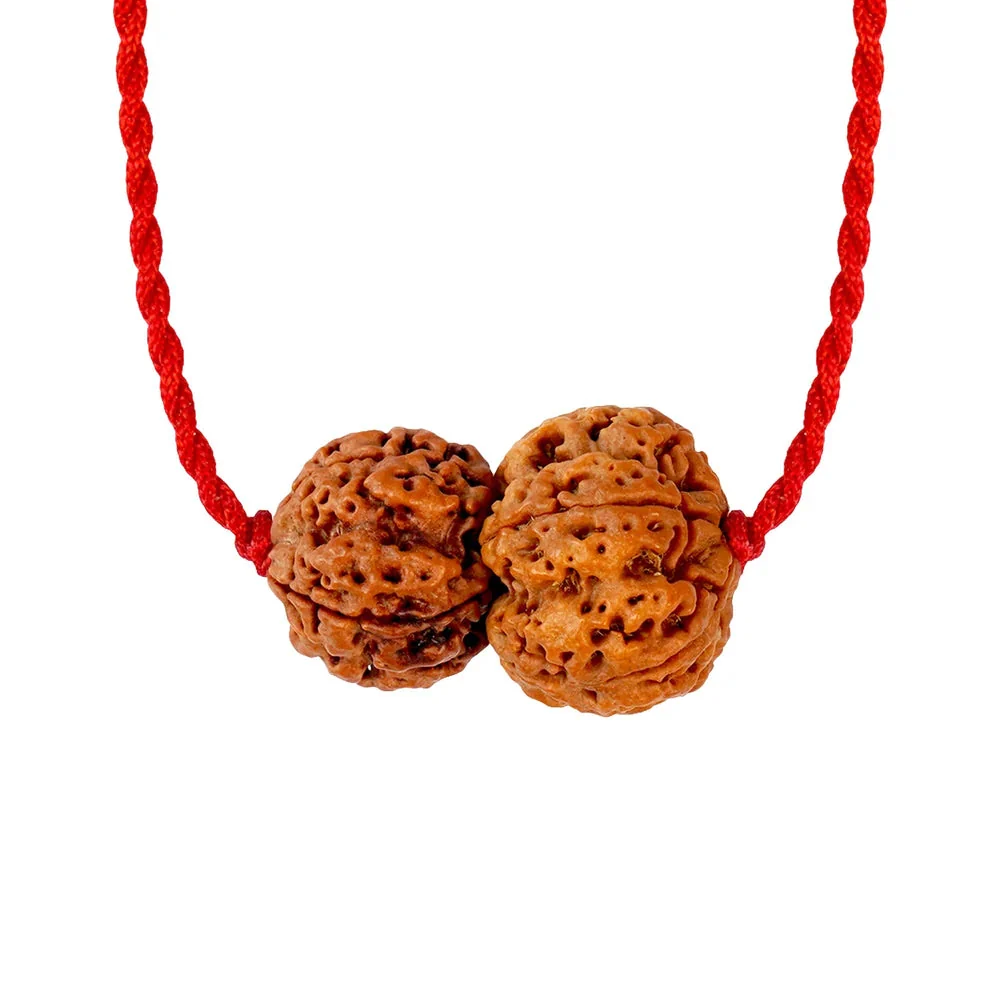
A 5 Mukhi (Panch Mukhi) Rudraksha has five natural lines running from its top to its base, dividing the surface into five segments. It is the most common naturally occurring form, which is why it is affordable and widely available in both Nepali and Indonesian origins.
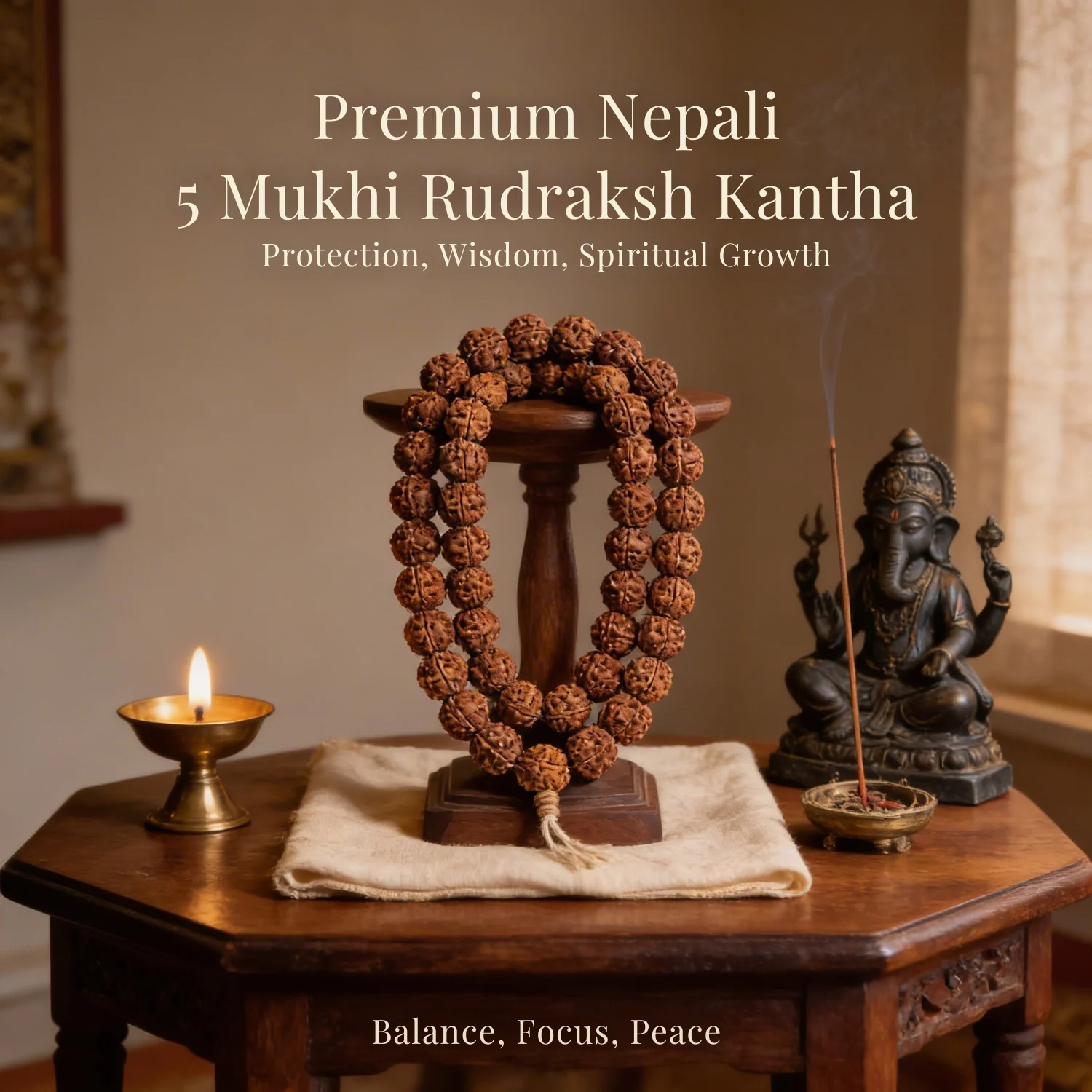
Its abundance does not make it lesser. In Shaiva tradition the five faces are often linked with the five faces of Shiva (Panchanana) and the five elements, and the 5 Mukhi is the standard bead for a 108+1 japa mala.
Associated deity and planet
The 5 Mukhi is traditionally associated with Kalagni Rudra, a fierce form of Shiva. In Jyotish it is linked with Guru (Jupiter), the planet of wisdom, teaching and dharma. For this reason it is often suggested for Sagittarius (Dhanu) and Pisces (Meena), the two Rashis ruled by Jupiter — although it is considered appropriate for every sign.
Mauhurtika describes Rudraksha from the standpoint of Hindu tradition, scripture and Jyotish practice. These are religious and cultural associations, not medical or scientific claims, and a Rudraksha is not a substitute for professional medical, financial or psychological advice.
Traditional uses and commonly cited purposes
Tradition associates the 5 Mukhi with a calm, disciplined spiritual routine. It is the bead most often used for mantra japa and meditation, and many people simply wear one as a daily reminder of their practice.
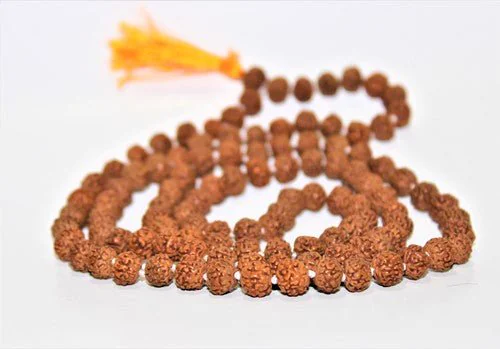
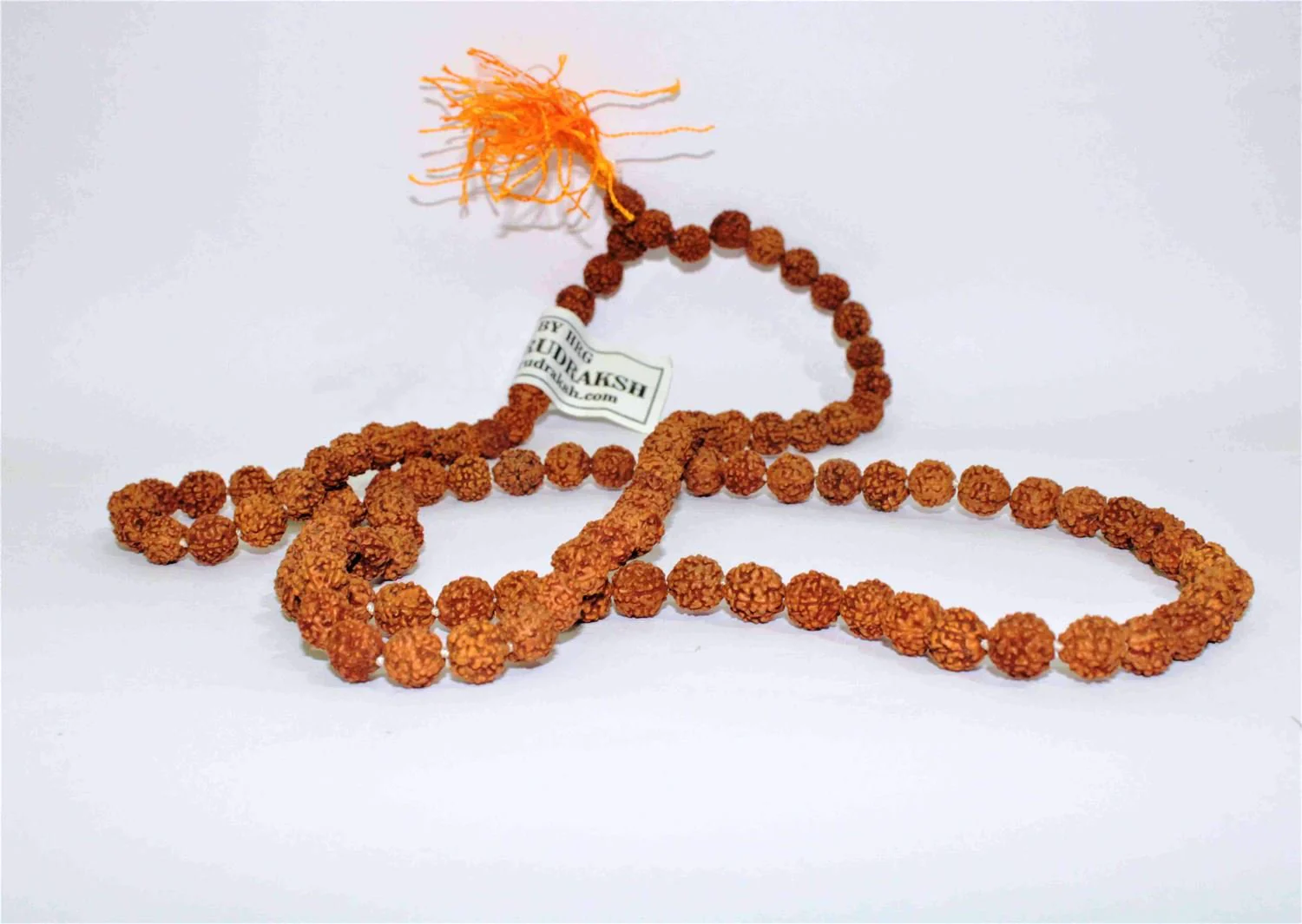
- Japa — counting mantras such as 'Om Namah Shivaya' on a 108+1 mala.
- Meditation — traditionally used during dhyana as a steadying focus.
- Everyday devotion — worn as a single bead or bracelet as a sign of faith.
- A base bead in combinations — commonly paired with other Mukhis in Kavach sets.
Who traditionally wears a 5 Mukhi?
Practically anyone. Texts and teachers broadly agree that 5 Mukhi has no restriction by age, gender, Rashi or stage of life, which is why it is the usual recommendation for beginners, children (under guidance), students and elders alike.
People who already wear another Mukhi frequently add a 5 Mukhi alongside it, since tradition does not consider the two to conflict.
How to wear a 5 Mukhi Rudraksha
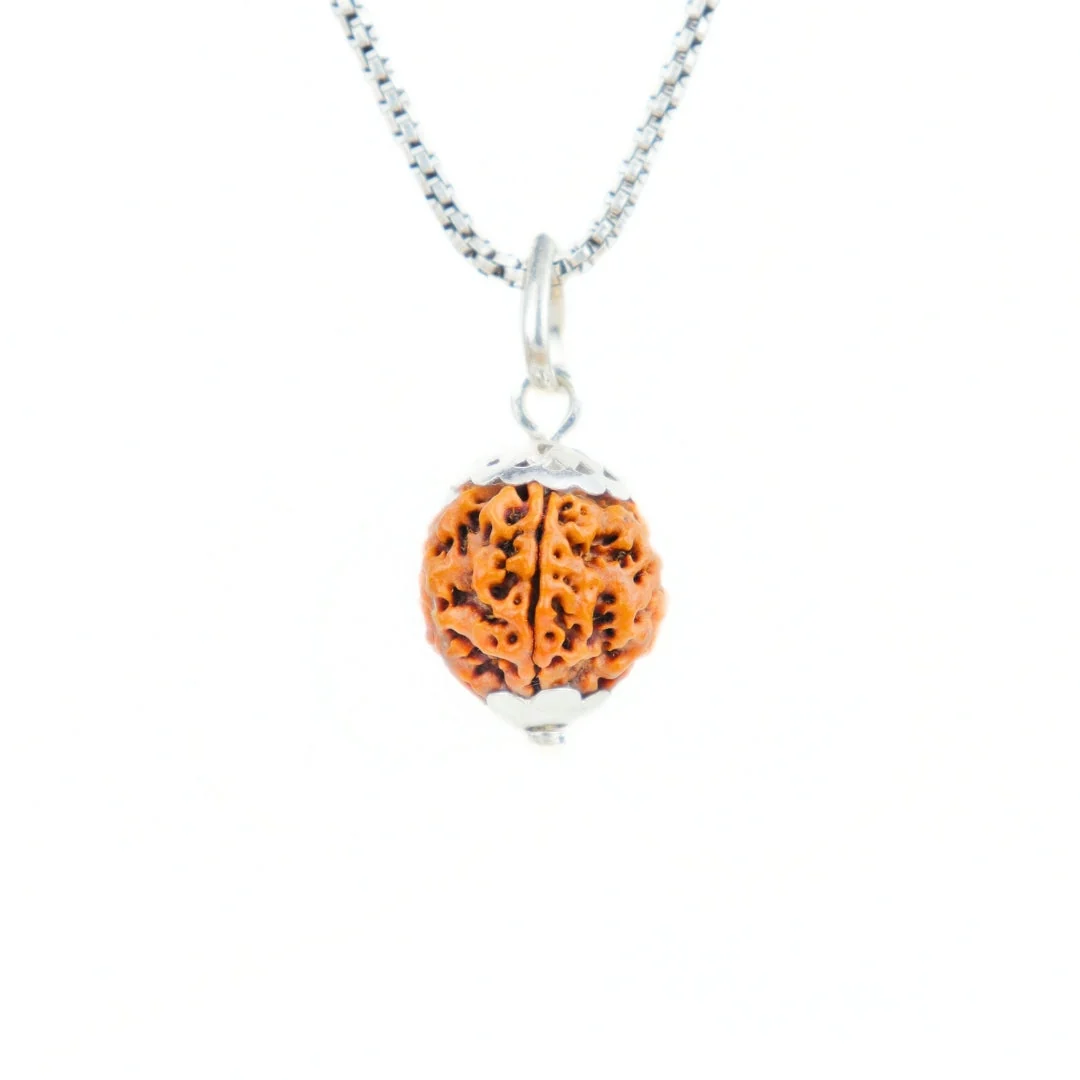
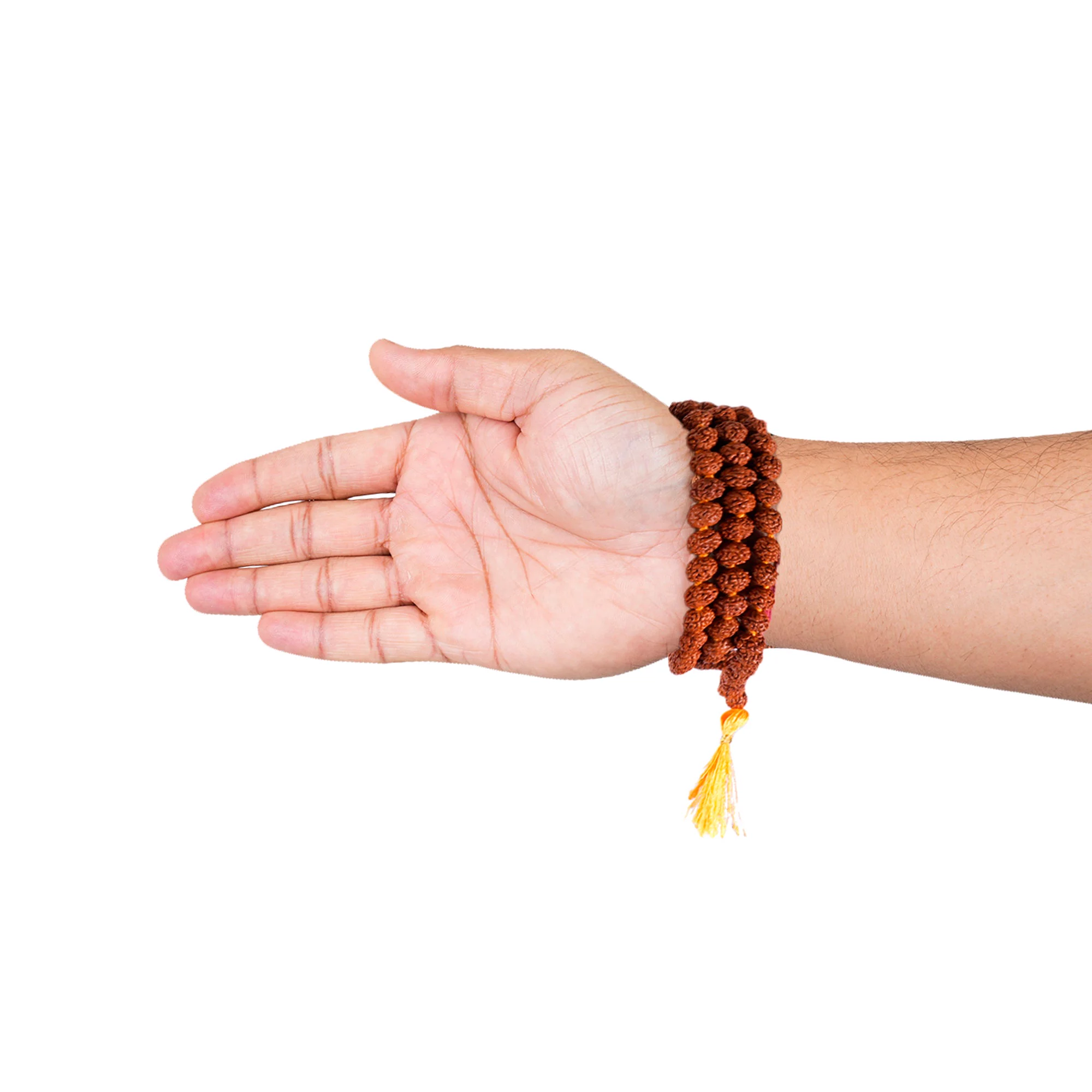
Choose a form that suits how you will use it: a single bead on red or yellow thread or in a silver cap for daily wear, a bracelet for convenience, or a 108+1 mala for japa. Many people begin wearing it on a Monday or Thursday (Jupiter's day) after a short puja.
A simple traditional sequence: wash the bead in clean water (some use raw milk or Gangajal), place it before an image of Shiva, offer a flower and incense, chant the mantra 108 times, then wear it so that it rests against the skin.
Traditional mantra
The mantra most commonly given for the 5 Mukhi is 'Om Hreem Namah'. Many devotees also use 'Om Namah Shivaya'. Follow your teacher or family practice if they recommend a specific mantra.
How to identify a genuine 5 Mukhi
Because 5 Mukhi beads are common, the main risk is not a fake 5 Mukhi but a 5 Mukhi carved into a rarer type — extra lines cut into the surface to sell it as a 6 or 7 Mukhi. When buying a 5 Mukhi itself, the checks are straightforward.
- Count five clear, continuous lines from top to bottom.
- Lines should look natural, without sharp tool marks or filled grooves.
- The bead should have no cracks or large insect holes.
- A lab report or X-ray, when provided, should show five internal chambers.
Nepal vs Indonesia, size and quality
Nepali 5 Mukhi beads are larger and have deep, easy-to-count lines; they make excellent single pendants. Indonesian 5 Mukhi beads are small and smooth, and are the usual choice for 108-bead malas and lightweight bracelets.
Size is a matter of comfort and preference rather than potency. Look for a well-formed, evenly shaped bead with defined Mukhis and a sound surface.
5 Mukhi price factors
5 Mukhi is the most affordable Rudraksha, but prices still vary with origin, size, surface quality, whether it is capped in silver or gold, whether it is a single bead or a full mala, and whether it carries a lab report. A full 108+1 mala costs more than a single bead because of the number of matched beads involved. See the current Mauhurtika prices on the products below.
Caring for your bead
Remove it before bathing with soap and avoid perfumes. Rinse occasionally in plain water, let it dry naturally and apply a drop of natural oil every few months. Restring malas when the thread starts to fray.
Related Rudraksha
If you are exploring further, the 1 Mukhi (Surya) and 11 Mukhi (Hanuman) are often discussed alongside the 5 Mukhi for spiritual practice, and the 2 Mukhi and Gauri Shankar are commonly considered for relationships.
Shop 5 Mukhi Rudraksha
Budh-Guru Buddhi Vriddhi Kavach – 4 & 5 Mukhi Rudraksha
Frequently asked questions
Can anyone wear 5 Mukhi Rudraksha?
Yes. Tradition considers 5 Mukhi suitable for all ages, genders and zodiac signs, which is why it is the usual first bead.
Which day is best to start wearing 5 Mukhi?
Monday (Shiva's day) or Thursday (Jupiter's day) are the most commonly chosen, after a short puja and mantra recitation.
What is the mantra for 5 Mukhi Rudraksha?
'Om Hreem Namah' is the mantra most often given; 'Om Namah Shivaya' is also widely used.
Is a 5 Mukhi mala better than a single bead?
They serve different uses. A 108+1 mala is used for counting mantras; a single bead or bracelet is convenient for daily wear.
Can I wear 5 Mukhi with other Rudraksha?
Yes. 5 Mukhi is commonly combined with other Mukhis and is not traditionally considered to conflict with any of them.
Why is 5 Mukhi cheaper than other Mukhis?
It is the most common naturally occurring form. Price reflects rarity, not spiritual importance.