
Rudraksha for Meditation & Spiritual Practice
Rudraksha's oldest role is as a companion to sadhana. The Shiva Purana and later texts describe its use in japa — counting mantras on a mala — and in daily meditation.
Practitioners value it as a tactile anchor for attention and a symbol of devotion to Shiva. These are traditional and spiritual uses, not medical ones.
Beads traditionally associated with meditation & spiritual practice
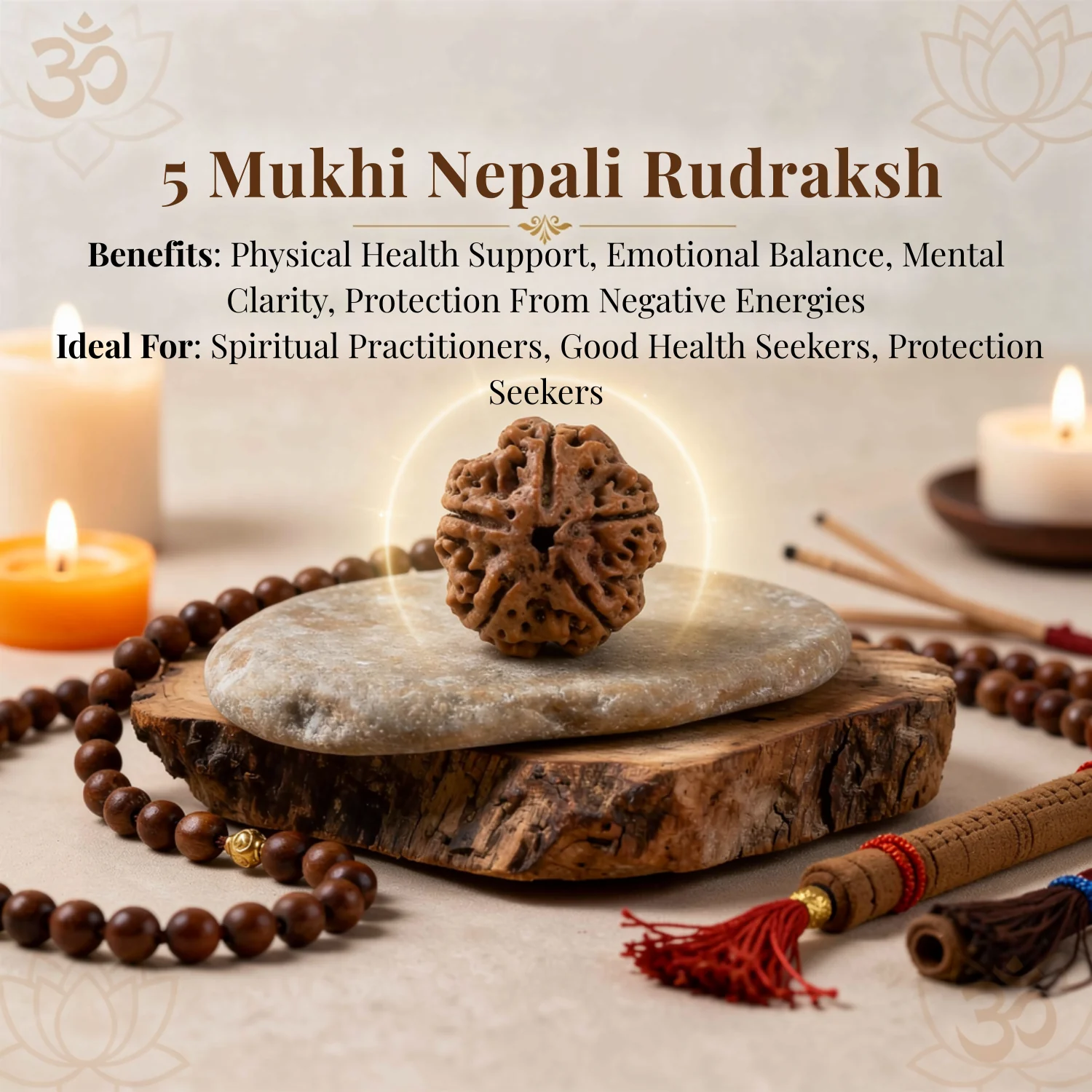
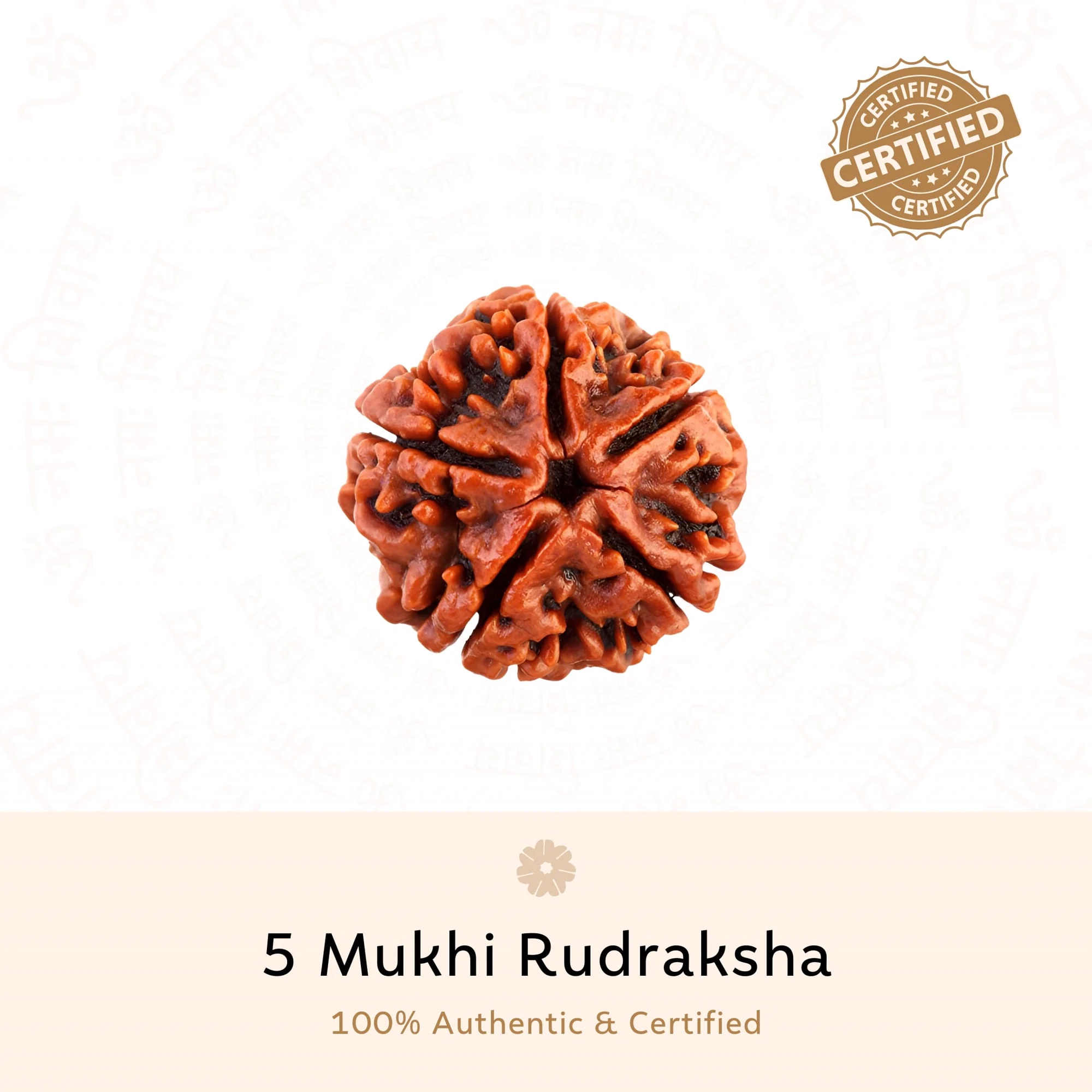
5 Mukhi Rudraksha & Japa Malas
Traditionally associated with Kalagni Rudra; the most common bead for 108+1 japa malas.
1 Mukhi Rudraksha
Traditionally regarded as the bead of Shiva consciousness and single-pointed focus.
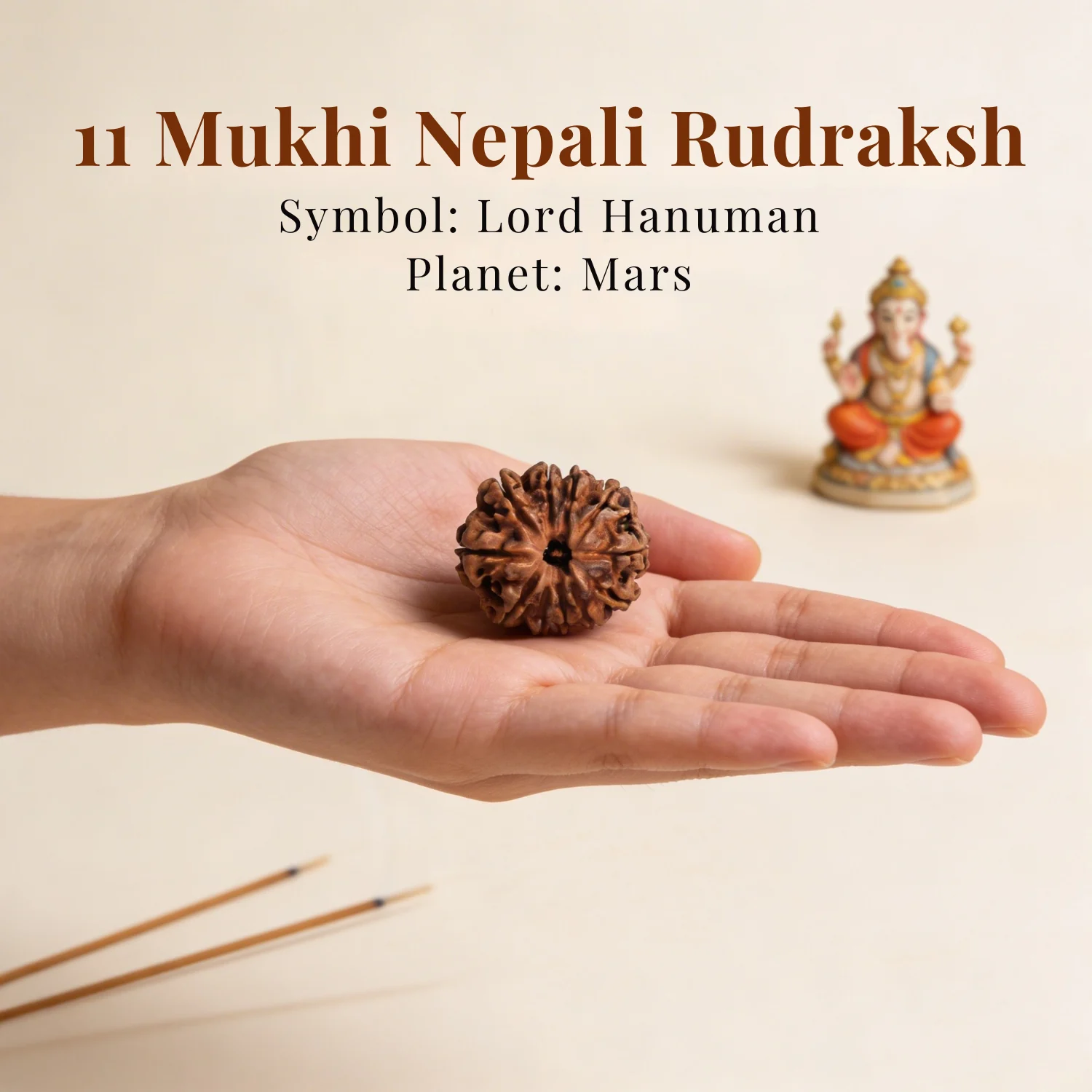
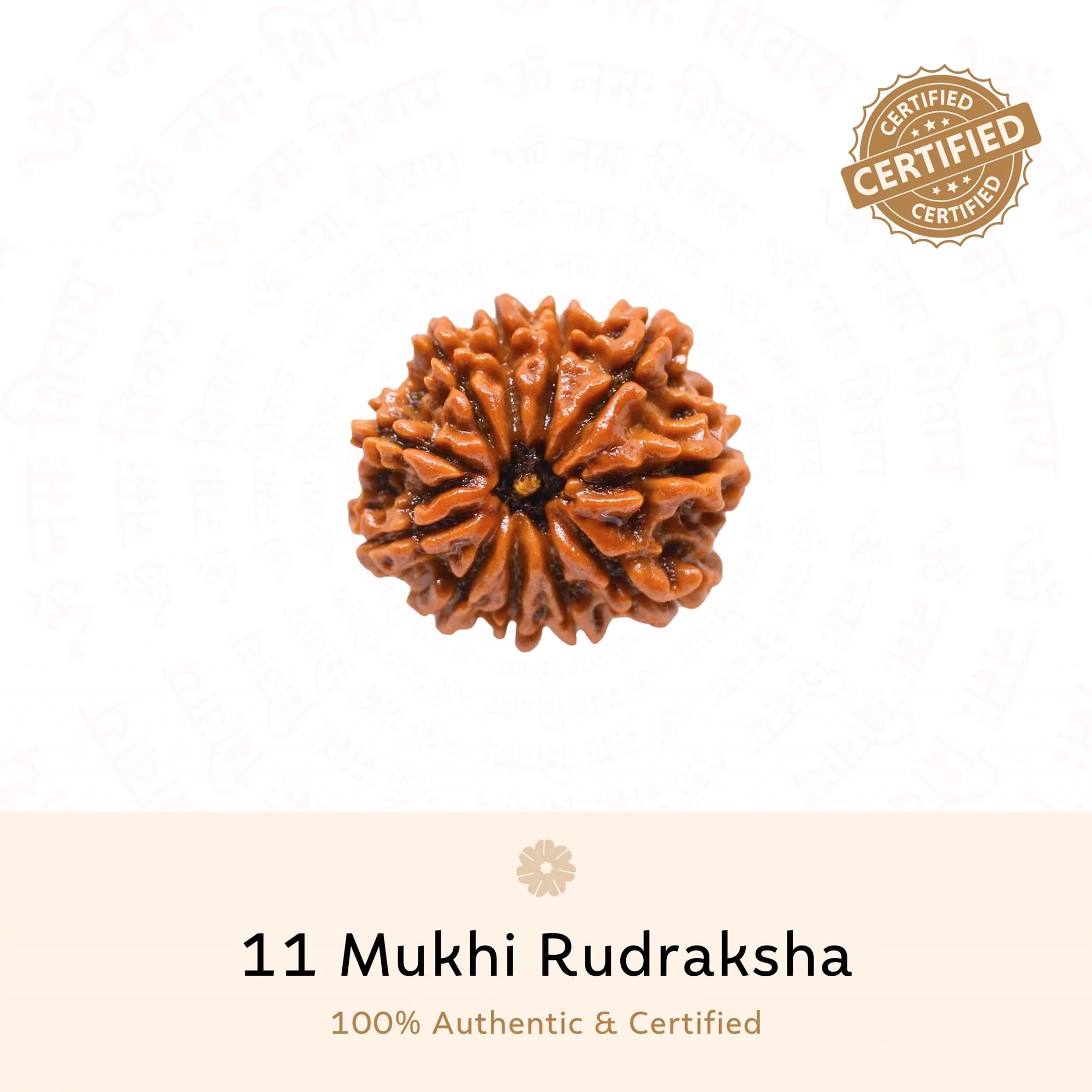
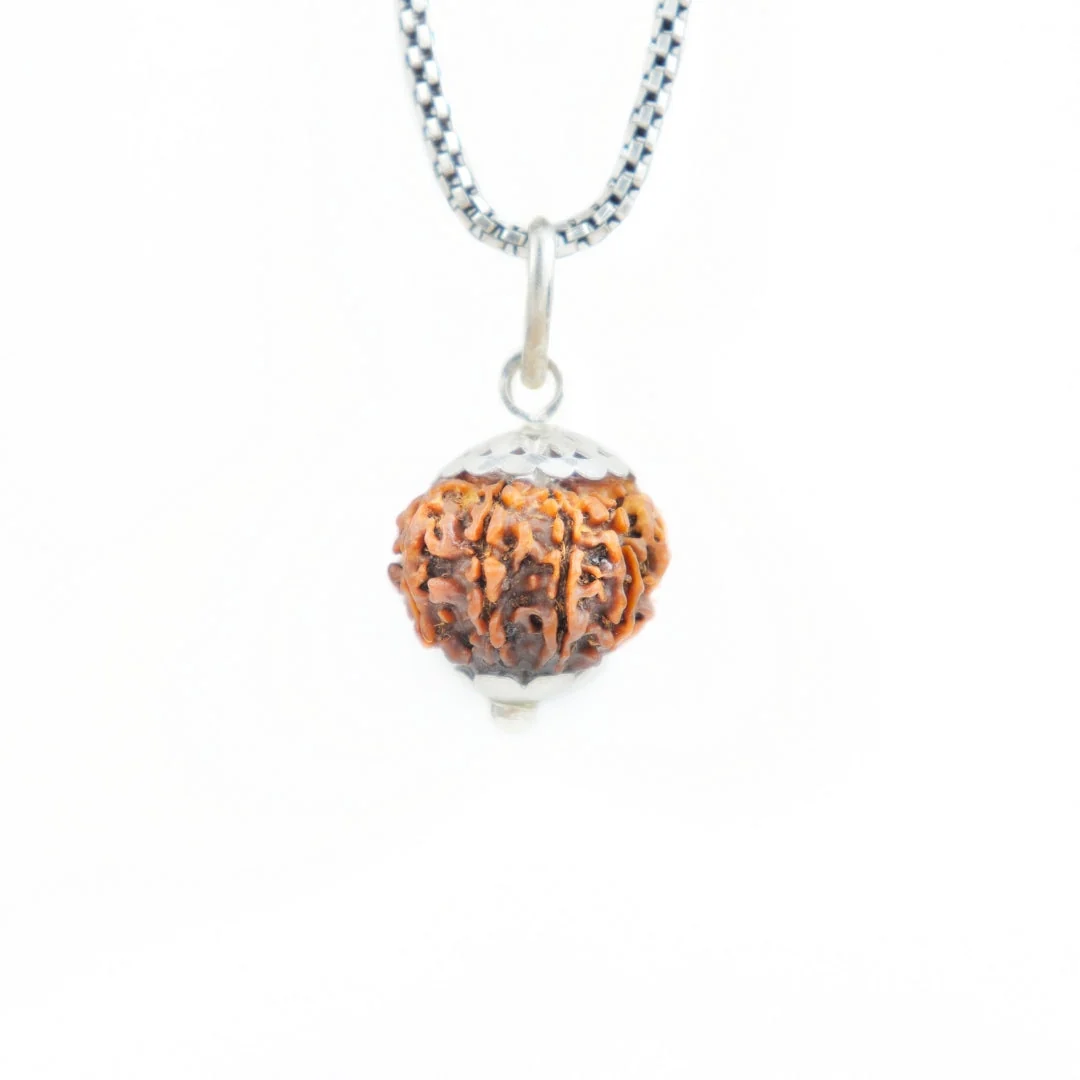
11 & 14 Mukhi Rudraksha
Traditionally associated with Hanuman and with Shiva; often chosen by committed practitioners.
Siddha Mala
A combination of 1 to 14 Mukhi with Ganesh and Gauri Shankar, traditionally regarded as a complete set for sadhana.
Traditional practice
- A japa mala has 108 beads plus a guru (sumeru) bead, which is never crossed during counting.
- Traditionally, japa is done in the early morning (Brahma muhurta) facing east or north.
- “Om Namah Shivaya” is the most commonly chanted mantra on a Rudraksha mala.
These are spiritual and traditional associations. Rudraksha is not a substitute for medical, financial or legal advice.
Explore Rudraksha for meditation & spiritual practice
Frequently asked questions
Which Rudraksha is best for meditation?
A 5 Mukhi japa mala is the traditional choice for most practitioners; 1, 11 and 14 Mukhi are also traditionally associated with deeper sadhana.
Why does a mala have 108 beads?
108 is a sacred number in Hindu and Buddhist traditions; the extra guru bead marks the start and end of a round.
Can I use the same mala for wearing and japa?
Many traditions keep a separate mala for japa; ask our team if you are unsure.