
Rudraksha for Spiritual Protection
Across Shaiva and Shakta traditions, Rudraksha has long been worn as a kawach — a spiritual shield. The practice draws on the protective forms of Durga, Hanuman and Vishnu.
Protection here is meant in a devotional sense: courage, faith and a feeling of being guarded in daily life. It does not replace practical safety or professional help.
Beads traditionally associated with protection
9 Mukhi Rudraksha
Traditionally associated with Goddess Durga and Ketu; commonly worn for courage and devotion to Shakti.
10 Mukhi Rudraksha
Traditionally regarded as a bead of protection under Lord Vishnu.
11 Mukhi Rudraksha
Traditionally associated with Ekadasha Rudra and Hanuman — strength and fearlessness.
Kawach combinations
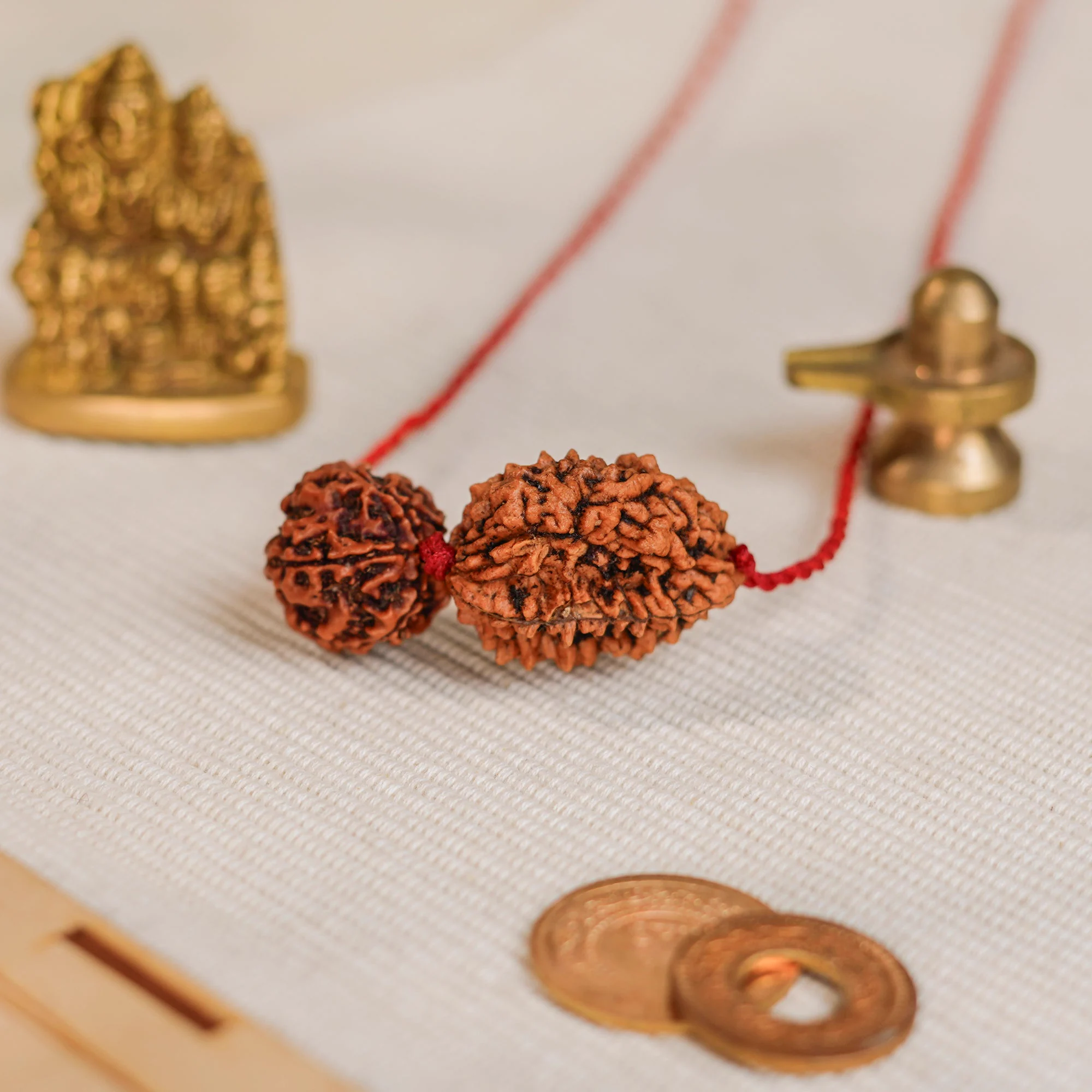
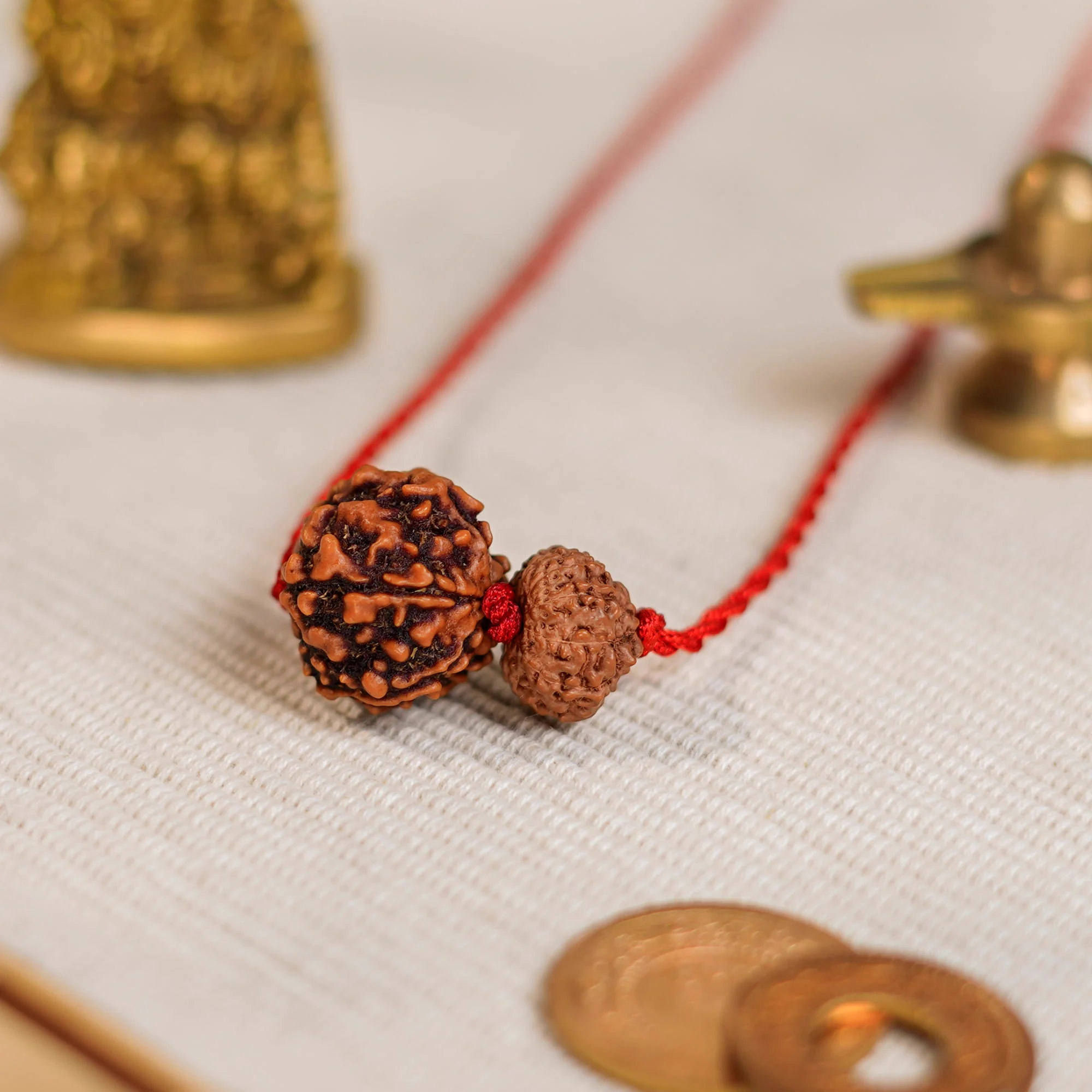
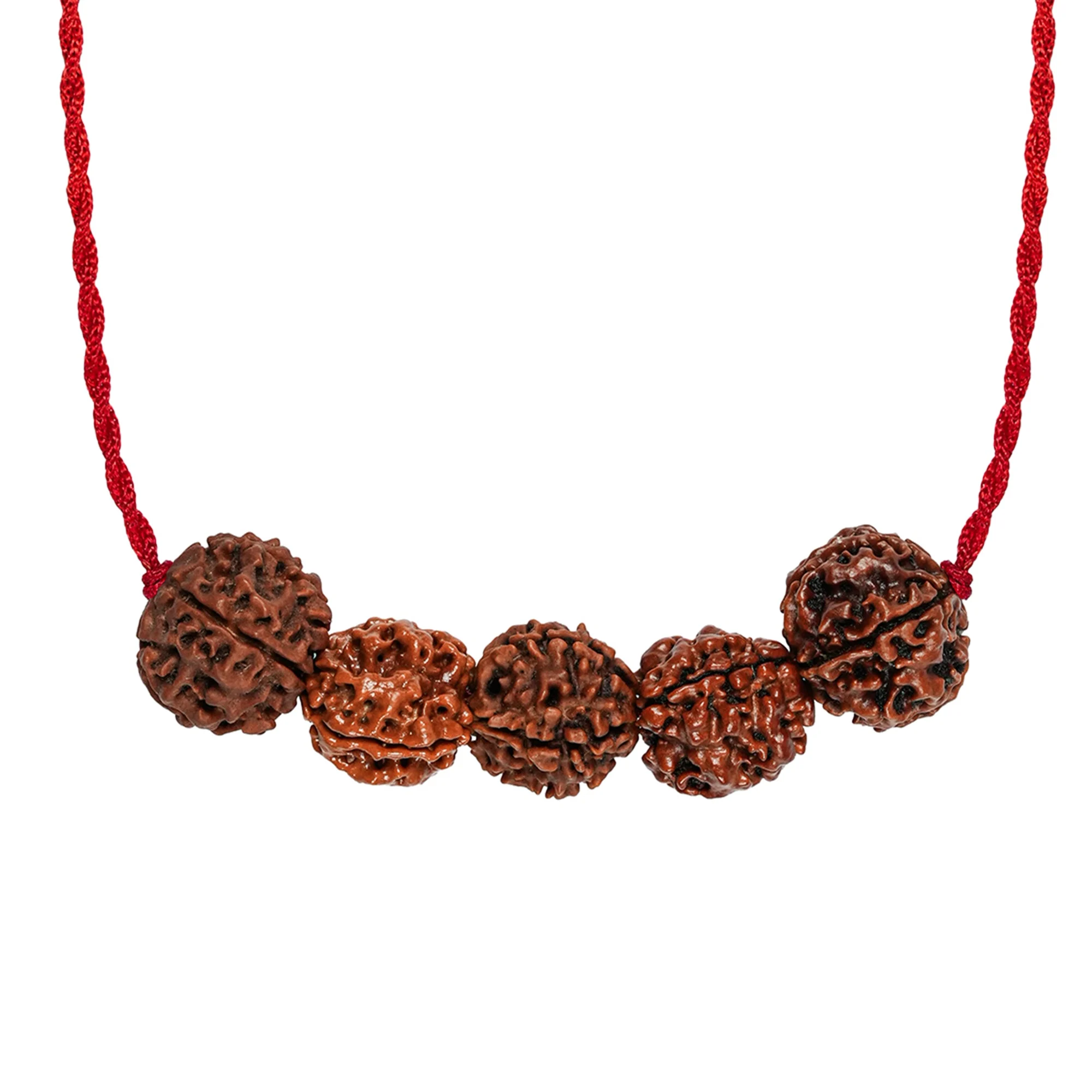
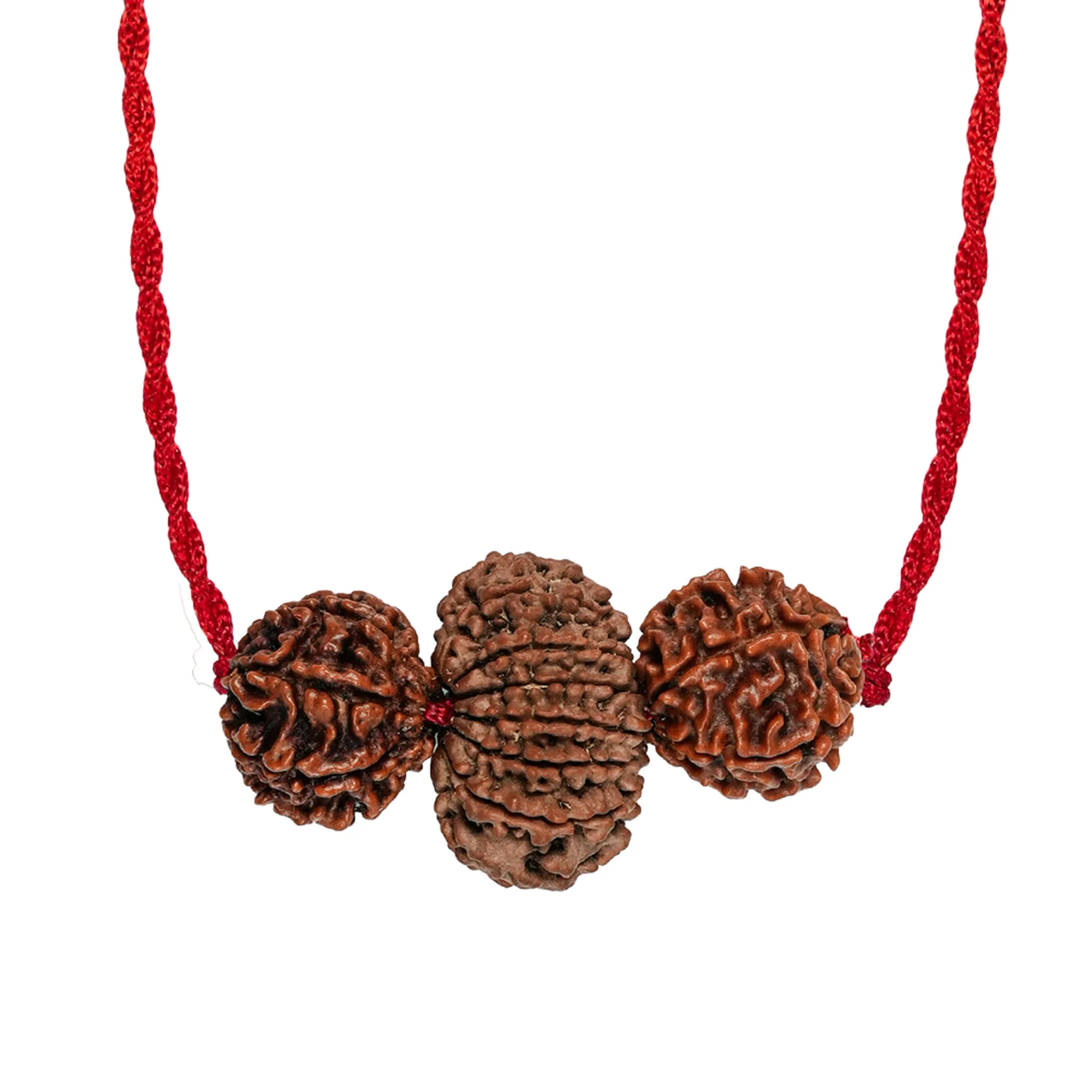
Multi-bead combinations assembled according to tradition for a specific protective intention.
Traditional practice
- 9 Mukhi is traditionally first worn during Navratri; 11 Mukhi on a Tuesday or Saturday.
- Commonly chanted mantra for 11 Mukhi: “Om Hreem Hum Namah”.
- Hanuman Chalisa is often recited when first wearing 11 Mukhi.
These are spiritual and traditional associations. Rudraksha is not a substitute for medical, financial or legal advice.
Explore Rudraksha for protection
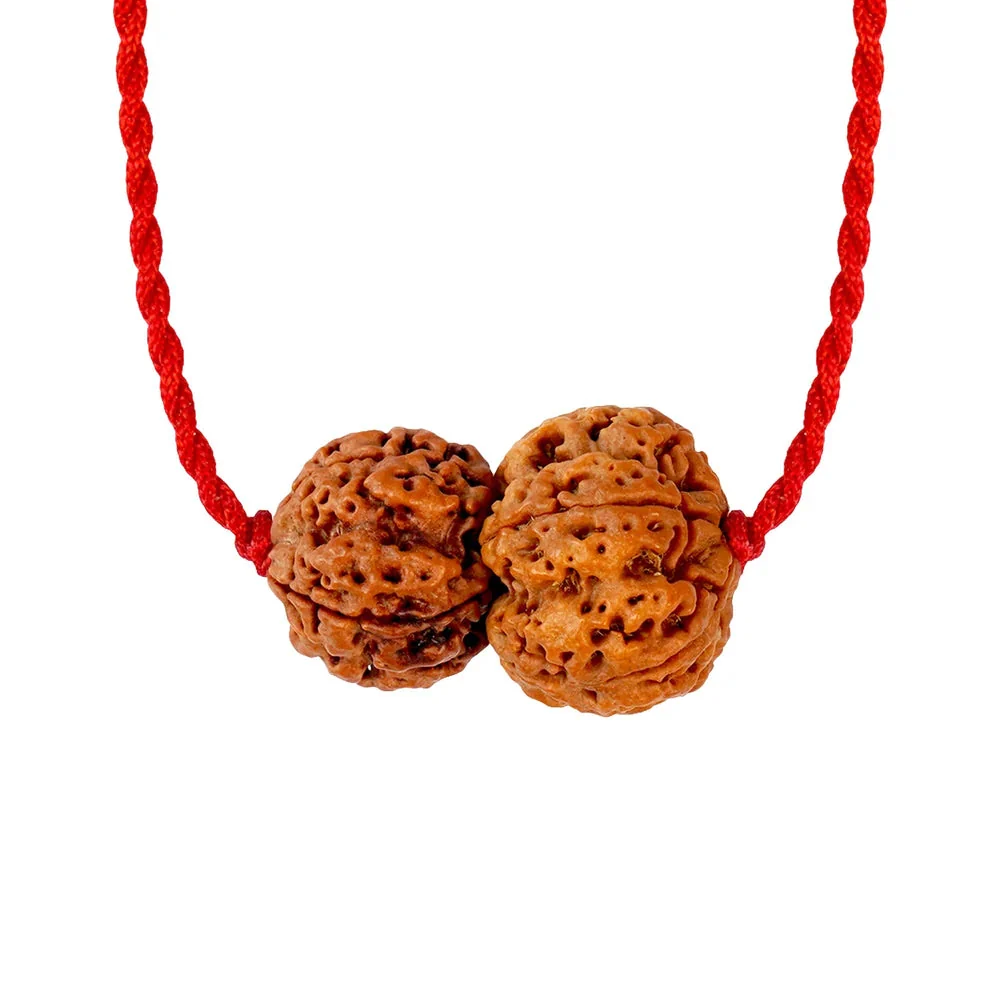
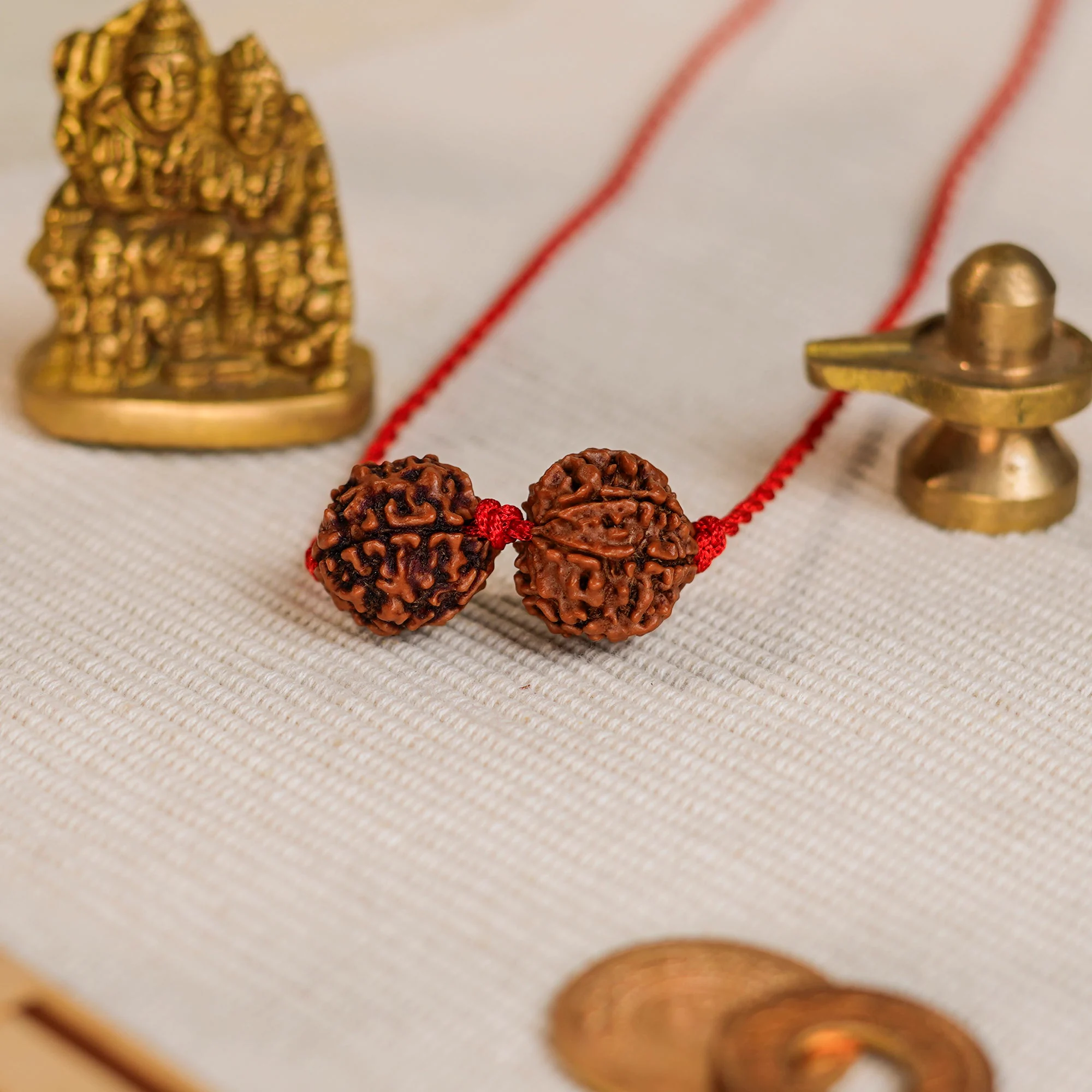
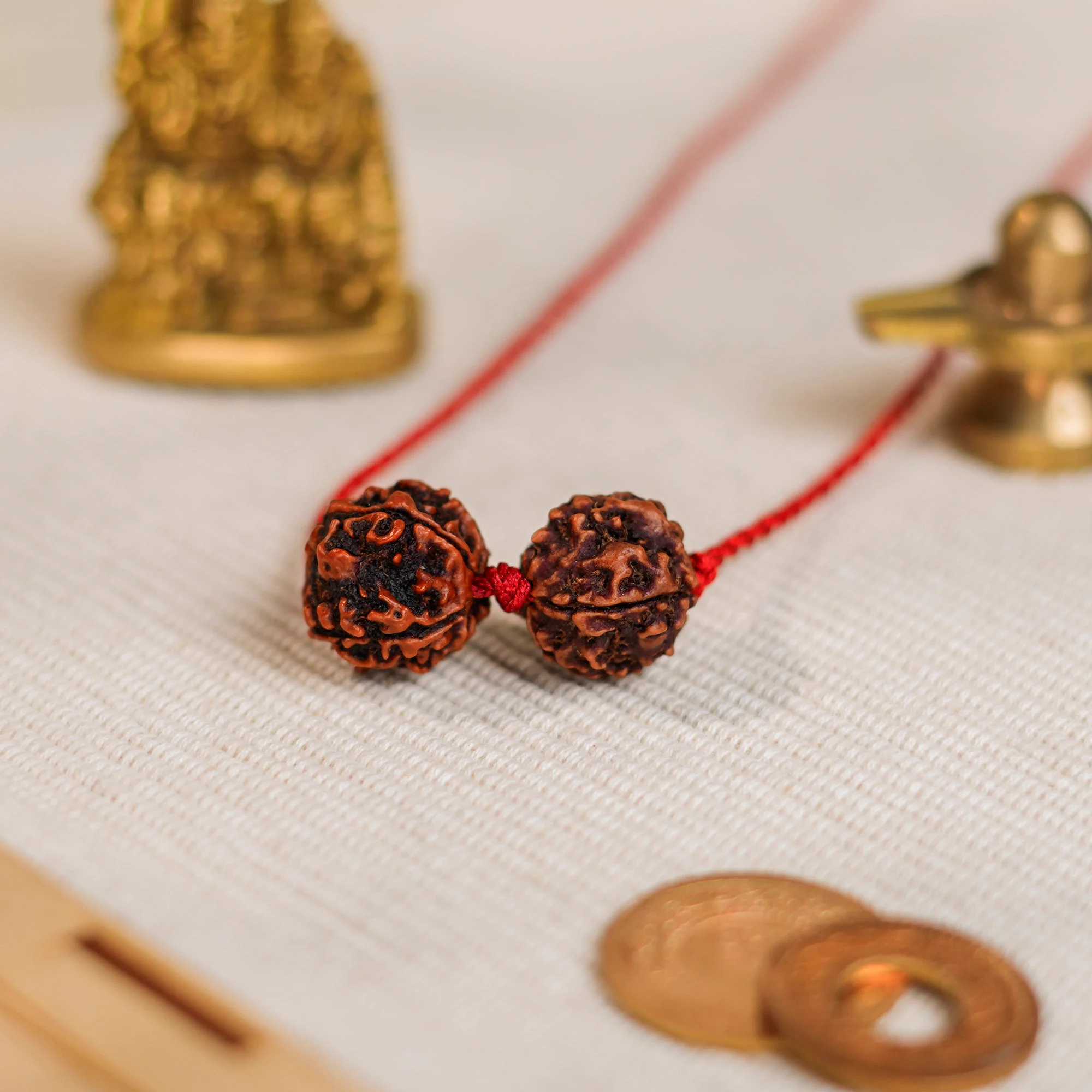
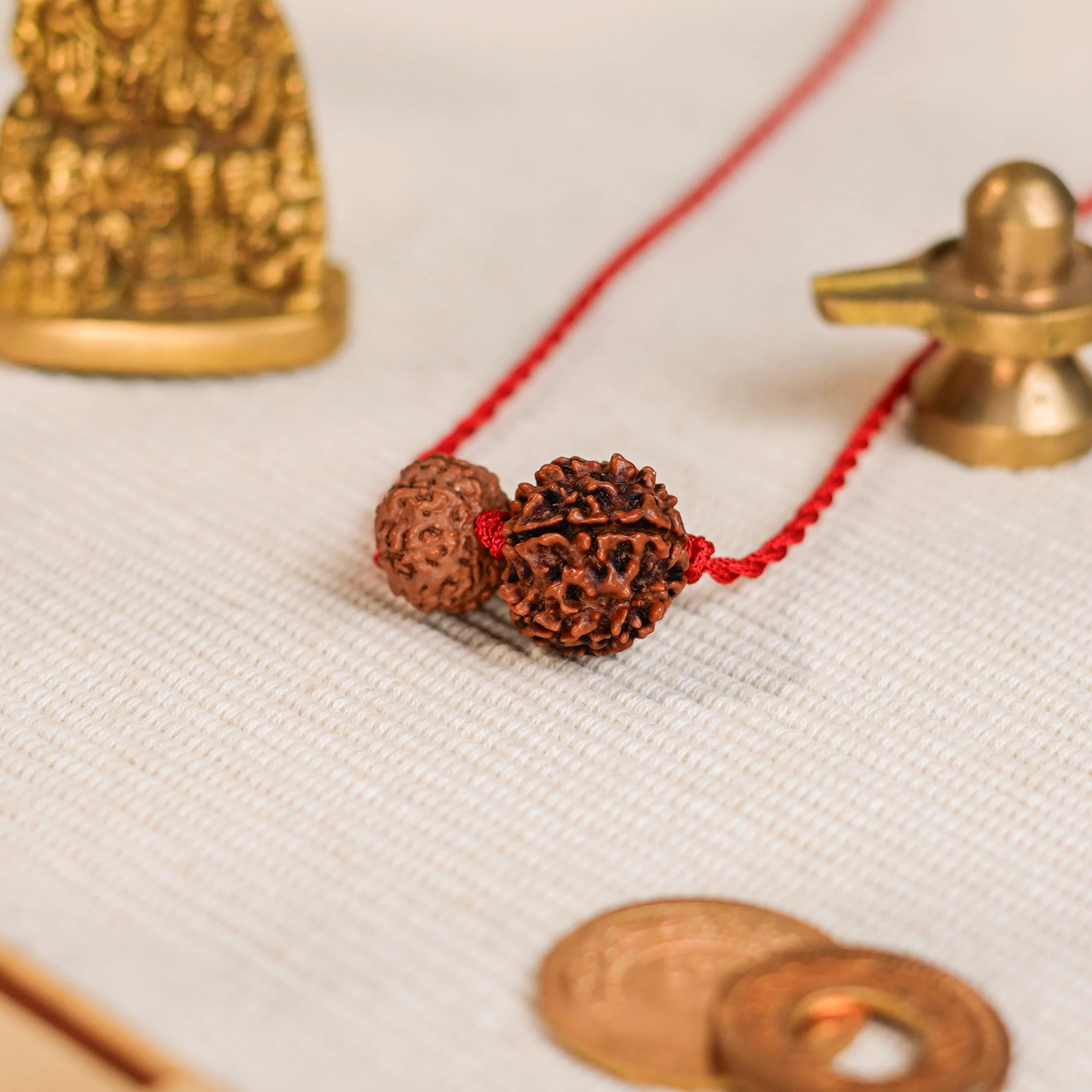
Budh-Guru Buddhi Vriddhi Kavach – 4 & 5 Mukhi Rudraksha
Frequently asked questions
Which Rudraksha is worn for protection?
9 Mukhi (Durga), 10 Mukhi (Vishnu) and 11 Mukhi (Hanuman) are the traditional choices, along with Kawach combinations.
What is a Rudraksha Kawach?
A combination of several beads strung together according to tradition for a particular intention, such as protection.
Is Rudraksha a substitute for real-world safety?
No. It is a devotional practice and should never replace practical precautions or professional help.