
Rudraksha for Wealth & Prosperity
In Hindu tradition, prosperity is seen as more than money — it includes stability, abundance in the home and the removal of obstacles to honest effort. Several Rudraksha are traditionally linked with the deities who represent these ideals.
Rudraksha is a devotional item. It is worn as a reminder of intention and faith, alongside — never instead of — sound financial decisions.
Beads traditionally associated with wealth & prosperity
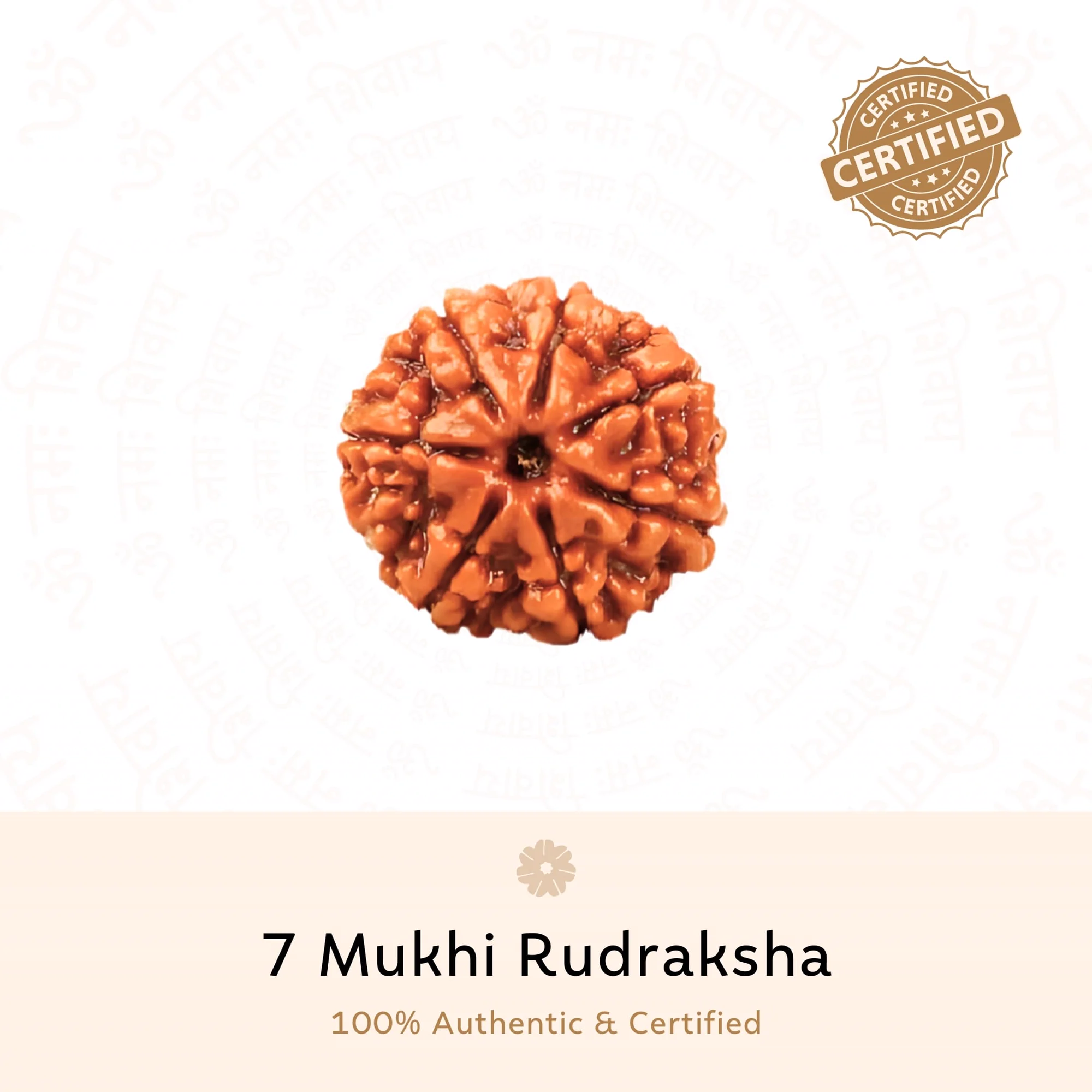
7 Mukhi Rudraksha
Traditionally associated with Goddess Mahalakshmi and Saturn; commonly worn for steady, patient progress.
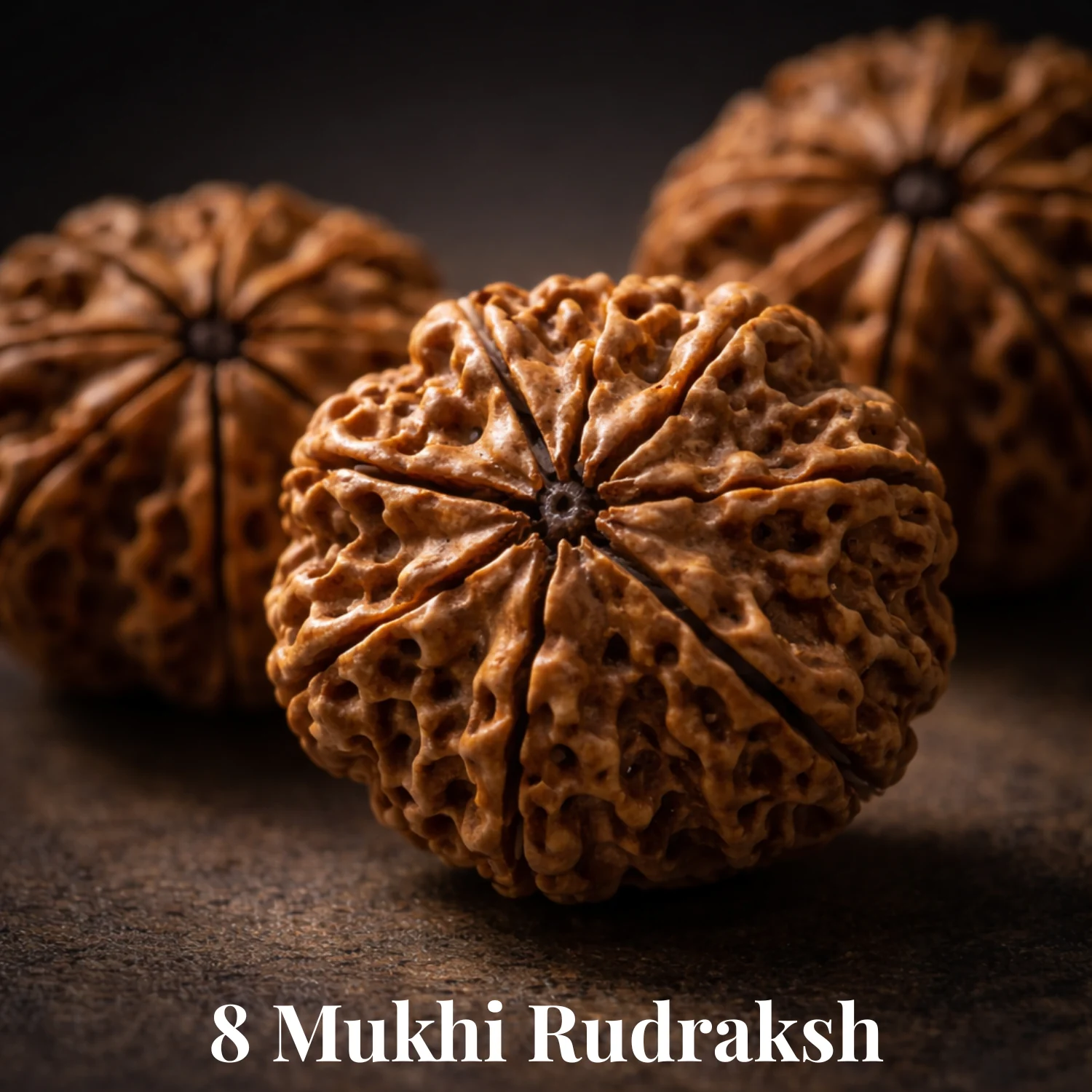
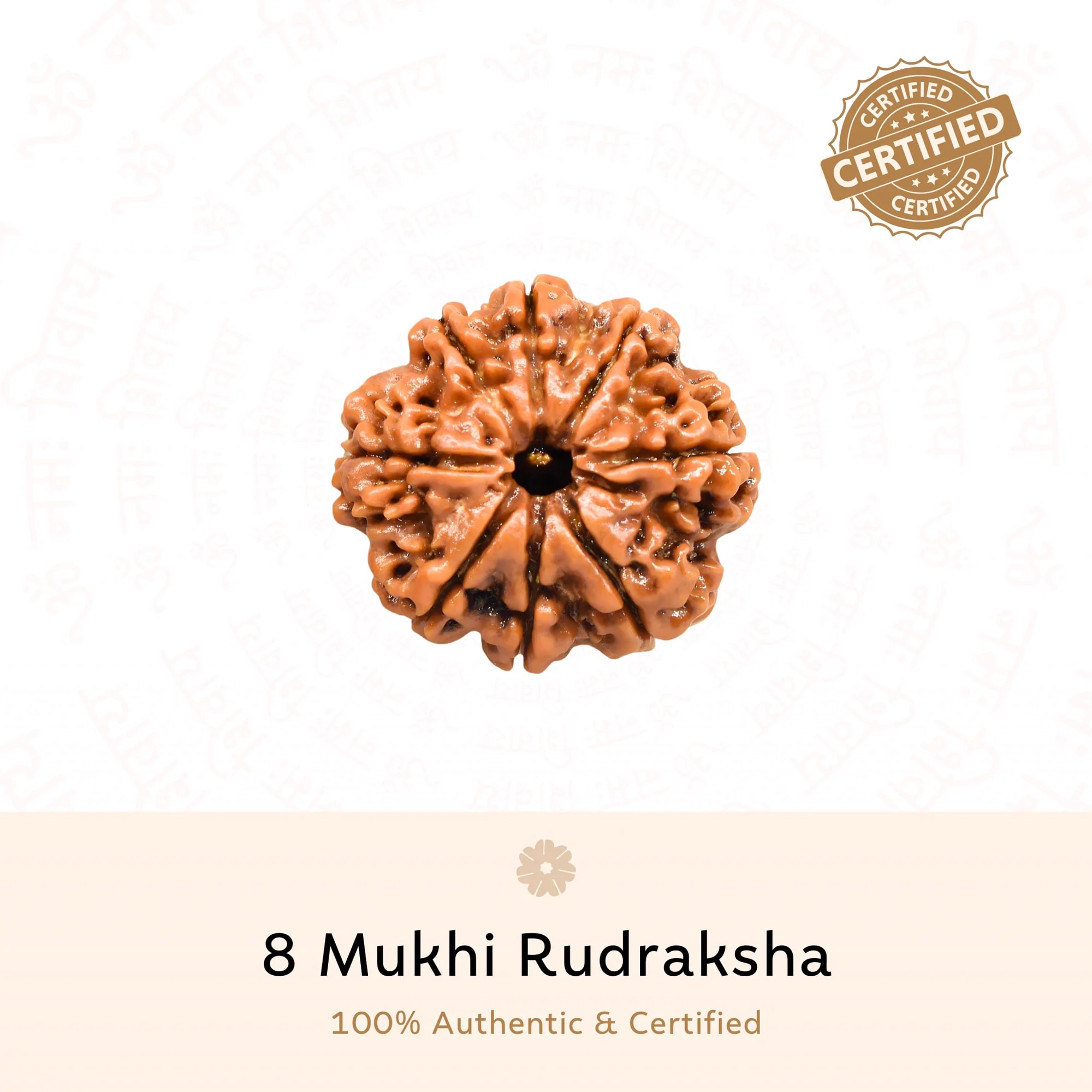
8 Mukhi Rudraksha
Traditionally associated with Lord Ganesha, the remover of obstacles, often worn at the start of new ventures.
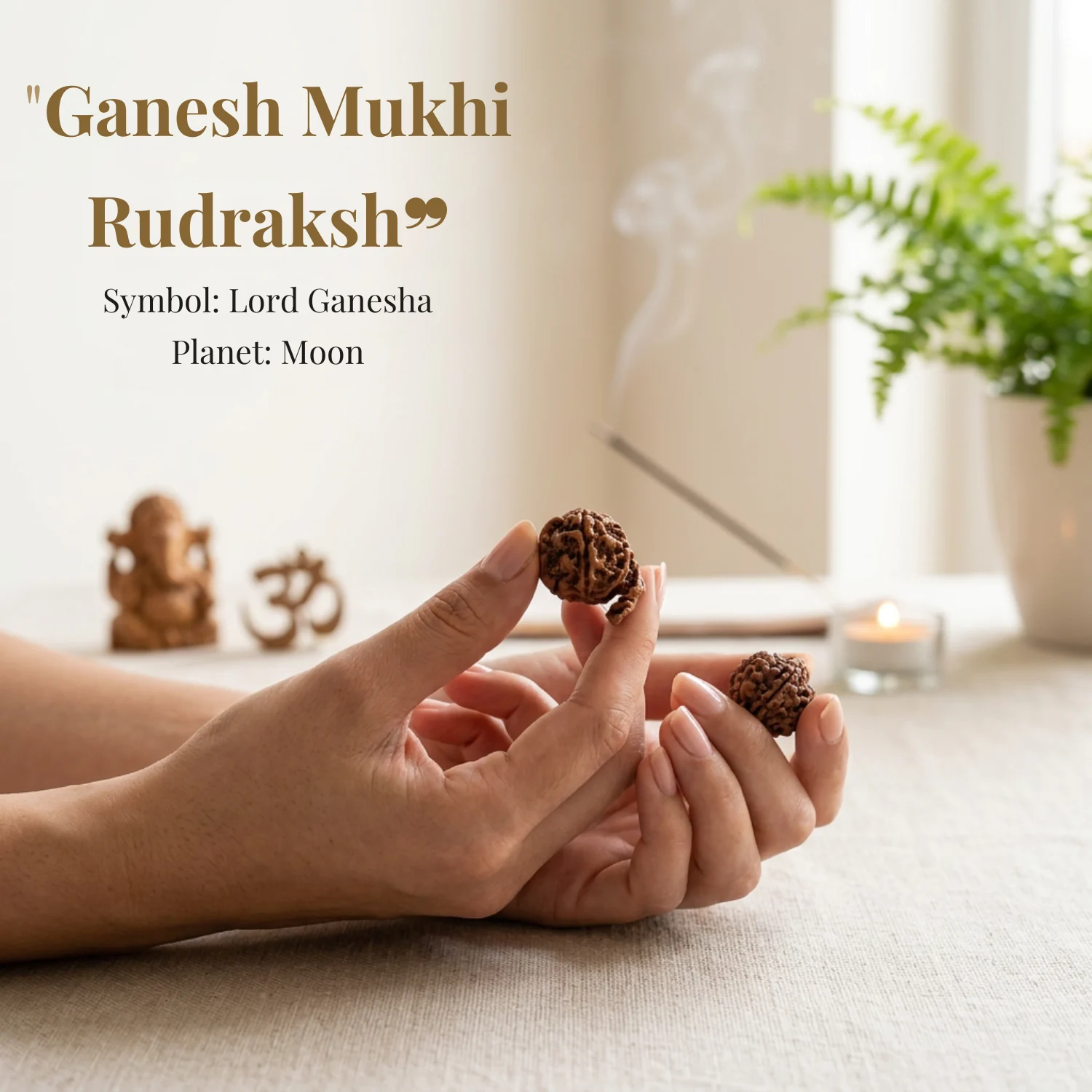
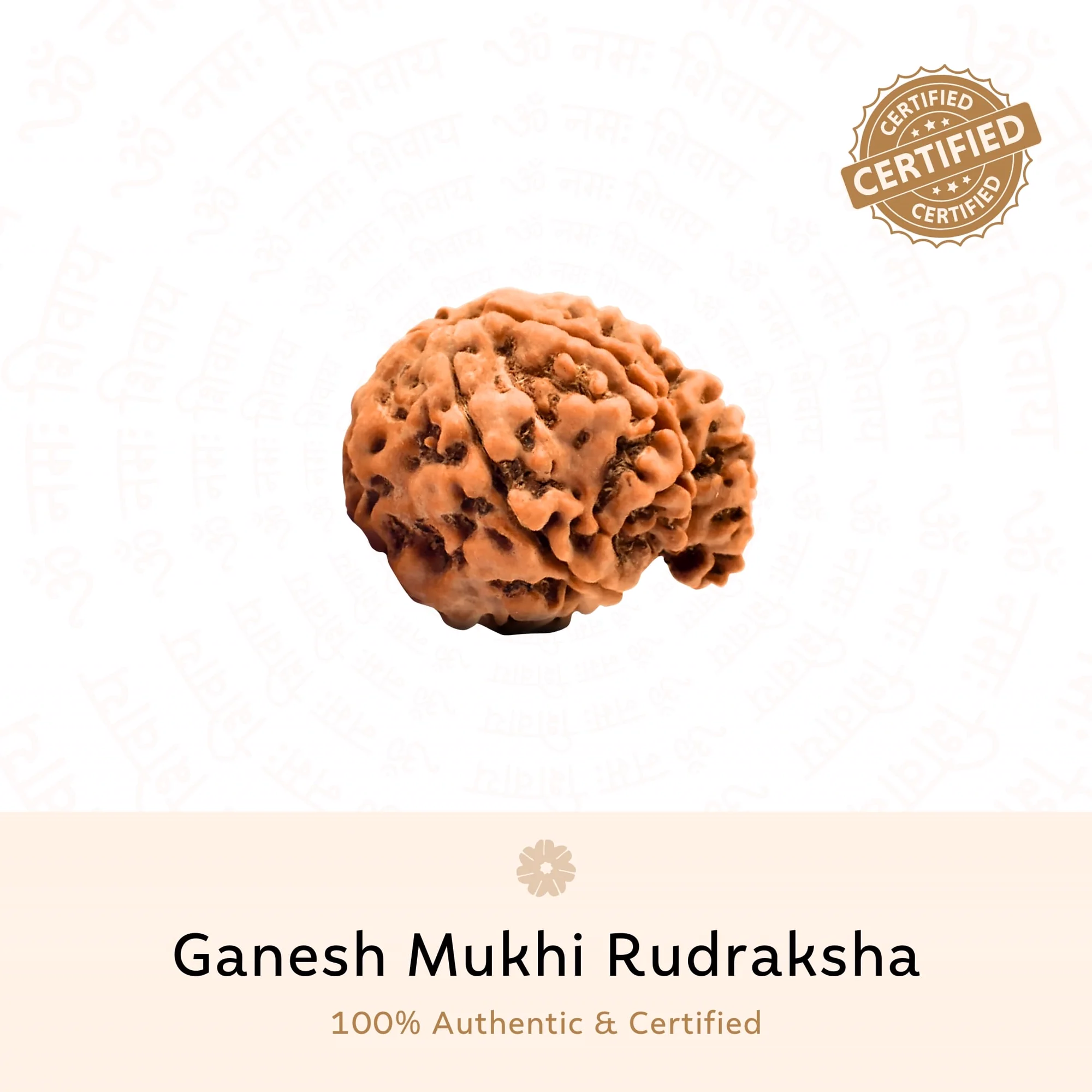
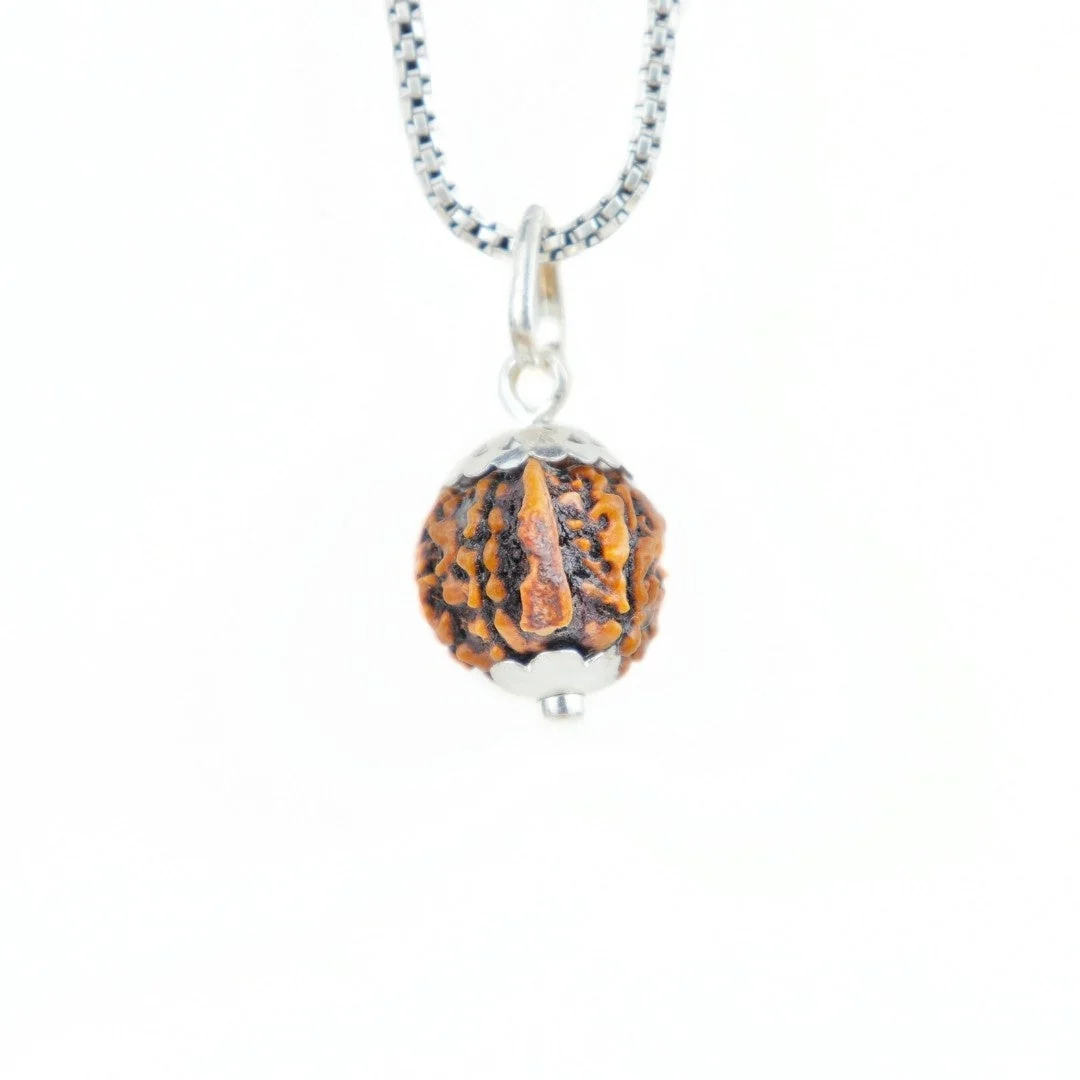
Ganesh Mukhi Rudraksha
A bead with a natural trunk-like protrusion, traditionally revered as a form of Ganesha.
21 Mukhi Rudraksha
A very rare bead traditionally associated with Kubera, the treasurer of the gods.
Traditional practice
- 7 Mukhi is traditionally worn on a Friday or Saturday; Ganesh and 8 Mukhi on a Wednesday.
- Many families keep a Rudraksha in the puja room or cash locker during Diwali and Dhanteras.
- Commonly chanted mantra for 7 Mukhi: “Om Hum Namah”.
These are spiritual and traditional associations. Rudraksha is not a substitute for medical, financial or legal advice.
Explore Rudraksha for wealth & prosperity
Frequently asked questions
Which Rudraksha is traditionally linked with wealth?
7 Mukhi (Mahalakshmi) is the most common choice; 8 Mukhi and Ganesh Mukhi (Ganesha) and 21 Mukhi (Kubera) are also traditionally associated with prosperity.
Does Rudraksha guarantee financial success?
No. Rudraksha is a spiritual and devotional item. It is not a substitute for financial planning or professional advice.
Can business owners wear 7 and 8 Mukhi together?
Yes, they are commonly combined in a pendant or bracelet.