Collector Rudraksha Guide: How to Choose, Verify and Buy Rare Rudraksha Beads
What makes a Rudraksha a collector piece, how rare high-mukhi beads differ by origin, what X-ray reports really prove, how prices are set and a step-by-step checklist before you buy.
A collector Rudraksha is a naturally rare bead — usually 15 Mukhi and above, or an unusual natural formation such as Gauri Shankar, Ganesh or Trijuti — valued for its rarity, size, clear mukhi lines and documented authenticity. Before buying one, ask for photos of the exact bead, its size in millimetres and weight, its origin (Nepal or Indonesia) and an X-ray or lab report that matches that specific bead.
Most people meet Rudraksha through a 5 Mukhi bead or a simple japa mala. A smaller group goes further: they look for the beads that appear only a handful of times in a harvest season. These are the beads collectors, serious sadhaks and families buying an heirloom ask about — and they are also the beads where the cost of a mistake is highest. This guide explains, in plain language, what to look for, what to ask, and how to avoid paying a collector price for an ordinary or altered bead.
What Makes a Rudraksha a "Collector" Bead?
There is no official grading body that labels a bead "collector grade". In the trade the term is used for beads that combine several of these qualities:
- High mukhi count: beads from 15 Mukhi upward are uncommon, and above 18 Mukhi in Nepali origin they become genuinely scarce.
- Natural special formations: Gauri Shankar (two beads naturally joined), Ganesh (a natural trunk-like protrusion), Trijuti (three joined) and Savar (a 1 Mukhi segment on a joined bead).
- Size and shape: a large, well-rounded Nepali bead with deep, evenly spaced lines is valued far above a small or flattened bead of the same mukhi.
- Clean surface: natural thorns (the raised "teeth") intact, no cracks, no holes from insects, no filled areas.
- Documentation: an X-ray or lab report that matches the specific bead, with photographs.
A bead that has a high mukhi count but fails on surface or documentation is not really a collector piece. Rarity without verification is just risk.
Nepali vs Indonesian Collector Beads
Origin matters more in the rare range than anywhere else, because the same mukhi count can differ in price by ten times or more depending on where the bead grew.
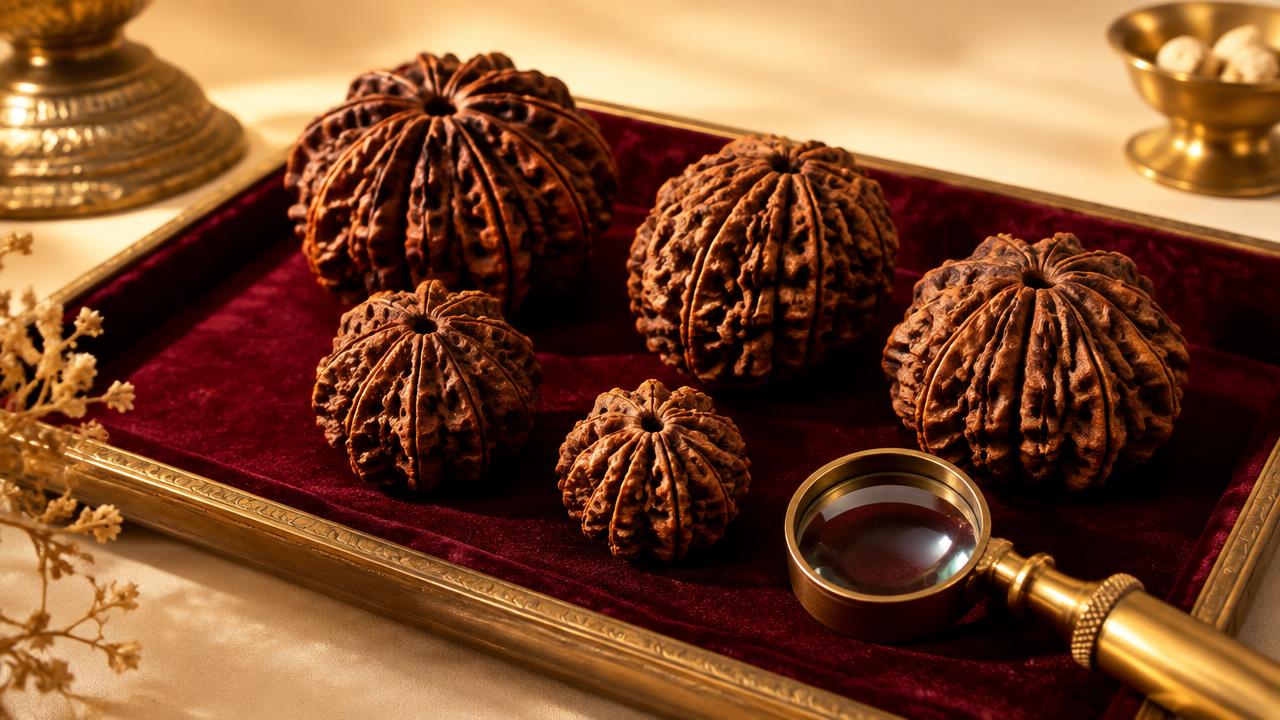
- Nepali beads are larger (often 25–40 mm for high mukhi), with deep, wide channels and pronounced thorns. High-mukhi Nepali beads are extremely limited in supply, which is why a Nepali 20 or 21 Mukhi is among the most expensive Rudraksha in the market.
- Indonesian (Java) beads are smaller and denser, with finer, shallower lines. High mukhi counts — including 22 to 27 Mukhi — occur more often in Indonesian beads, so they offer a more accessible way to own a very high-mukhi Rudraksha.
Neither origin is "fake" or "better" in a spiritual sense; both are natural *Elaeocarpus* seeds. The point is to know exactly which origin you are paying for, and to make sure the listing says it clearly. Our Rudraksha price guide shows how origin affects cost.
Collector Rudraksha by Mukhi: Traditional Associations
- 15 Mukhi: commonly linked with Pashupatinath; traditionally chosen for emotional steadiness and progress in work.
- 16 Mukhi: associated with Mahamrityunjaya (or Rama in some traditions); worn as a protective, victory-related bead.
- 17 Mukhi: linked with Vishwakarma or Katyayani; traditionally associated with building, property and fulfilling plans.
- 18 Mukhi: associated with Bhumi Devi (Mother Earth); chosen for grounding, home and land-related wishes.
- 19 Mukhi: linked with Narayana (Vishnu); associated with sustained prosperity and family wellbeing.
- 20 Mukhi: associated with Brahma; regarded as a bead of knowledge and creation.
- 21 Mukhi: linked with Kubera; the most celebrated high-mukhi bead, associated with abundance.
- 22–27 Mukhi (mostly Indonesian): associations vary widely between sellers; buy these primarily for their rarity, not for a specific promised effect.
- Gauri Shankar: Shiva and Parvati together — associated with harmony in relationships. Read our Gauri Shankar Rudraksha guide before buying, as joined beads are often glued.
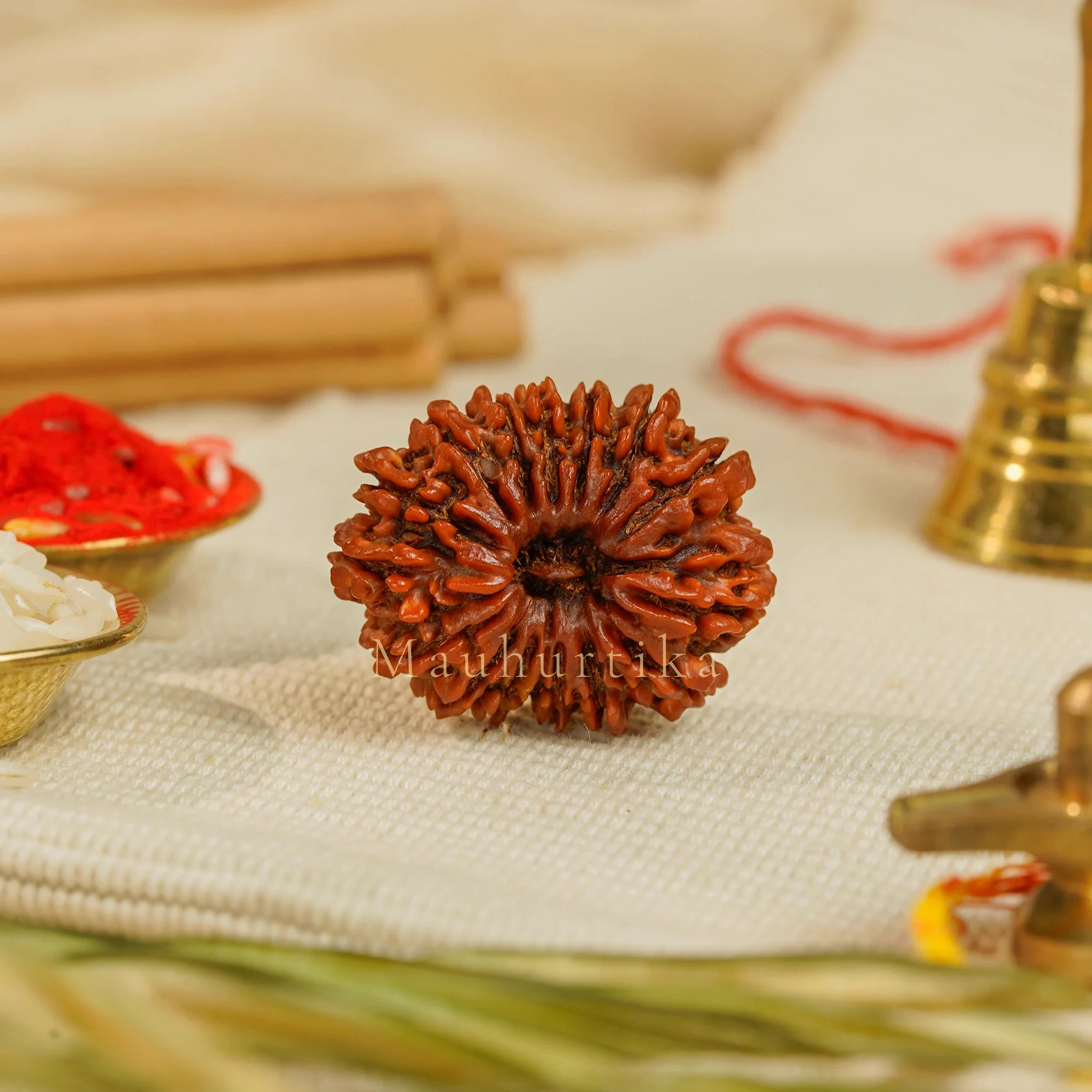
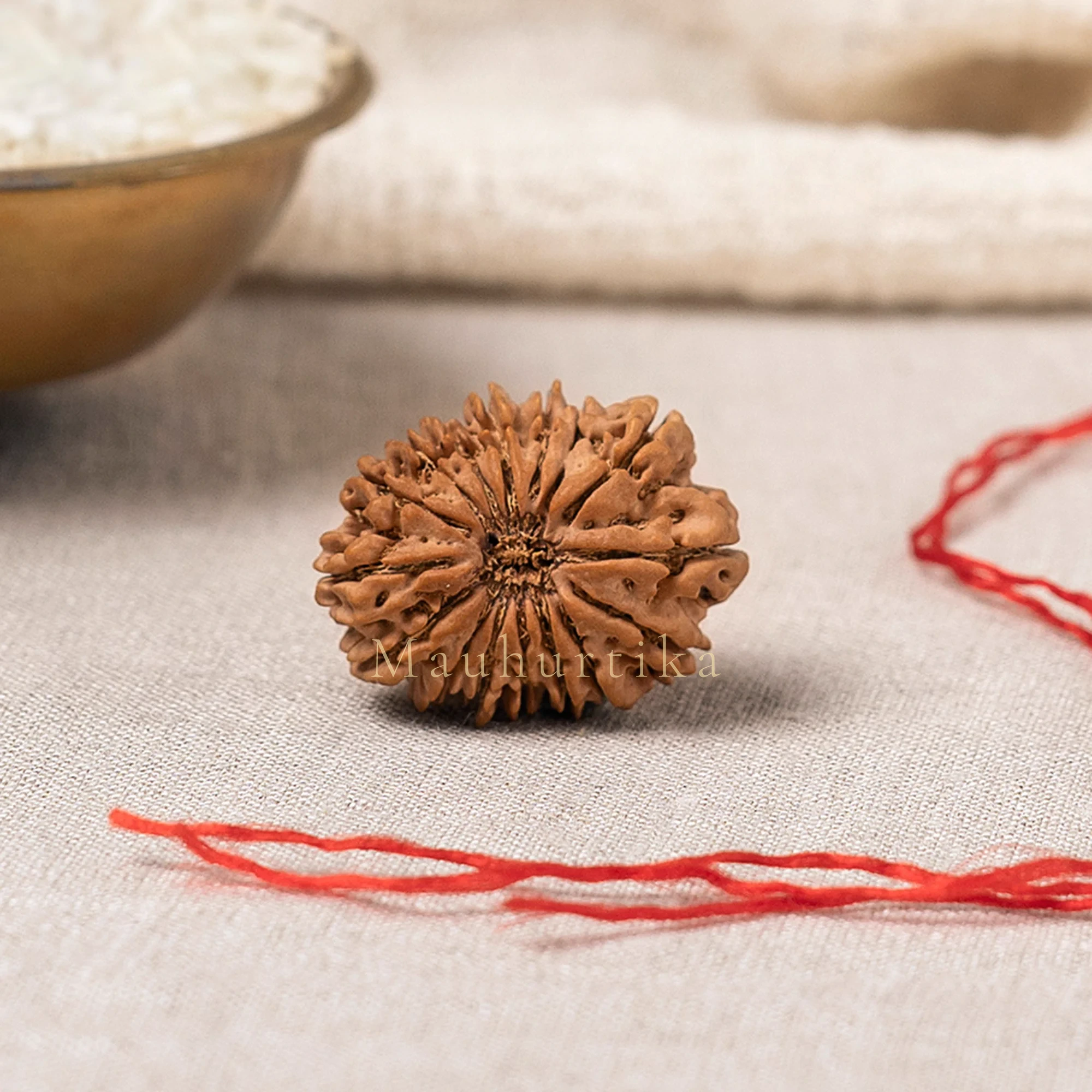
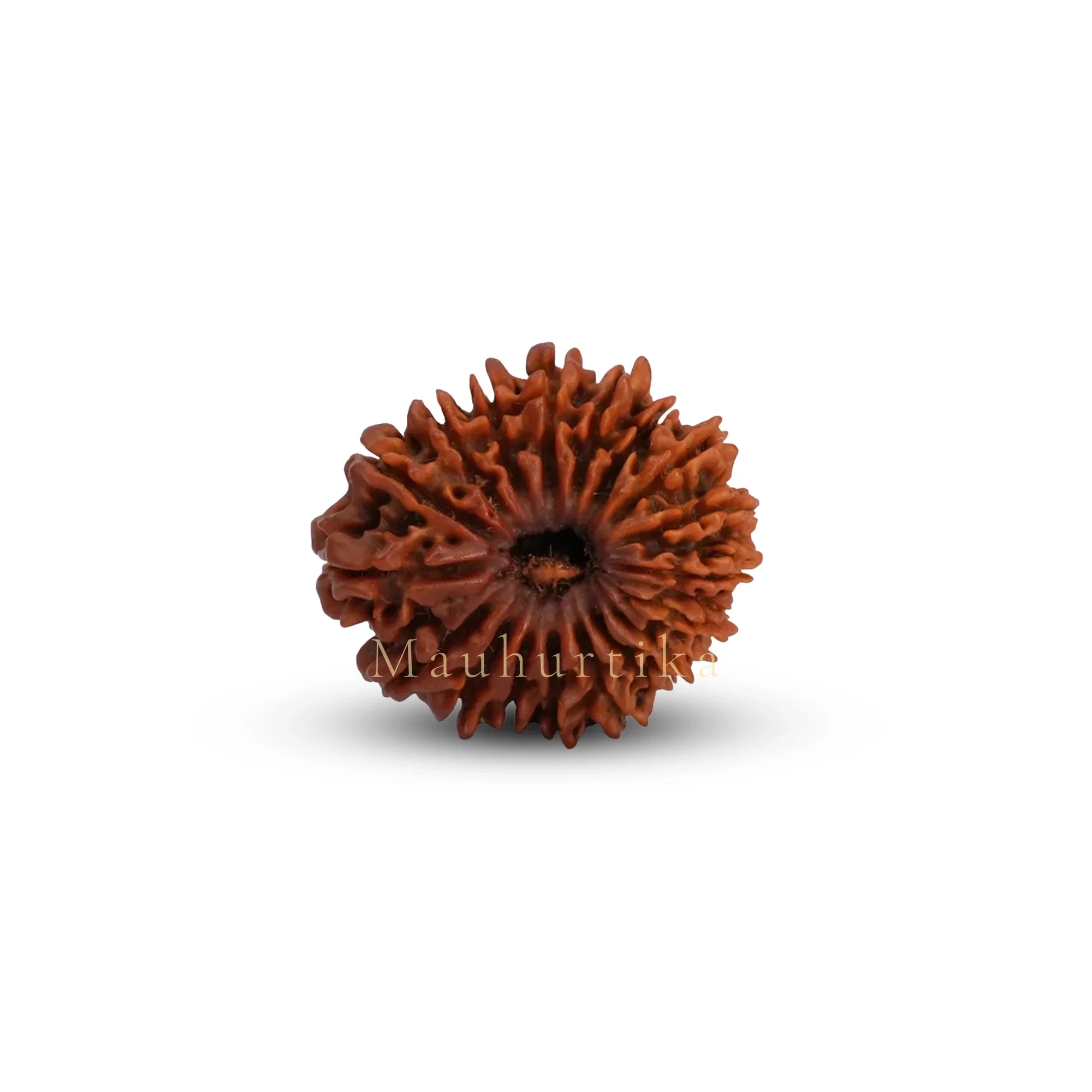
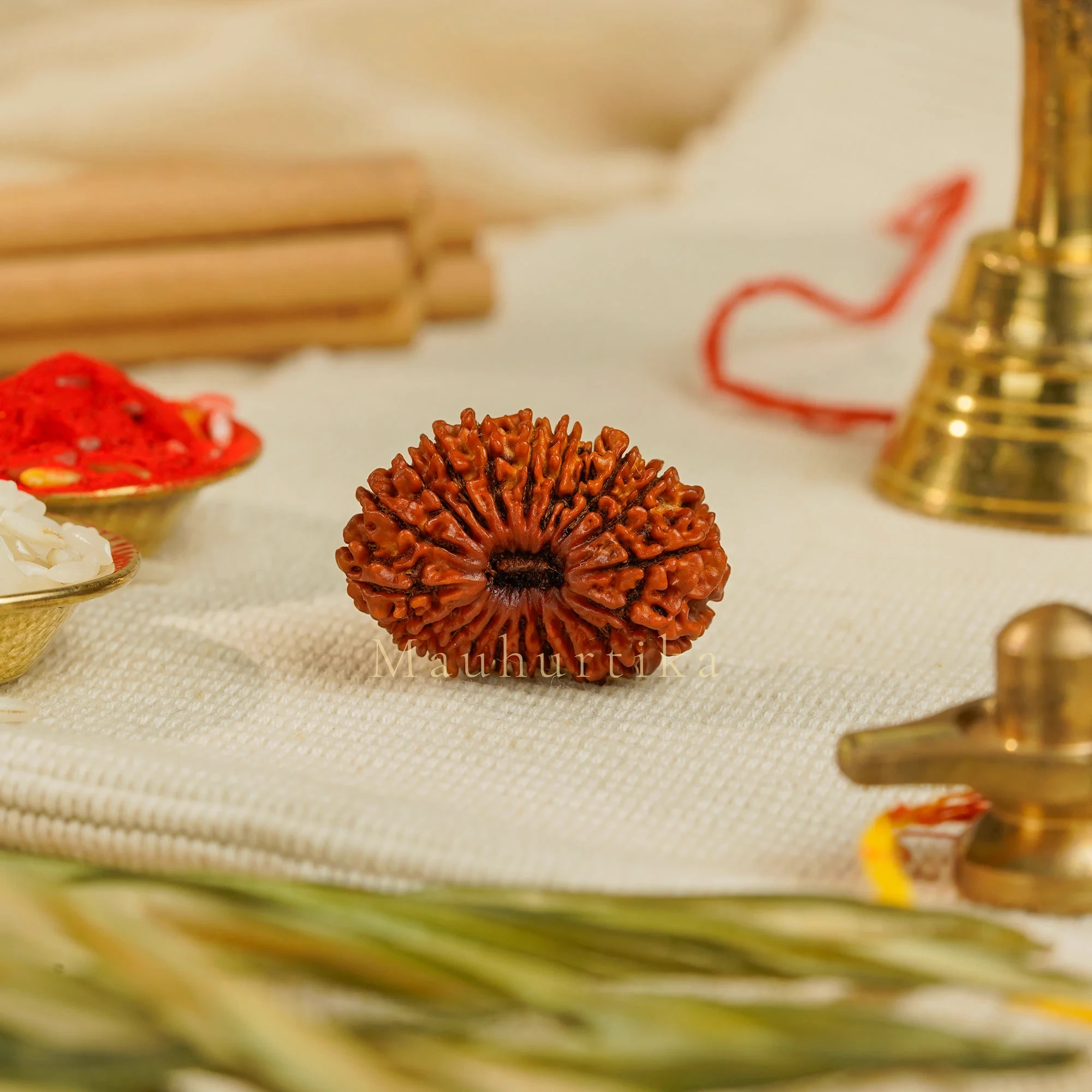
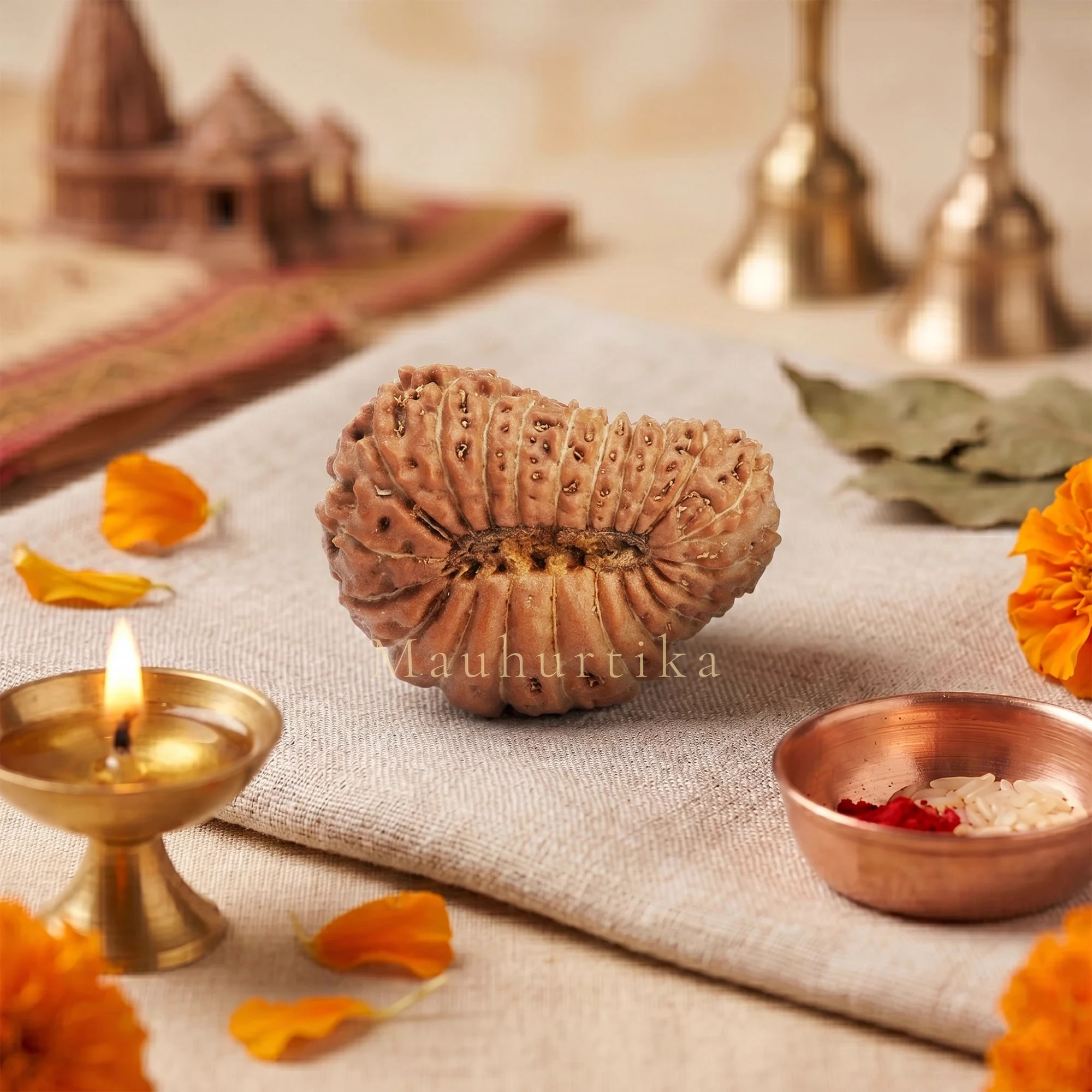
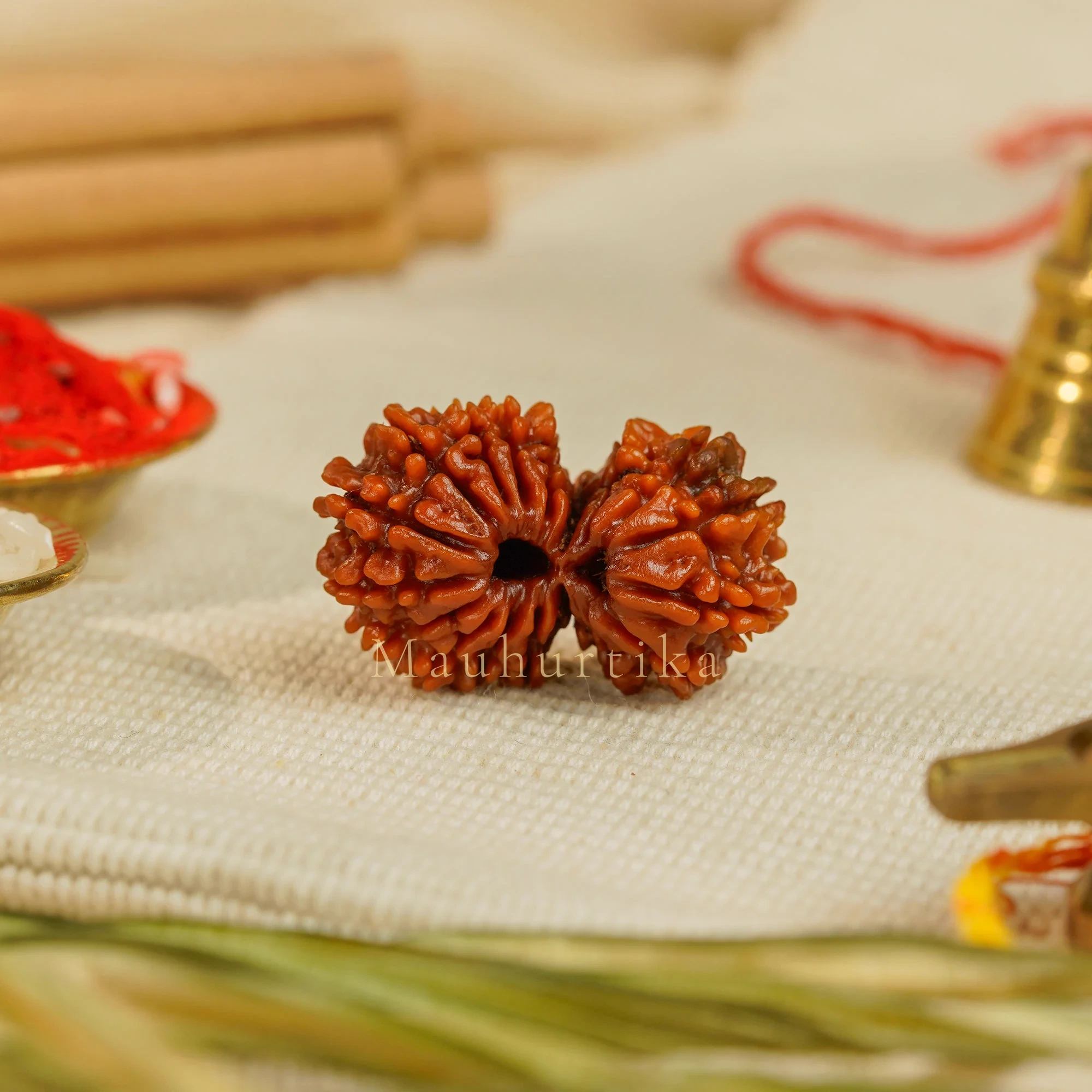
18 Mukhi Gauri Shankar Rudraksha – Original Nepali Collector Bead
How Collector Rudraksha Is Priced
Collector prices can look arbitrary, but they follow a fairly consistent logic. In order of impact:
- Mukhi count and origin together: a Nepali 21 Mukhi and an Indonesian 21 Mukhi are different products, not the same bead in two sizes.
- Size: for Nepali beads, every few millimetres can change the price significantly.
- Line clarity: all mukhis clearly visible from top to bottom, without a line that disappears halfway.
- Surface: unbroken thorns, no cracks, natural colour without heavy dyeing.
- Documentation and seller reputation.
On our own catalogue, for example, Indonesian 15 Mukhi beads start around ₹15,000 while large Nepali 20 and 21 Mukhi beads run into lakhs. Always compare like with like: same origin, similar size, similar documentation. A rare bead offered far below market rate is a warning, not a bargain.
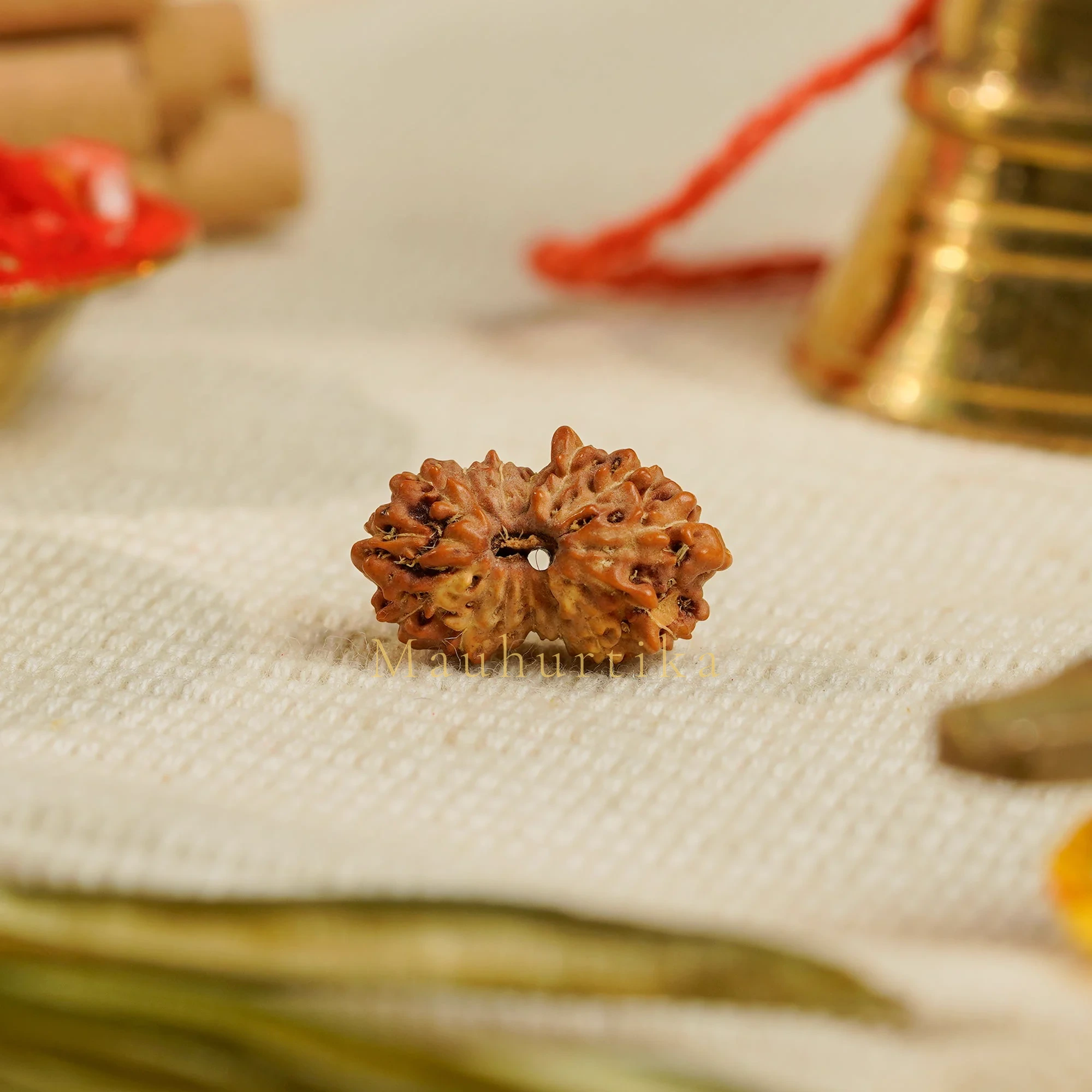
15 Mukhi Rudraksha – Original Indonesian (Java) Collector Bead
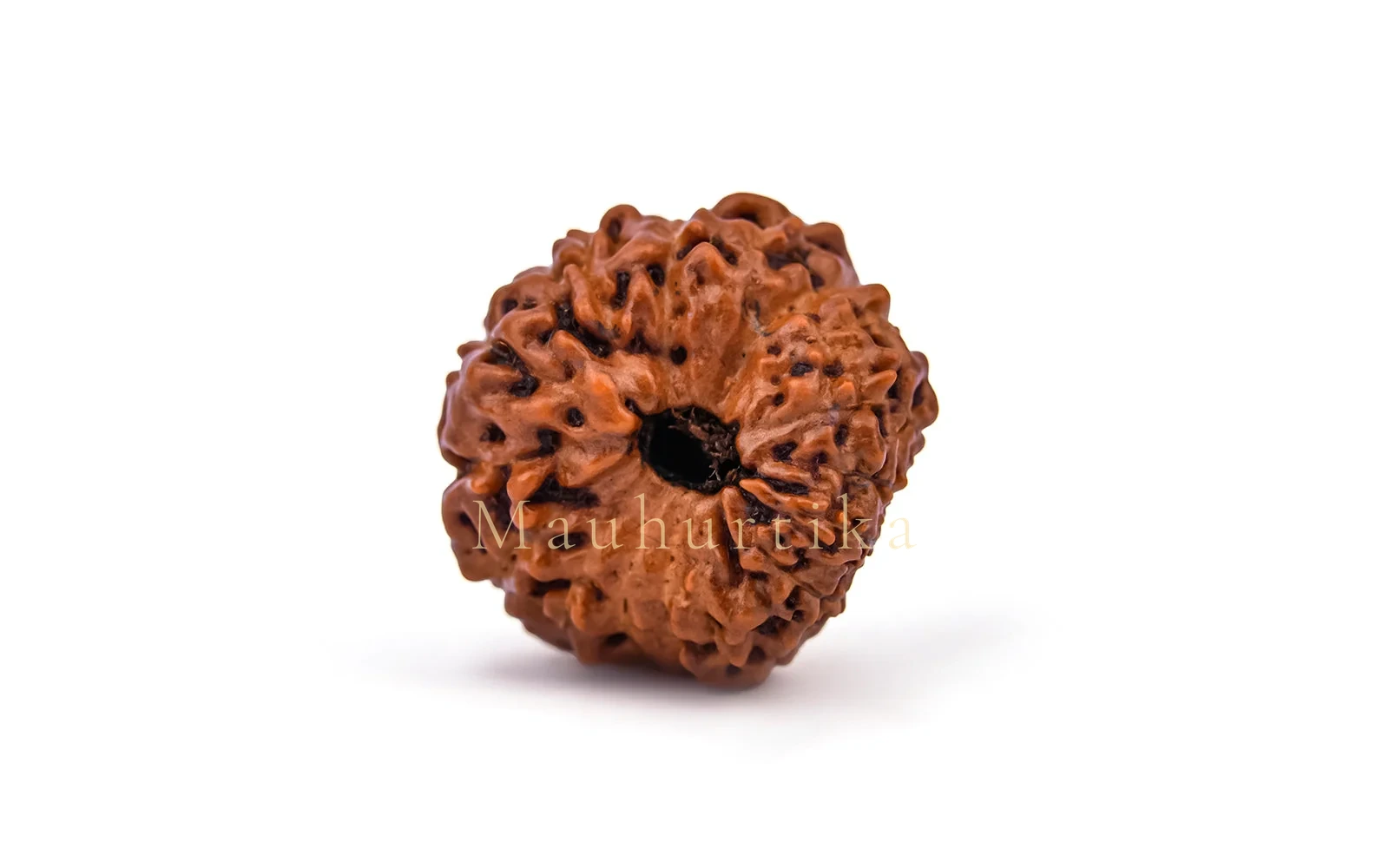
16 Mukhi Rudraksha – Original Indonesian (Java) Collector Bead
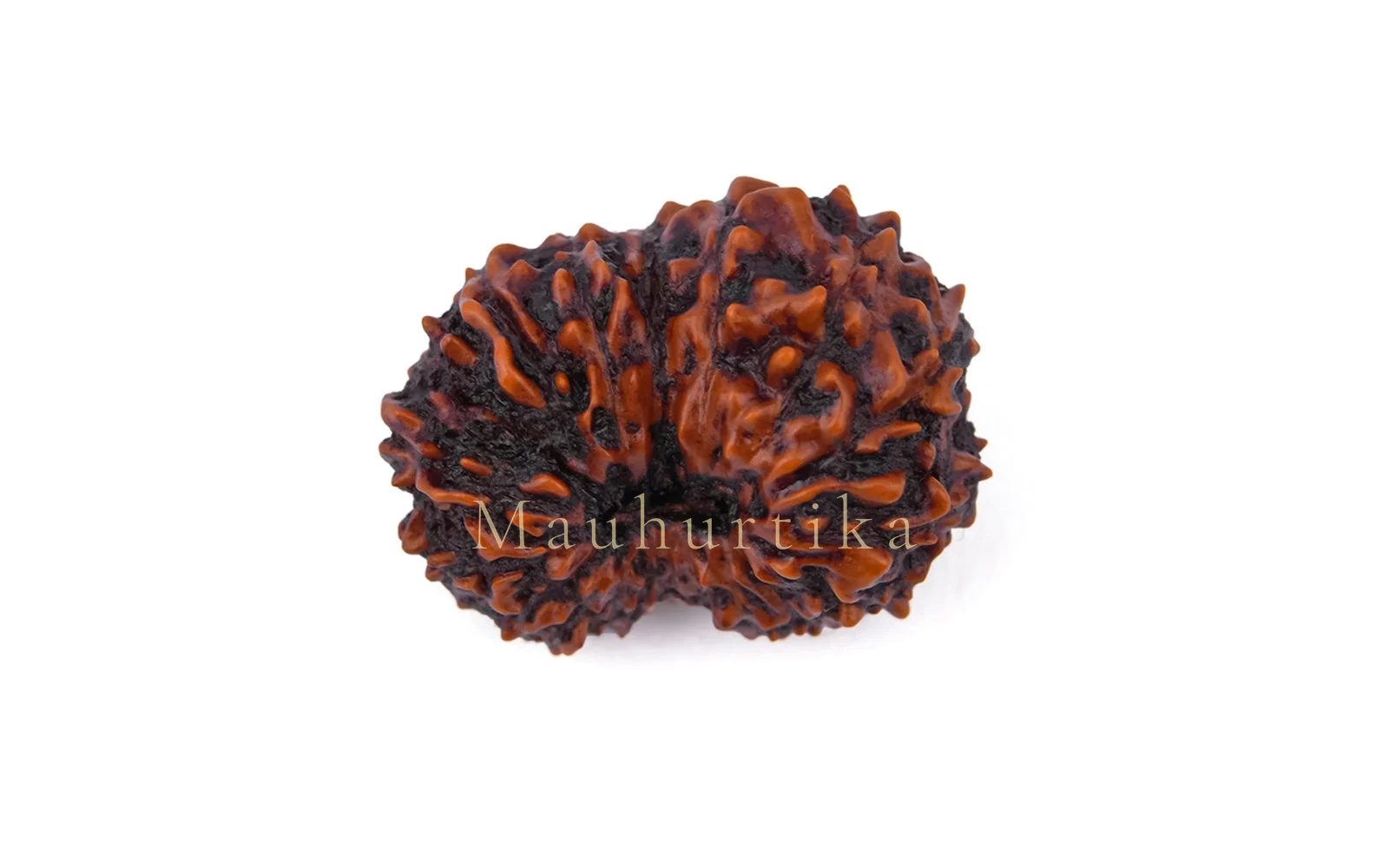
17 Mukhi Rudraksha – Original Indonesian (Java) Collector Bead
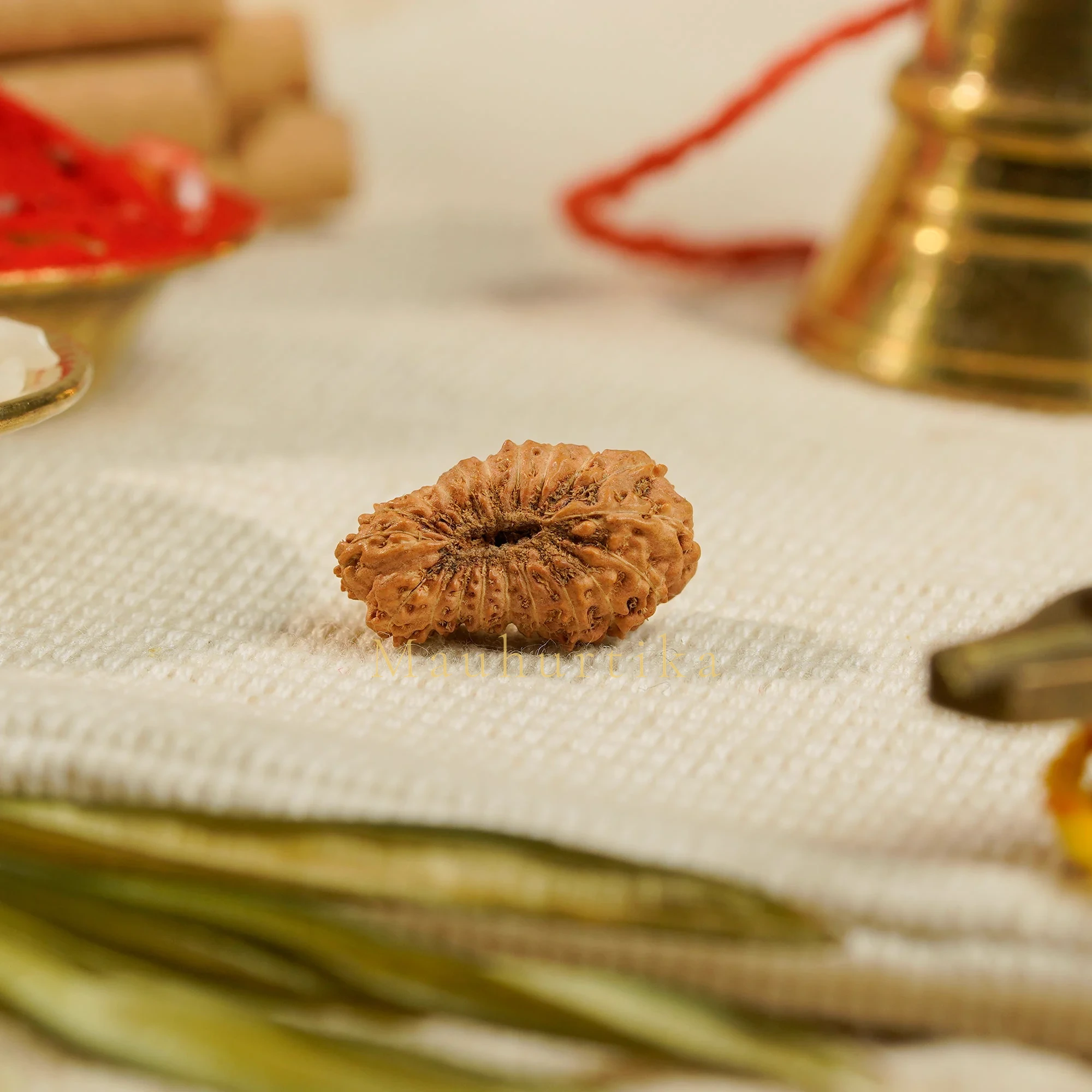
20 Mukhi Rudraksha – Original Indonesian (Java) Collector Bead
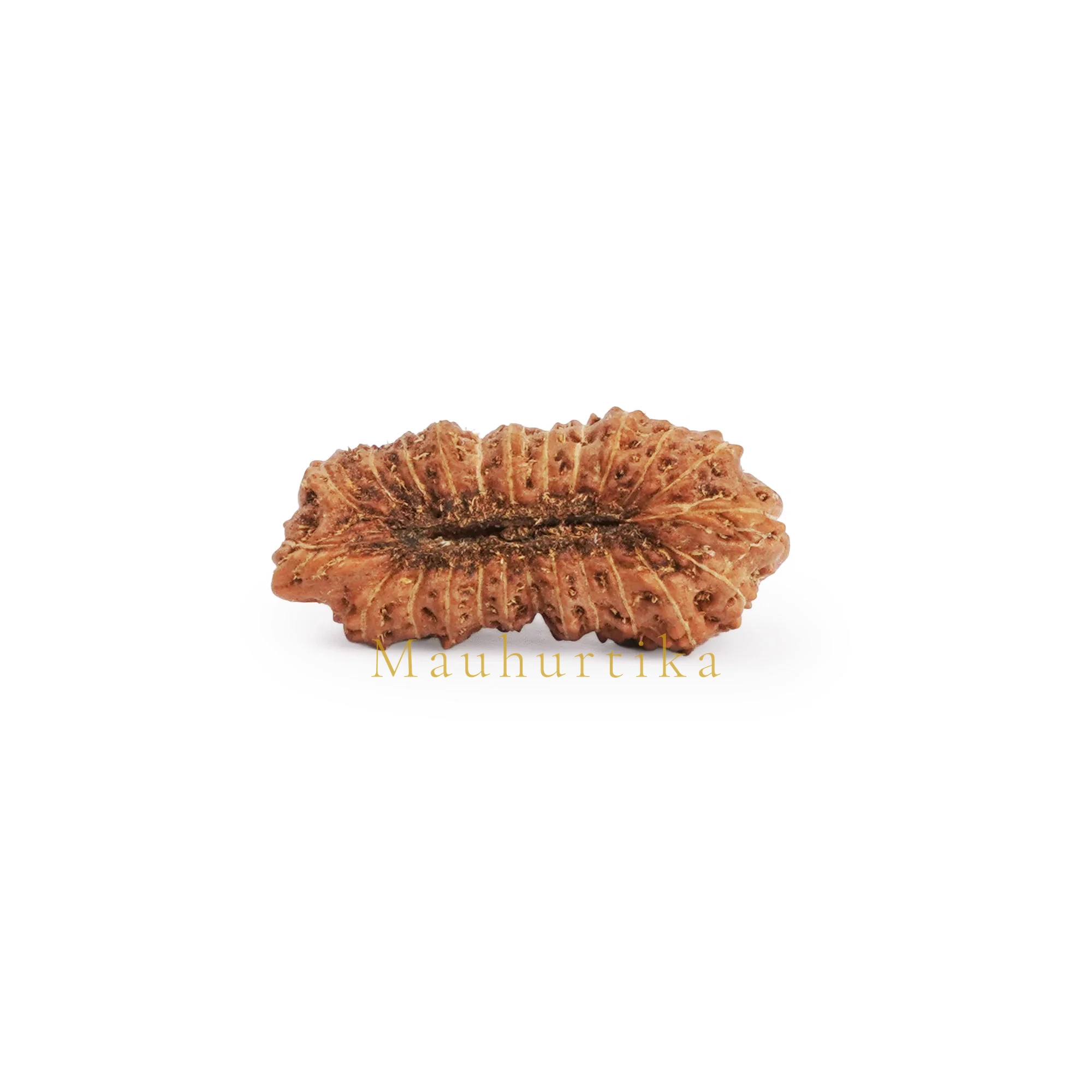
24 Mukhi Rudraksha – Original Indonesian (Java) Collector Bead
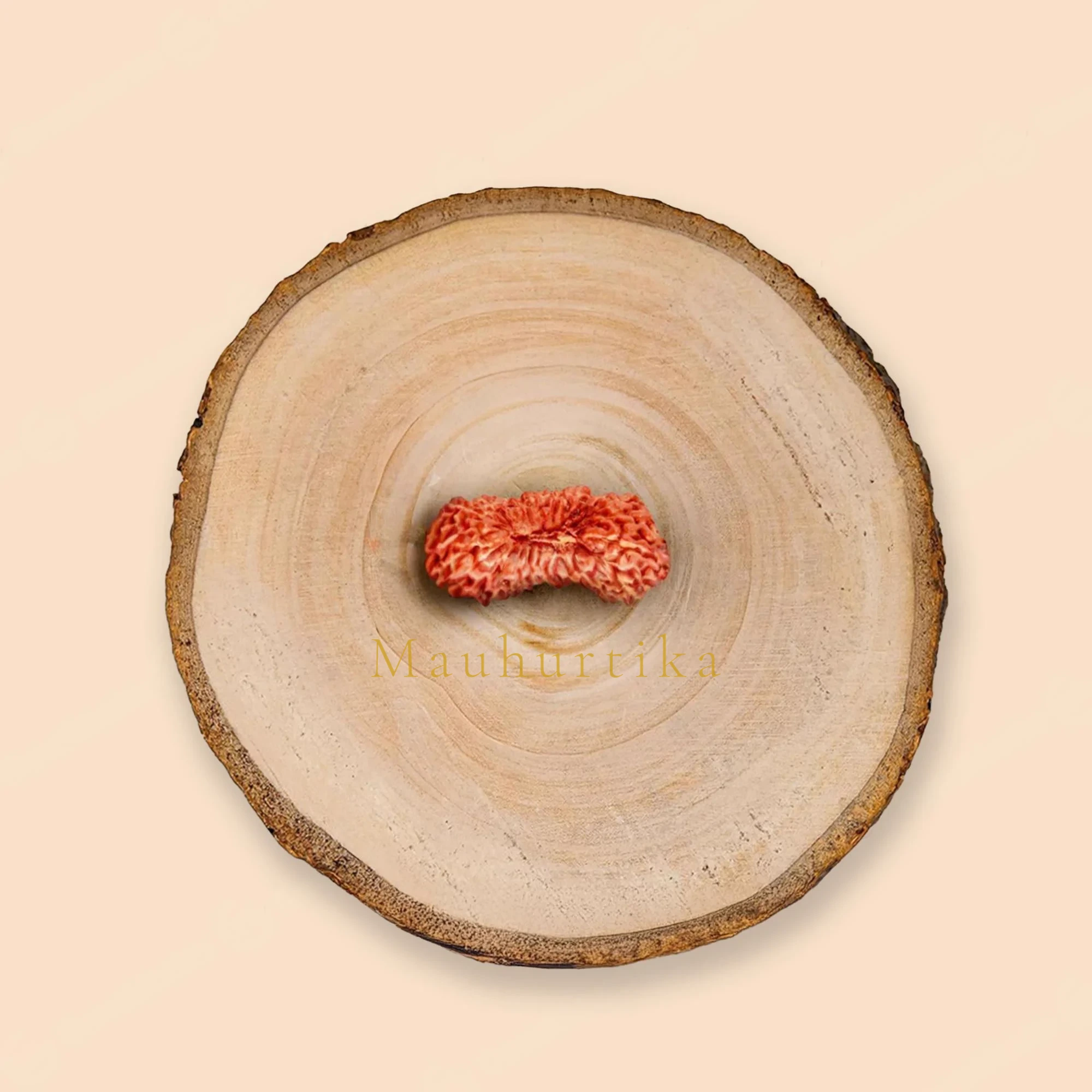
27 Mukhi Rudraksha – Original Indonesian (Java) Collector Bead
The Biggest Risks in the Rare Rudraksha Market
High prices attract manipulation. The most common problems collectors meet are:
- Carved extra lines: an artificial groove cut into a lower-mukhi bead to raise the count. Look for lines that are unusually sharp, straight or that do not reach both poles.
- Glued or joined beads: two beads or pieces bonded to create a Gauri Shankar, Trijuti or Ganesh. Check the joint under magnification and in an X-ray.
- Filled cracks and holes: resin or paste used to hide damage, often followed by dark oiling to disguise the repair.
- Bhadraksha substitution: seeds from a different tree passed off as Rudraksha.
- Mismatched certificates: a genuine report for one bead attached to a different bead.
Water tests, copper coin tests and "spinning" tests cannot detect any of these. Our article on how to identify fake Rudraksha explains why.
What an X-ray or Lab Report Can — and Cannot — Prove
For a rare bead, an X-ray is the single most useful piece of evidence. It shows the internal seed compartments; in a genuine bead, the number of compartments generally corresponds to the number of mukhis. It can also reveal glued joints or filled areas.
But a report is only as good as its match to the bead. Check that:
- the report photograph shows the same bead (compare thorns, marks and shape);
- the size and weight on the report match what the seller states;
- the issuing laboratory is named and contactable.
A report does not prove spiritual potency, energisation or any promised effect. Learn more on our Rudraksha certificate page.
Step-by-Step Checklist Before Buying a Collector Bead
1. Decide your purpose: personal sadhana, astrological recommendation, heirloom or pure collection. This tells you whether you need a specific mukhi or simply the finest bead within a budget.
2. Fix the origin you want — Nepali or Indonesian — before comparing prices.
3. Ask for photographs and a short video of the exact bead, from top, bottom and all sides.
4. Ask for size (mm) and weight (g).
5. Ask for the X-ray or lab report for that bead, and compare it with the photos.
6. Count the lines yourself in the video, following each from pole to pole.
7. Ask about return terms in writing if the bead fails an independent test.
8. Keep every message, photo and report — they form the bead's provenance if you ever pass it on.
At Mauhurtika we encourage exactly these questions. For any rare bead, message us on WhatsApp and we will share what is available for that specific piece before you pay.
Wearing, Keeping and Caring for a Collector Bead
Many collectors do not wear their rarest beads daily. Common options are:
- Pendant with a silver or gold cap — protects the poles, the most fragile part of the bead. Our Rudraksha Gold collection offers made-to-order capping.
- Altar or puja box — kept with other sacred items and worn on special days.
- As part of a Siddha Mala — a full set of mukhis in one strand; see the Siddha Mala collection.
Care is simple: keep the bead dry, avoid soap, perfume and chemicals, brush it gently with a soft brush to clear dust from the lines, and apply a light coat of natural oil occasionally if it looks dry. Store it away from direct heat.
Is a Collector Rudraksha Right for You?
If you are new to Rudraksha, a 5 Mukhi bead or mala is a perfectly complete start, and tradition considers it suitable for almost everyone. Collector beads make sense when you have a clear reason — a recommendation from your astrologer, a long-standing devotion, or a wish to preserve something rare for your family. If you are unsure which bead suits your birth chart, our free Rudraksha consultation can help, with no obligation to buy.
Frequently Asked Questions
Q.What is a collector Rudraksha?
A collector Rudraksha is a naturally rare bead, typically 15 Mukhi and above or a special formation such as Gauri Shankar, Ganesh or Trijuti, valued for rarity, size, clear lines and verified authenticity.
Q.Which is the rarest Rudraksha?
Among commonly traded beads, high-mukhi Nepali beads such as 20 and 21 Mukhi and a genuine round 1 Mukhi Nepali bead are considered the rarest. Very high counts like 25–27 Mukhi occur mostly in Indonesian beads.
Q.Why is a Nepali 21 Mukhi so much costlier than an Indonesian 21 Mukhi?
Nepali high-mukhi beads are larger, have deeper lines and appear far less often in harvests. Indonesian beads of the same count are smaller and more frequent, so they cost considerably less.
Q.Is an X-ray report enough to trust a rare bead?
It is the most useful evidence, but only if the report clearly matches the exact bead — same photo, size and weight — and comes from a named laboratory. It does not prove any spiritual effect.
Q.Can I wear a collector Rudraksha every day?
You can, but many owners cap the bead in silver or gold to protect it, or keep it on the altar and wear it on special occasions to avoid wear on the lines and thorns.
Q.Do collector Rudraksha beads guarantee wealth or success?
No. Their traditional associations are matters of faith. No bead can guarantee wealth, health or success, and any seller promising that should be treated with caution.
Q.How do I buy a rare Rudraksha from Mauhurtika?
Open the product page, then message us on WhatsApp for photos, a video, size, weight and available documentation for that exact bead before ordering.