9 Mukhi Rudraksha: Meaning, Wearing & Buying Guide
9 Mukhi Rudraksha explained: Durga traditions, wearing practices, natural lines, origin, documentation and how to compare live bead options.
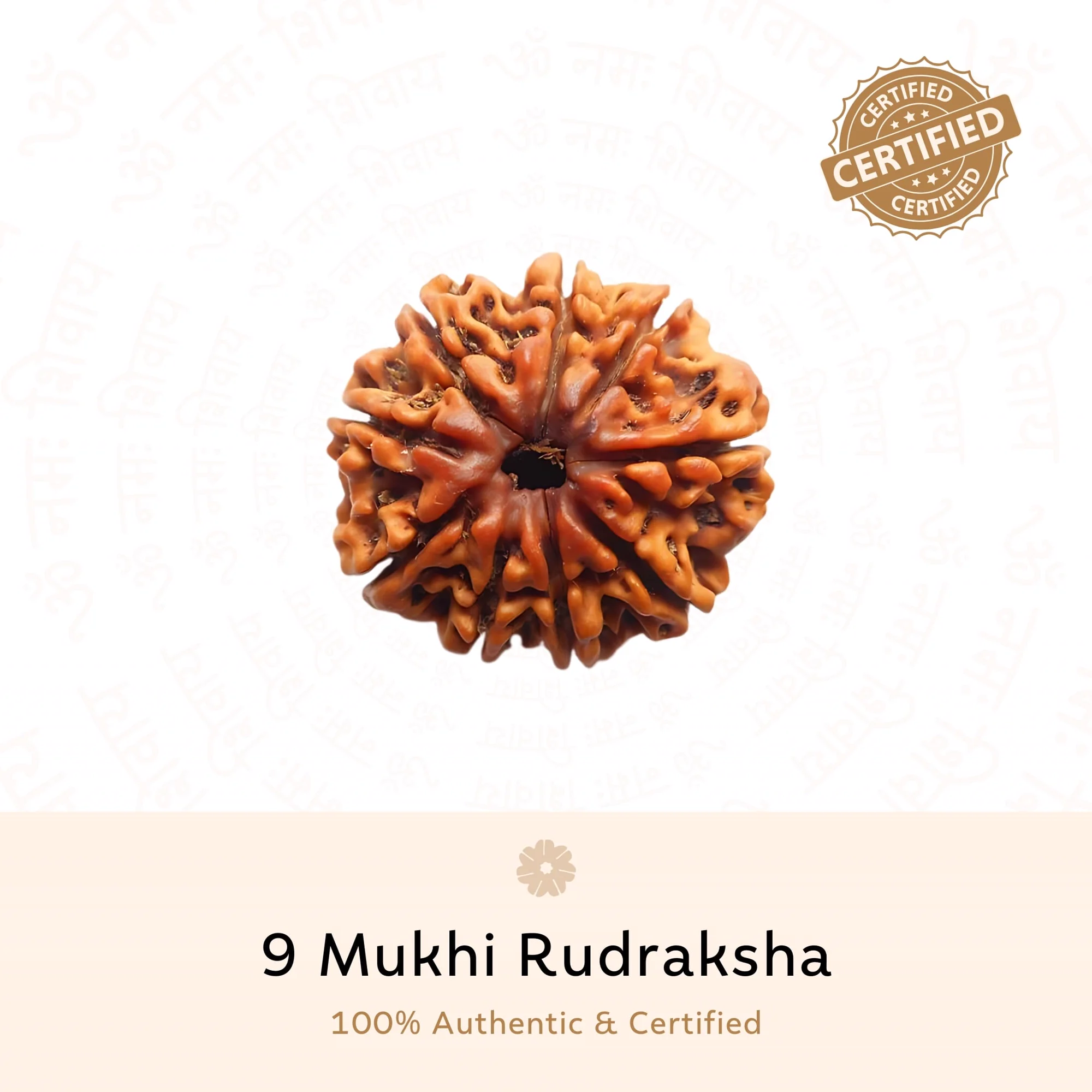
A 9 Mukhi Rudraksha is described by nine natural longitudinal divisions on a single bead. In some devotional traditions it is associated with Goddess Durga and her nine forms. People choose it as a reminder of courage, discipline and prayer; these are religious interpretations, not guaranteed results. Before buying, separate the meaning of the bead from the evidence for the specimen in front of you.
What nine mukhis actually means
Mukhi means face or division in this context. Examine the natural grooves around the bead rather than counting raised bumps or decorative carving. A clear full rotation is more informative than a single front photograph. Where the divisions become difficult to follow near the poles, ask for close-ups and an explanation of the count. A seller's title alone is not independent authentication.
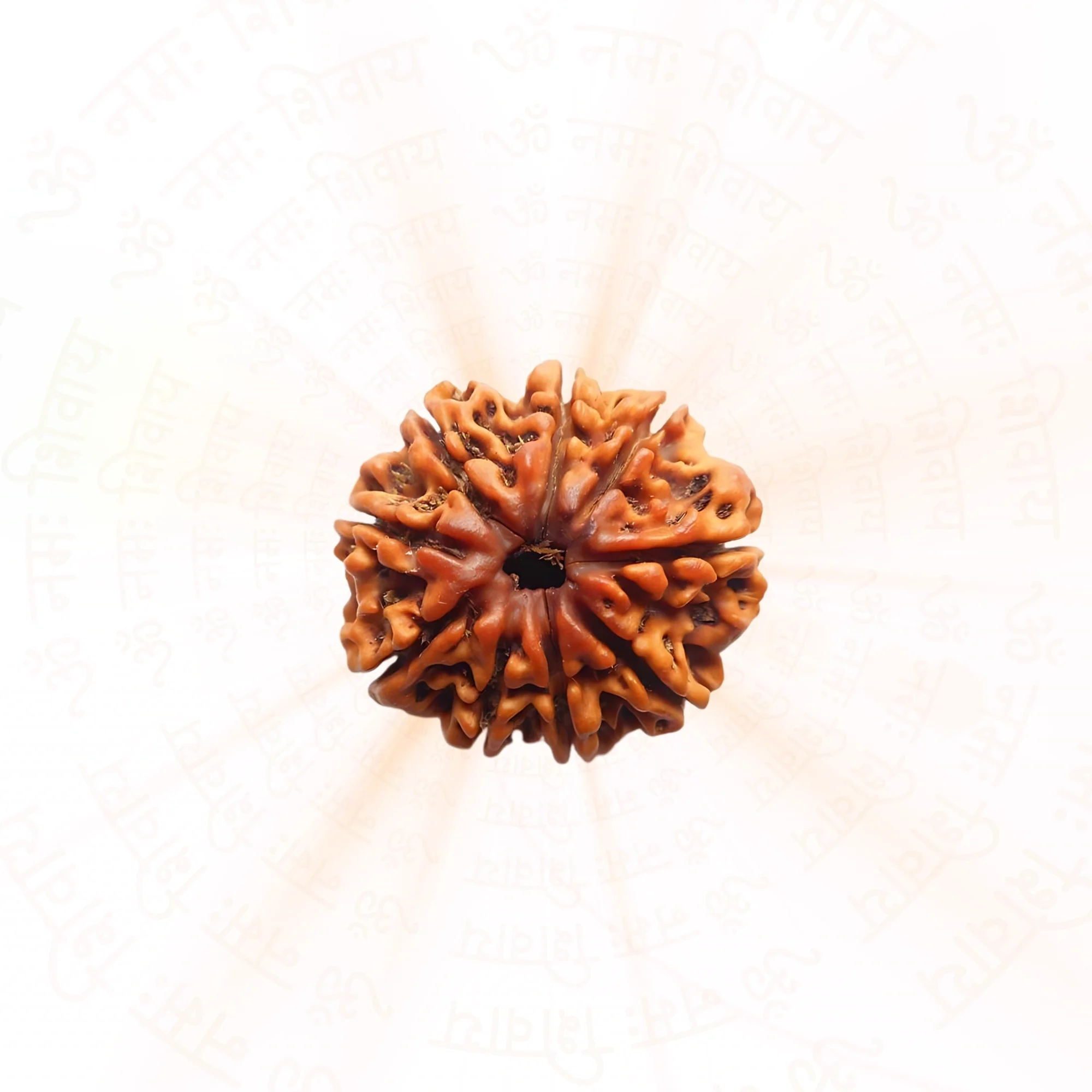
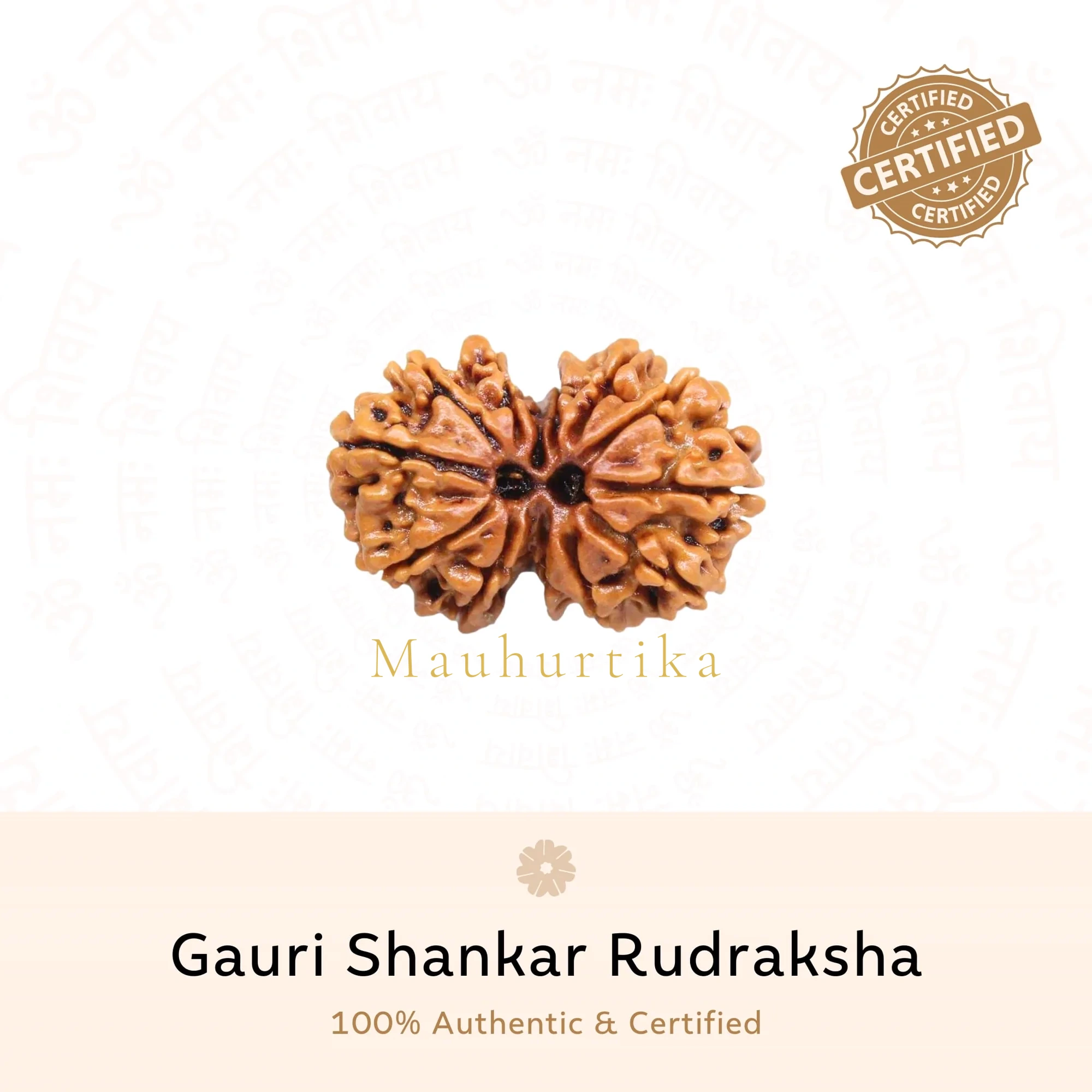
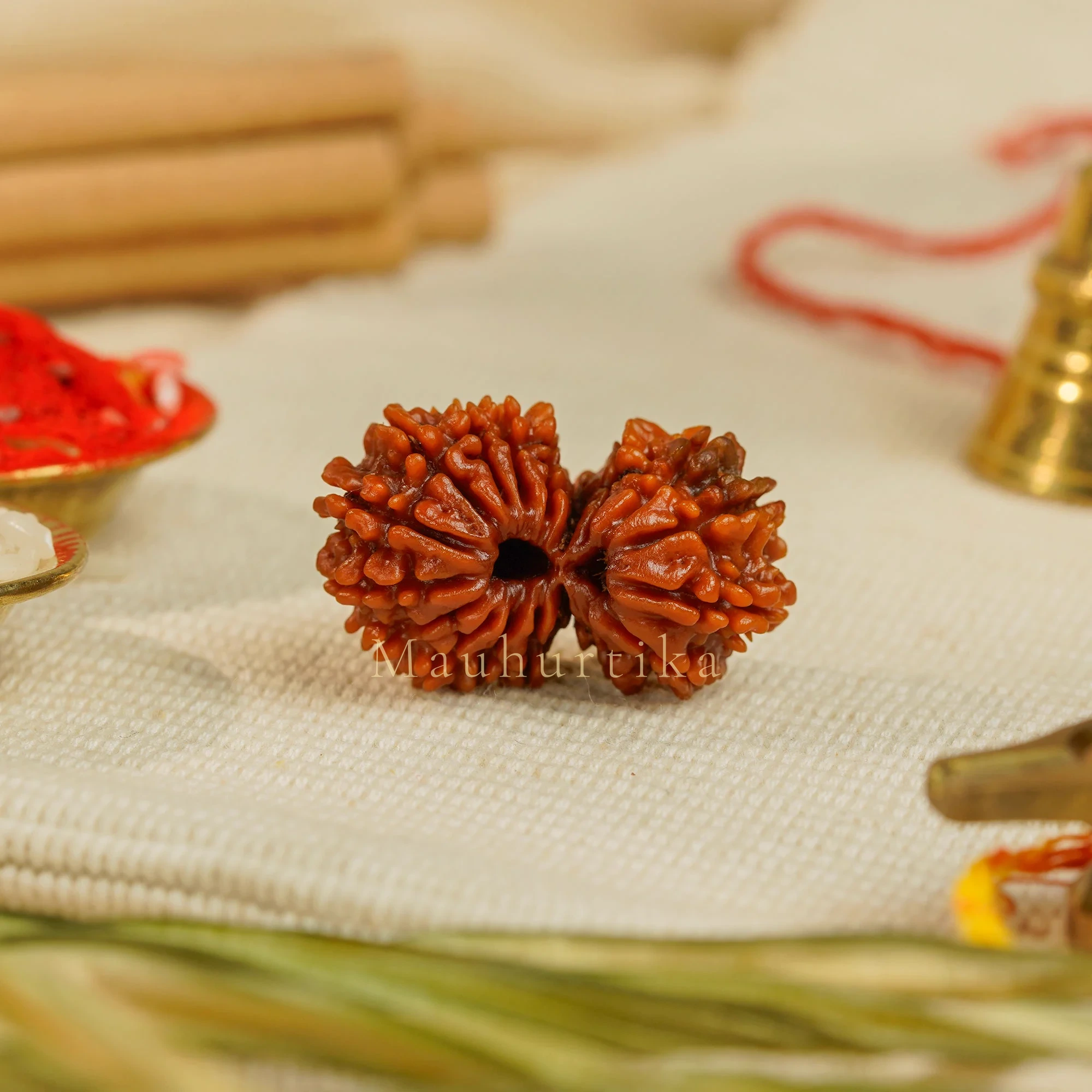
A nine-mukhi single bead is not the same product as a Gauri Shankar whose two halves are described using a total of nine. Nor does nine beads on a bracelet make each bead nine-mukhi. Ask the seller to state whether the number describes a single seed, a joined formation or the number of beads in a strand.
Durga symbolism without promises
Devotees may connect the nine divisions with the Navadurga forms and use the bead during worship. This association can support a personal practice of reflection, courage and consistency. It cannot establish that wearing a bead prevents accidents, removes illness or ensures a particular event. Different teachers may explain deity associations and mantras differently; a commercial chart is not a universal religious rule.
If you already follow Durga worship, ask your teacher how a Rudraksha fits that practice. If you do not, you need not adopt unfamiliar rituals just because an advertisement says they are required. Meaning comes from your chosen tradition rather than the cost of the bead.
Comparing Nepal and Indonesia listings
Compare actual measurements, photographs and origin information. Nepali specimens are often marketed with larger, more prominent surface features, while Indonesian specimens may be smaller; individual beads vary. Size does not measure spiritual effectiveness. Ask whether a photograph shows the supplied specimen or a representative example, especially when buying a loose collector bead.
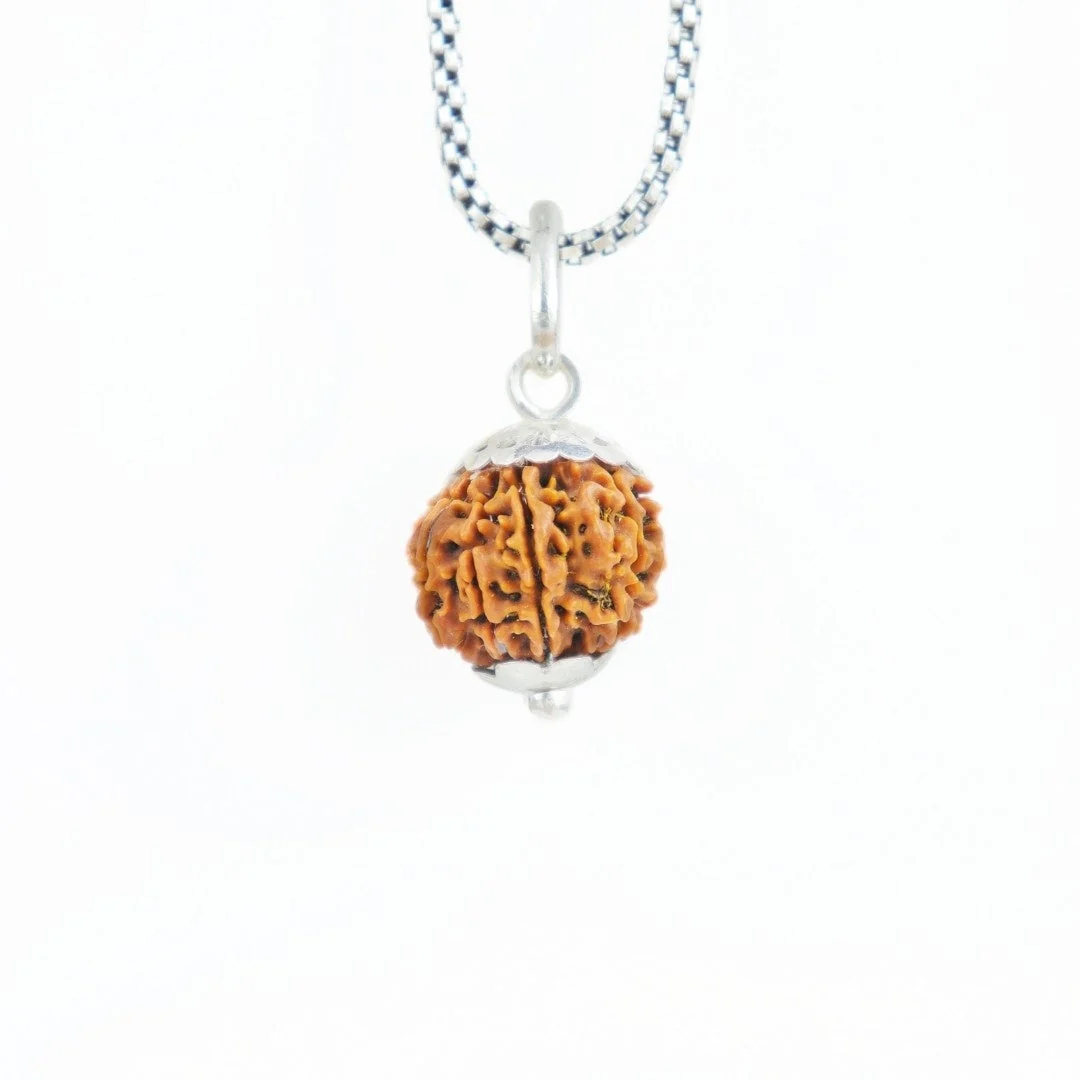
Your decision should account for how you will use it. A large bead can be interesting to inspect but less comfortable beneath clothing. For a pendant, ask about the total mounted weight, thread length, metal and whether the bead can be removed for care. An elaborate mount is not evidence that the seed is genuine.
A useful verification request
- Ask for daylight photographs from the front, back and both poles.
- Request a short rotating video with a scale beside the bead.
- Ask whether an individual report is available and what it actually verifies.
- Match photographs or identifiers on any report to the supplied specimen.
- Confirm price, mounting charges and the applicable return terms before paying.
A report may describe physical structure; it does not certify divine power or health benefits. Do not rely on floating, sinking, coin movement or an internet water test. These informal demonstrations do not establish a reliable nine-mukhi count or geographic origin.
First wearing and everyday care
Choose a comfortable thread or suitable mount. Many devotees begin on a Monday or a day meaningful to their worship, but customs vary. A quiet prayer or familiar mantra can be part of your observance without turning it into a mechanical requirement. Our first-wearing day guide explains the choices.
Avoid prolonged soaking, detergents, perfume and hard scrubbing. Let the bead dry after gentle cleaning and inspect its thread periodically. Remove a pendant when it rubs skin, catches on clothing or interferes with activity. Follow the care instructions for the actual finish rather than assuming every seed and mount tolerates the same treatment.
Explore available 9 Mukhi options
The cards below read current prices and availability from the catalogue. Compare the loose 9 Mukhi bead with a mounted option according to fit and documentation, not promised outcomes. For general authenticity questions see the Rudraksha buying guide and ask Mauhurtika about the particular specimen before purchasing.
Frequently asked questions
Related guides
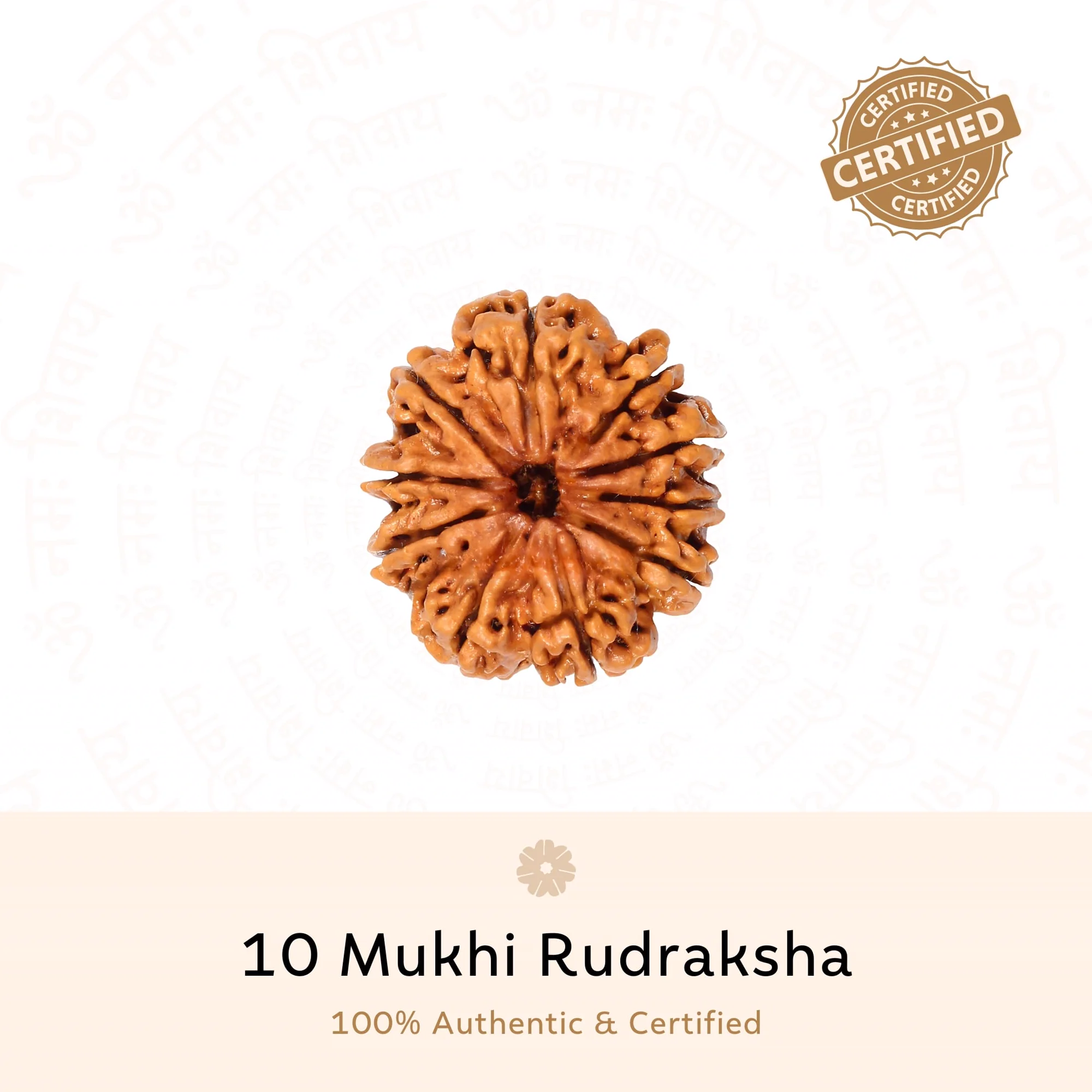
Read the 10 Mukhi selection guide, Gauri Shankar guide and wearing-day guide. For textual background, Sanskrit Documents' Rudraksha text collection is a traditional source, not clinical evidence.
Frequently Asked Questions
Q.Is 9 Mukhi Rudraksha associated with Durga?
Some devotional descriptions associate it with Durga and the Navadurga forms. Interpretations differ; this is religious symbolism rather than a scientifically established effect.
Q.Does a larger bead have more power?
There is no established scientific scale linking bead size with spiritual effectiveness. Compare comfort, natural structure, condition and documented specifications instead.
Q.Must I wear it on Monday?
Monday is a common Shiva-related custom, not a universal requirement. Follow your own family or teacher's practice.
Q.Can a certificate guarantee spiritual results?
No. Ask what physical characteristics a report verifies and whether it identifies the supplied bead. It cannot verify promised spiritual or medical outcomes.