10 Mukhi Rudraksha: Meaning & How to Choose
10 Mukhi Rudraksha buying guide: traditional associations, clear face counts, bead size, mounting, care and questions to ask before purchasing.
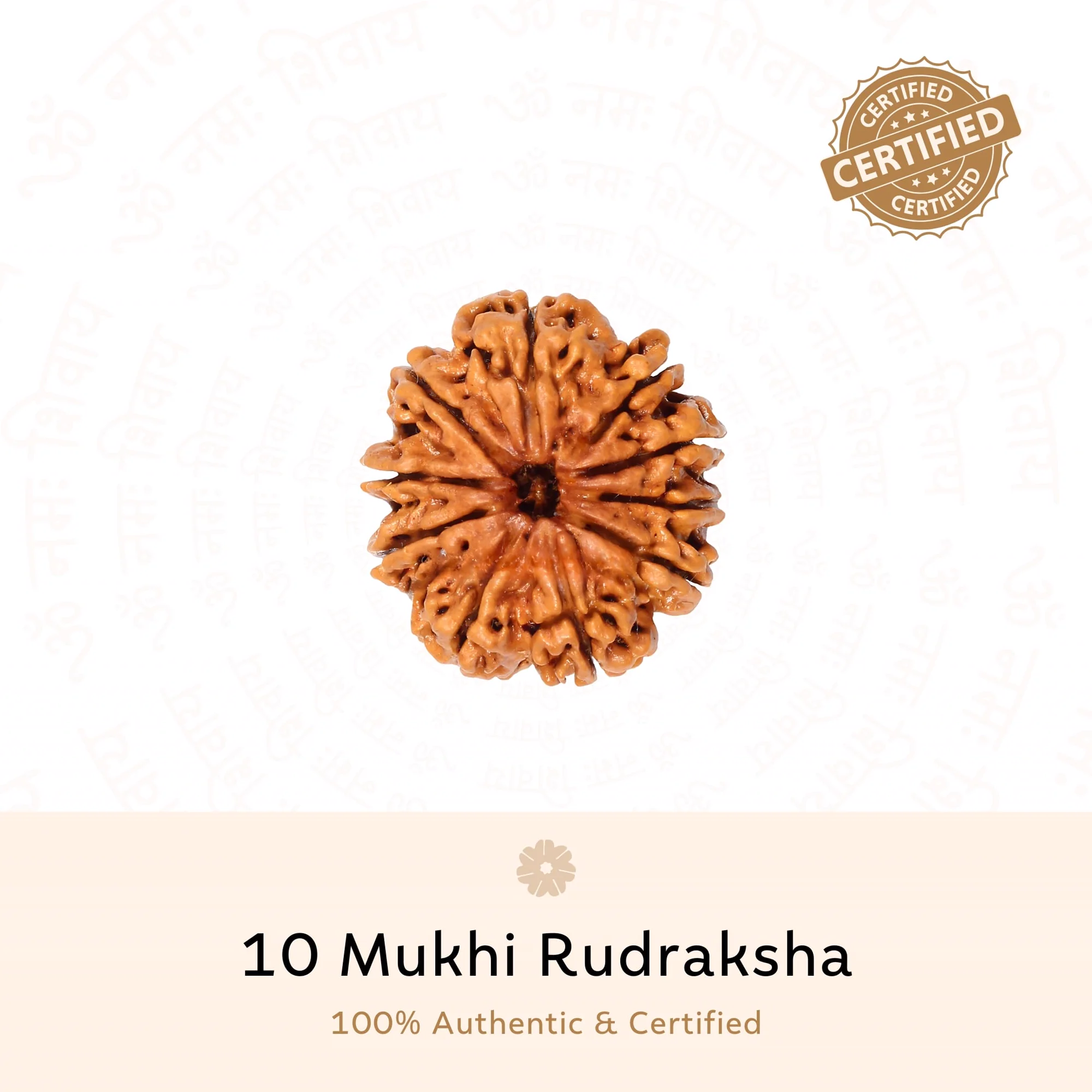
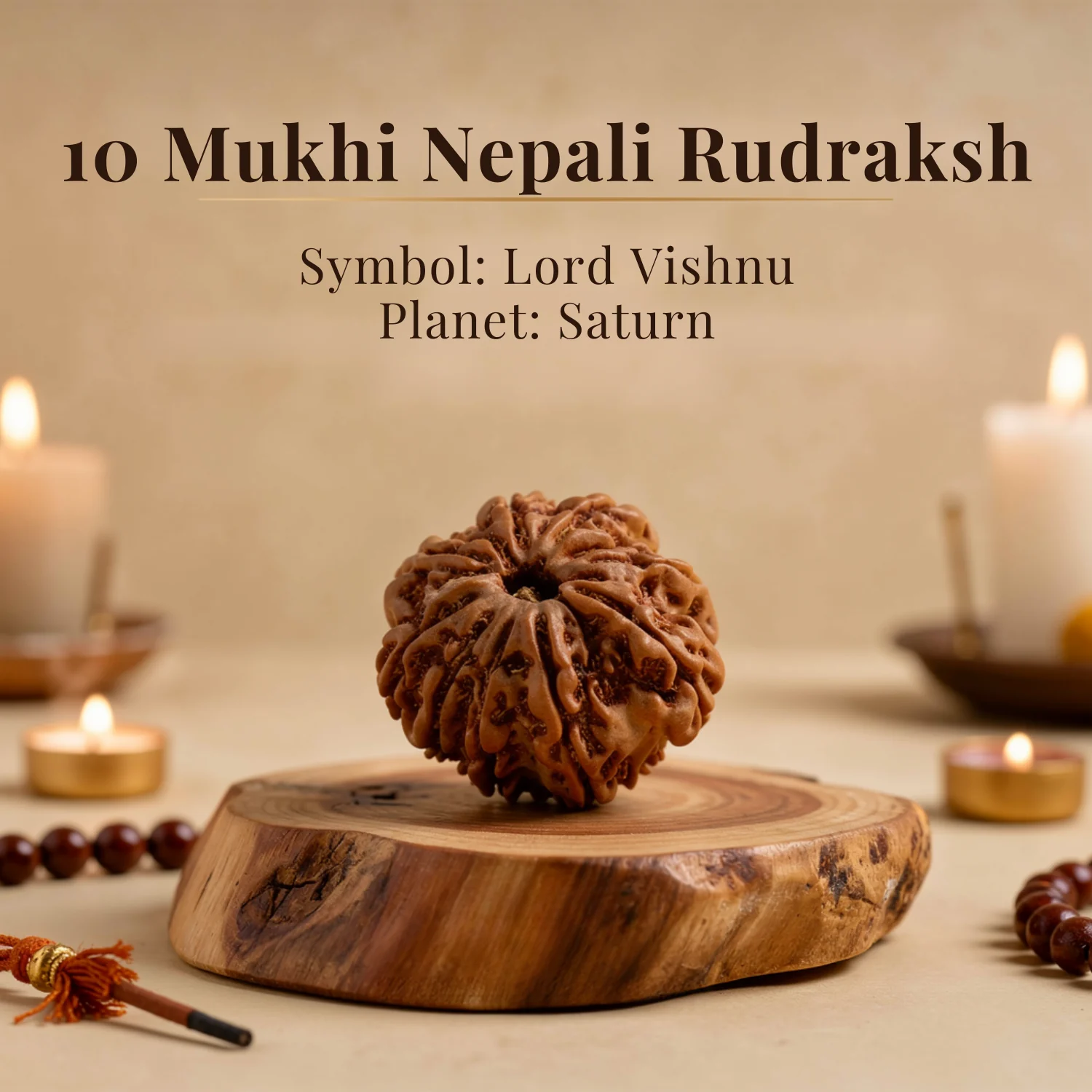
A 10 Mukhi Rudraksha is a single bead described as having ten natural divisions. Some Rudraksha traditions connect it with Vishnu or Janardana and devotional ideas of protection. These interpretations should not be confused with proof that the bead prevents harm. This guide focuses on understanding the description and comparing the actual bead, mount and available documentation.
Count the specimen, not the marketing
The word ten should describe the natural divisions on the bead, not ten marks added to its surface or ten beads on a strand. Ask for views around the full circumference and at both ends. Deep surface texture can make a still photograph confusing, so a rotating video is a reasonable request. Avoid irreversible home tests such as cutting or boiling a bead.
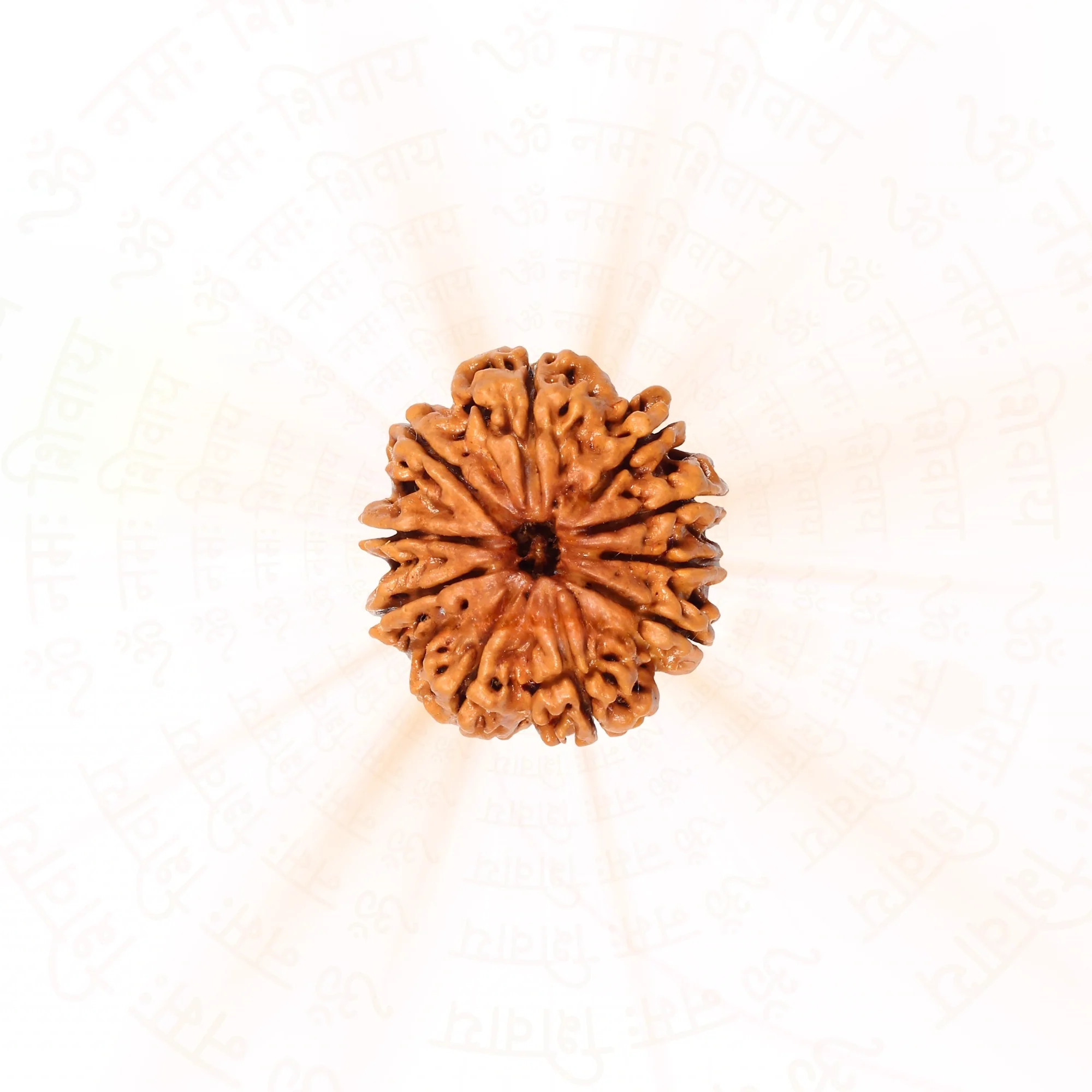
Price labels like premium or collector are commercial grading descriptions, not a standard spiritual measurement. Ask what the grade means for that listing: diameter, shape, surface condition, clarity of divisions or another observable feature. If the seller cannot explain the grade, the label offers little basis for comparison.
Traditional associations in context
Vishnu-related interpretations appear in some present-day Rudraksha teaching. Other teachers describe the ten divisions differently, so there is no need to force every interpretation into one universal chart. If a seller cites scripture, request the text, chapter and translation rather than accepting a generic claim that all ancient sources say the same thing.
A devotee can choose the bead as a reminder of steadiness and ethical conduct. Wearing it does not replace locking a door, seeking healthcare, dealing with a workplace problem or asking for professional help. Claims of guaranteed protection from black magic, financial loss or disease are not a sound reason to buy.
Loose bead or pendant?
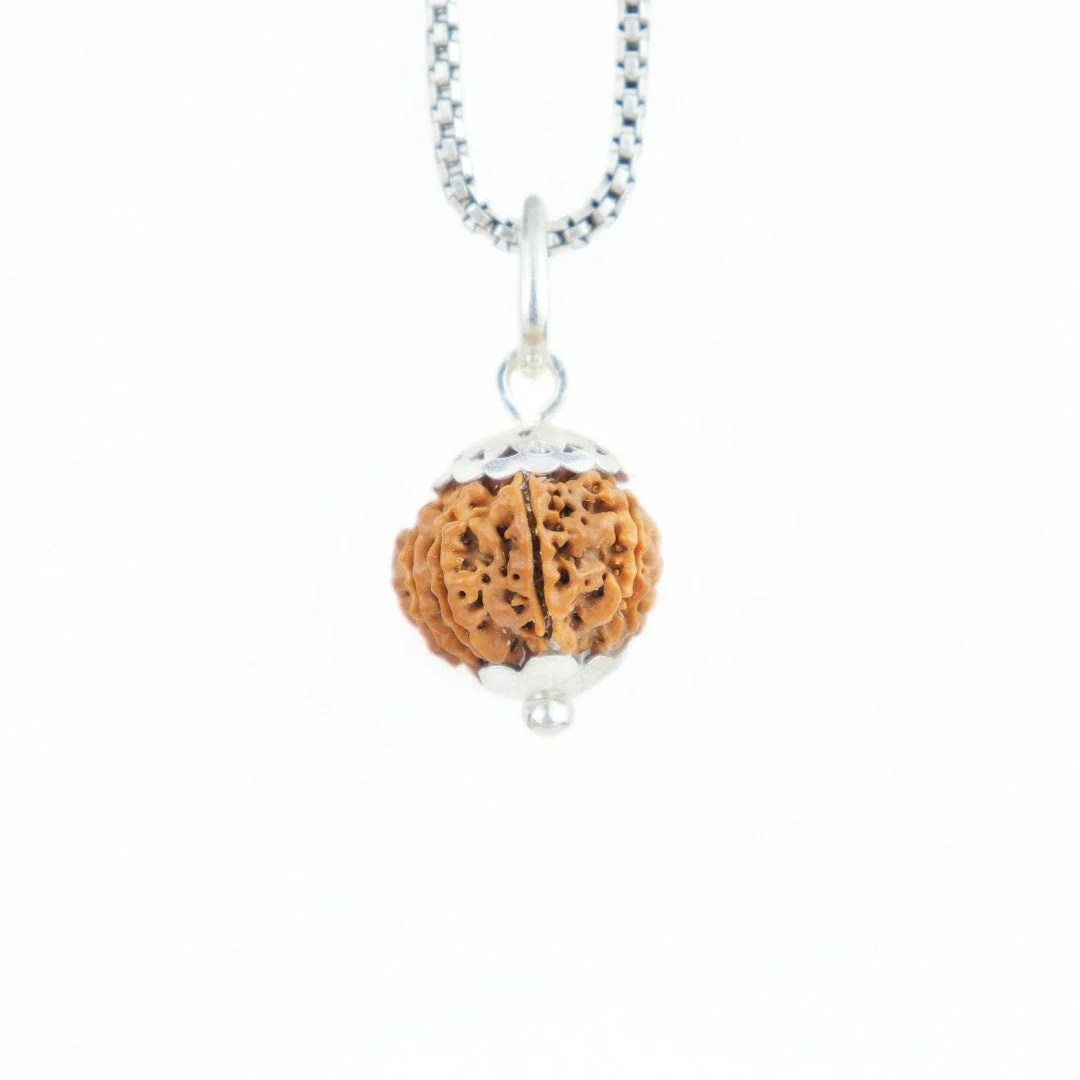
A loose bead lets you choose a thread and inspect the surface easily. A pendant may offer a ready-to-wear format, but adds questions about the metal, fittings and combined weight. Confirm what is included: a chain, just the pendant, a thread or optional capping. Do not assume that the product photograph includes every accessory in the quoted price.
For daily wearing, check that the mount does not press sharply against skin and that the cord can be adjusted. If you already wear a mala, ask whether the intended position of another bead changes the balance or makes the strand awkward. Comfort is a practical reason to choose a smaller option; it is not a compromise in proven spiritual power because no such measurement exists.
Origin, size and price
Compare bead diameter using the same units and request a scale photograph. Origin should be supported by the seller's sourcing information rather than inferred from colour. Brown shades change with ageing, finishing, lighting and photography. Nepali and Indonesian Rudraksha are both used devotionally; neither country label proves a particular effect.
Check the current catalogue instead of relying on a price quoted in an older article. Larger or differently mounted specimens can carry different prices, but the reason should be explainable. Put essential verification and comfort ahead of an expensive finish. If buying a specimen at a substantial price, take time to read the return conditions and ask unresolved questions in writing.
Documentation checklist
- Is the photograph specimen-specific or representative?
- What is the measured size, and does it include the mount?
- Is a report supplied, and does it identify this bead?
- What does that report verify, and what remains a seller statement?
- What are the care instructions for the bead and any metal fitting?
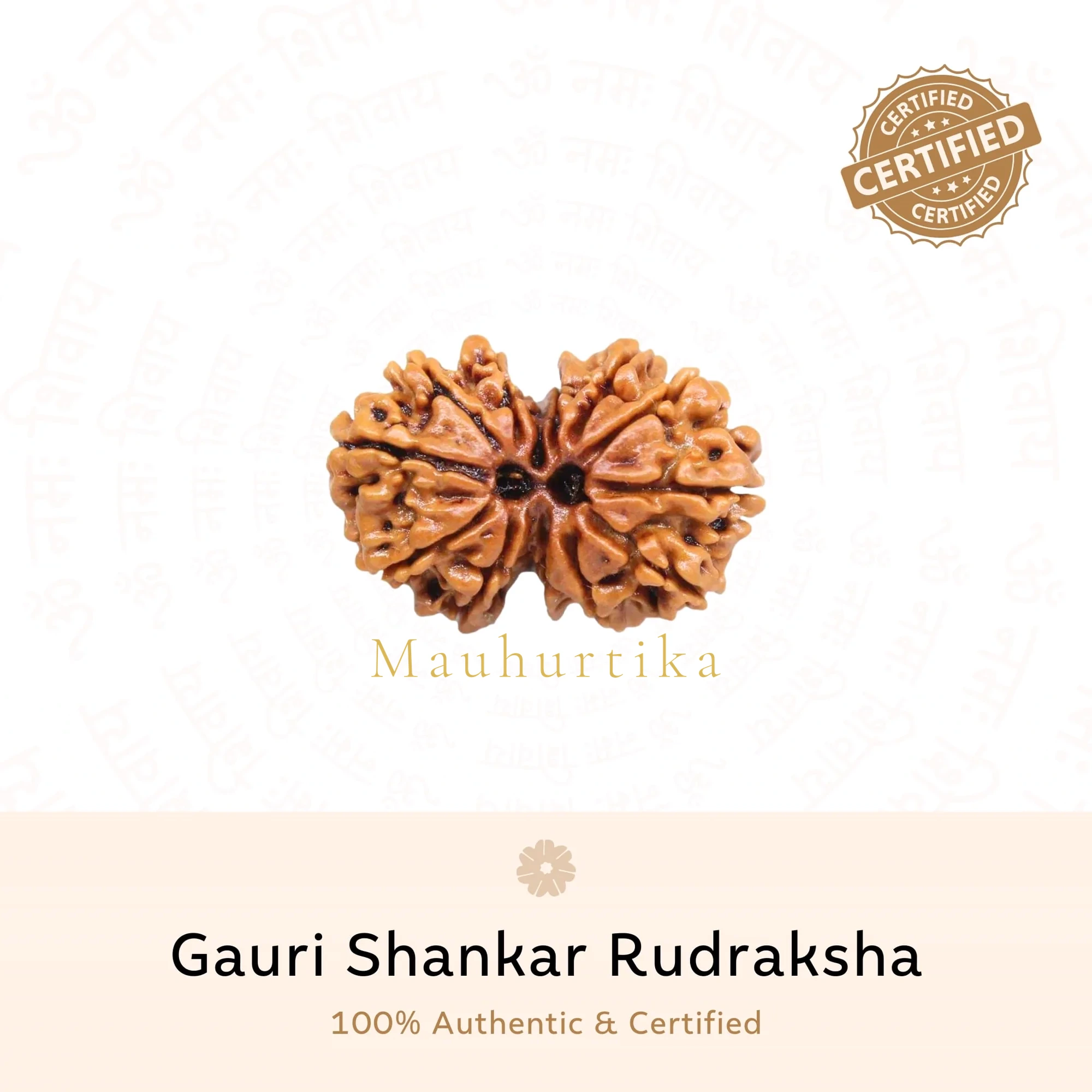
Be wary of a certificate that certifies guaranteed benefits rather than physical observations. A photograph can show visible condition but may not prove internal structure or origin. Read our Gauri Shankar authenticity discussion for the limits of visual checks.
Wearing and care
Start with a familiar prayer or your teacher's guidance if you choose a ceremony. A prescribed number of repetitions is a custom within a practice, not a technical switch that makes a bead work. See which day to wear Rudraksha for a balanced introduction.
Keep it away from perfume, harsh soap, unnecessary soaking and abrasive brushes. Dry it carefully after appropriate cleaning, inspect the thread and remove it if the fitting irritates your skin. For spiritual use, a simple and consistent practice is more meaningful than worrying about every minor interruption in wearing.
Current 10 Mukhi choices
Compare the 10 Mukhi bead and mounted options below. Prices and available stock come from current catalogue records; this article does not promise that a particular report accompanies every option. Ask for specimen details before choosing.
Related reading
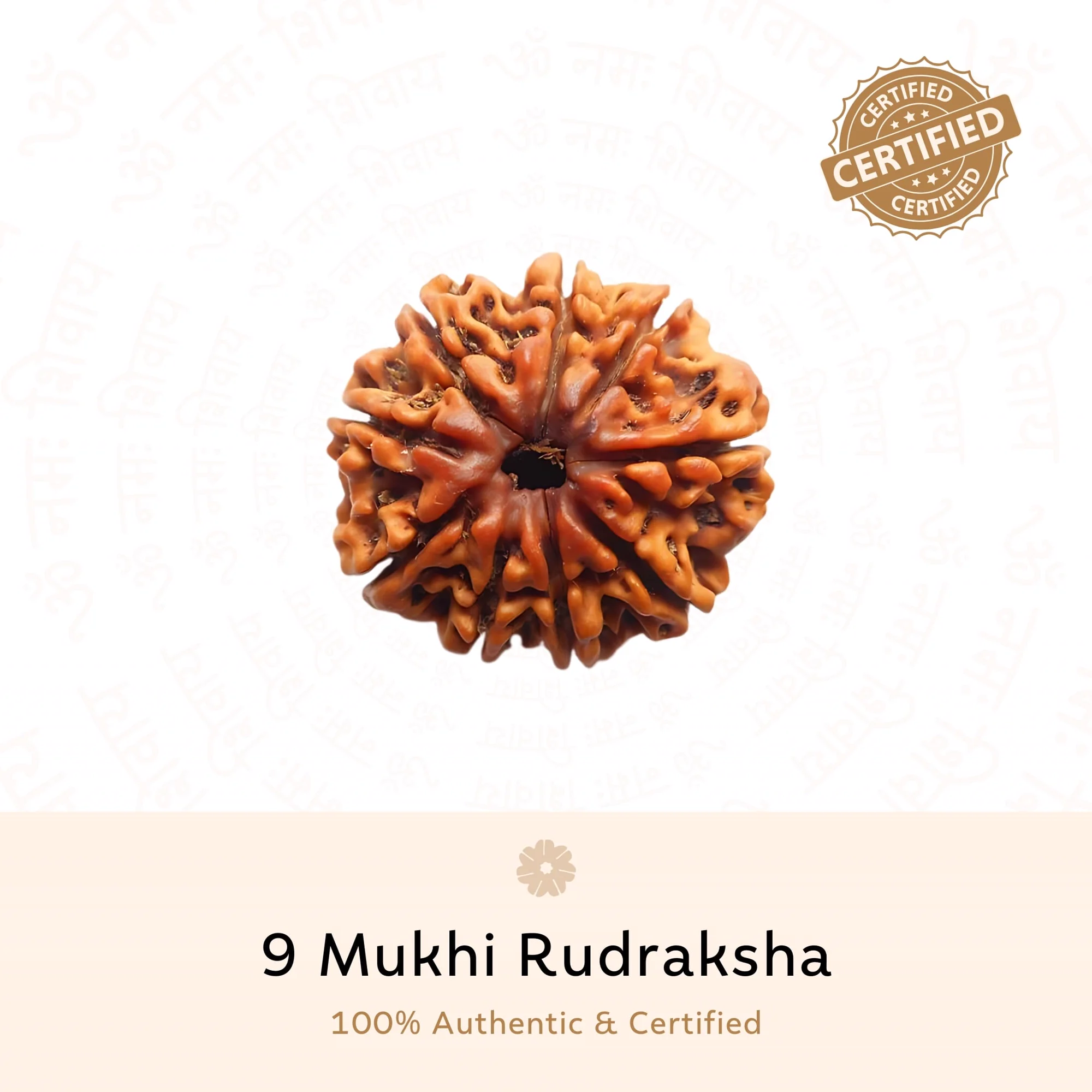
Explore 9 Mukhi meaning and selection, traditional protection beliefs and the Siddha Mala guide.
Frequently Asked Questions
Q.What does 10 Mukhi mean?
It describes ten natural divisions on a single bead. It should not be confused with a ten-bead strand or a summed count on a joined specimen.
Q.Is 10 Mukhi associated with Vishnu?
Some Rudraksha traditions use a Vishnu or Janardana association. Ask about the particular tradition rather than treating it as a universal scientific fact.
Q.Can I wear 9 Mukhi and 10 Mukhi together?
Some practices allow combinations, but religious preferences vary. Ask your teacher and ensure the resulting jewellery is comfortable; no result is guaranteed.
Q.Should I buy the largest option?
Not automatically. Choose a suitable size, clear description, good condition and useful documentation within your budget.